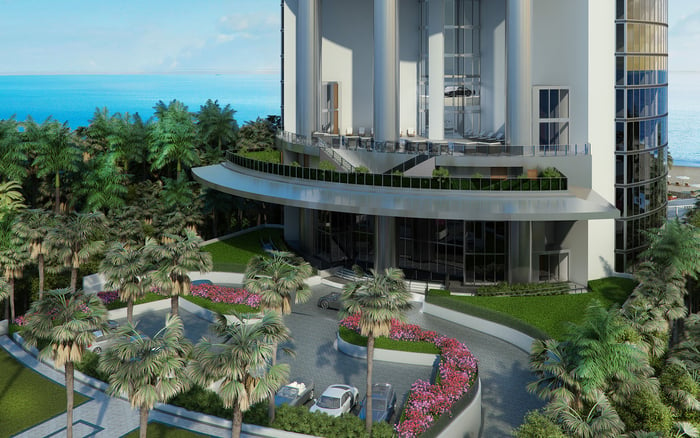
A practical, luxury-minded guide to understanding how amenity budgets, reserves, insurance, allocation formulas, and assessments can reshape the true carrying cost of a South Florida family-scale condominium.

For families considering a South Florida condominium, the most seductive line in the presentation may be the amenity roster: pool deck, spa, fitness studio, lounges, children’s room, beach club, valet, concierge, and private gathering spaces. The most revealing line is often found elsewhere. It sits inside the association budget.
An association budget is the starting point for understanding how a building expects to pay for shared services, common spaces, maintenance, insurance, and future work. For a family-scale residence, where the home may be larger and the expectations more daily-life-driven, the budget can matter as much as the purchase price.
This is why a buyer comparing a polished urban tower such as 2200 Brickell with a waterfront or oceanfront lifestyle address should look beyond the quoted monthly maintenance figure. The sharper question is whether that figure reflects the true cost of the building’s promises.
For MILLION readers tracking Buyer's Guides, Pricing & Trends, Lifestyle, Brickell, Miami Beach, and Sunny Isles Beach, amenity operating budgets are not background paperwork. They are part of the architecture of value.
When a pool, gym, spa, children’s room, lounge, or beach-club facility is operated for residents, its costs can move through the association’s shared expenses. That may include staffing, utilities, repairs, insurance, service contracts, replacement components, and day-to-day upkeep. A beautiful amenity is not merely a lifestyle feature. It is a shared operating system.
For families, this is especially important because the amenities they use most often may also be among the most operationally intensive. A children’s room needs cleaning, finishes, furniture, and periodic refreshes. A resort-style pool requires ongoing care, furniture replacement, lighting, oversight, and presentation standards. A wellness suite can involve specialized materials, service vendors, and elevated expectations.
None of this makes amenities undesirable. In the luxury tier, the right amenities can reduce friction in daily life and allow a residence to function like a private club. The issue is alignment. A building’s budget should be sophisticated enough to support the lifestyle it sells.
The most elegant buildings are not necessarily the ones with the longest amenity list. They are the ones with the clearest plan for maintaining that list over time. Amenity-rich properties may need to plan not only for routine operations but also for future capital needs, repairs, replacements, and deferred maintenance.
That planning matters because the most visible amenities often depend on less visible systems. Pool decks, elevators, mechanical rooms, waterproofing, exterior finishes, lobby materials, fitness equipment, lighting, and service spaces all require ongoing attention. If a building underestimates those obligations, today’s lower carrying cost can become tomorrow’s pressure point.
A buyer admiring a refined coastal residence such as The Perigon Miami Beach should therefore ask a practical question: are today’s dues comfortably supporting tomorrow’s building? Underfunded reserves can make a maintenance number look attractive in the present while shifting the real cost into future decisions.
A condominium’s governing documents and budget materials are essential to understanding how common costs are allocated. In some buildings, larger residences can carry a larger share of certain association expenses, which can change how a buyer interprets the real monthly cost of ownership.
That allocation can materially affect value. A three- or four-bedroom residence may offer the space, privacy, and daily livability of a single-family home with the convenience of a serviced building. But if its share of common costs is meaningfully higher than smaller units, the amenity budget may be felt more heavily by that owner.
This does not automatically weaken the case for a larger condominium. In many South Florida neighborhoods, a full-service family residence can deliver security, lock-and-leave convenience, views, and amenity access that are difficult to replicate in a house. But the declaration, budget, and financial materials are essential reading, not administrative ornament.
Insurance is another major budget variable for South Florida condominium buildings. In a coastal market, it is not a passive line item. It can affect annual budgets, monthly assessments, and the way an association plans for future obligations.
Regular and special assessments should also be treated as part of the ownership picture. If an amenity program is underbudgeted, or if reserves and insurance do not reflect actual needs, later increases can become part of the owner’s carrying cost. Maintenance fees are not optional lifestyle subscriptions.
This is particularly relevant for buyers comparing newer luxury offerings such as St. Regis® Residences Sunny Isles with established coastal buildings. New-development materials can include projected operating budgets, which help buyers evaluate whether marketed services and common spaces appear realistically priced. In resales, document review becomes equally important because recent budget history may reveal how a building has handled prior cost pressure.
For South Florida towers, time is a budget factor. Coastal conditions, intensive amenity use, building age, and long-term maintenance planning can all influence the financial rhythm of a condominium association.
For buyers, the issue is not simply whether a building has aged. It is whether the budget, reserves, and planning culture have aged intelligently with it. A coastal property can remain highly desirable when its association has been disciplined about maintenance, inspections, reserves, and transparent owner communication.
A family choosing between a boutique waterfront atmosphere such as Rivage Bal Harbour and a more urban amenity environment should treat building age, maintenance posture, and reserve planning as part of the same conversation as views, floor plans, and daily convenience.
Before accepting a luxury amenity lifestyle, buyers should request and study the operating budget, financial records, reserve information, insurance costs, and recent assessment history. These are not merely administrative files. They show how the building pays for the experience it presents.
In a new development, the projected operating budget deserves careful attention. In a resale, the current budget and recent financial history can be more revealing than marketing language. The cleanest due diligence looks at three layers: what the building spends today, what it is setting aside for tomorrow, and how expenses may be allocated to the specific residence being purchased.
That review is especially important when evaluating wellness-oriented or hospitality-influenced buildings such as The Well Coconut Grove. The more curated the daily experience, the more important it is to understand the staffing, maintenance, insurance, and reserve assumptions behind it.
The right question is not whether amenities are expensive. The right question is whether they are honestly capitalized. A well-funded, well-managed amenity program can support value, livability, and confidence. A thinly funded one can create future pressure through increased assessments or special assessments.
For family-scale buyers, the best condominium purchase is not only about bedrooms, terraces, schools, and views. It is about whether the building’s financial structure can sustain the lifestyle with discretion. In South Florida, the most refined amenity may be a budget that tells the truth.
Why can amenity budgets change a condo’s real cost? Amenities can create shared expenses for staffing, utilities, repairs, insurance, maintenance, and replacement over time.
Are monthly dues enough to judge affordability? No. Buyers should also review reserves, insurance costs, allocation methods, and recent assessment history.
Why do reserves matter in an amenity-rich building? Reserves can help a building prepare for future repairs, replacements, and deferred maintenance rather than relying only on future increases.
Can larger family units pay more than smaller units? They can, depending on how the condominium’s governing documents allocate common expenses among residences.
What document helps explain my share of common expenses? Buyers should review the condominium declaration and related budget materials with qualified advisors.
Are special assessments part of the carrying-cost conversation? Yes. They can affect the real cost of ownership when a building needs additional funding.
Do building age and maintenance planning matter? Yes. A building’s age, coastal exposure, and maintenance culture can influence future budget needs.
What should resale buyers request? Buyers should review budgets, financial records, reserve information, insurance costs, and recent assessment history.
What should new-construction buyers review? They should study projected operating budgets to see whether the proposed amenity program appears realistically funded.
Is a large amenity package a negative? Not necessarily. The key is whether the building’s budget and reserves can sustain the lifestyle over time.
For a discreet conversation and a curated building-by-building shortlist, connect with MILLION.
If branded residences are on your mind — as a home or as an allocation — we would be glad to share what we are seeing, privately.
Begin a quiet conversation