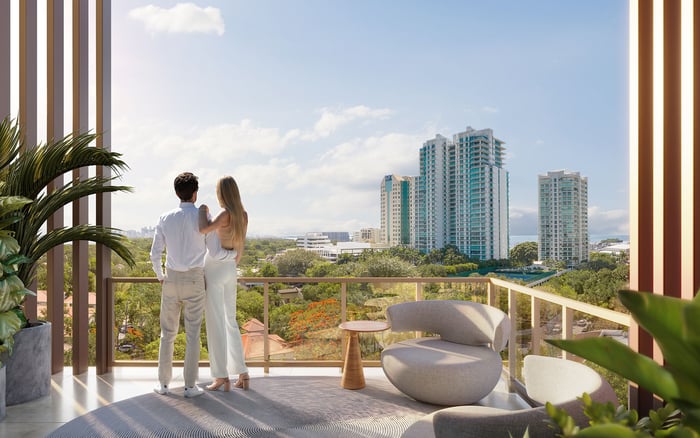
Construction noise can turn a wellness-led South Florida residence from a lifestyle promise into a practical ownership question, especially when nearby development affects sleep, focus, terraces, and daily restoration.
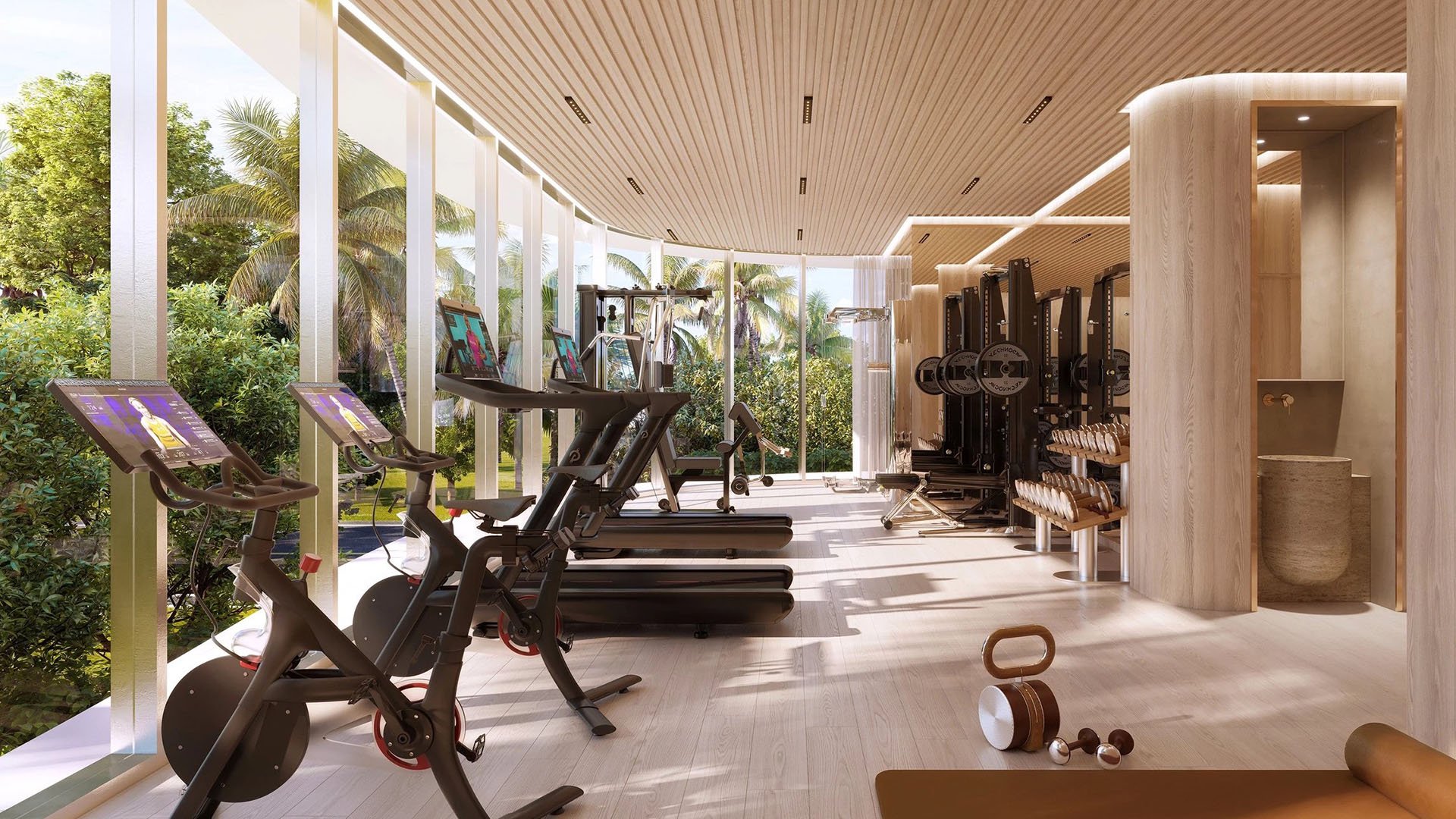
In South Florida luxury real estate, wellness is often expressed through spa rooms, sunrise terraces, cold plunges, biophilic materials, and hotel-caliber service. Yet the most consequential wellness feature may be the one a buyer notices only when it fails: acoustic calm. Construction noise can turn a residence marketed around restoration into a property with a hidden carrying cost, particularly in neighborhoods where new towers, infrastructure work, and vertical development may unfold around daily life.
The question is not whether a city should grow. It is whether a buyer has accurately priced the exposure. A wellness-led residence near active or pending construction should be evaluated not only by purchase price, view corridor, and amenities, but by the cost of preserving sleep, concentration, outdoor enjoyment, and resale confidence through the development cycle around it.
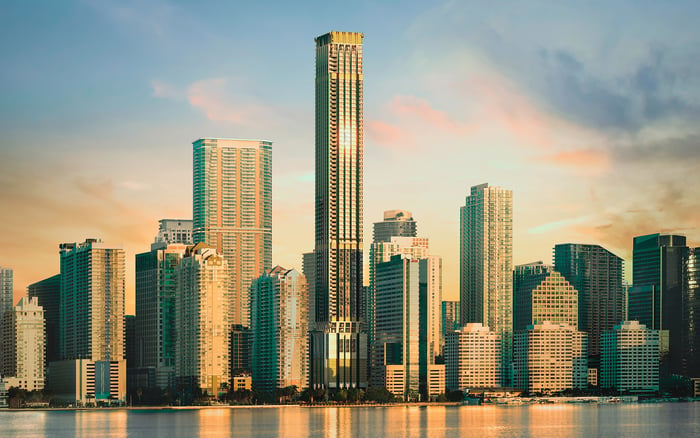
This is especially relevant in Brickell, where buyers comparing urban residences such as 2200 Brickell may be drawn to walkability and design while still needing to understand the broader construction pipeline nearby. Even the most polished sales gallery cannot substitute for acoustic diligence at the exact exposure point of the unit, terrace, bedroom stack, and work-from-home space.
Modern wellness language often focuses on spa programming, fitness, light, air, and restorative spaces. Acoustic comfort deserves the same attention because it shapes how a home actually feels during the hours that matter most. In a luxury residence, the difference between a serene primary suite and a glass-framed room exposed to equipment peaks can be decisive.
Construction zones are rarely experienced as a smooth background sound. The disruptive moments often arrive as peaks: alarms, impact activities, trucks, pumps, cranes, and intermittent equipment cycles. A daily average can miss the events that wake a sleeper, interrupt a call, or make a terrace feel unusable.
For that reason, buyers should treat acoustic performance as part of the wellness package rather than a technical afterthought. A residence can have beautiful materials and service-rich amenities while still requiring a closer review of orientation, glazing, seals, ventilation, and the likely work around nearby parcels.
The obvious cost is acoustic mitigation: upgraded glazing, improved seals, tighter doors, additional interior treatments, quieter mechanical strategies, or consultant review. The fuller cost is broader. It may include reduced balcony use, diminished enjoyment of outdoor amenities, sleep disruption risk, impaired work-from-home performance, and buyer hesitation at resale if the surrounding pipeline is still active.
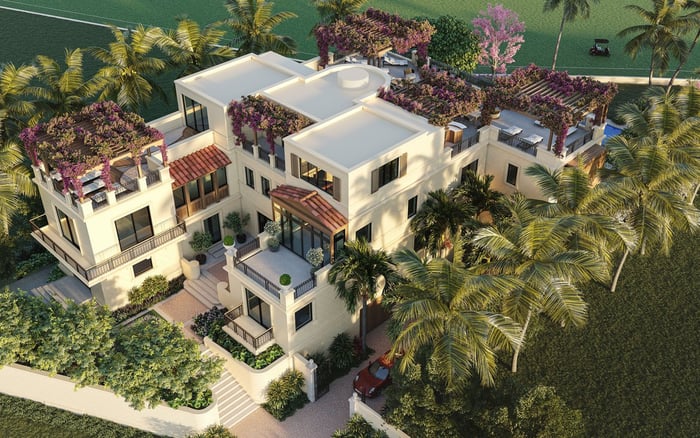
In Miami Beach, the lifestyle premium often centers on light, air, and outdoor living. A buyer considering a coastal residence such as The Perigon Miami Beach should evaluate not only the interior program, but also how sound may travel across water, streets, open exposures, and neighboring work zones. Local construction-hour rules and after-hours procedures can vary within South Florida, so assumptions made in one municipality may not hold in another.
For high-net-worth buyers, the key question is not simply, “Can I hear it?” It is, “What will this exposure cost me in the hours I value most?” Morning sleep, terrace breakfasts, confidential calls, meditation, children’s naps, and recovery rituals can all be affected before a noise issue ever appears in a contract discussion.
A serious pre-closing review should identify active and pending work around the residence. That review can include available permit and planning materials, a map-based walk of the surrounding blocks, and close attention to vacant lots, staging areas, demolition signs, and projects that may not yet be obvious from the residence itself.
Buyers should also ask whether pre-purchase acoustic review is appropriate. A specialist can help distinguish between a temporary inconvenience and a more meaningful exposure involving excavation, foundation work, vertical construction, façade installation, and interior fit-out. The average condition matters, but intermittent peaks may be what actually disturb sleep and concentration.
This is where Bay Harbor Islands and Coconut Grove offer useful contrasts. A wellness-branded buyer looking at The Well Bay Harbor Islands may prioritize sanctuary, services, and daily recovery. A buyer drawn to The Well Coconut Grove may be weighing a more village-like lifestyle. In both cases, the right diligence is site-specific: exposure, orientation, adjacent parcels, municipal rules, and envelope performance matter more than a neighborhood reputation for calm.
A luxury residence can look serene and still underperform acoustically if its envelope is not suited to the exterior condition. Glazing, seals, walls, ventilation strategy, slab conditions, penetrations, and room finishes all influence how much exterior construction noise is experienced indoors. Floor height can help in some conditions and hurt in others, depending on line of sight to equipment, reflective surfaces, and the type of work underway.
The most important rooms deserve separate analysis. A primary bedroom facing a quiet internal side may perform very differently from a den overlooking a future tower site. A corner living room with dramatic glass can deliver extraordinary views while also increasing the importance of glazing specification and airtightness. Terraces require a different conversation because outdoor sound cannot be engineered away with the same precision as interior sound.
Buyers should ask direct questions: What acoustic assumptions were used in design? What glazing and seal systems are installed or specified? Can fresh air be maintained without opening doors during noisy periods? Are bedrooms placed or treated differently from entertaining spaces? Has the owner, developer, or consultant considered construction peaks rather than only ordinary traffic?
The wellness premium is most vulnerable when the promise of tranquility collides with a visible development pipeline. That does not mean buyers should avoid dynamic districts. It means they should negotiate, reserve, and plan with clear eyes. A residence can still be the right acquisition if the buyer understands the probable exposure and prices it into the decision.
For some, that may mean selecting a different stack, a higher-performing envelope, or a unit with bedrooms oriented away from likely construction. For others, it may mean budgeting for acoustic consulting, interior softening, custom window treatments, or temporary work arrangements during the loudest phases. In resale planning, it may mean understanding whether nearby projects will be completed, ongoing, or just beginning when the owner may want to exit.
South Florida’s best residences increasingly compete on how they make daily life feel. Quiet is part of that feeling. In a market where wellness has become part of luxury language, acoustic performance is no longer a technical footnote. It is part of the real cost of ownership.
Why does construction noise matter for a wellness-led residence? It can affect sleep, focus, terrace use, and the sense of restoration that supports the wellness premium.
Should buyers rely only on average noise conditions? No. Intermittent peaks from alarms, equipment, impact work, and trucks may be more disruptive than average conditions suggest.
Can a luxury building fully block construction noise? Not always. Glazing, seals, walls, ventilation, and room finishes can reduce exposure, but outdoor areas remain vulnerable.
What should I check before closing near a development site? Review nearby activity, likely phasing, unit orientation, local rules, and the building envelope before committing.
Are local noise rules the same across South Florida? No. County and municipal approaches can differ, including construction hours and after-hours procedures.
Which rooms deserve the most acoustic attention? Primary bedrooms, children’s rooms, workspaces, and main terraces should be studied first.
Can acoustic review help before purchase? Yes. A focused review can help buyers understand likely exposure and decide whether mitigation or a different unit makes sense.
Does construction noise always reduce resale value? Not universally. The effect depends on timing, buyer perception, mitigation, and the visible development pipeline.
How can a buyer compare two wellness-led residences? Compare orientation, envelope quality, terrace exposure, neighboring parcels, and the daily routines the home is expected to support.
How should buyers price the risk? Include mitigation, reduced outdoor use, sleep risk, work disruption, and possible resale friction in the ownership model.
To compare the best-fit options with clarity, connect with MILLION.
If branded residences are on your mind — as a home or as an allocation — we would be glad to share what we are seeing, privately.
Begin a quiet conversation