Continuum on South Beach is not a dedicated wine-storage building, but its South of Fifth oceanfront scale, larger luxury residences, resort-style infrastructure, and full-service high-rise context make it a serious candidate for buyers planning custom climate-controlled wine storage and backup cooling due diligence.
For buyers with serious wine collections, the most important luxury in South Florida is not always a branded amenity or a dramatic view. It is control: temperature, humidity, contractors, association approvals, and, when weather turns, backup cooling resilience. Those details can matter as much as marble, millwork, or terrace size.
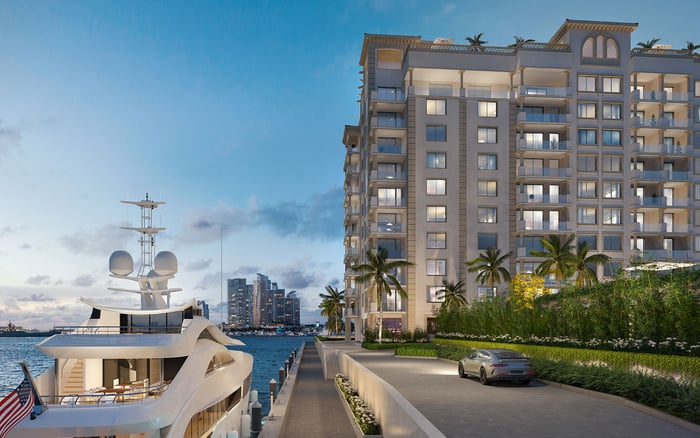
That is why Continuum on South Beach deserves a place on the shortlist. Continuum on South Beach is a luxury oceanfront condominium community at the southern tip of Miami Beach in the South of Fifth area, with a scale and residential profile that distinguish it from many smaller South Beach buildings. It is best understood not as a dedicated wine building, but as a strong platform for a buyer who wants to commission a private wine wall, wine room, or cellar-style installation inside a larger residence.
The distinction matters. A turnkey wine display is appealing, but a serious collection needs a system designed around bottle value, Miami Beach humidity, salt air, storm exposure, ventilation, condensate handling, and emergency-power planning.
South of Fifth has long appealed to buyers who want the energy of Miami Beach without sacrificing discretion. For wine-focused owners, that combination is especially relevant. The neighborhood’s connection to high-end dining and entertaining makes it a natural fit for residences where a private collection is not only stored, but integrated into hosting.
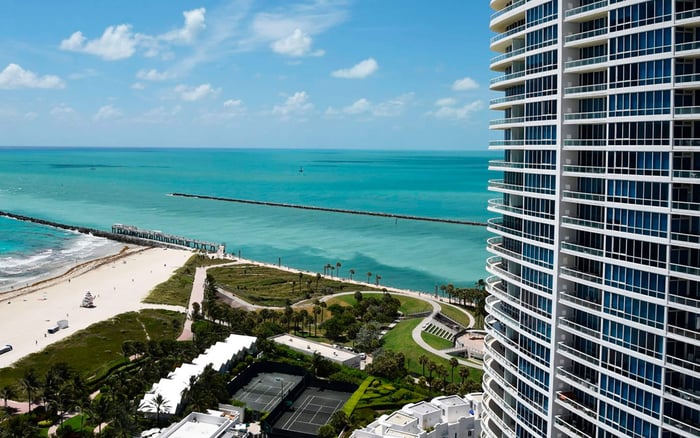
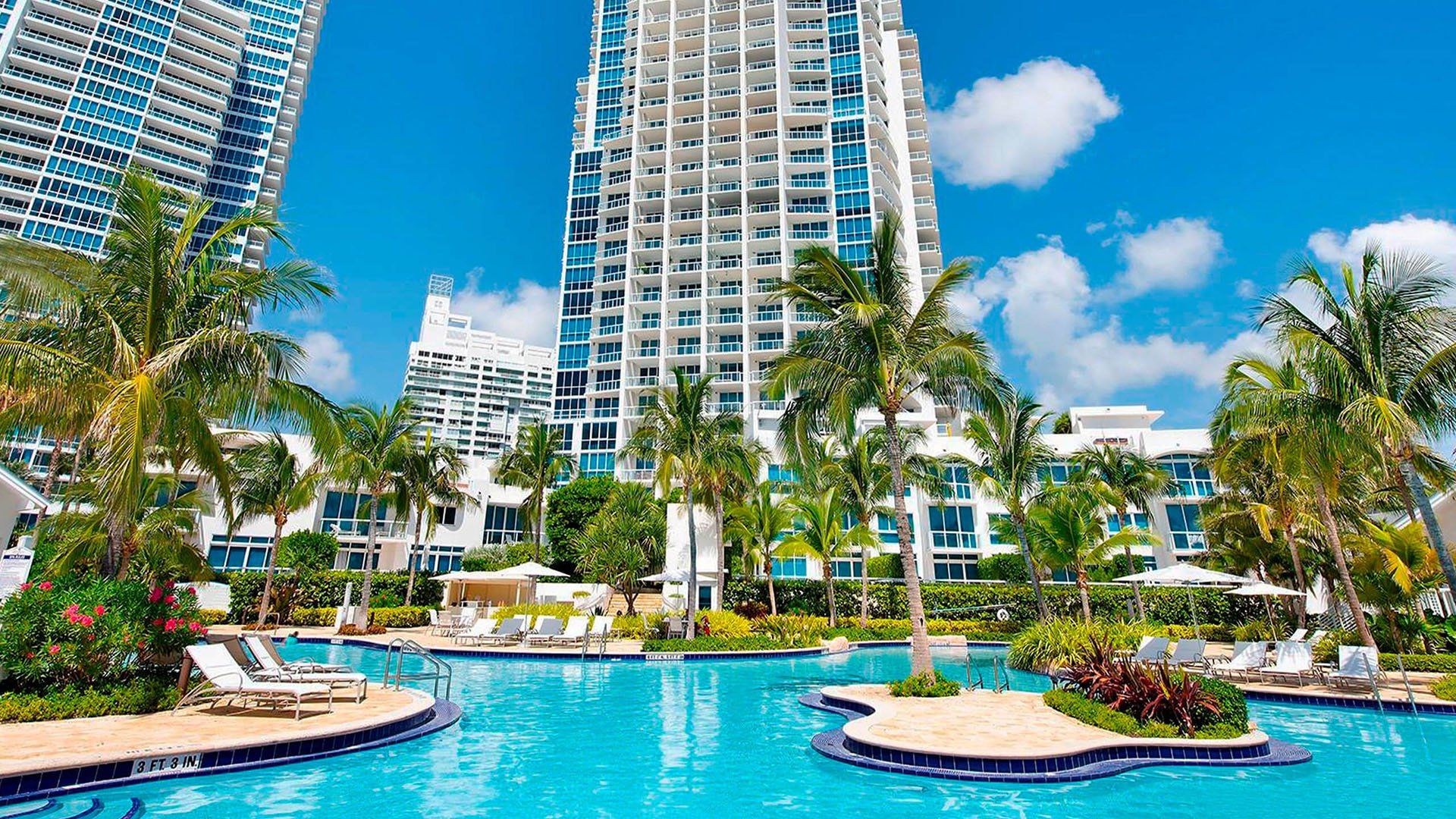
Continuum’s direct beach access, landscaped grounds, and multiple pools support a resort-style daily rhythm. Pool afternoons, oceanfront walks, and private dinners can all coexist within the same residential environment. For a collector, the home becomes less of a storage location and more of a hospitality instrument.
The comparison set is also important. Buyers evaluating South Beach often consider Apogee South Beach for its ultra-luxury profile, or The Ritz-Carlton Residences® South Beach for a branded residential lens. Continuum’s appeal is different: its large gated oceanfront setting gives it a campus-like quality, with more resort-scale infrastructure and open-air context than many purely vertical buildings.
Wine storage is spatial before it is decorative. A beautiful glass wine wall can fail if it is placed where sunlight, heat transfer, vibration, or inadequate mechanical capacity compromise the collection. Continuum’s larger residences and luxury layouts are relevant because they can offer more flexibility for integrating engineered storage without sacrificing the home’s primary living spaces.
Expansive floor plans may allow a buyer to separate the cellar concept from the kitchen, dining area, or entertaining salon while still keeping it visible enough to become part of the design. Open-plan living can support a climate-controlled display as an architectural feature, especially where wall surfaces and ceiling heights allow for a refined built-in solution. The key phrase is subject to approval. High ceilings and generous walls can help, but association rules, engineering review, contractor access, electrical load, waterproofing, ventilation, and condensate routing should be reviewed before any design is finalized.
This is where Continuum’s full-service luxury high-rise typology becomes valuable. Stable interior conditions and professional building operations are more realistic in a modern, full-service condominium environment than in older or smaller properties with less flexible layouts and infrastructure. Still, buyers should avoid assuming that any residence is automatically cellar-ready.
In coastal South Florida, wine storage is not simply about keeping bottles cool during normal conditions. It is about protecting the collection when conditions are abnormal. Miami Beach humidity, salt air, and storm risk all make backup cooling a central topic for any serious collector.
A buyer should ask early questions. What is the unit-level HVAC capacity? Can a dedicated wine-conditioning system be accommodated? Where will heat rejection occur? How will condensate be handled? What emergency-power options are available for the residence, and what modifications are permitted? Will the association approve the work, the contractor, the access schedule, and the mechanical path?
These questions should be answered by a dedicated wine-cellar designer or mechanical engineer, not by standard residential HVAC assumptions. Fine wine needs stable conditions, and stability requires a system designed for the specific residence. Backup cooling is not a casual upgrade. It is the difference between a decorative display and a collector-grade installation.
A disciplined Buyer's Guides approach starts by separating lifestyle appeal from technical feasibility. Continuum has both, but the technical side still requires diligence. Its South of Fifth location, direct beach access, landscaped grounds, and resort character create a compelling lifestyle proposition. The wine-storage case rests on whether a specific residence can support the desired buildout.
Buyers comparing other Miami Beach options may look at Five Park Miami Beach or The Perigon Miami Beach through a different lens, especially if they are considering newer residential programs or alternate neighborhood settings. The practical question remains consistent across all of them: does the home have the space, mechanical logic, approval pathway, and backup plan to protect a valuable collection?
At Continuum, the reason to shortlist the property is not that wine storage is a standard amenity. It is that the scale of the community, the larger luxury layouts, and the resort-style setting create a viable foundation for customization. For the right residence, that foundation can be more important than a prepackaged amenity.
Before purchasing with a cellar in mind, buyers should request a detailed review of the residence and building requirements. The review should include HVAC capacity, electrical load, waterproofing, ventilation, condensate handling, contractor logistics, association approval, and emergency-power options. If the plan involves a glass display wall, additional attention should be paid to insulation, door seals, lighting, and exposure to adjacent living spaces.
The best outcome is not the largest cellar. It is the most stable one. A modest, properly engineered wine room can outperform a dramatic but poorly controlled installation. Continuum’s platform is attractive because it gives qualified buyers room to think architecturally and mechanically at the same time.
Is Continuum on South Beach a dedicated wine-storage building? No. It belongs on the shortlist because its scale, layouts, and luxury setting may support private cellar customization.
Why is backup cooling so important in Miami Beach? Coastal humidity, heat, salt air, and storm risk make stable cooling essential for serious wine collections.
Can every residence at Continuum support a wine room? Not automatically. Each residence should be reviewed for HVAC, electrical, ventilation, waterproofing, and approval requirements.
What kind of professional should design the wine storage? A dedicated wine-cellar designer or mechanical engineer should be involved, especially for valuable collections.
Does direct beach access affect wine storage planning? The lifestyle benefit is clear, but the coastal environment increases the need for humidity and temperature control.
Why do larger floor plans help collectors? They may allow a wine wall, wine room, or cellar concept without compromising core living and entertaining areas.
Are high ceilings useful for wine displays? They can help with built-in design concepts, but engineering and association approval remain essential.
What should buyers ask before making an offer? Ask about permitted modifications, emergency-power options, HVAC capacity, contractor access, and association review.
How does Continuum compare with smaller South Beach buildings? Its gated oceanfront setting and resort-style grounds can offer more flexibility than many smaller condominium properties.
Is the wine-storage appeal mainly lifestyle or technical? It is both, but the technical feasibility of a specific residence should lead the decision.
When you're ready to tour or underwrite the options, connect with MILLION.
If branded residences are on your mind — as a home or as an allocation — we would be glad to share what we are seeing, privately.
Begin a quiet conversation