A practical guide for Latin American buyers evaluating financing contingencies, deposit exposure, contract timing, and luxury property strategy before signing in South Florida.
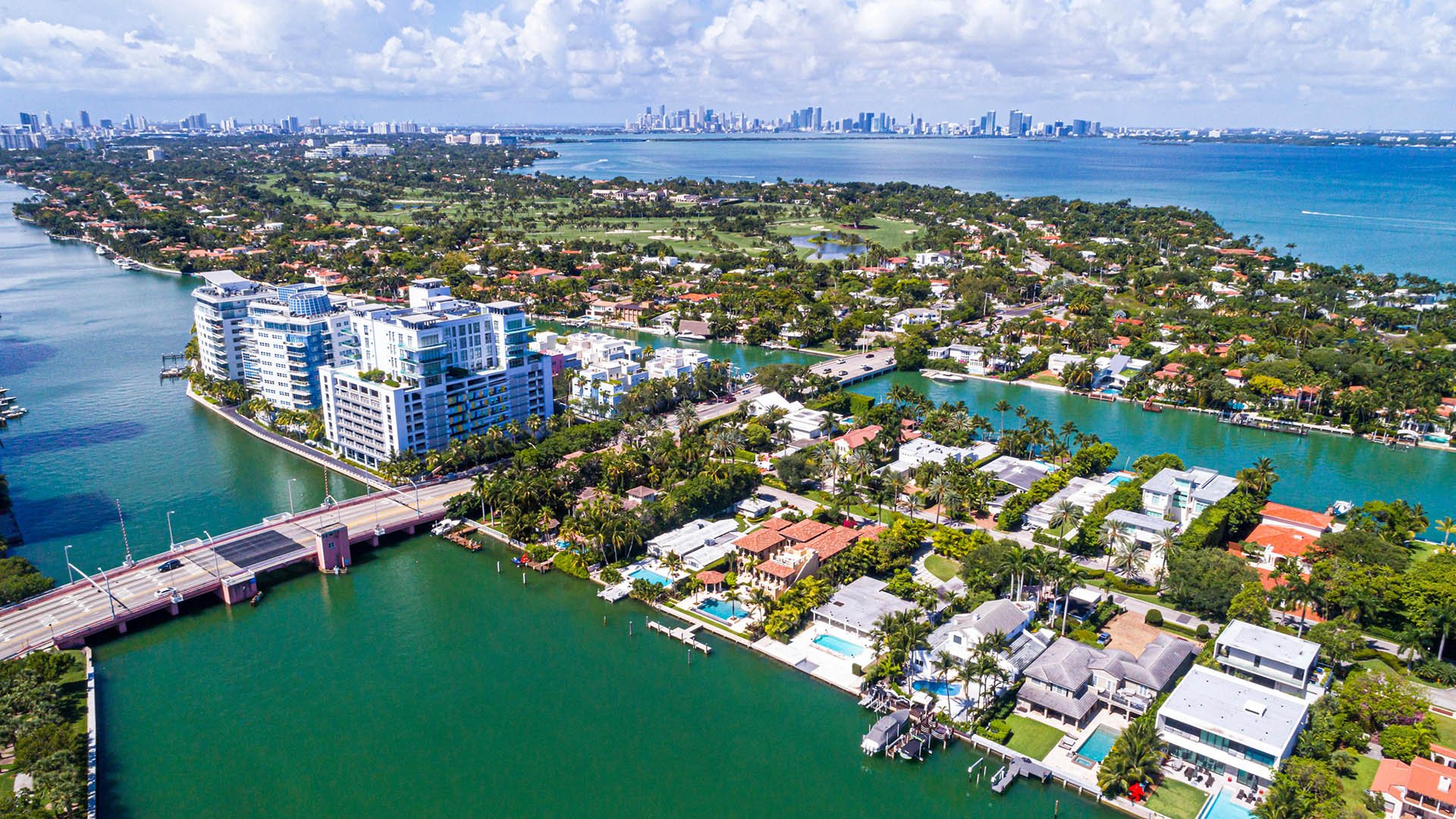
For many Latin American buyers, South Florida real estate is more than a place to live. It is a lifestyle decision, a capital-preservation strategy, a family base, and often a long-term bridge between hemispheres. Yet one contractual detail can quietly reshape the entire purchase experience: the financing contingency.
A financing contingency is often understood broadly as protection if a buyer cannot obtain a loan. In practice, its value depends on precise language, deadlines, lender requirements, notice procedures, and the type of property being acquired. A buyer who assumes the clause offers unlimited flexibility may find that the protection is narrower than expected.
This is especially important in the luxury market, where sellers and developers often prioritize certainty of closing. In prime neighborhoods such as Brickell, Miami Beach, Sunny Isles Beach, and Fort Lauderdale, a buyer’s ability to perform can matter as much as the headline offer price. The more refined the asset, the more carefully the financing pathway should be aligned before the contract is signed.
A common misunderstanding is that once a bank expresses interest, the buyer is protected. That is not always how a contract operates. A lender’s preliminary indication, pre-qualification, or even conditional approval may still leave open questions involving income verification, assets, property review, association documentation, insurance, title, or underwriting standards.
For Latin American buyers, the process can involve additional layers. Income may be earned abroad. Assets may be held in multiple jurisdictions. Documentation may need translation, certification, or clarification. Currency movement can affect the buyer’s preferred funding plan. None of these issues is unusual, but each can take time.
The contract, however, may not wait for every international documentation question to be resolved. If the financing contingency has a firm deadline, the buyer may need to act within that period or risk losing the ability to cancel under that clause. The critical point is not whether financing is generally possible. It is whether the contract language gives the buyer enough time and clearly defined rights if financing is not obtained as required.
The financing conversation changes depending on whether the buyer is pursuing resale, new construction, or Pre-Construction. A completed condominium may require review of building documents and association matters. A single-family estate may raise different insurance, appraisal, and property-condition questions. A developer contract can contain its own rhythm, deposit structure, and closing mechanics.
In Brickell, where buyers compare urban residences such as 2200 Brickell with branded or waterfront towers, timing is often part of the strategy. A buyer may want the flexibility of financing while also presenting an offer that appears clean and decisive. That balance should be designed, not improvised.
In Miami Beach, the conversation may feel more lifestyle-driven, but the contract discipline is just as important. A buyer considering a highly curated setting such as The Perigon Miami Beach should understand whether financing is a condition to the purchase or merely part of the buyer’s private plan to fund the acquisition.
The most sensitive issue is often the deposit. Buyers naturally want to know whether a deposit is refundable if the loan does not materialize. The answer depends on the contract. A financing contingency may protect the deposit only if the buyer complies with the exact requirements, including application deadlines, documentation duties, lender standards, and written notice.
If the buyer misses a deadline or relies on assumptions that are not written into the agreement, the protection may weaken. If the contingency expires before final loan approval, the buyer may remain obligated even if financing later becomes more difficult. If the contract does not include a financing contingency at all, the buyer may be proceeding as though funds are available regardless of lender outcome.
For investment-minded purchasers, this matters because the contract is not simply a formality. It is the financial architecture of the deal. A sophisticated buyer should know in advance how much capital is at risk, when it becomes at risk, and what events actually allow the buyer to exit without forfeiture.
Latin American buyers are often highly organized, but cross-border wealth can be complex. Before signing, buyers should confirm which lender is being used, what documentation is required, whether foreign income is acceptable, how assets will be verified, and whether the selected property type fits the lender’s criteria.
This does not mean every buyer needs to finance. Many purchasers prefer liquidity management, borrowing against global assets, or preserving cash for business and family planning. The key is to decide whether financing is a contractual condition or simply a private funding preference.
In Sunny Isles Beach, where trophy towers such as Bentley Residences Sunny Isles attract global attention, the most polished buyers tend to arrive with their financing narrative already prepared. They know whether they are seeking a loan, whether they can close without one, and how much contingency protection they require.
A financing contingency can make an offer feel less certain to a seller. Removing it can make an offer stronger, but only if the buyer can truly perform without the loan. The mistake is treating the waiver as a negotiating flourish rather than a financial commitment.
There are middle-ground approaches. A buyer may shorten the contingency period, increase documentation readiness, provide a stronger proof-of-funds package, or structure the offer to show seriousness while preserving essential protections. The right approach depends on the property, the seller’s priorities, the buyer’s liquidity, and the lender’s reliability.
For a Fort Lauderdale buyer evaluating waterfront or marina-oriented living near projects such as St. Regis® Residences Bahia Mar Fort Lauderdale, a refined offer is not necessarily the least protected offer. It is the offer whose risks have been deliberately allocated.
Luxury buyers should treat the financing contingency as a team issue. The real estate advisor understands market positioning and negotiation tone. Counsel interprets contract language and deadlines. The lender evaluates underwriting, property eligibility, and timing. When those voices are not aligned, the buyer can sign a contract that the financing plan does not support.
The best time to identify limitations is before the offer is submitted. Can the buyer satisfy documentation requests quickly? Is the lender familiar with foreign income or international assets? Is the property type acceptable for the intended loan? Does the contract allow enough time for review? If a financing denial occurs, what must the buyer do to preserve rights?
The goal is not to discourage financing. It is to ensure that financing is treated with the same care as architecture, location, view, and amenities.
Before signing, a Latin American buyer should ask several direct questions. Is the purchase contingent on financing or not? What is the exact deadline for loan approval or cancellation? What type of loan approval satisfies the contract? What notice must be delivered if financing is not obtained? What happens to the deposit if the buyer cannot close?
The buyer should also confirm whether any currency conversion, international transfer, entity structure, tax planning, or family-office approval could affect timing. These are not obstacles when addressed early. They become problematic only when discovered after contractual deadlines have begun.
A disciplined purchase process allows the buyer to enjoy the emotional side of South Florida real estate without ignoring the contractual side. The residence may be chosen for water, privacy, design, or proximity to family. The contract should be chosen for clarity.
What is a financing contingency? It is contract language that may allow a buyer to cancel if financing is not obtained under specified conditions.
Does a financing contingency always protect my deposit? Not automatically. Protection depends on the exact wording, deadlines, and required buyer actions.
Can a Latin American buyer finance a South Florida purchase? Many international buyers explore financing, but eligibility depends on lender standards, documentation, and the property.
Is pre-qualification enough before signing? It may not be enough. Buyers should understand what the contract requires and what the lender has actually approved.
Why do deadlines matter so much? A contingency can expire. Once it expires, the buyer may have fewer options if financing later becomes unavailable.
Should I waive financing to make my offer stronger? Only if you can close without the loan or fully understand the risk of proceeding without that protection.
Do developer contracts handle financing differently? They can. Buyers should review deposit obligations, timing, and cancellation rights before signing any new-development agreement.
What documents should international buyers prepare early? Buyers often need organized proof of assets, income materials, identification, and any lender-specific documentation.
Who should review the financing contingency? Counsel should review the contract, while the lender and advisor should confirm that the timing and strategy are realistic.
What is the best first step before making an offer? Clarify whether financing is essential, optional, or irrelevant to closing, then structure the offer around that reality.
For a discreet conversation and a curated building-by-building shortlist, connect with MILLION.
If branded residences are on your mind — as a home or as an allocation — we would be glad to share what we are seeing, privately.
Begin a quiet conversation