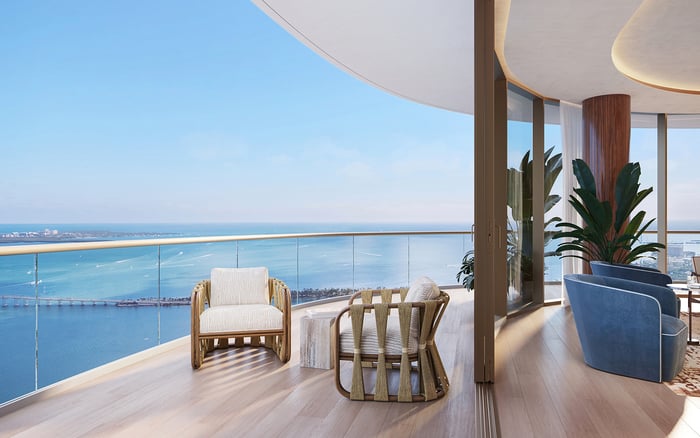
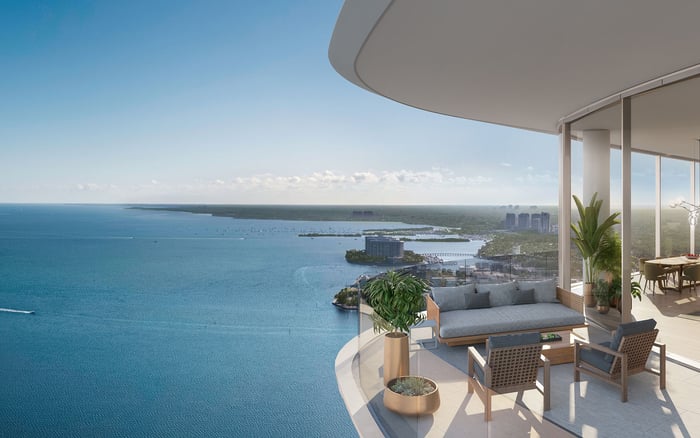
For discerning Miami condo buyers, a postcard view is only part of the equation. The condition, quality, and replacement path for exterior glass can influence comfort, liquidity, carrying risk, and the long-term integrity of a luxury residence.

In Miami, the view has long been treated as a form of currency. Biscayne Bay, the Atlantic horizon, a glittering Brickell skyline, or a low sweep over palms and marinas can turn a residence from merely desirable into something emotionally irresistible. Yet the most sophisticated buyers are increasingly looking beyond the first impression. Before they pay a premium for the panorama, they want to understand the glass.
That shift is not about being less romantic. It is about being more precise. A luxury condominium is a living environment, an asset, and a structure exposed to intense coastal conditions. If the exterior glass is tired, underperforming, difficult to replace, or subject to building-wide coordination, the most beautiful view can come with uncertainty. For a buyer comparing two residences, the one with a slightly less dramatic outlook but a clearer glass history may feel like the more intelligent acquisition.
This is especially true in high-design markets where glass is not merely a window. It is an architectural skin, a sound filter, a climate boundary, and the frame through which daily life unfolds. In a refined Brickell residence such as The Residences at 1428 Brickell, buyers tend to think about the total experience of light, privacy, and performance, not just the angle of the skyline.
A view is visible in the first ten seconds of a showing. Glass condition often reveals itself more slowly. Buyers may notice haze, seal concerns, wind noise, uneven temperature, or condensation patterns only after spending time in the residence. They may also discover that replacement is not a simple matter of ordering new panes. In many condominium buildings, exterior glass sits within a broader architectural and association framework, which can involve approvals, specifications, access logistics, and coordination with other work.
For luxury buyers, the question becomes simple: how much control do I have over the environment I am buying? A commanding water view can lose some of its appeal if the glass between the owner and that view is a pending project. Conversely, a residence with crisp, well-maintained openings and an orderly replacement history may feel calm, complete, and easier to own.
This is why seasoned buyers rarely evaluate a residence by view line alone. They ask about the age and condition of the windows and doors, the status of balcony sliders, the building’s replacement rules, the permitted specifications, and whether prior work was completed cleanly. They also want to know whether any future replacement would disrupt interiors, require special staging, or affect use of the home during peak seasonal months.
Glass replacement can be more than a design update. It can affect timing, budgeting, negotiations, and the buyer’s appetite for a particular building. When a residence needs glass attention, the buyer is not only considering the cost of materials and labor. They are also considering uncertainty: who approves the work, how long it might take, whether the building has preferred standards, and whether neighboring units have faced similar issues.
In the resale market, this becomes part of the value conversation. Two condos may share a similar line, floor height, and exposure, yet differ meaningfully in ownership quality if one has already addressed exterior openings and the other has not. A buyer may accept a less iconic angle if the more famous view comes with a looming project.
This does not mean older buildings should be dismissed. Some established towers have excellent bones, strong management, and residences that have been thoughtfully updated. But buyers should separate aesthetic staging from envelope condition. New flooring, lighting, and millwork may create a polished first impression, while the glass quietly carries the larger ownership question.
Oceanfront buyers understand that beauty and exposure often arrive together. The same openness that delivers luminous blue horizons also places greater importance on the materials that mediate the outdoors. In Miami Beach and nearby coastal enclaves, an apartment’s serenity depends on how well the residence handles sun, wind, sound, and seasonal intensity.
That is why buyers drawn to contemporary waterfront living often study the relationship between facade, terrace, and interior plan. A residence at The Perigon Miami Beach, for example, is part of a conversation about architecture, light, and how glass supports the experience of living near the water. The view may attract the buyer, but the quality of enclosure helps determine whether the home feels restful.
In Sunny Isles, where vertical living and water views are central to the luxury identity, the same logic applies. Buyers considering St. Regis® Residences Sunny Isles may be drawn by brand, setting, and elevation, yet they still benefit from disciplined questions about facade systems, terrace doors, and long-term maintenance expectations.
New construction does not eliminate diligence, but it can simplify certain questions. In a new development, buyers are often evaluating a fresh building envelope rather than interpreting decades of maintenance history. They can focus on specifications, warranties, design intent, and the relationship between glass, shade, terraces, and interior comfort.
That clarity is one reason some buyers prefer new or recently delivered residences even when an established tower offers a more familiar address or a slightly stronger view. The tradeoff is not always emotional. It may be strategic. A buyer may decide that newer glass condition, cleaner documentation, and fewer near-term unknowns justify choosing a different sightline.
The same thinking can apply beyond Miami’s core. At Glass House Boca Raton, the very language of the project invites buyers to think about transparency, architecture, and the role of glass as an experiential feature. In today’s market, that architectural promise should be paired with buyer diligence around materials, installation standards, and future maintenance.
A practical comparison begins with the residence, then expands to the building. Inside the unit, buyers should inspect windows, sliders, frames, seals, tracks, and transitions to terraces. They should experience the home at different times of day if possible, noting glare, heat, acoustics, and how the interiors feel as sunlight shifts.
At the building level, the focus should be governance. What replacement standards are allowed? Are owners required to use certain products or contractors? Has the building recently coordinated similar work? Are there pending discussions that could affect exterior systems? Are there assessments, capital projects, or rules that might change the ownership timeline?
The most valuable answer is not always a perfect yes or no. It is clarity. Luxury buyers can handle cost when it is known. They are less comfortable with ambiguity, especially when that ambiguity touches the exterior envelope of a high-rise residence.
When glass condition becomes a concern, buyers should resist reducing the issue to a simple price concession. A discount may be useful, but it does not solve logistics. A stronger negotiation considers timing, responsibility, documentation, and risk allocation. If work has been completed, buyers should review permits, approvals, warranties, and records. If work is pending, they should understand what is actually involved before assigning value.
Sellers, meanwhile, should recognize that polished interiors cannot fully offset uncertainty at the glass line. In the upper tier, buyers are not only purchasing aesthetics. They are purchasing ease. A residence that presents clean documentation and a coherent maintenance story can feel more compelling than one relying entirely on its view.
This is where advisory quality matters. The right questions can reframe the search from emotional touring to disciplined selection. The best outcome is not simply the prettiest outlook. It is the residence that delivers the view with confidence.
Why would a buyer care more about glass than the view? Because glass affects comfort, maintenance risk, future cost, and daily livability. A spectacular view can be undermined by uncertain window or slider conditions.
Does this mean buyers should avoid older Miami condos? No. Older buildings can be excellent purchases when maintenance history, approvals, and replacement standards are clear.
What should buyers inspect first? Buyers should look at window clarity, frames, seals, slider tracks, terrace doors, sound, and temperature consistency inside the residence.
Can glass replacement affect negotiations? Yes. It may influence price, closing terms, documentation requests, or the buyer’s willingness to proceed.
Is a better view always worth a higher price? Not always. A lesser view with stronger ownership fundamentals may be the more rational luxury purchase.
Should buyers ask the condo association about glass rules? Yes. Association standards can shape what may be replaced, how work is approved, and which specifications are acceptable.
Do balcony doors matter as much as windows? Often, yes. Balcony sliders are part of the daily living experience and can affect sound, ease of use, and interior comfort.
Is new construction automatically safer from glass concerns? Not automatically. It may reduce some uncertainty, but buyers should still review specifications, warranties, and delivery quality.
How does oceanfront exposure change the conversation? Oceanfront living places greater emphasis on the performance of exterior materials because the residence is closely connected to coastal conditions.
What is the best mindset for a Miami condo search? Treat the view as one part of the asset, then study the glass, building standards, and long-term ownership profile with equal care.
If you'd like a private walkthrough and a curated shortlist, connect with MILLION.
If branded residences are on your mind — as a home or as an allocation — we would be glad to share what we are seeing, privately.
Begin a quiet conversation