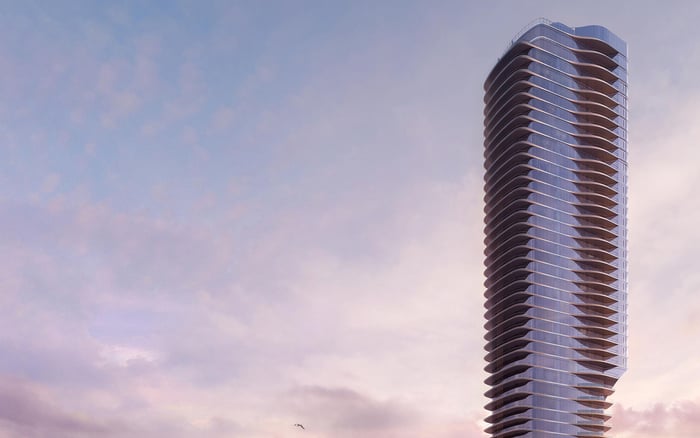
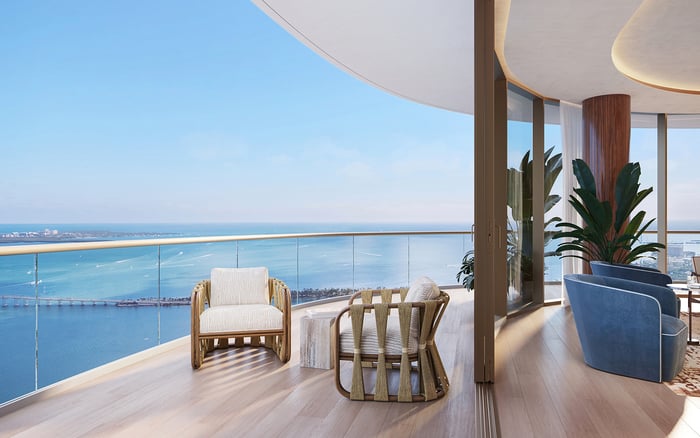
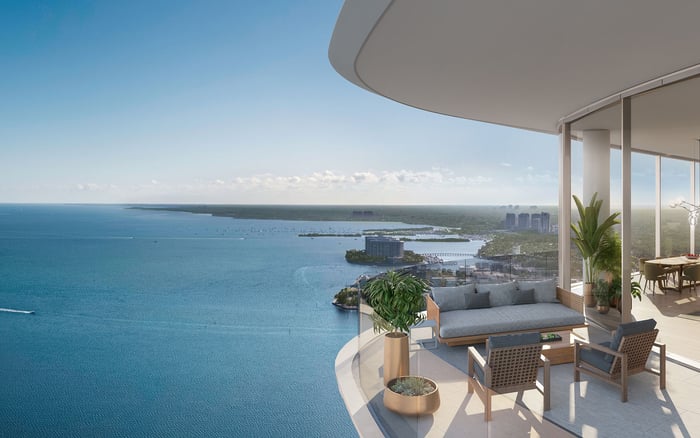
A refined look at what hurricane season actually means inside South Florida’s luxury towers, from impact glazing and balcony lockdowns to evacuation orders, insurance pressure, and post-storm reentry delays.
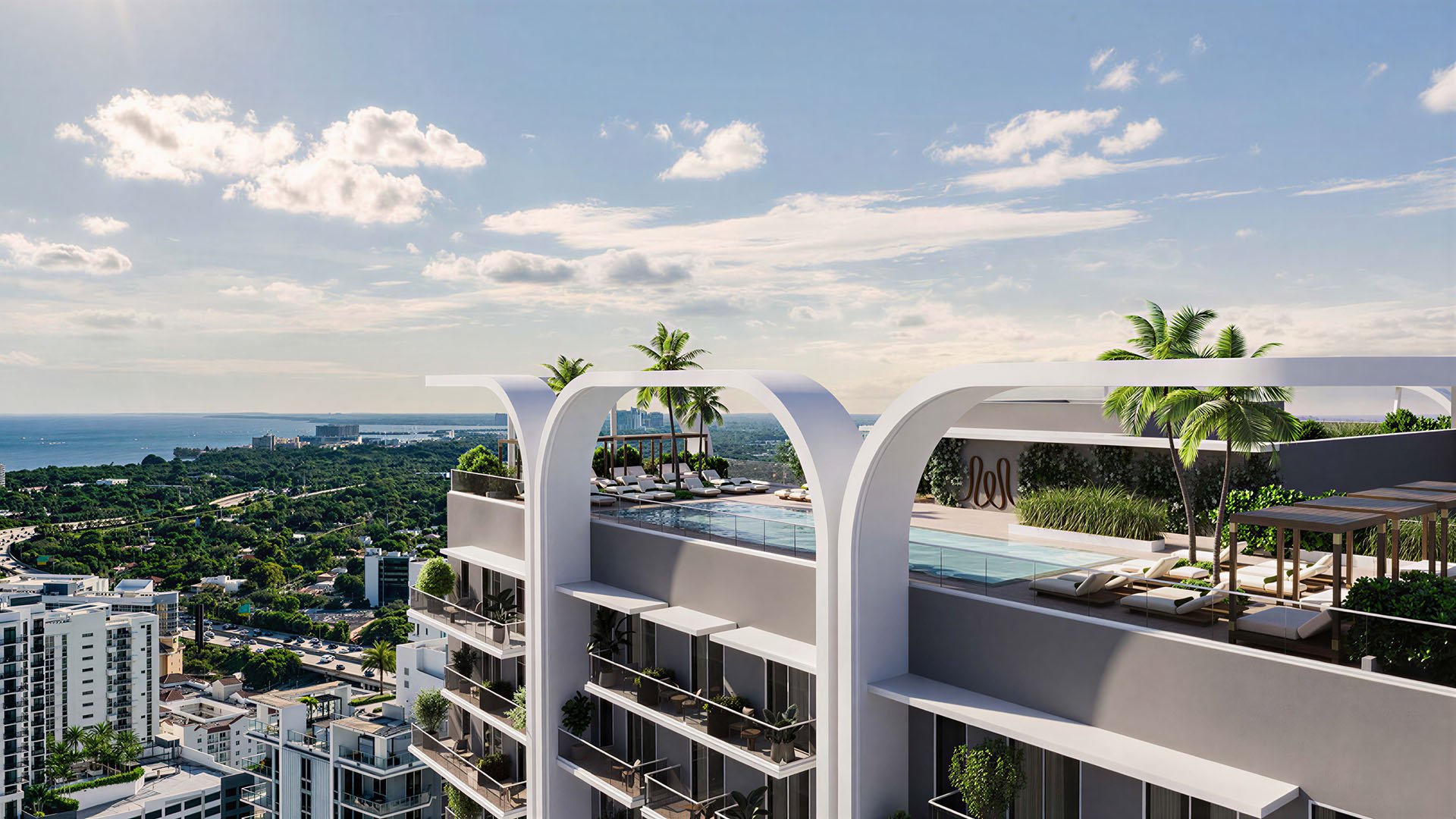
In South Florida, hurricane-season living in a luxury tower is less about spectacle than systems. The architecture may be sculptural, the views cinematic, and the services highly curated, but when a named storm enters the forecast, daily life quickly narrows to building rules, protective measures, and timing.
That distinction matters for buyers who imagine a high-rise as inherently insulated from storm realities. In truth, a well-built tower can offer meaningful resilience, especially when it is engineered in reinforced concrete and steel and designed to meet Florida’s wind-load requirements. Yet resilience is not immunity. Coastal exposure, storm surge, flooding, access restrictions, insurance terms, and post-storm inspections still shape the ownership experience.
This is why sophisticated buyers increasingly ask not only about finishes and amenities, but also about envelope condition, management protocols, generator priorities, and the practical details of reentry after a storm. In towers such as The Perigon Miami Beach or St. Regis® Residences Brickell, the luxury conversation now naturally includes building readiness.
The baseline begins with code. Florida’s building framework establishes the core expectations for hurricane resilience in coastal high-rise construction, and Miami-Dade applies additional local requirements that have become especially influential in storm-exposed markets. In practical terms, that means newer towers are typically designed with wind resistance and windborne-debris protection already integrated into the building envelope.
For many newer residences, that translates to impact-resistant glazing rather than the traditional shutter systems long associated with pre-storm preparation. Buyers touring sleek oceanfront or bayfront projects often notice the uninterrupted glass first, but the more important point is that these assemblies are part of a code-driven protective strategy, not simply an aesthetic choice.
That does not mean every building performs the same way. Newer construction and older stock should be evaluated differently. In an established tower, the most consequential vulnerabilities can be less dramatic than broken glass and more insidious than wind itself: aging seals, compromised caulking, and deferred exterior-envelope maintenance that allow water intrusion during prolonged wind-driven rain.
This is one reason discerning purchasers in areas such as Sunny Isles, Miami Beach, and Brickell now review board documents and maintenance histories with greater discipline. A residence in Jade Signature Sunny Isles Beach may present a very different preparation profile than an older waterfront building that has relied on piecemeal upgrades over time.
Once a storm path becomes credible, luxury towers typically shift into a controlled operational mode. Management communications become more frequent. Residents receive property-specific instructions, emergency contact reminders, and deadlines for securing units and balconies.
This is where luxury living becomes unexpectedly procedural. Outdoor furniture, planters, decorative objects, and any loose balcony items generally need to be brought inside. Common areas may be stripped down or closed in phases. Roof equipment, garage areas, and vulnerable building systems are often secured well before conditions deteriorate. After a certain point, normal access to amenities, valet operations, service deliveries, and even some resident movement through the building may be limited.
For owners, the most important discipline is simple: follow building instructions precisely and early. The towers that feel calmest before a storm are usually the ones with clear communications, strong compliance, and little improvisation. In projects that emphasize elevated waterfront living, such as Una Residences Brickell, that operational clarity can be every bit as important as the design itself.
One of the most persistent misconceptions in coastal ownership is that a luxury tower somehow places residents outside the normal rules of evacuation. It does not.
If a building sits within an evacuation zone, residents may be ordered to leave based on storm surge, flooding risk, or broader local hazards. The fact that a unit is on a high floor does not erase the vulnerability of the site below. Garages, lobbies, mechanical spaces, and access roads remain exposed to water, and those lower-level systems often determine whether a building can function after the storm.
This reality is especially relevant in low-lying coastal enclaves and waterfront districts where the tower itself may be robust, but the surrounding environment is the true operational challenge. Residents at oceanfront addresses like 57 Ocean Miami Beach may enjoy extraordinary elevation and design, but storm-season planning still begins at grade: road access, flood exposure, and official orders.
The shorthand question is often, “Does the building have shutters?” In many contemporary luxury towers, the more accurate question is, “What protective window and door system is in place, and how current is it?”
Newer buildings commonly rely on impact-resistant glazing designed for debris protection. Older towers may still use shutters, partial retrofits, or supplementary film. Film can play a role in some retrofit strategies, but it is not a substitute for a full impact-rated window or shutter system. Buyers should think in terms of complete envelope performance rather than any single product.
A second question is equally important: when was the exterior envelope last inspected and maintained? In hurricane season, water intrusion can become the defining issue. Wind-driven rain penetrating around windows, doors, or wall assemblies may lead to interior damage, electrical concerns, and mold remediation long after the skies clear.
Another point of confusion is generator capability. In many multifamily high-rises, backup power is designed first around life-safety systems and essential common operations. That may include emergency lighting, fire and safety infrastructure, select elevators, and limited building functions. It does not necessarily mean full air-conditioning, normal kitchen use, or seamless in-unit comfort.
For luxury owners, that distinction is crucial. A beautifully serviced building may still feel highly constrained after landfall if utility restoration lags. Residents should understand what the generator actually supports, how long fuel continuity is expected to last under normal protocols, and which services are suspended during storm response.
Storm-season reality is no longer confined to architecture and operations. It is also financial. Across Florida’s coastal residential market, insurance has become more expensive, underwriting has grown more selective, and hurricane deductibles can be materially high even for affluent owners.
Insurers increasingly focus on building condition, maintenance discipline, and code compliance when evaluating coastal risk. That means a tower’s management culture can influence ownership costs almost as much as its address. Buyers reviewing a unit in Brickell, Miami Beach, or Fort Lauderdale should weigh reserve planning, repair history, and resilience-related documentation with the same seriousness they give views and floor plans.
In other words, the market is beginning to price preparedness more explicitly. Well-run buildings with a disciplined approach to maintenance and storm protocol may hold an advantage in both buyer confidence and long-term carrying costs.
Even when a tower performs well structurally, reentry is rarely immediate. After a major storm, buildings may require inspections for structural concerns, electrical safety, water intrusion, and moisture-related damage before residents can fully return to normal occupancy.
This can be frustrating for owners accustomed to frictionless service, but it is a prudent part of post-storm operations. Moisture that enters through compromised openings or façade assemblies can trigger hidden damage and mold issues if not addressed quickly and correctly. In older towers especially, the post-storm phase often reveals the difference between a building that merely survived and one that remained truly operational.
For buyers, that is the larger lesson of hurricane-season living in a luxury tower. The premium is not simply for architecture. It is for the unseen rigor behind it: codes, inspections, communications, envelope maintenance, flood awareness, and management that can execute calmly under pressure.
Do luxury towers in South Florida still use shutters? Many newer towers rely on impact-resistant glazing instead of traditional shutters, though some older buildings still use shutter systems or partial retrofits.
Can I stay in my unit during a hurricane if I live on a high floor? Not necessarily. If the building is in an evacuation zone, residents may still be required to leave based on surge and flooding risk.
What should I do with balcony furniture before a storm? Bring in loose items early and follow building instructions closely. Balcony objects can become hazards in high winds.
Are newer luxury towers safer than older ones? Newer towers often benefit from more current code-driven design, but actual performance also depends on maintenance, management, and site exposure.
Does impact window film count the same as impact-rated glass? No. Film may be part of a retrofit approach, but it is not equivalent to a full impact-rated window or shutter system.
Will the backup generator keep my apartment fully comfortable? Usually not. In many high-rises, generator power prioritizes life safety and essential common systems rather than full in-unit comfort.
Why does flooding matter if I live far above the ground? Because garages, lobbies, mechanical areas, and access points are typically at or near ground level and can affect the whole building’s operation.
What should buyers review before purchasing in a coastal tower? Look closely at building condition, maintenance records, storm procedures, insurance structure, and resilience-related documentation.
Can residents return immediately after a storm passes? Often not. Buildings may need safety and damage inspections before management allows normal reoccupation.
Does hurricane season affect ownership costs? Yes. Insurance premiums, deductibles, and underwriting scrutiny are now a significant part of luxury tower ownership in coastal markets.
For a confidential assessment and a building-by-building shortlist, connect with MILLION Luxury.
If branded residences are on your mind — as a home or as an allocation — we would be glad to share what we are seeing, privately.
Begin a quiet conversation