A buyer-focused comparison of The Delmore Surfside and Setai Residences Miami Beach, exploring how wellness design, natural light, humidity control, and invisible building performance are redefining luxury ownership on the coast.
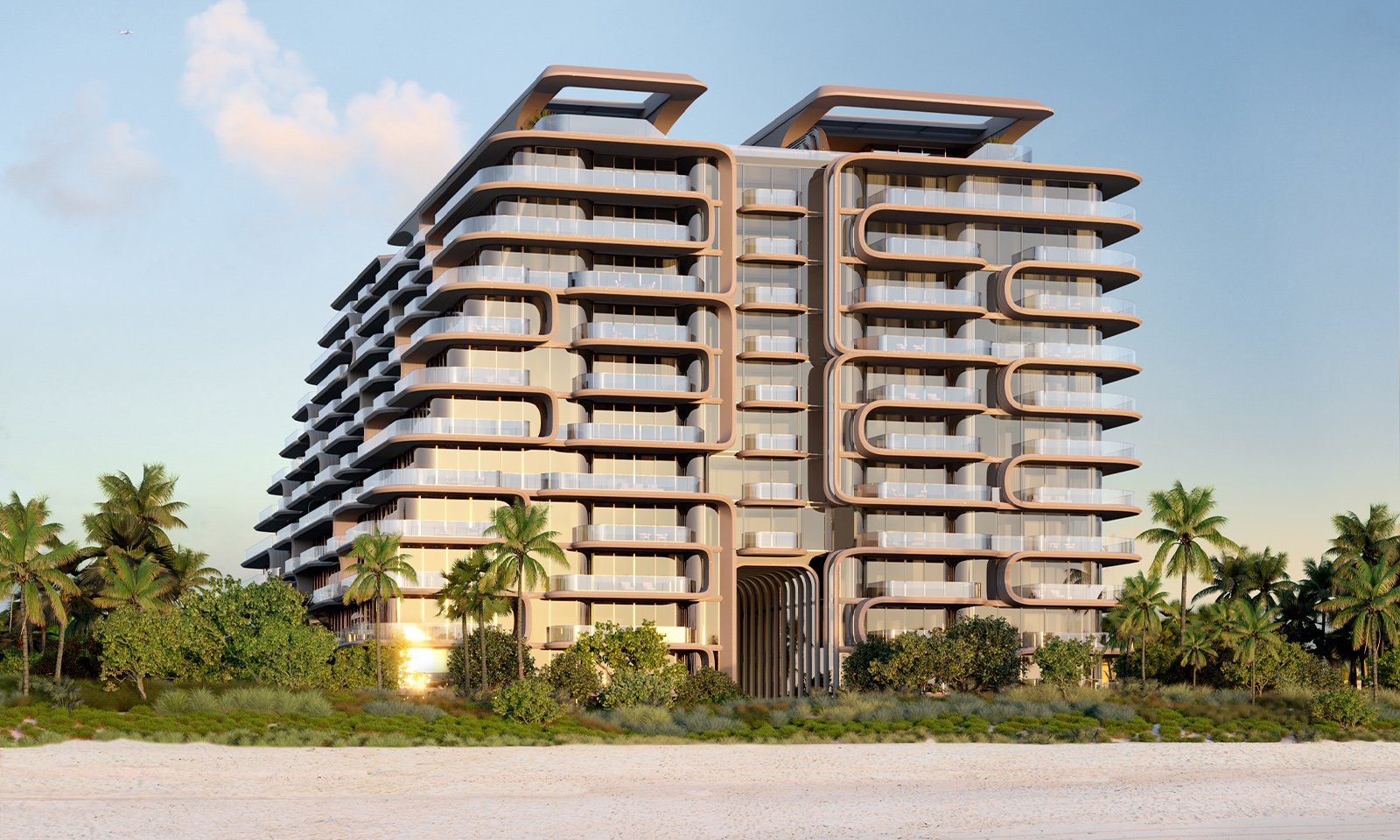
For the South Florida buyer, wellness is no longer confined to a spa menu, a treatment room, or a morning swim. It is becoming a daily condition of ownership, felt in the steadiness of indoor air, the softness of natural light, the quiet of a bedroom, and the way valuable interiors endure in a coastal climate. That is what makes the comparison between The Delmore Surfside and Setai Residences Miami Beach so relevant.
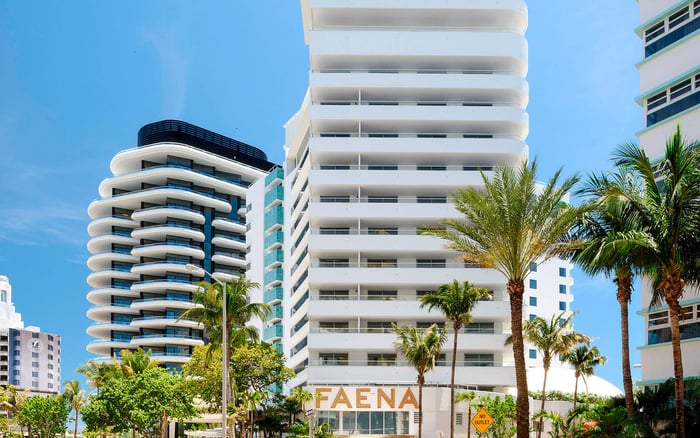
Setai Residences Miami Beach is an established Miami Beach luxury icon, defined by resort living, hotel-style service, pools, spa-oriented amenities, and an Asian-inspired minimalist design language. The Delmore Surfside represents a newer luxury conversation in Surfside, where wellness is treated as a central organizing principle rather than an amenity added after the fact.
This is not a simple old-versus-new comparison. It is a shift in what ownership is expected to deliver. The Setai model is hospitality-led: immersive, serviced, atmospheric, and deeply tied to lifestyle identity. The Delmore model is performance-led: attentive to natural light, humidity management, indoor air quality, and long-term comfort in a coastal environment.
In oceanfront ownership, natural light has always carried glamour. Morning light over the water, long reflections across stone floors, and the shifting color of the sky all contribute to the emotional value of a residence. But sophisticated buyers now ask a more precise question: how does that light behave throughout the day?
The answer matters because light affects comfort, sleep rhythms, art placement, fabric selection, cooling demands, and the way rooms are actually used. A residence that photographs beautifully at noon may not live as beautifully across seasons, entertaining hours, and quiet weekday mornings. This is why daylight modulation has moved into the luxury conversation rather than remaining a purely architectural detail.
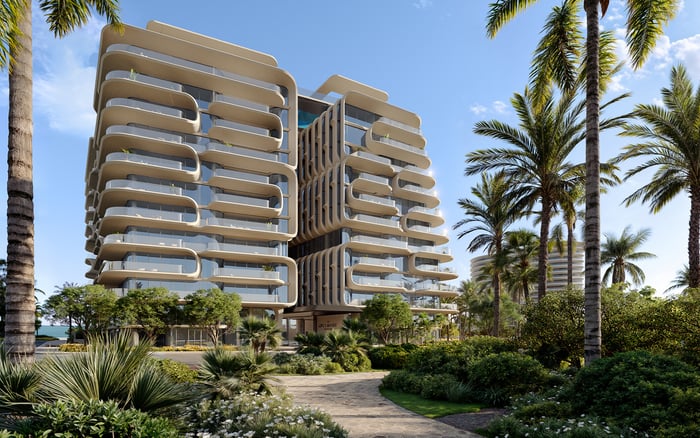
At The Delmore Surfside, the broader appeal lies in a next-generation approach to wellness-forward design priorities. The point is not simply that a buyer wants more glass or brighter rooms. The point is to understand how façade thinking, ventilation strategies, and light control can shape daily life without requiring the owner to constantly adapt around the building.
Setai Residences Miami Beach approaches light through a different lens. Its design identity is immersive and composed, with a minimalist atmosphere that supports calm, resort-style living. The experience is less about a newly stated performance framework and more about entering a complete hospitality environment where light, service, and setting share one lifestyle language.
In Surfside and Miami Beach, humidity is not a minor operational concern. It is part of coastal ownership. It affects how a residence feels when an owner returns after travel, how millwork performs, how wardrobes are preserved, how art is protected, and how finishes age over time. For ultra-premium owners, moisture resilience is not merely comfort. It is stewardship.
This is where invisible luxury becomes decisive. The most valuable qualities in a residence are often the least visible during a first showing: indoor air quality, thermal stability, acoustics, lighting quality, and the ability of the home to feel composed in a humid coastal setting. These attributes may not announce themselves like a lobby or pool deck, yet they can determine whether ownership feels effortless or demanding.
The Delmore Surfside is especially useful as a lens for this newer expectation. Buyers considering wellness-forward coastal residences are increasingly focused on how a building supports long-term comfort, not just how it performs in a presentation. They are asking whether the home feels fresh, stable, and protected, especially when filled with custom furnishings, fashion collections, art, and sensitive materials.
Setai Residences Miami Beach answers with a different kind of confidence. It offers the familiarity of an established luxury icon and the service structure of a resort environment. For owners who value a hotel-style rhythm, spa-oriented amenities, and the social identity of a recognized Miami Beach address, that experience remains powerful.
The Setai ownership experience is rooted in atmosphere. Its condo-hotel character, resort lifestyle, pools, service culture, and Asian-inspired minimalism create an immediate sense of place. For many buyers, that is the point. Ownership is connected to arrival, ritual, staff familiarity, and the feeling that daily life can be folded into a larger hospitality setting.
The Delmore Surfside speaks to a buyer who may still want elegance, privacy, and oceanfront presence, but is increasingly attentive to the residence as a wellness environment. The question becomes less, “What amenities are available?” and more, “How does the building support the body, the interiors, and the long-term ease of living?”
This difference is visible across the broader coastal market. Buyers comparing Surfside and Miami Beach may also study residences such as Eighty Seven Park Surfside or The Perigon Miami Beach, not only for location or architecture, but for how each frames privacy, light, air, and daily comfort. The luxury vocabulary is expanding from amenities to performance.
Oceanfront buyers should be especially attentive to this distinction. A dramatic arrival sequence has value, but so does the quiet ability of a home to remain comfortable after a stormy week, a humid summer day, or a month when the owner is abroad. Terrace living, art walls, wardrobe rooms, and custom millwork all depend on the invisible conditions that surround them.
The right choice depends on the buyer’s daily pattern. If the priority is an established Miami Beach icon with resort service, spa-oriented amenities, pools, and a strong design identity, Setai Residences Miami Beach remains a compelling benchmark. It is for the owner who wants hospitality to sit at the center of the residence experience.
If the priority is a newer Surfside ownership model where wellness is integrated into the way the residence is conceived, The Delmore Surfside will likely feel more aligned. It is for the buyer who views health, comfort, humidity management, natural light, and indoor air quality as part of the home’s value proposition.
Neither approach is superficial. Both respond to legitimate luxury desires. The distinction is that one emphasizes the romance of resort living, while the other reflects the growing belief that the best homes should quietly protect the owner’s time, body, collections, and peace of mind.
For South Florida’s most discerning purchasers, the next phase of luxury will not be defined only by larger amenity decks or more recognizable brands. It will be defined by how well a residence lives when no one is watching: the air after the doors close, the light at breakfast, the calm in the bedroom, and the confidence that the home can handle the coast with grace.
Is The Delmore Surfside more wellness-focused than Setai Residences Miami Beach? The Delmore Surfside is positioned around a newer wellness-performance framework, while Setai is more closely associated with resort-style luxury and service.
Is Setai Residences Miami Beach still considered a luxury icon? Yes. Setai Residences Miami Beach remains an established Miami Beach icon known for resort living, service, pools, spa-oriented amenities, and minimalist design.
Why does humidity control matter in Surfside and Miami Beach? Humidity affects comfort, material durability, millwork, art, fashion collections, and the long-term condition of high-value interiors.
Does wellness design only mean spa amenities? No. In this context, wellness also includes natural light, indoor air quality, acoustics, thermal stability, and moisture resilience.
Which buyer is better suited to The Delmore Surfside? The Delmore Surfside may appeal to buyers who want wellness to be central to the ownership experience rather than an added amenity layer.
Which buyer is better suited to Setai Residences Miami Beach? Setai may suit owners who prioritize a serviced resort environment, strong design identity, and an established Miami Beach lifestyle.
Is this comparison simply about new construction versus an established building? No. The better framing is hospitality-led luxury versus deeper building-performance luxury in a coastal setting.
Why is natural light considered part of building performance? Natural light influences comfort, room usability, art placement, sleep patterns, and how a residence feels throughout the day.
Should buyers ask about indoor air quality before purchasing? Yes. Indoor air quality is increasingly part of the invisible luxury standard, especially in humid coastal residences.
Can both buildings appeal to the same buyer? Yes. A buyer may admire Setai for its hospitality identity while considering The Delmore for its wellness-forward ownership priorities.
When you're ready to tour or underwrite the options, connect with MILLION.
If branded residences are on your mind — as a home or as an allocation — we would be glad to share what we are seeing, privately.
Begin a quiet conversation