A discreet buyer’s guide to evaluating storm preparation services before committing to a long-term South Florida residence, from building protocols to private home staffing and post-storm access.
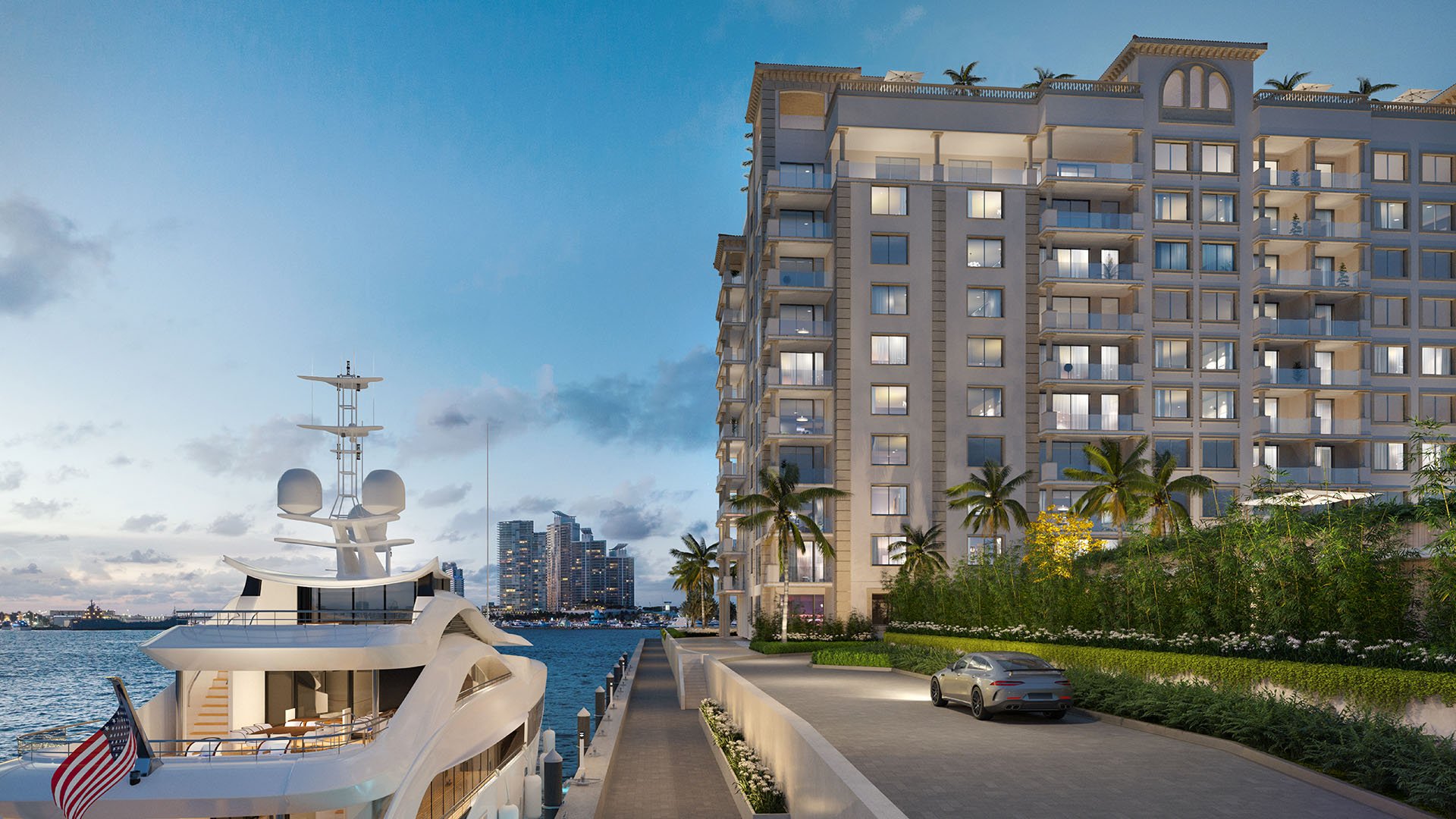
For buyers establishing a long-term South Florida base, storm preparation is not a peripheral maintenance issue. It is part of the architecture of ownership, especially for those who travel often, host family seasonally, or maintain more than one residence. A beautiful home may be compelling on tour, but the more revealing question is how it performs when the owner is away and the weather turns urgent.
This is where luxury due diligence becomes practical. Buyers should understand who is responsible for preparation, how quickly a residence can be secured, what building management will handle, and what remains the owner’s obligation. The goal is not to create anxiety. It is to make ownership feel composed.
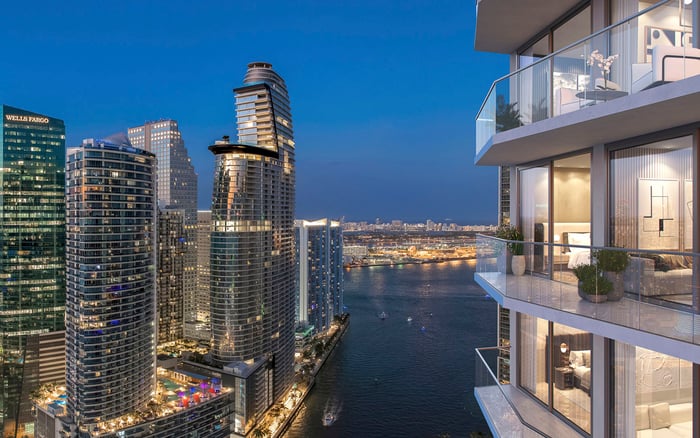
In the buyer’s guide conversation, storm preparation belongs beside views, floor plan, privacy, parking, and service. A waterfront purchase may offer the emotional reason to buy, but its long-term success depends on disciplined systems. In Brickell, for example, a buyer considering The Residences at 1428 Brickell should think beyond skyline drama and ask how the building coordinates resident communication, access, deliveries, and service vendors before and after severe weather.
Condominium buyers often assume that a full-service building will take care of everything. That assumption can be costly. Building protocols typically concern common areas, staff operations, elevators, garage access, lobby protection, amenity closures, and resident communications. They may not include preparing the interior of an individual residence, moving terrace furniture, checking windows, documenting valuables, or coordinating housekeepers and caretakers.
Private-home buyers face a different equation. The owner may need a dedicated estate manager, contractor contacts, landscape response, pool care, generator monitoring, exterior furniture storage, and post-storm inspection. In gated enclaves or single-family neighborhoods, community standards may influence timing and procedures, but the responsibility generally feels more personal.
The best approach is to map responsibilities before contract deadlines become emotional. Ask what is included, what must be contracted separately, and what can be placed on a recurring service calendar. A residence intended as a family base should have a living operating plan, not a vague promise that someone will handle it.
The most important question is simple: if you are away from South Florida, who secures the residence? A strong answer should include names, roles, access procedures, communication methods, and escalation steps. The buyer should understand whether management has keys, whether approved vendors may enter, how authorization is documented, and who provides photographic confirmation once work is complete.
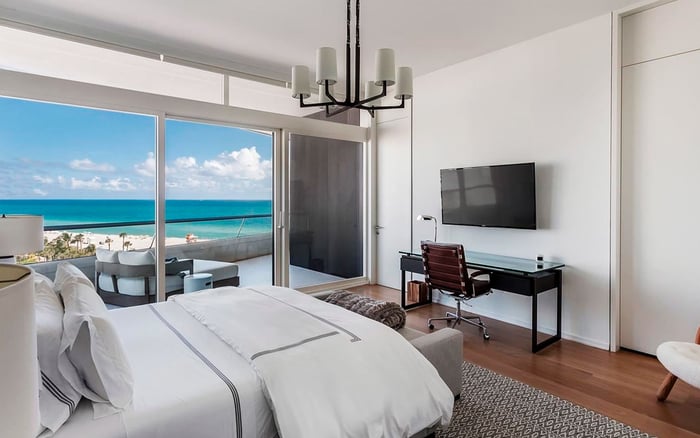
Ask about terrace and balcony policies. Outdoor furniture, planters, sculptures, grills, and movable design pieces may need to be brought inside or otherwise secured. For a residence with expansive outdoor living, this can be more involved than it appears during a calm showing. In Miami Beach, a buyer drawn to The Perigon Miami Beach should make terrace procedures part of the same conversation as finishes and views.
Ask how communication is delivered. Some owners prefer email, while others need direct calls, text alerts, or coordination through an assistant. For international buyers, time zones matter. For family offices, documentation matters. For discreet public figures, privacy and vendor control matter even more.
Finally, ask what happens afterward. Preparation is only half the story. Post-storm access, elevator status, garage conditions, deliveries, inspections, repairs, and cleaning all affect how quickly a residence returns to normal.
In luxury South Florida real estate, resilience is often discussed through architecture and construction. Buyers should also evaluate service culture. A calm, experienced staff can make a building feel orderly when conditions are uncertain. A vague or improvised system can make even a remarkable residence feel burdensome.
This is especially relevant for buyers who use South Florida as a seasonal or semi-permanent base. A primary resident may be present to respond in person. A second-home owner often relies on others. That reliance should be designed carefully, with clear authority, trusted access, and redundant communication.
In Sunny Isles Beach, vertical living attracts buyers who value both views and privacy. A residence such as St. Regis® Residences Sunny Isles invites the right diligence conversation: how does the building support owners who may not be present, and what additional private services should be retained to protect interiors, art, wardrobes, wine storage, and outdoor living areas?
Lifestyle is not separate from logistics. The most effortless homes are usually the best administered homes. Storm preparation services are one of the clearest ways to see whether that administration is real.
A long-term South Florida buyer should evaluate preparation by property type, location, and personal use pattern. A high-floor condominium may raise questions about elevators, glass, balcony contents, backup communication, and staff availability. A low-rise boutique building may raise different questions around access, parking, landscaping, drainage, and vendor capacity. A single-family waterfront estate may involve dock areas, generators, trees, outdoor kitchens, guest houses, staff quarters, and security systems.
The right questions also vary by geography. West Palm Beach buyers may be comparing a more residential rhythm with urban convenience, while Fort Lauderdale buyers may focus on marine lifestyle and access. Someone studying Alba West Palm Beach might evaluate how a waterfront setting pairs with management expectations, while a buyer considering Four Seasons Hotel & Private Residences Fort Lauderdale may frame the discussion around coordination and personal owner preferences.
The point is not to treat every property as risky. It is to recognize that every property has an operating personality. Some residences are designed for owners who want total privacy and will hire their own team. Others are more attractive to buyers who want a managed environment with clear building-level procedures. Neither is inherently superior. The correct choice depends on how the buyer lives.
Before signing, buyers should request or discuss the practical documents that govern seasonal preparation. These may include building rules, emergency contact forms, vendor access procedures, insurance coordination preferences, management communication protocols, and any owner checklists used by staff or private managers.
For a private residence, the buyer should consider a written property manual. It can identify shutoffs, storage locations, preferred vendors, alarm contacts, gate access, generator information, appliance details, service schedules, and instructions for art, technology, and specialty rooms. If staff changes, the home still retains institutional memory.
It is also wise to align storm preparation with closing timing. A buyer who closes shortly before an active weather period should not wait to build the service team. The first weeks of ownership are often consumed by design, furniture, memberships, schools, boats, and travel. Storm preparation can be missed because it feels operational rather than glamorous. In practice, it is one of the defining luxuries of the home: the ability to leave and return with confidence.
Should storm preparation be discussed before making an offer? It should be discussed early enough to influence terms, timing, and confidence. The more complex the residence, the earlier the conversation belongs.
Is a luxury condominium automatically easier to prepare than a house? Not always. Condominiums may simplify common-area coordination, but interiors, terraces, and owner-specific needs still require planning.
What should second-home owners prioritize? They should prioritize trusted access, clear authorization, rapid communication, and documented post-storm inspection procedures.
Are terrace furnishings a major issue? They can be. Buyers should ask who moves, secures, stores, and confirms the condition of outdoor furnishings and decorative pieces.
Should buyers hire a private property manager? Many long-distance owners benefit from one, especially when the residence includes valuable interiors, outdoor areas, or complex systems.
What is the role of building management? Building management typically coordinates building operations and communications. Buyers should confirm what does and does not extend into the private residence.
How should international buyers handle time-zone issues? They should appoint a local decision-maker or manager with authority to act quickly and provide concise updates.
Does storm preparation affect resale appeal? A well-documented operating history can support buyer confidence, especially for homes intended as seasonal or long-term bases.
What should be reviewed during due diligence? Review access rules, service responsibilities, communication protocols, insurance coordination preferences, and any owner preparation checklists.
What is the ultimate goal of preparation services? The goal is calm ownership: a residence that can be secured, checked, and restored without improvisation.
For a discreet conversation and a curated building-by-building shortlist, connect with MILLION.
If branded residences are on your mind — as a home or as an allocation — we would be glad to share what we are seeing, privately.
Begin a quiet conversation