A discreet buyer’s guide to allocating cash after selling a northern estate, with special attention to frequent guests, layout discipline, liquidity, and South Florida area selection.
For many sellers of a northern estate, the move to South Florida begins with a deceptively simple question: how much of the proceeds should go into the next residence? The sharper question is quieter and more strategic: how will the home function when guests arrive often, stay longer, and expect the privacy that made the previous estate work so well?
Frequent guests change the entire allocation model. A buyer who entertains occasionally can prioritize view, finish, and address. A buyer whose grown children, friends, parents, business guests, or seasonal visitors arrive in waves needs a different lens. The residence must absorb people gracefully without turning the primary suite into the front desk of a private inn.
This is where cash discipline matters. Sale proceeds should be considered in several buckets: acquisition capital, closing and transition costs, furnishings, technology, insurance and maintenance reserves, staff or service needs, and an uncommitted liquidity reserve. The precise proportions belong with the buyer’s advisory team, but the principle is universal. Do not let the excitement of a South Florida address consume the flexibility that made the move possible.
A home that works beautifully for two owners can become strained when six or eight people are in residence. Guest patterns affect bedroom count, bathroom placement, terrace usability, parking, elevator privacy, kitchen capacity, storage, laundry, arrival flow, and proximity to airports, clubs, marinas, restaurants, medical care, and private schools.
The key is to define use before touring. How many guests come at once? Do they travel with children? Do they expect beach access, boating, golf, dining, or quiet? Will they stay for long weekends, winter breaks, or several weeks? Will anyone work remotely from the residence? The answers determine whether cash should go into more interior square footage, a larger terrace, a single-family layout, or a full-service condominium with hospitality-style support.
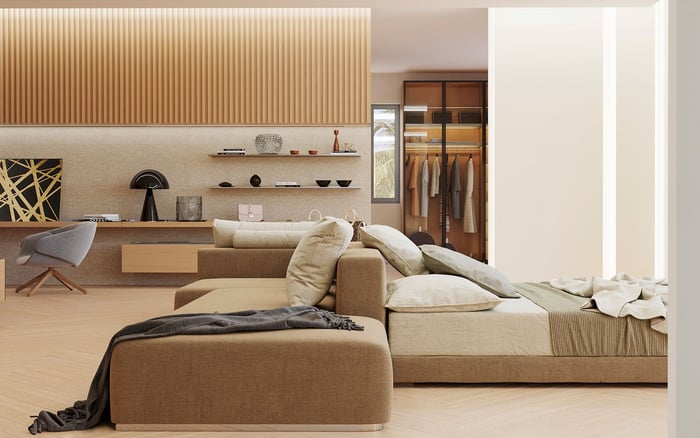
The wrong allocation often appears generous on paper and cramped in practice. A trophy primary suite is less valuable if every guest room feels compromised. A dramatic living room matters less if there is nowhere for early risers, teenagers, or visiting couples to separate without leaving the property.
South Florida offers two compelling approaches for buyers coming from large northern properties. The first is the lock-and-leave condominium with services, security, amenities, and less direct responsibility for day-to-day exterior upkeep. The second is the private estate or townhome model, which can preserve separation, outdoor autonomy, and more control over guest movement.
The condominium path can be especially appealing when the owners travel often. In Brickell, buyers evaluating urban convenience and elevated services may compare residences such as The Residences at 1428 Brickell against the way their guests will actually use the city. In this context, cash allocation should account not only for the residence, but also for parking, storage, furnishings, possible customization, and the premium of a floor plan that gives visitors genuine independence.
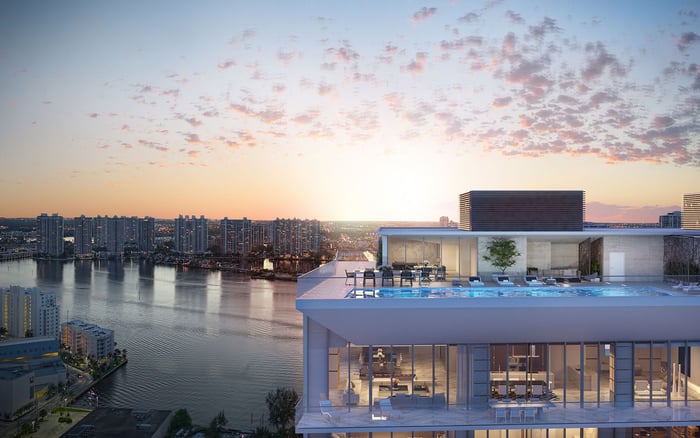
On the beach, the calculus shifts toward horizon, air, and a daily resort rhythm. A buyer considering Miami Beach might view The Perigon Miami Beach through the lens of how guests move from breakfast to beach, from pool to dinner, and from shared time to private retreat. The most desirable plan is not always the largest. It is the one that lets a household expand and contract without friction.
After a northern sale, cash in hand can feel like certainty. In practice, certainty comes from retaining options. South Florida ownership rewards buyers who preserve reserves for weather-related maintenance, insurance dynamics, climate-appropriate furnishings, upgrades to lighting and shading, and the inevitable refinement that follows the first season of use.
A guest-heavy residence often needs more than elegant furniture. It may require duplicate guest linens, secure owner storage, durable outdoor fabrics, additional refrigeration, AV coordination, window treatments, water filtration, art handling, and a better plan for cars, drivers, deliveries, and staff access. None of these decisions should be rushed simply because the purchase has closed.
The most sophisticated buyers allocate cash in phases. Phase one secures the asset. Phase two makes the residence livable and guest-ready. Phase three refines the property after the family understands its South Florida rhythm. This is particularly useful for a second-home purchase, where early assumptions about usage often evolve after the first full season.
Area choice is not only a lifestyle statement. It is a logistical decision. Brickell suits buyers who want density, dining, office proximity, and an urban arrival pattern. Miami Beach suits those who want sand, culture, and a more resort-forward cadence. Boca Raton may appeal to buyers seeking a polished residential environment with a quieter daily rhythm. Fort Lauderdale, Coconut Grove, Palm Beach, Sunny Isles Beach, Surfside, and Bay Harbor Islands each answer a different version of the guest question.
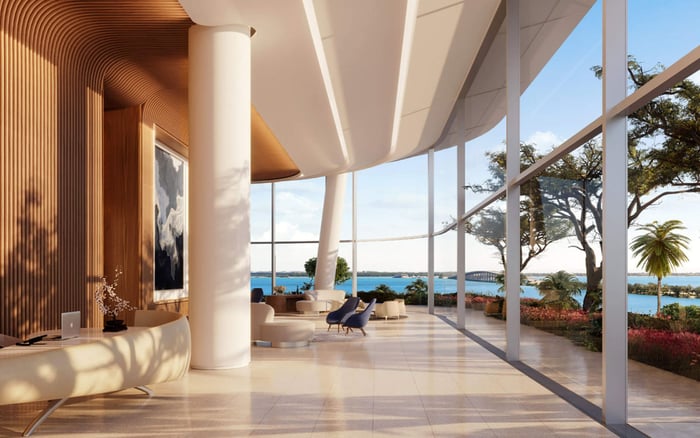
For buyers focused on Boca Raton, a residence such as The Residences at Mandarin Oriental Boca Raton may enter the conversation when service, privacy, and a composed setting matter as much as square footage. The question is not whether the address is impressive. The question is whether visiting family can move through the week with ease.
Waterfront buyers face an added layer. Waterfront living can be magnificent, but the capital plan should leave room for the practical side of exposure, outdoor maintenance, and the specific way guests will use docks, terraces, pools, and beach days. Buyers weighing Coconut Grove might study Four Seasons Residences Coconut Grove as part of a broader conversation about privacy, greenery, bay proximity, and a more residential pace.
Before committing, run the home through a guest-week simulation. Imagine airport arrivals on Friday, breakfast on Saturday, pool time, dinner reservations, a rainy afternoon, remote work calls, children sleeping late, grandparents needing quiet, and owners wanting privacy. If the floor plan cannot absorb that week, the purchase price is not the issue. The allocation is.
Also consider what should not be bought. Some buyers do not need maximum bedrooms if a nearby hotel will comfortably handle overflow. Others should avoid under-buying because their guest pattern is too frequent for constant outsourcing. In the strongest purchases, cash is not merely deployed. It is staged around how life will actually unfold.
Should I use all proceeds from a northern estate sale for the South Florida purchase? Not usually. A prudent plan preserves liquidity for carry costs, furnishing, customization, reserves, and future flexibility.
Why do frequent guests change the buying strategy? They affect privacy, bedrooms, bathrooms, parking, storage, service needs, and the way common areas perform during peak occupancy.
Is a condominium better than a single-family home for frequent guests? It depends on the buyer’s tolerance for maintenance and desire for services. Condominiums can simplify operations, while estates can offer more separation and control.
How should I think about guest bedrooms? Prioritize quality over count. A well-placed guest suite with privacy can be more valuable than extra rooms that feel secondary or exposed.
Does location matter more when guests visit often? Yes. Airport access, dining habits, beach use, boating, schools, and medical proximity can all become more important when guests are frequent.
Should I buy larger than I need for occasional holidays? Not automatically. Consider whether nearby hospitality can handle overflow before committing capital to rarely used space.
What is often overlooked after the purchase? Furnishings, window treatments, owner storage, outdoor durability, staff access, and technology coordination are commonly underestimated.
Is a second-home purchase different from a primary relocation? Yes. A second home often requires more planning around remote management, arrival condition, security, and seasonal guest flow.
How can I compare Brickell, Miami Beach, and Boca Raton? Compare them by daily rhythm, not prestige alone. Each area serves a different version of convenience, privacy, culture, and guest experience.
What is the best first step before touring properties? Build a realistic guest-use profile and capital plan. That framework makes every showing more efficient and every offer more disciplined.
When you're ready to tour or underwrite the options, connect with MILLION.
If branded residences are on your mind — as a home or as an allocation — we would be glad to share what we are seeing, privately.
Begin a quiet conversation