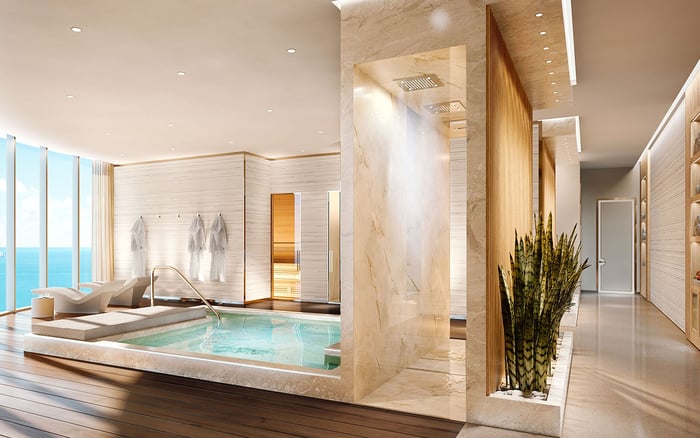
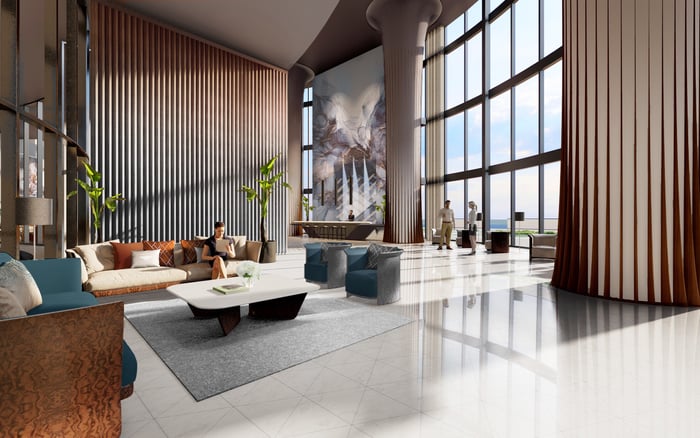
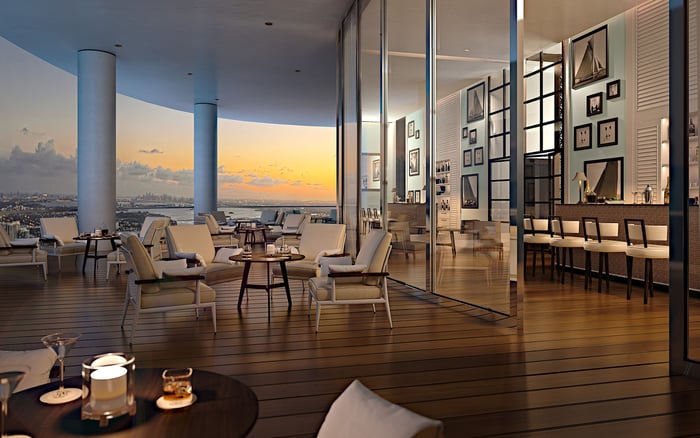
A buyer-focused look at Armani Casa Sunny Isles Beach as a case study in branded oceanfront living, long-term comfort, service, design, and the realities of coastal high-rise ownership.
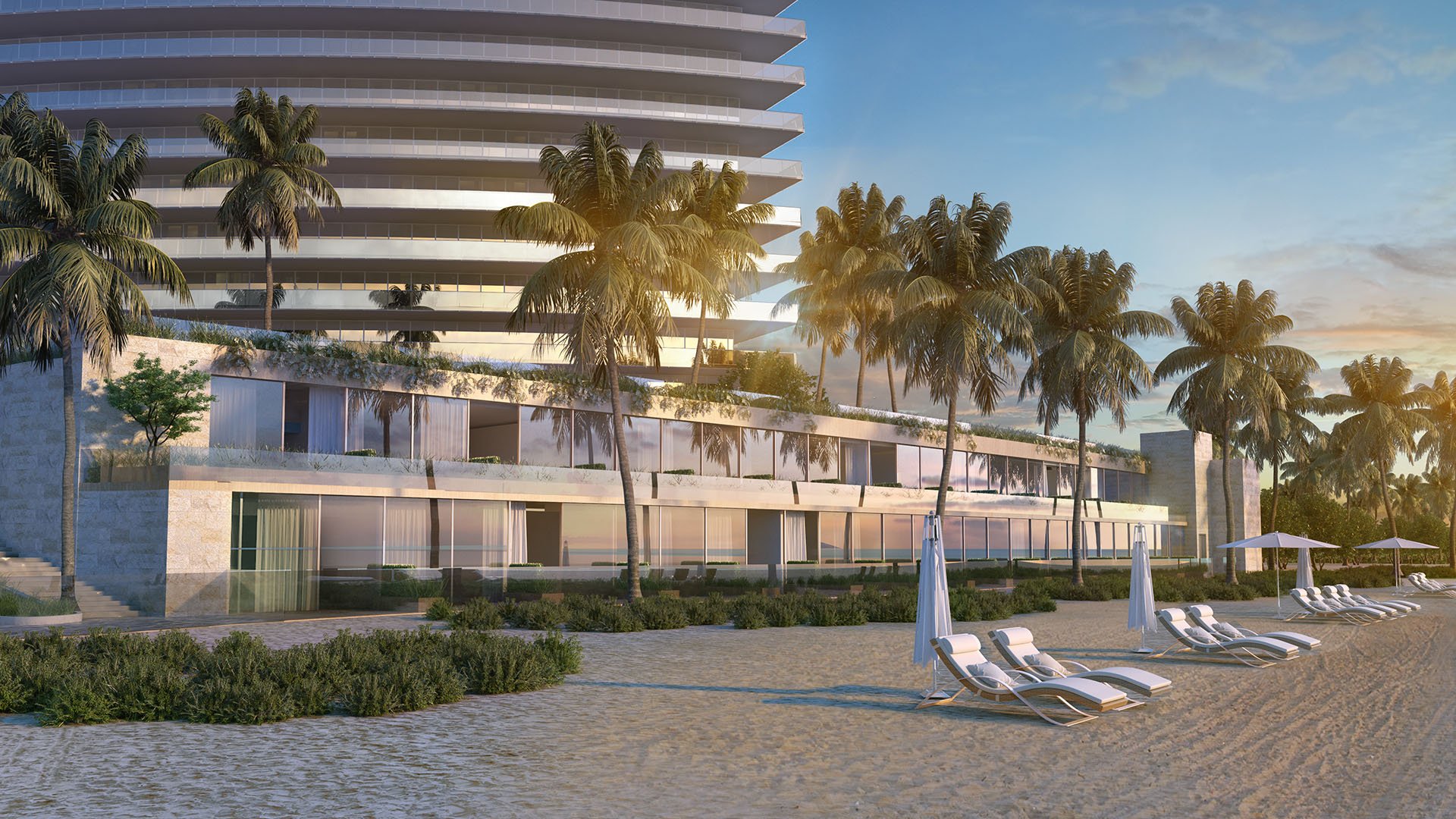
Armani Casa Sunny Isles Beach occupies a revealing place in the evolution of Sunny Isles Beach. It is not simply another oceanfront condominium tower. It is a branded residential statement: a 56-story vertical address where architecture, interiors, service, and beach proximity are intended to function as a complete residential environment.
That matters because the livability conversation in Sunny Isles Beach has changed. For years, the city has been associated with height, water views, and a certain international ease. Today, the more relevant question for serious buyers is not whether a tower feels impressive on arrival. It is whether the building can support day-to-day life over time, with enough comfort, discretion, convenience, and durability to make resort-style living feel residential rather than temporary.
In that sense, Armani Casa Sunny Isles Beach is a useful case study. Its oceanfront setting supports the daily ritual of beach-oriented living, while its Armani/Casa interiors place design at the center of the ownership proposition. With architecture credited to Pelli Clarke Pelli and development associated with Related Group and Dezer Development, the project carries a pedigree aligned with the expectations of ultra-premium coastal buyers.
For high-net-worth buyers, livability is not a synonym for basic convenience. It is a layered measure of how a residence performs over years: how intuitive the layout feels, how calming the interiors remain, how private the arrival sequence is, how consistently the building is serviced, and how well amenities reduce friction in everyday routines.
This is where Branded Residences have changed the vocabulary of South Florida real estate. A brand like Armani/Casa does not merely decorate a lobby or lend a name to a sales narrative. At its most convincing, the branded model translates a recognizable lifestyle language into the private home. Comfort, aesthetics, security, and service quality become part of the living standard.
Armani Casa’s place in Sunny Isles Beach is therefore not only about status. It is about whether branded design can make vertical coastal living feel coherent for owners who expect more than a seasonal escape. The answer depends on the buyer. For someone seeking direct beach life with a refined interior identity, the proposition is clear. For someone focused on long-term ownership, the analysis must also include how the building, association, services, and coastal context will feel after the initial glamour has settled.
Oceanfront access is one of the clearest livability advantages in Sunny Isles Beach. In a market where water proximity is often framed as a view premium, Armani Casa demonstrates how direct beach orientation can become part of daily life. Morning walks, a simpler relationship with outdoor recreation, and an immediate connection to the shoreline all shape how residents actually use the property.
That is the distinction between a residence that is merely scenic and one that supports a routine. Oceanfront living is most valuable when it is effortless. The fewer transitions between home, amenities, and beach, the more likely the property becomes a primary lifestyle base rather than an occasional retreat.
Sunny Isles Beach has several towers that speak to this vertical coastal model. Buyers comparing Armani Casa with addresses such as Jade Signature Sunny Isles Beach or Turnberry Ocean Club Sunny Isles are often comparing different interpretations of the same essential idea: how much of a complete private resort can be integrated into a residential tower without compromising the feeling of home.
Design & Architecture are often discussed as visual qualities, but in the luxury residential context they are also practical ones. A tower’s architecture shapes light, approach, scale, privacy, and the experience of moving from public space to private residence. Interiors shape mood, legibility, and long-term satisfaction.
At Armani Casa, the association with Armani/Casa positions interiors as part of the core livability argument. The brand’s relevance lies in the promise of restraint, proportion, and atmosphere. In a market that can easily drift toward spectacle, that quieter design language may appeal to buyers who want luxury to feel edited rather than loud.
This is especially important for long-term residents. A dramatic finish can impress during a tour, but a well-composed interior must endure repeated use. The strongest luxury residences often succeed because they feel calm after the tenth arrival, not only memorable after the first.
Armani Casa also reflects a broader Sunny Isles Beach trend: high-rise residential towers concentrating lifestyle amenities within the building. This is one of the defining characteristics of ultra-luxury vertical living in the area. The tower becomes more than a collection of private homes. It becomes an ecosystem designed to reduce the need to leave for certain daily comforts.
The appeal is clear. For residents who travel frequently, host selectively, or value privacy, an amenity-rich building can simplify life. For families, couples, and second-home owners using a residence across different seasons, the tower’s internal services can create continuity.
Still, the better question is not how many amenities exist. It is whether those amenities are useful, maintained, and aligned with the owner’s actual routine. Lifestyle in Sunny Isles Beach is not only about resort imagery. It is about how gracefully a building supports Monday morning, a quiet evening, a visiting guest, or a multi-week stay.
This is why nearby branded and service-oriented projects such as St. Regis® Residences Sunny Isles and The Ritz-Carlton Residences® Sunny Isles matter in the comparison set. They reinforce the same buyer expectation: a coastal residence should deliver not only beauty, but a managed, intuitive way of living.
The livability conversation in Sunny Isles Beach cannot be separated from the realities of coastal high-rise ownership. Armani Casa represents both the strength and the vulnerability of the model. On one side, premium construction, oceanfront positioning, branded interiors, and concentrated amenities create a persuasive residential package. On the other, barrier-island living naturally asks buyers to think carefully about long-term building stewardship, infrastructure pressures, and the practical demands of coastal ownership.
The important point is not to reduce the decision to anxiety. It is to elevate the level of due diligence. For ultra-premium buyers, the question becomes: does the building’s design quality, service culture, governance, and physical setting support a durable ownership experience?
Armani Casa’s relevance comes from how directly it raises that question. It embodies the ambition of Sunny Isles Beach at its most polished: vertical, oceanfront, branded, and highly amenitized. Whether that translates into long-term livability depends on how each owner weighs design pleasure against practical permanence.
A disciplined buyer should view Armani Casa less as a trophy and more as a residential operating system. The brand matters, but the experience matters more. The ocean matters, but the daily path to it matters more. The amenities matter, but their usefulness over time matters most.
In Sunny Isles Beach, the strongest properties are those that make high-rise living feel both elevated and sustainable in daily terms. Armani Casa fits that conversation because it attempts to turn resort-like vertical living into a long-term residential model. For the right owner, that is its central appeal: a beach address with design identity, privacy, and a service-led atmosphere that can support a more permanent relationship with the coast.
What is Armani Casa Sunny Isles Beach? Armani Casa Sunny Isles Beach is an oceanfront branded condominium tower in Sunny Isles Beach with interiors associated with Armani/Casa.
How tall is Armani Casa Sunny Isles Beach? The project is described as a 56-story condominium tower.
Who is credited with the architecture? The tower’s architecture is credited to Pelli Clarke Pelli.
Why is Armani Casa relevant to long-term livability? It shows how branded design, service expectations, amenities, and beach access can be combined into a long-term coastal living model.
Is oceanfront access the main advantage? Oceanfront access is a major advantage, especially for residents who want beach life integrated into daily routines.
How do Branded Residences affect the ownership experience? Branded Residences frame livability around comfort, aesthetics, security, and service quality, not only location or views.
Is Sunny Isles Beach mainly a second-home market? The area attracts many lifestyle-driven buyers, but Armani Casa’s model also speaks to owners considering longer-term residential use.
What should buyers compare within Sunny Isles Beach? Buyers should compare design language, service model, amenity usefulness, privacy, and the overall feel of daily life in each tower.
Does Armani Casa eliminate coastal ownership considerations? No. It offers a premium coastal living model, but buyers should still evaluate building stewardship and long-term ownership priorities.
What type of buyer is the best fit? The best fit is a buyer who values refined design, direct beach orientation, privacy, and a service-led residential environment.
If you'd like a private walkthrough and a curated shortlist, connect with MILLION.
If branded residences are on your mind — as a home or as an allocation — we would be glad to share what we are seeing, privately.
Begin a quiet conversation