A discreet guide for South Florida luxury buyers on coordinating private aviation commitments, portfolio financing, liquidity reserves, and residential acquisition strategy before signing.
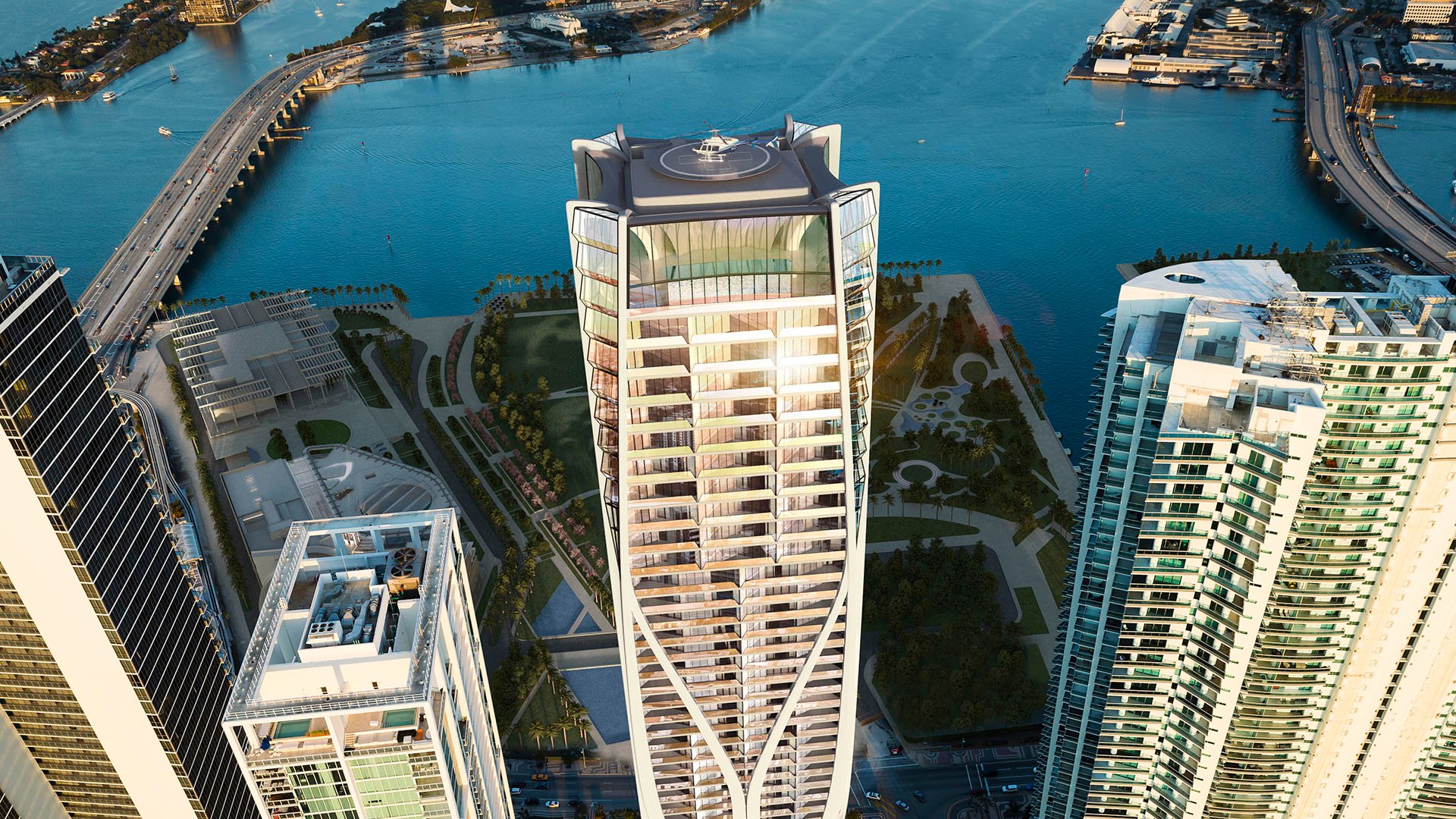
For the South Florida buyer who uses private aviation, signing for an aircraft, fractional interest, jet card, or recurring charter commitment is rarely an isolated decision. It sits beside a residence purchase, portfolio allocation, tax planning, insurance exposure, family office governance, and the simple desire to move without friction. The elegance of private aviation is convenience. The risk is assuming convenience has no balance-sheet consequence.
Before signing, the more refined question is not whether the buyer can afford aircraft access. It is whether the surrounding liquidity plan remains composed if capital markets soften, a property closing accelerates, construction funding shifts, or another major asset requires attention at the same time. In South Florida, where lifestyle and property decisions often arrive together, portfolio financing should be considered before aviation paperwork is complete, not after.
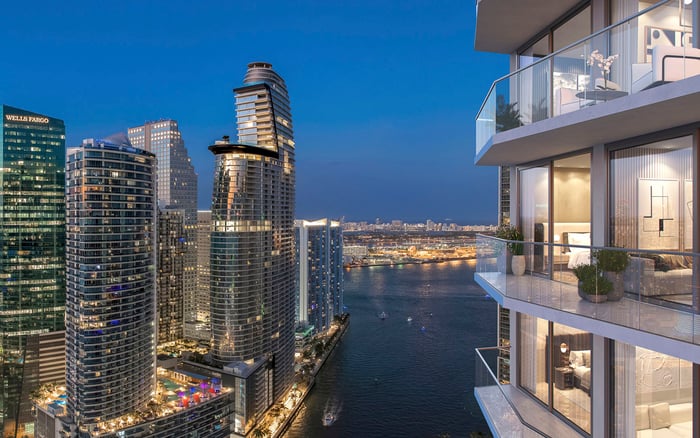
A buyer evaluating a vertical residence such as The Residences at 1428 Brickell may be making a very different liquidity decision than a buyer holding cash for a waterfront home, renovation, and aircraft access simultaneously. Brickell may read as an urban address, but the financial question is broader: how much optionality should remain untouched after the visible purchase is made?
Private aviation is often framed as lifestyle, but the commitment behaves like an investment liquidity event. It may involve deposits, recurring charges, management obligations, financing arrangements, tax considerations, insurance, maintenance reserves, repositioning costs, and exit questions. Even without ownership, the commitment can reshape the family’s short-term cash profile.
That matters because ultra-prime real estate is also cash-intensive. Deposits, closing costs, carrying costs, design work, insurance, assessments, and reserves all compete for the same pool of liquidity. A buyer who funds aviation through a securities-backed line or other portfolio facility may preserve invested assets, but that structure can introduce its own sensitivities. Borrowing against a portfolio can be efficient until market movement changes collateral values or lender terms.
The sophisticated buyer does not ask whether leverage is acceptable in theory. The better question is whether the same portfolio is quietly supporting too many ambitions at once: the aircraft, the residence, a business acquisition, philanthropy, tax obligations, and lifestyle spending. When several commitments rely on one pool of liquid collateral, the appearance of flexibility can mask concentration.
Portfolio financing has appeal because it can allow a buyer to avoid selling long-held assets, defer taxable events where appropriate, and keep a larger allocation invested. Used carefully, it can bridge timing and strategy. Used casually, it can create the illusion of liquidity.
A securities-backed facility, margin arrangement, or customized credit line should be modeled under stress. What happens if collateral values decline? What assets can be sold without disrupting the long-term plan? Which positions are restricted, concentrated, illiquid, or emotionally difficult to sell? How quickly can cash be raised without accepting poor execution? The answers matter more than the headline rate.
A Miami Beach buyer considering a residence such as The Perigon Miami Beach may value privacy, design, and ocean proximity. Yet from a portfolio perspective, the purchase also brings carrying obligations that continue regardless of market sentiment. The same is true of aviation. A plane does not become less expensive to operate simply because financial markets are less accommodating.
The most durable buyers tend to separate liquidity into layers. The first layer is operating cash: near-term expenses, aviation usage, household staffing, insurance, and travel. The second layer is transaction cash: deposits, closings, taxes, improvements, and furnishings. The third layer is resilience capital: money set aside for unexpected timing issues, market volatility, storm-related property needs, or opportunities that require swift action.
That third layer is often the difference between control and reaction. Without it, a buyer may be forced to choose between selling marketable securities at an unfavorable moment, drawing more heavily on credit, delaying a real estate decision, or renegotiating an aviation commitment under pressure.
For a buyer focused on Sunny Isles Beach and the automotive sensibility of Bentley Residences Sunny Isles, the purchase may be deeply aligned with lifestyle. Still, the discipline is the same: the liquidity stack should be built before the emotional decision reaches the contract stage.
The quiet danger for private aviation users is not one large obligation. It is several obligations behaving the same way at once. A portfolio line may support an aviation commitment. A mortgage or other real estate financing may support a residence. A business credit facility may support expansion. A concentrated investment position may support confidence. Individually, each decision can appear reasonable. Together, they may create correlated leverage.
Correlation becomes visible when cash is needed quickly. If the portfolio declines at the same time a property requires funding and an aviation payment is due, liquidity can feel smaller than it appeared. If the buyer’s operating business also slows, the pressure compounds. In that moment, the cost of planning poorly is not only financial. It can affect privacy, negotiating power, and family rhythm.
Fort Lauderdale buyers looking at waterfront or marina-oriented living, including The Ritz-Carlton Residences® Fort Lauderdale, should treat convenience as a system. Aviation, boating, property, and portfolio access can all support the same life. The balance sheet should be designed so they do not all depend on perfect timing.
A disciplined review before signing should feel practical, not theatrical. How much cash remains after the aviation commitment and the residence deposit? Which credit lines can be reduced, frozen, repriced, or called under stress? Is the aircraft commitment cancellable, transferable, financeable, or fixed? Does the real estate purchase require future capital beyond the initial closing? Are insurance and maintenance assumptions realistic? Who has authority to act if collateral values move quickly?
For Palm Beach buyers considering The Ritz-Carlton Residences® West Palm Beach or another refined address, these questions are not signs of hesitation. They are signs of control. Liquidity planning protects the ability to move decisively when a rare residence appears, when an aircraft opportunity is compelling, or when a family’s needs change without warning.
The strongest planning also includes personal thresholds. Some buyers want no forced selling under any market condition. Others are comfortable pledging assets, but only to a certain percentage of liquid net worth. Some prefer cash drag for peace of mind. Others prefer credit efficiency, but insist on a pre-agreed de-leveraging plan. There is no universal answer. There is only an answer consistent with the buyer’s risk tolerance and lifestyle architecture.
In South Florida, luxury is often described through views, service, privacy, architecture, and access. For the private aviation user, another dimension matters: the ability to make significant decisions without being forced by liquidity pressure. A well-planned balance sheet allows the buyer to sign, close, fly, renovate, insure, and hold with composure.
The purpose of portfolio financing is not to make every ambition possible at the same time. It is to match ambition with resilience. Before signing an aviation commitment, the buyer should see the aircraft, the residence, and the portfolio as one integrated structure. When the structure is sound, lifestyle becomes lighter. When it is overextended, even beautiful assets can begin to dictate terms.
Should I review portfolio financing before signing a private aviation contract? Yes. The commitment may affect liquidity, collateral, and timing around a South Florida property purchase.
Is securities-backed lending suitable for aircraft access? It can be, but only if collateral risk, repayment plans, and market volatility are carefully modeled.
Why does real estate matter in an aviation liquidity plan? Luxury property purchases can require substantial cash before and after closing, which may overlap with aviation obligations.
What is correlated leverage? It is the risk that several obligations depend on the same portfolio or liquidity source at the same time.
Should I keep cash aside even if I have available credit? Many buyers prefer a dedicated cash reserve because credit terms can change and markets can move quickly.
Does a jet card create the same risk as aircraft ownership? The risks differ, but any prepaid or recurring aviation commitment should be included in liquidity planning.
How should I think about storm-related reserves? South Florida ownership can benefit from reserves for insurance, repairs, temporary arrangements, and timing flexibility.
Can portfolio financing help avoid selling investments? It may, but preserving investments through borrowing should be balanced against collateral and repayment risk.
When should advisors be involved? Before signing. Legal, tax, lending, insurance, aviation, and real estate advisors should understand the same liquidity picture.
What is the best way to shortlist comparable options for touring? Start with location fit, delivery status, and daily lifestyle priorities, then compare stacks and elevations to validate views and privacy.
When you're ready to tour or underwrite the options, connect with MILLION.
If branded residences are on your mind — as a home or as an allocation — we would be glad to share what we are seeing, privately.
Begin a quiet conversation