For South Florida lock-and-leave buyers, generator coverage is a resilience question: what is backed up, for how long, under whose documents, and at what cost.
For the South Florida lock-and-leave owner, the question is not simply whether a building has a generator. The more useful question is what life inside the property looks like after utility power is interrupted, especially when the owner is not there to open doors, reset systems, inspect humidity, or coordinate service vendors.
Hurricane exposure is part of the regional ownership equation, from Brickell and Miami Beach to Sunny Isles Beach, Fort Lauderdale, and West Palm Beach. Wind, storm surge, tidal flooding, and extended power interruptions can turn a second residence into an operational asset that requires a resilience plan. In this context, generator coverage is not a hidden mechanical footnote. It is part of the purchase decision, the carrying-cost model, and the owner’s risk tolerance.
The language can be deceptively polished. A sales presentation may promise a “full-building generator,” while the engineering reality may mean life-safety coverage, selected common areas, partial elevator service, or a limited set of in-unit circuits. The distinction matters for owners who expect to be away for weeks or months during peak storm season.
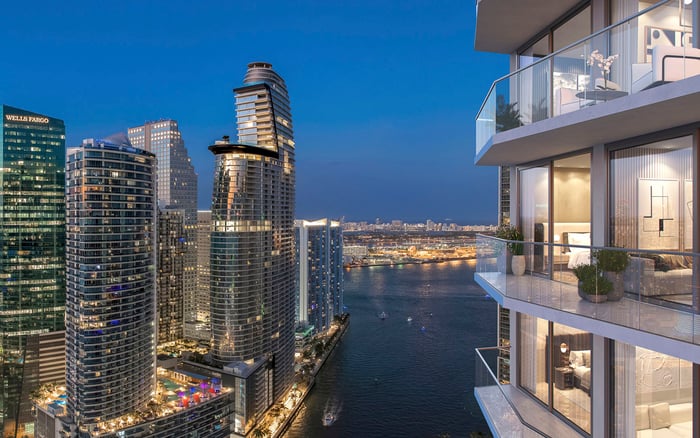
In dense vertical markets such as Brickell, buyers evaluating The Residences at 1428 Brickell or any comparable tower should place generator scope beside views, finishes, parking, and private amenities. The issue is not anxiety. It is disciplined ownership.
Electrical-code concepts distinguish among emergency power, legally required standby power, optional standby power, and other configurations. Those categories are not marketing labels. They help define what the system is intended to serve, how quickly it must respond, and which loads may receive priority when utility power fails.
Emergency systems in high-rise buildings often prioritize fire alarms, emergency lighting, smoke-control equipment, fire pumps, and limited elevator function. That may satisfy essential safety objectives without delivering full in-unit comfort. Optional standby systems, by contrast, may support selected convenience loads if the building was designed and funded that way.
Sophisticated buyers should ask for the system’s actual classification, not a simplified phrase. Ask whether the generator is designed for code-required loads only, common-area resilience, selected residential circuits, or a broader service model. If the answer is verbal, ask for the written exhibit that confirms it.
This is particularly important in new-construction conversations, where renderings and lifestyle language can run ahead of legal documents. A buyer’s attorney should reconcile the purchase agreement, declaration, prospectus, budget, engineering exhibits, and any disclaimers before deposits become difficult to unwind.
The absent owner’s priorities differ from those of a full-time resident sheltering in place. A full-time resident may focus first on elevators, cooling, lighting, and access. The lock-and-leave owner also needs to think about what protects the residence while nobody is present.
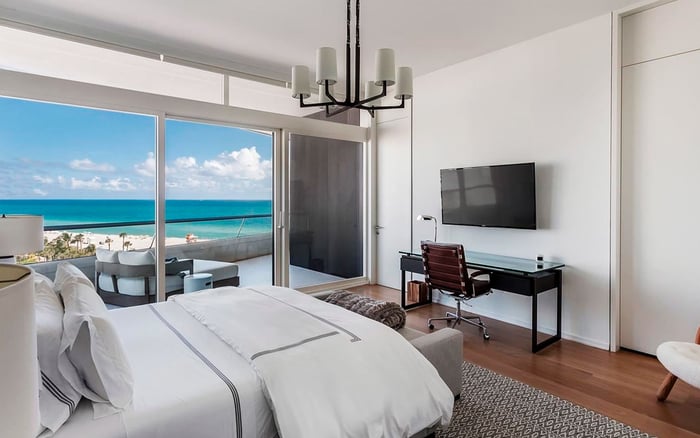
In-unit HVAC is the obvious question, but it is not the only one. Refrigerators, wine storage, leak detection, smart-home hubs, internet equipment, security systems, motorized shades, dehumidification, and certain low-voltage controls may all depend on power. If those systems are excluded from generator service, the owner may have a beautiful residence that is technically dark, humid, inaccessible, or unable to alert anyone when something goes wrong.
Heat and humidity make the issue more serious. Loss of air conditioning can create health risks for vulnerable occupants when they are present. When the owner is absent, humidity and water intrusion can accelerate mold growth and interior damage, particularly after a storm. A generator that keeps emergency lights on but leaves the residence without dehumidification may not solve the lock-and-leave problem.
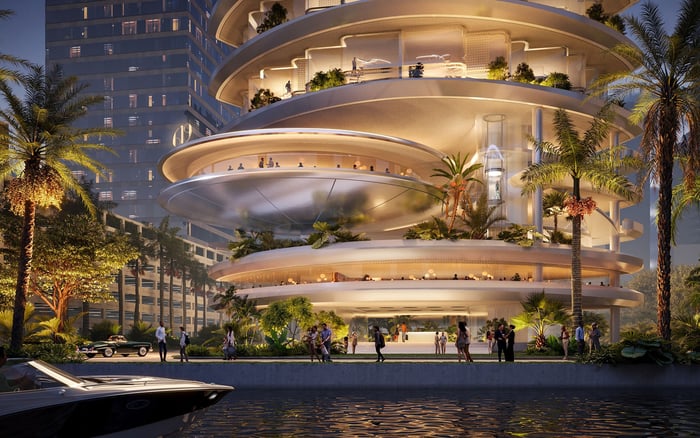
In Miami Beach, where coastal exposure and vertical living often intersect, buyers considering The Perigon Miami Beach or other high-design residences should ask whether the generator conversation includes unit preservation, not only resident evacuation and code compliance.
Luxury living depends on many systems owners rarely see. Domestic water pumps, sewage ejector pumps, sump pumps, access control, garage gates, package rooms, refrigeration, and building management systems can shape the post-outage experience as much as lobby lighting.
Elevators deserve special attention. Backup power may not mean every elevator operates continuously. Buyers in taller towers should confirm how many elevators are generator-backed, whether service reaches residential levels, garage levels, amenity floors, service corridors, and any required accessible routes. For residents with mobility needs, vertical access continuity is not a convenience. It is central to whether the residence remains usable during an outage.
Automatic transfer equipment also matters. A generator may be sized for certain loads, but transfer switches determine how those loads move from utility power to backup power. Ask which systems transfer automatically, which require manual action, and who has authority to shed loads if fuel or capacity becomes constrained.
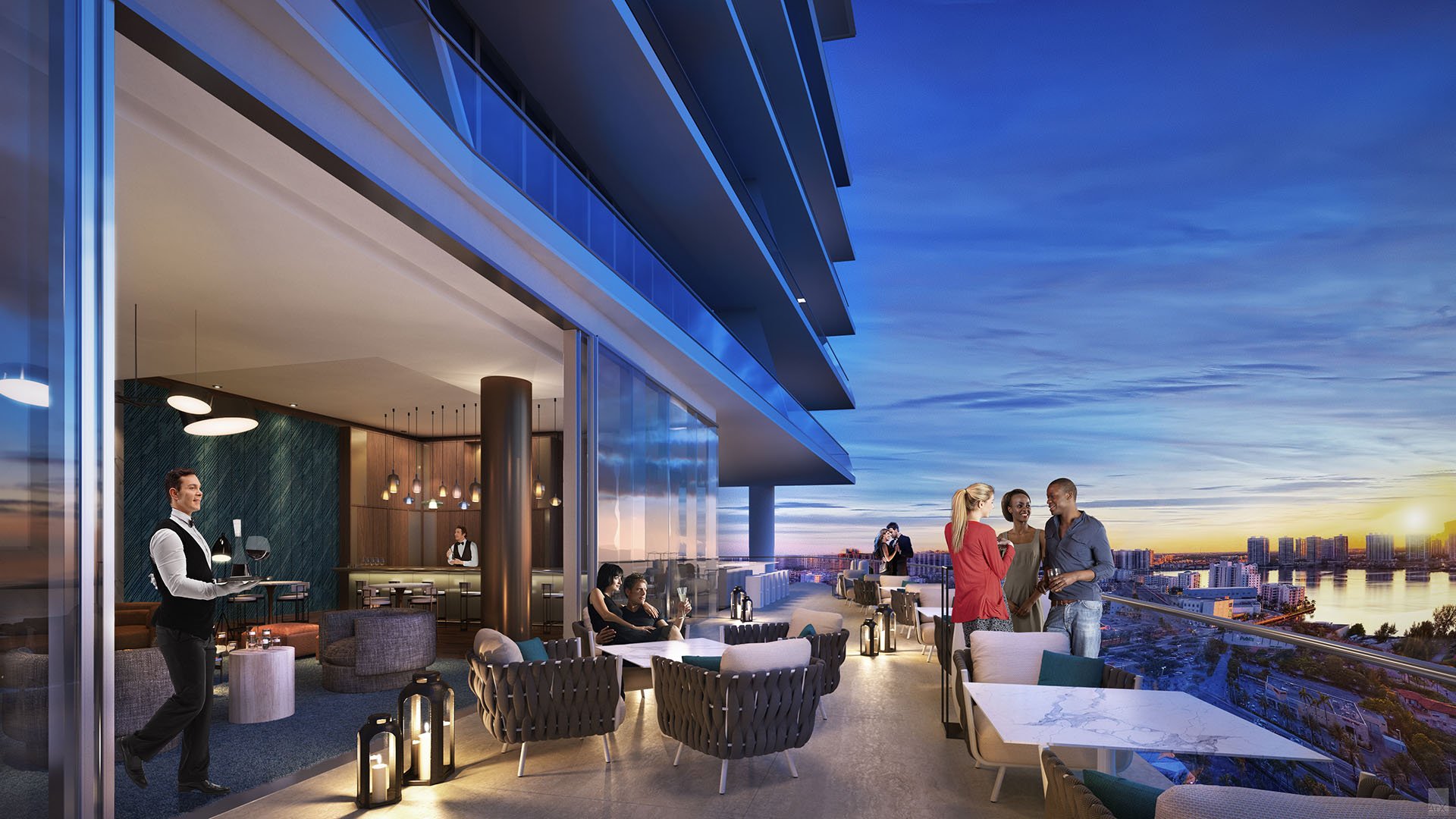
In Sunny Isles Beach, where height and oceanfront living often define the ownership experience, a buyer reviewing St. Regis® Residences Sunny Isles or another coastal tower should treat elevator and transfer details as core diligence, not back-of-house trivia.
“48-Hour backup” is meaningful only when tied to a fuel source, a load schedule, refueling assumptions, and operating priorities. A system running only life-safety loads can last longer than one powering broader comfort loads. A tank sized for one scenario may perform differently if the building adds temporary loads or if post-storm refueling is delayed.
Buyers should ask what fuel is used, where it is stored, how it is protected, who maintains refueling contracts, and whether delivery access remains viable after a major storm. They should also ask whether management can shed nonessential loads and how that decision is made.
Flooding belongs in the generator discussion. Generators, switchgear, fuel systems, and electrical rooms can be disabled if they are poorly located or inadequately protected from water. In a region where sea-level rise, tidal flooding, and storm-related flooding are recognized resilience concerns, the location of power infrastructure matters as much as the presence of the machine itself.
For waterfront buyers in Fort Lauderdale, including those looking at Four Seasons Hotel & Private Residences Fort Lauderdale, generator duration should be discussed alongside flood elevation, access, and post-storm building operations.
Brochures can create expectations, but condominium documents usually define obligations. Buyers should review the declaration, prospectus, budget, purchase disclosures, and related exhibits to see what the association must operate, maintain, insure, test, repair, and eventually replace.
If a generator serves common elements or shared building services, its maintenance, fuel contracts, testing, repairs, and future replacement may become association expenses. That is not a flaw. It is a cost of resilience. But it should be understood before closing, especially in buildings where owners expect hotel-level continuity and limited personal involvement.
The most useful pre-signing materials include technical exhibits, load schedules, single-line diagrams, operating assumptions, generator classifications, and fuel-duration models. A buyer does not need to become an engineer. The buyer needs advisors who can translate the documents into plain consequences: what keeps running, for how long, at what cost, and under whose authority.
In West Palm Beach, where luxury condominium expectations continue to rise, residences such as The Ritz-Carlton Residences® West Palm Beach illustrate why buyer’s guides should now treat power resilience as part of the premium ownership conversation.
Does a generator mean my entire condo will have power? Not necessarily. Many systems prioritize life-safety equipment, selected elevators, pumps, access control, or common areas rather than full in-unit comfort.
What should I ask first before signing? Ask for the exact backed-up loads, generator classification, fuel source, duration assumptions, transfer equipment, and written exhibits that support the sales description.
Is “full-building generator” a reliable phrase? It is too vague on its own. Confirm whether it means life-safety coverage, common-area coverage, selected residential circuits, or actual in-unit backup.
Why does generator duration vary? Duration depends on load size, fuel storage, refueling access, and operating assumptions. A time claim should always be tied to a specific load schedule.
Should lock-and-leave owners ask about HVAC? Yes. HVAC and dehumidification can be critical for comfort, health, and interior protection when heat, humidity, or water intrusion follow a storm.
Are elevators always fully backed up? No. Service may be limited, so confirm how many elevators run and whether they reach residences, garages, amenities, service areas, and accessible routes.
Why do pumps and gates matter? Domestic water pumps, sewage systems, sump pumps, garage gates, and access control can determine whether the building functions during an outage.
Can flooding disable generator systems? Yes. Poorly located generators, switchgear, electrical rooms, or fuel systems can be compromised by water, making placement and protection essential.
Who pays for generator maintenance? If the system serves common elements or shared services, maintenance, testing, fuel contracts, repairs, and replacement may become association expenses.
What documents should my attorney review? The declaration, prospectus, budget, purchase disclosures, engineering exhibits, load schedules, and any developer disclaimers should be reviewed together.
To compare the best-fit options with clarity, connect with MILLION.
If branded residences are on your mind — as a home or as an allocation — we would be glad to share what we are seeing, privately.
Begin a quiet conversation