Outdoor kitchens are moving from lifestyle bonus to buyer filter in South Florida, especially where terraces, pools, and entertaining spaces define how luxury homes are evaluated.
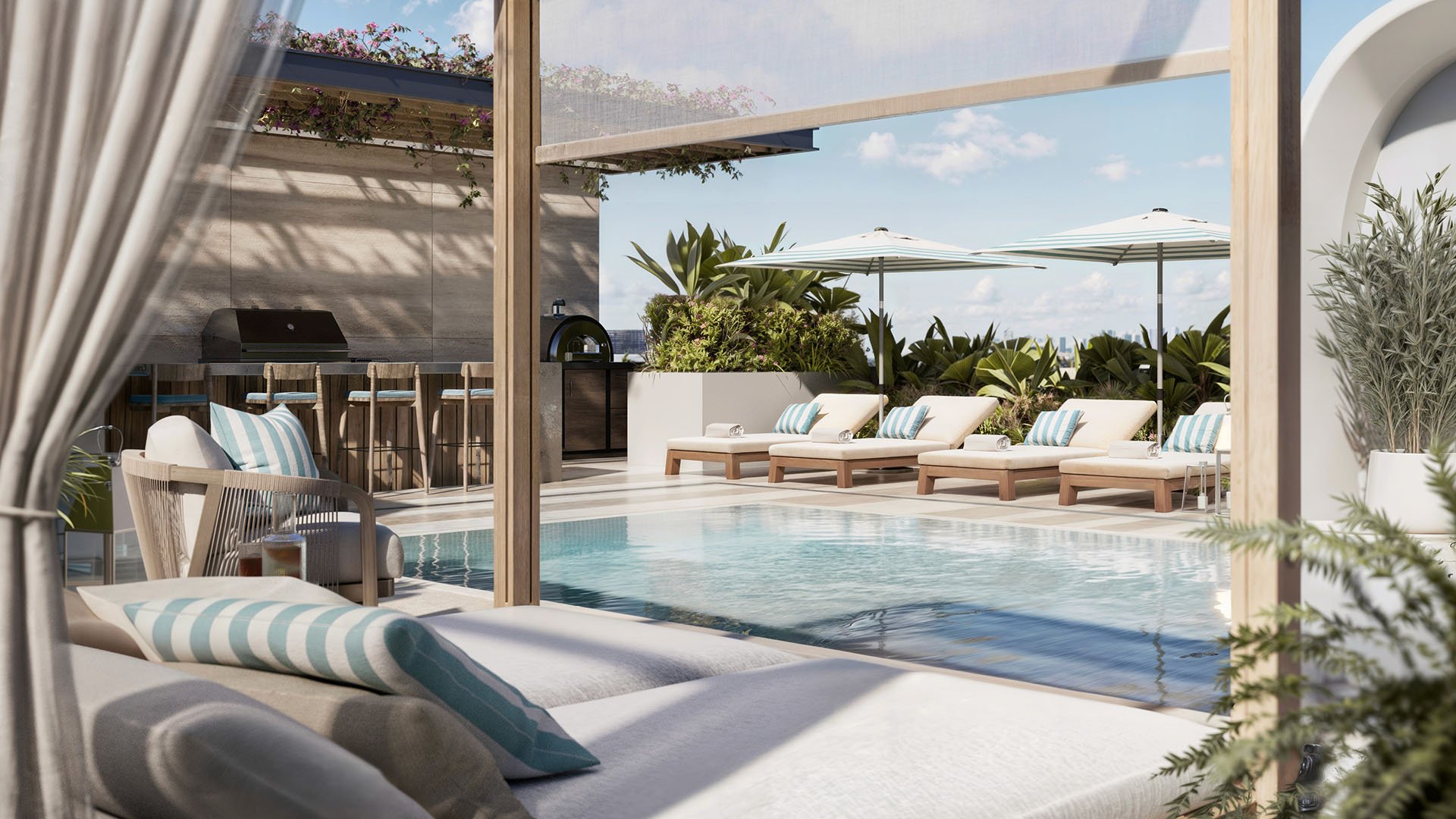
In South Florida, the outdoor kitchen has quietly moved from amenity to expectation. For buyers looking ahead to 2026, it is no longer enough for a residence to offer a pretty terrace, a summer-kitchen line item, or a grill tucked into a corner. The more exacting question is whether the home supports a complete outdoor rhythm: cooking, hosting, lingering, and retreating without feeling improvised.
That shift matters because luxury buyers increasingly read exterior space as part of the residence itself. A generous balcony may photograph beautifully, but a working outdoor kitchen changes how a buyer imagines daily life. Morning coffee feels easier. Weekend lunches feel more natural. Dinner service can begin outside without sending guests back through the main kitchen. In a climate where indoor and outdoor rooms blur for much of the year, this is not ornamental. It is functional luxury.
The filter is especially relevant in waterfront condos, new private residences, and single-family estates, where buyers compare not only square footage but the quality of usable space. A terrace that is deep, shaded, and properly planned can feel more valuable than a larger outdoor area with no clear purpose. The difference is design discipline.
The appeal is partly emotional. South Florida luxury is built around light, breeze, water, and the ability to entertain without formality. Outdoor kitchens make that lifestyle tangible during a showing. Buyers can immediately understand where guests gather, where the chef stands, where children sit, and how the evening moves from pool to dining table to lounge.
There is also a practical reason. Many buyers are spending more time at home and want residences that can host without feeling crowded. An outdoor kitchen effectively adds another entertaining zone. It separates casual dining from the formal interior kitchen and can reduce the wear of constant movement through the home during gatherings.
The strongest examples do not feel like add-ons. They are planned with counters, refrigeration, storage, durable finishes, lighting, and proximity to seating. In elevated condos, the best versions account for wind, privacy, and building rules. In estates, they often connect to pool decks, covered loggias, and garden rooms. In either setting, the buyer is evaluating coherence.
A luxury outdoor kitchen begins with placement. If it is too far from the main living area, it becomes inconvenient. If it is too exposed, it becomes seasonal. If it interrupts views, it weakens the property’s best asset. The ideal setting feels integrated, allowing a host to cook while remaining part of the conversation.
Shade is essential. South Florida sun can turn an impressive terrace into a rarely used space if the cooking zone is not protected. Covered areas, deep overhangs, pergola systems, and thoughtfully placed landscaping can make the difference between a feature that impresses and one that functions.
Ventilation matters as well, particularly in condominium settings. Buyers should look closely at whether the cooking area is truly intended for regular use or merely staged as a lifestyle cue. Materials must also be appropriate for salt air, humidity, and intense light. Cabinetry, stone, appliances, and hardware all need to be selected for resilience, not just appearance.
Finally, the best outdoor kitchens are supported by adjacent spaces. A counter without dining is incomplete. A grill without prep space is frustrating. A bar without storage is performative. The buyer’s filter should be less about whether an outdoor kitchen exists and more about whether it works beautifully.
In the condominium market, the outdoor-kitchen conversation is tied to the evolution of the private terrace. Buyers want exterior space that feels residential rather than decorative. That means enough depth for real furniture, sufficient separation from neighboring units, and a plan that makes outdoor cooking feel calm rather than exposed.
For buyers focused on new construction, this scrutiny is particularly important. New residences may offer dramatic glass, large outdoor rooms, and fluid indoor-outdoor plans, but not every terrace is equally useful. The most desirable layouts often allow a clear sequence: interior kitchen, outdoor prep or grilling, dining, lounge, and view. When that sequence is intuitive, the terrace becomes an extension of the home rather than a balcony with appliances.
This is where neighborhood character matters. In Miami Beach, outdoor kitchens often speak to resort living, sunset dinners, and a hospitality sensibility. In Fort Lauderdale, buyers may think in terms of boating, waterfront entertaining, and relaxed family gatherings. The feature is the same, but the lifestyle it supports can be very different.
For sellers, an outdoor kitchen can sharpen a property’s story, but only if it feels finished. A grill island with tired finishes may raise more questions than excitement. A clean, restrained outdoor kitchen with proper surfaces, lighting, and seating can help buyers understand the home’s entertaining value quickly.
The presentation should be subtle. Luxury buyers do not need theatrical staging. They respond to proportion, condition, and ease. The outdoor kitchen should be photographed when the light is flattering, the view is legible, and the connection to adjacent living areas is clear. If there is a pool, garden, dock, or dining loggia nearby, the marketing should show how these elements relate.
Sellers should also be prepared for technical questions. Buyers may ask about appliance age, material maintenance, building permissions, gas or electric service, storm preparation, and storage. The more confidently those answers are handled, the more the outdoor kitchen feels like an asset rather than a novelty.
A buyer should treat the outdoor kitchen as part of the home’s daily operating system. During a showing, stand where the cook would stand. Look at the sightlines. Ask whether guests would gather naturally or block circulation. Notice whether there is a comfortable place to serve food and whether the route back to the interior kitchen is efficient.
Then consider privacy. A beautiful cooking area can lose appeal if it is directly exposed to neighboring terraces or too close to a public-facing edge. Noise and scent should also be considered, especially in vertical living. A truly refined outdoor kitchen respects both the owner’s comfort and the surrounding residences.
Maintenance is another part of the filter. South Florida’s climate rewards durable choices and punishes shortcuts. Buyers should favor materials that can handle moisture, heat, salt air, and regular use. The most elegant installation is the one that still feels composed after years of entertaining.
Ultimately, the 2026 filter is about discernment. Outdoor kitchens are desirable because they translate South Florida’s greatest promise into a daily ritual. But the premium belongs to homes where the feature is integrated, usable, and architecturally aligned with the property.
Why are outdoor kitchens becoming a 2026 buyer filter in South Florida? They help buyers quickly judge whether a home supports the indoor-outdoor lifestyle that defines much of South Florida luxury living.
Is an outdoor kitchen more important in a condo or a single-family home? It can matter in both, but the evaluation differs. Condo buyers focus heavily on terrace usability, while estate buyers often look for a full entertaining sequence.
What should buyers inspect first? Start with placement, shade, ventilation, counter space, storage, and how naturally the area connects to dining and lounging.
Does a grill alone count as an outdoor kitchen? Not at the luxury level. Buyers usually expect a more complete setup with prep space, durable finishes, and a thoughtful hosting layout.
Why does shade matter so much? Without shade, the space may be uncomfortable during key parts of the day, limiting how often the kitchen is actually used.
Are outdoor kitchens useful for resale positioning? They can help if they are well designed, properly maintained, and clearly connected to the home’s larger lifestyle narrative.
What materials work best in South Florida? Buyers should look for materials selected for humidity, heat, salt air, and frequent cleaning rather than purely decorative appeal.
How does privacy affect outdoor kitchen value? A private, well-screened cooking and dining area feels more residential and tends to be more comfortable for everyday use.
Should buyers prioritize a larger terrace or a better planned terrace? A better planned terrace often feels more valuable because it supports real living rather than simply adding exterior square footage.
What is the simplest test during a showing? Imagine preparing and serving a meal there. If the movement feels natural, the feature is likely more than cosmetic.
To compare the best-fit options with clarity, connect with MILLION.
If branded residences are on your mind — as a home or as an allocation — we would be glad to share what we are seeing, privately.
Begin a quiet conversation