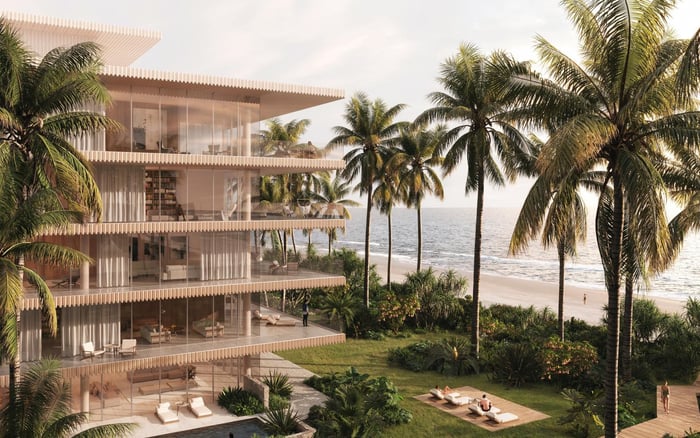
A practical luxury buyer’s guide to West Palm Beach for cultural access, comparing downtown walkability, waterfront adjacency, historic districts, Palm Beach institutions, rail connectivity, and emerging neighborhoods.
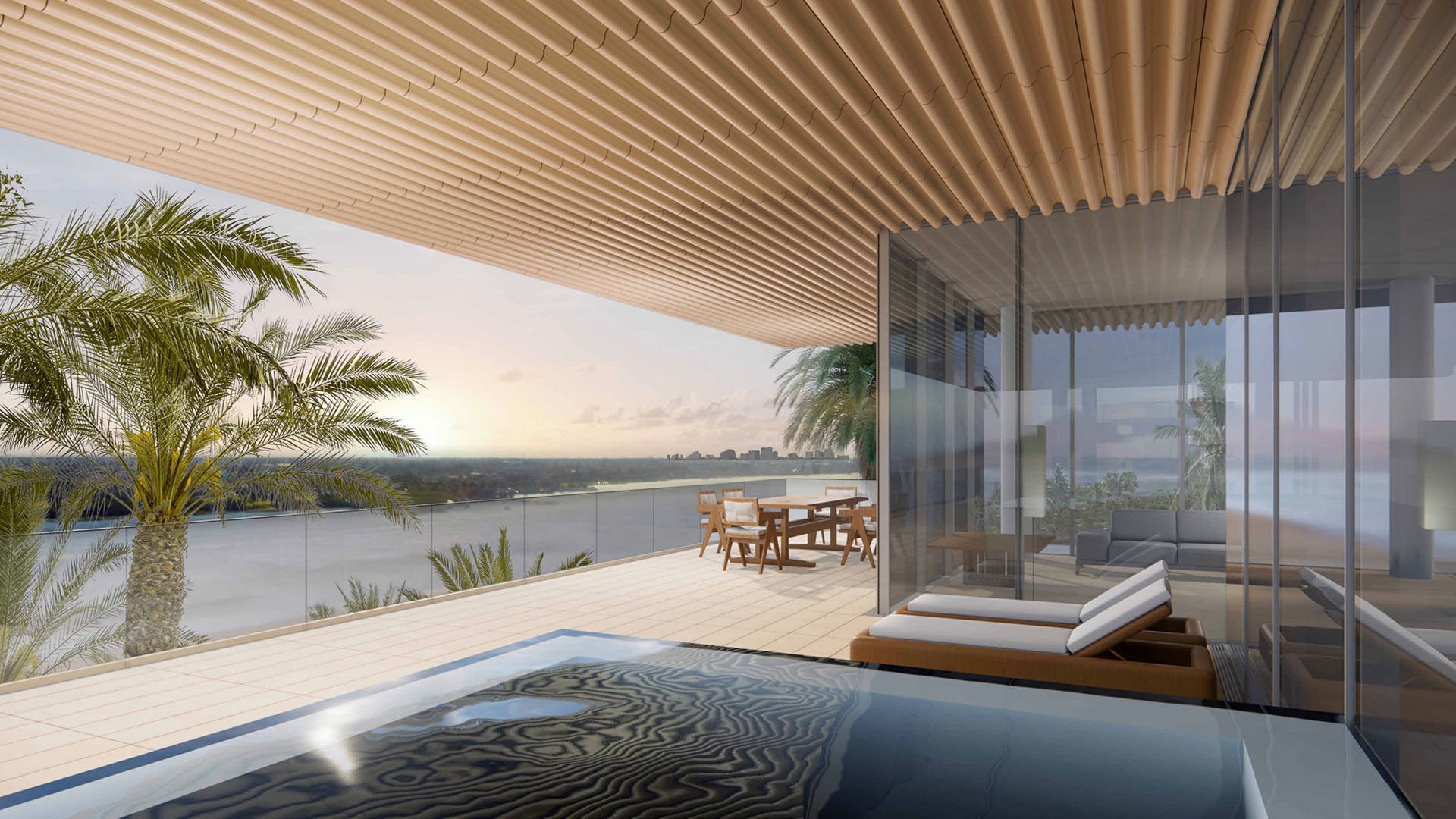
For a certain South Florida buyer, the question is no longer simply how close a residence sits to the sand. It is how gracefully daily life connects to performance, collecting, dining, civic events, architecture, and travel. West Palm Beach offers a mainland setting across the water from Palm Beach, creating a dual lifestyle for buyers who want urban convenience and nearby island culture in the same ownership equation.
That positioning can be especially compelling for buyers who want access without making every daily decision revolve around island ownership. The best purchase is not defined by a single amenity. It is defined by rhythm: an evening performance, an art-focused afternoon, dinner downtown, a waterfront walk, and an easy return home.
In this market, cultural adjacency should be treated as a primary luxury metric, not a secondary lifestyle bonus.
Downtown is the core cultural-access zone because it concentrates dining, nightlife, events, waterfront space, and mixed-use retail in a compact setting. Buyers who want to step out for dinner, meet friends after a program, or reach the waterfront without building the evening around a car will usually begin here.
The downtown lifestyle appeals to buyers who value convenience and energy. Open-air retail, restaurants, civic gathering spaces, and performance-oriented venues help create a layered environment that feels active without requiring a long drive between stops. The tradeoff is that the most central addresses may also bring more movement, sound, and event traffic.
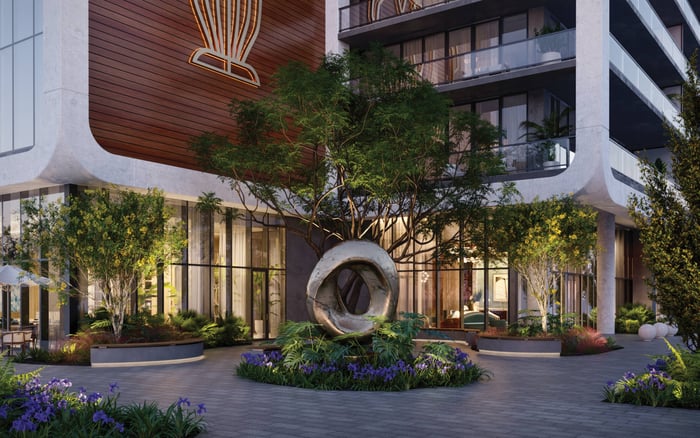
Residentially, the decision is about tolerance for energy. Some buyers want immediate adjacency to restaurants and event venues. Others prefer a quieter edge while preserving short access. Newer condominium searches in and around the city often include Mr. C Residences West Palm Beach for buyers who want a central West Palm Beach address within the broader cultural orbit.
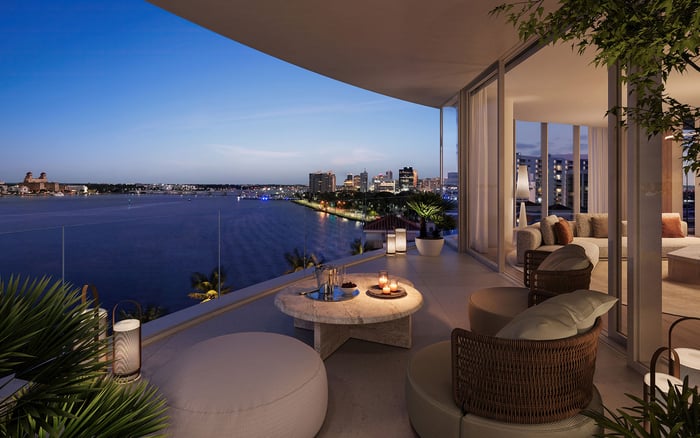
Waterfront buyers often want the cultural calendar without living directly inside the busiest blocks. Flagler Drive and areas near the lagoon can offer that compromise. The appeal is not only the view, but the sense of composure between downtown West Palm Beach and Palm Beach.
From this part of the market, cultural access can feel less like nightlife and more like atmosphere: morning walks, evening plans, and easy movement between mainland and island. Buyers who prioritize quiet should study how a building or home relates to traffic patterns, bridge access, event activity, and the daily route to restaurants or cultural venues.
For this reason, buyers often compare options such as Forté on Flagler West Palm Beach and Shorecrest Flagler Drive West Palm Beach when the brief calls for a waterfront setting with proximity to both downtown and Palm Beach. The key is to study not only views, but also route quality and the practical ease of attending evening events.
Not every cultural buyer wants a tower-first lifestyle. Museum proximity, architectural context, and residential character can matter just as much as service, views, or amenity decks. For buyers who value this balance, downtown-adjacent historic districts deserve careful study.
El Cid and Flamingo Park are often part of that conversation because they offer architecture-rich alternatives to newer condominium living. These neighborhoods are not substitutes for downtown. They serve a different buyer, often someone who wants historic character, gardens, porches, and a more residential street presence while remaining close to the urban core.
The tradeoff is familiar: less vertical convenience, more architectural individuality. For some buyers, that is the point. A historic home near cultural anchors can provide a more personal expression of taste than a high-service condominium, while still participating in the same broader West Palm Beach lifestyle.
West Palm Beach’s strongest cultural advantage may be that it is not isolated from Palm Beach. For mainland residents, Palm Beach’s museums, lectures, gardens, historic settings, clubs, restaurants, and philanthropic calendar can become part of the practical weekly map rather than a distant special occasion.
This is where the West Palm Beach value proposition becomes more nuanced. Buyers can position themselves on the mainland and still remain close to Palm Beach culture, often with greater connection to rail, airport access, restaurants, convention activity, and the mainland’s evolving urban districts. For many buyers considering alternatives, that flexibility is compelling.
The correct question is not whether one side of the water is superior. It is which side supports the desired cadence of ownership. A seasonal collector, a frequent traveler, a performing-arts patron, and a full-time resident may each answer differently.
The Nora District adds another dimension north of downtown. Its appeal is tied to the way cultural access is increasingly defined by the spaces between formal institutions. A city’s restaurants, wellness venues, storefronts, and walkable side streets shape daily life as much as a museum or performance calendar.
Buyers watching the district may look at Nora House West Palm Beach as part of a broader evaluation of how north-of-downtown living might mature. The prudent approach is to separate present-day convenience from future placemaking. Some buyers want the established certainty of downtown today. Others are comfortable positioning near an emerging district with an eye toward lifestyle evolution.
Cultural access in West Palm Beach is not confined to the immediate neighborhood. Rail and airport access can matter to buyers who attend events across South Florida, split time between multiple homes, or host guests who expect efficient arrivals and departures.
For seasonal and frequent-travel buyers, this connectivity can be as important as the building itself. A residence that shortens the path between home, dinner, the airport, and regional cultural programming can feel more valuable than a larger home in a less convenient location.
For buyers seeking newer condominium options with a broader West Palm Beach focus, Alba West Palm Beach may enter the conversation alongside waterfront and downtown-adjacent alternatives. The essential analysis remains the same: how the residence connects to the places that will define your weekly life.
Start with the calendar, not the floor plan. If downtown restaurants, performance venues, waterfront walks, and civic events dominate your schedule, prioritize walkability. If Palm Beach institutions and water views matter most, study Flagler Drive and waterfront corridors. If museum access and historic architecture shape the brief, look closely at El Cid, Flamingo Park, and nearby downtown-adjacent streets.
Then test the ownership rhythm. Visit at night after the type of event you expect to attend. Walk the blocks you plan to use. Drive to Palm Beach during the times you would actually cross over. Consider how easily guests can arrive and how naturally the home supports dinner, events, errands, and quiet mornings. Luxury here is not theoretical. It is measured in how seamlessly the city supports the life you intend to live.
Is downtown a strong area for cultural access in West Palm Beach? Yes. Downtown is often the first area cultural buyers study because it places dining, events, waterfront activity, and urban convenience close together.
Who should consider a downtown condominium? A downtown condominium may suit buyers who prioritize walkability, service, shorter evening routes, and proximity to restaurants or cultural programming.
Why do some buyers prefer Flagler Drive? Flagler Drive can appeal to buyers who want waterfront atmosphere while remaining close to both downtown West Palm Beach and Palm Beach.
Are historic districts relevant for luxury buyers? Yes. Historic districts can appeal to buyers who value architectural character, residential streets, and a more individual home environment.
Should museum-focused buyers only consider condos? Not necessarily. Museum-focused buyers may compare condominiums with historic homes, depending on whether service, views, character, or privacy matters most.
How does Palm Beach influence a West Palm Beach search? Palm Beach adds nearby cultural, dining, historic, and social options, which can make a West Palm Beach address more versatile.
Is Nora better for established convenience or future lifestyle potential? Nora is best evaluated through both lenses. Buyers should distinguish what is convenient today from what may become more meaningful as the district evolves.
Does connectivity matter for cultural buyers? Yes. Rail and airport access can expand the practical cultural map for buyers who travel often or attend events across South Florida.
How should buyers compare waterfront and downtown options? Buyers should compare daily routes, noise tolerance, view priorities, event access, guest arrivals, and how often they expect to walk versus drive.
What is the best first step before choosing an address? Build a realistic weekly calendar, then test the streets, routes, and evening patterns that would shape actual ownership.
To compare the best-fit options with clarity, connect with MILLION.
If branded residences are on your mind — as a home or as an allocation — we would be glad to share what we are seeing, privately.
Begin a quiet conversation