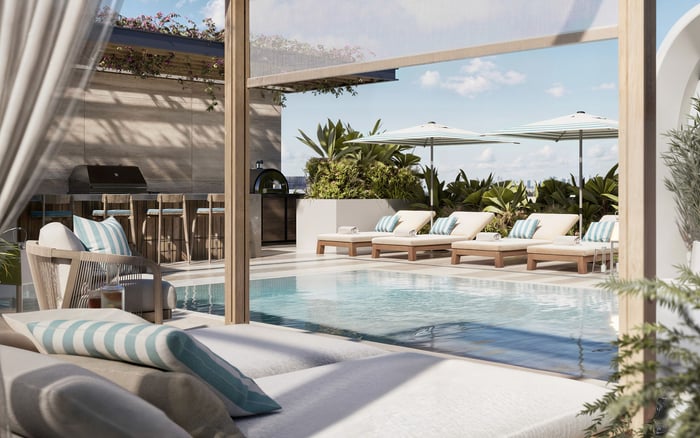
A discreet buyer’s guide to evaluating pool equipment noise during a private showing, from timing the visit to listening from bedrooms, terraces, balconies, and neighboring outdoor rooms.
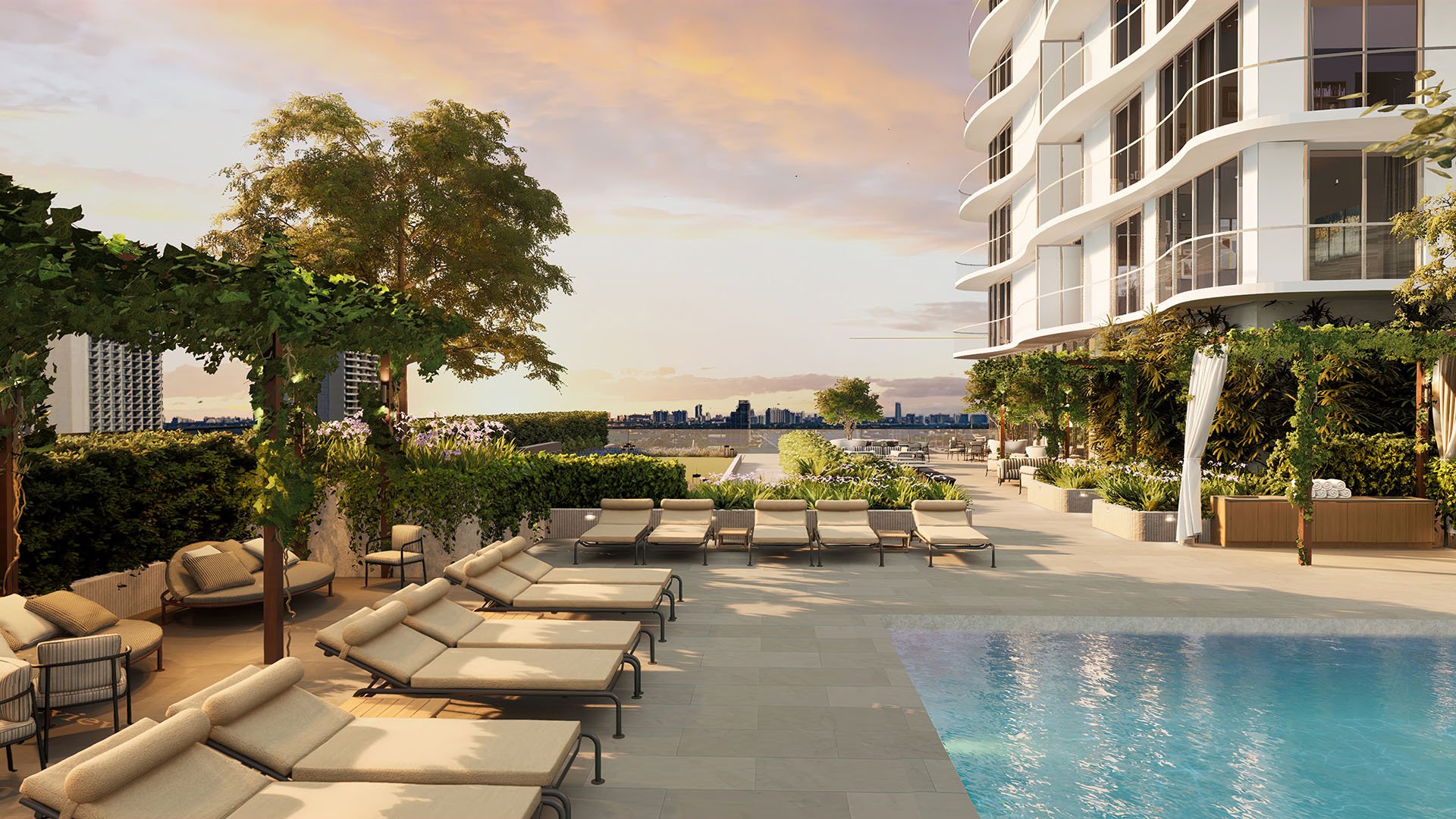
In South Florida luxury real estate, the pool is rarely an accessory. It is often the emotional center of the residence, shaping how a home entertains, relaxes, and lives after sunset. Yet during a polished private showing, pool equipment noise can be easy to miss. Conversation, music, fountains, open doors, and the natural excitement of the tour can all mask the mechanical sounds that may later define the atmosphere of a primary suite, terrace, garden lounge, or guest room.
A thoughtful buyer treats pool noise with the same discipline applied to light, privacy, ceiling height, and arrival sequence. The goal is not absolute silence. Pumps, heaters, automation systems, and water features all have operating sounds. The goal is to understand whether the sound is refined, intermittent, well located, and compatible with the way the property will actually be used.
This is especially important in dense waterfront settings, condominium amenity decks, Miami Beach residences, Fort Lauderdale estates, and single-family homes where equipment areas may sit close to outdoor dining, bedrooms, side yards, or neighboring structures.
The best test begins before you arrive. Ask that the pool, spa, heater, water features, and cleaning system be available to operate during the showing if they are part of the property experience. Do not rely only on a visual inspection of the pool surface or equipment pad. A pristine pool may still have distracting sound transmission if the equipment placement, enclosure, or vibration control is poorly resolved.
Plan to spend a few minutes in silence. This can feel unusual in a luxury showing, where the rhythm is usually conversational, but it is essential. Stand still, stop walking, and let the space reveal itself. If there is background music, ask for it to be turned off. If sliding doors are open, test both open and closed conditions. A home that feels serene with impact glass closed may feel very different when entertaining spaces are open to the pool.
Avoid testing only at midday. Late afternoon and evening are often more revealing because ambient neighborhood sound may drop, and pool or spa use becomes more likely. If a second visit is possible, ask for one at a quieter time of day.
Begin at the primary suite. Stand near the bed wall, the terrace door, and any sitting area. If the equipment is audible here, decide whether the sound is a soft mechanical hum, a sharp tonal whine, a pulsing vibration, or a start-stop disturbance. The character of sound often matters more than volume. A low, steady background may be tolerable. A high-frequency tone can become fatiguing.
Next, listen from guest suites. Buyers often focus on their own bedroom but forget that visiting family, staff quarters, or children’s rooms may sit closer to the equipment side of the property. In a condominium, also test from the balcony if the unit faces an amenity pool or mechanical zone. Sound can travel upward and reflect off architectural surfaces in ways that are not obvious from the pool deck.
Move to the principal entertaining spaces. Dining terraces, covered lounges, summer kitchens, cabanas, and outdoor bars should be evaluated as conversation zones. If guests must raise their voices near the pool, the issue is no longer technical. It has become a lifestyle concern.
Ask for the pool system to be demonstrated in stages. First, listen with the basic circulation pump running. Then test the spa mode, jets, heater, water feature, cleaner, and any automation sequence available during the showing. Each mode can produce a different sound profile. A pump may be subtle, while a spa blower or water feature may dominate the outdoor space.
Stand near the equipment enclosure, but do not stop there. The pad itself will naturally be louder. What matters is how sound migrates into the living environment. Walk the path from the equipment area to the pool, then to the nearest bedroom, then to the outdoor dining area. Notice whether vibration travels through walls, decking, planters, or built-in cabinetry.
If the property has an equipment room, listen at the door, adjacent walls, and any rooms above or beside it. A well-presented room can still transmit vibration if the mechanical isolation is insufficient. The buyer does not need to diagnose the engineering during the showing, but should identify whether a specialist review is warranted.
Private showings are designed to flatter a residence. That is appropriate, but it can make acoustic judgment more difficult. Waterfalls, deck jets, music, air conditioning, traffic, and conversation may hide pump noise. Conversely, a completely still pool may understate the sound of the home in real use.
Ask what is currently running. If a water feature is on, listen with it off. If the spa is off, listen with it on. If the pool cleaner is not operating, ask whether it can be activated or demonstrated later. The key is to isolate each sound source rather than accepting the staged atmosphere as the whole truth.
Also observe neighboring conditions. In a tight luxury enclave, sound may come not only from the property being shown but from adjacent pools, generators, fountains, or exterior mechanical equipment. The question is not blame. The question is whether the total soundscape supports the calm expected at the price point.
A buyer who plans to entertain frequently should evaluate pool noise differently from a buyer who wants a restorative retreat. A weekend residence may be judged by its evening ambience. A family home may be judged by bedroom quiet and daytime use. A condominium buyer may focus on whether amenity pool sound reaches the unit during rest hours.
Think in scenes. Morning coffee by the pool. Dinner on the terrace. A guest sleeping in the suite closest to the equipment wall. A spa session after dark. A quiet work call from the balcony. If the mechanical sound intrudes on these scenes, the issue should be discussed before any offer strategy is finalized.
This does not mean walking away from an otherwise exceptional property. Some concerns may be solvable with equipment relocation, enclosures, vibration pads, variable-speed upgrades, landscaping, or operational scheduling. But the cost, feasibility, and approval path should be understood before the noise becomes part of daily life.
Ask direct, practical questions without turning the showing into an inspection. Which pool functions are running now? Where is the equipment located? Are there scheduled operating hours? Has any equipment been recently replaced? Are there known noise complaints from owners, neighbors, or association management? Are water features typically used during entertaining, or mainly for presentation?
For condominium and managed residences, ask how amenity pool equipment is controlled and whether owners can hear it from specific lines or exposures. For single-family homes, ask whether the equipment location was original, modified, or screened after construction. If the answer is uncertain, note it for follow-up rather than pressing for speculation.
A serious buyer may also request that a pool contractor or acoustic consultant evaluate the condition during diligence. That step is particularly useful when the residence is otherwise compelling but the listening test reveals vibration, tonal noise, or operating modes that were not fully demonstrated.
Pool equipment noise is not a minor afterthought. It belongs in the same conversation as exposure, privacy, view corridors, and outdoor room planning. In the best residences, mechanical systems support the lifestyle without announcing themselves. The pool feels effortless because the infrastructure has been considered with restraint.
During a private showing, the most effective test is simple: slow the pace, quiet the setting, operate each mode, and listen from the places where life will happen. A beautiful pool should not only photograph well. It should sound right.
Should I ask to turn on all pool equipment during a private showing? Yes. Ask to hear each major function separately so you can understand the sound of normal use.
Where should I stand when testing pool noise? Listen from the primary suite, guest rooms, outdoor dining areas, pool deck, and any balcony or terrace.
Is some pool equipment noise normal? Yes. The concern is whether the sound is intrusive, tonal, vibrating, or poorly located for daily living.
Can music or water features hide pool equipment noise? Yes. Ask to turn off masking sounds so the mechanical profile can be heard clearly.
Should I test the spa separately from the pool? Yes. Spa modes, jets, heaters, and blowers may sound different from basic pool circulation.
Does equipment location matter as much as equipment quality? Yes. Even refined equipment can be disruptive if it sits near bedrooms or entertaining areas.
Can pool noise usually be fixed after purchase? Sometimes. Solutions may exist, but feasibility, approvals, and cost should be reviewed during diligence.
Is pool noise different in condominiums? It can be. Amenity pool sound may travel upward or reflect across façades and outdoor spaces.
Should I bring a specialist to a second showing? If the property is otherwise strong but the sound is questionable, a specialist visit can be prudent.
What is the simplest rule for buyers? If the pool sound changes how you would sleep, dine, or entertain, treat it as a material issue.
For a discreet conversation and a curated building-by-building shortlist, connect with MILLION.
If branded residences are on your mind — as a home or as an allocation — we would be glad to share what we are seeing, privately.
Begin a quiet conversation