Outdoor kitchens can materially shape daily enjoyment, maintenance obligations, and long-term ownership comfort. Luxury buyers should review them separately from interiors, terraces, pools, and general inspections so utilities, finishes, warranties, ventilation, drainage, and association rules receive focused attention before deadlines become compressed.
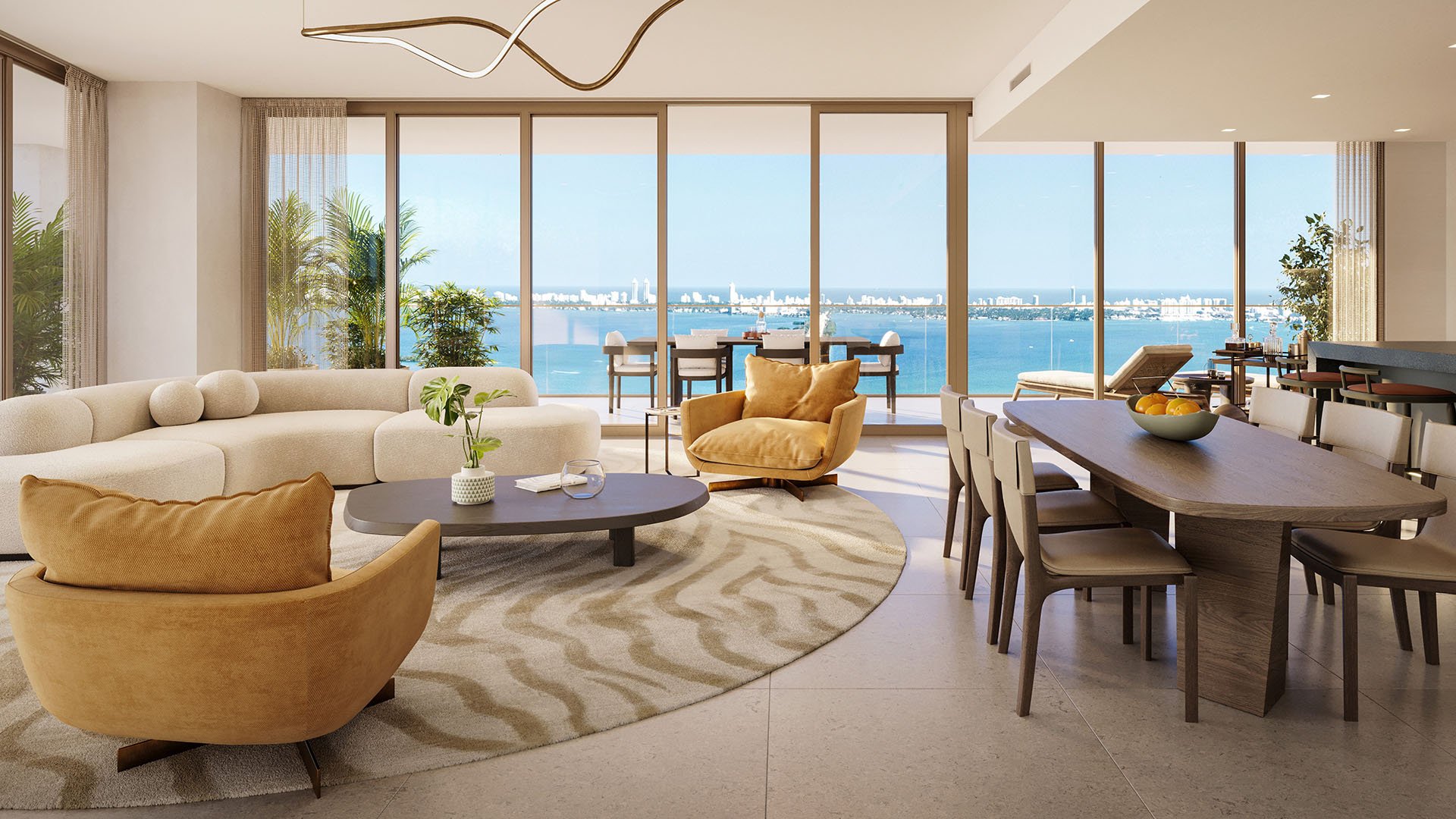
In South Florida luxury real estate, the outdoor kitchen is no longer a decorative afterthought. It is often where a residence becomes personal: morning coffee by the water, a quiet lunch after a swim, dinner prepared outdoors as evening air moves across the terrace. Yet because the feature feels lifestyle-led, buyers can underestimate the technical review it deserves.
A separate due-diligence conversation gives the outdoor kitchen its own agenda. It keeps the subject from being reduced to a passing note about appliances or terrace finishes. The purpose is not to complicate the purchase. It is to protect the experience the buyer believes they are acquiring.
Whether the search brief centers on Miami Beach, Fort Lauderdale, a balcony, a terrace, a pool, or new construction, the principle is the same: outdoor cooking areas concentrate architecture, utilities, weather exposure, association rules, and ongoing maintenance in one compact zone. That combination makes them worthy of focused attention.
A polished outdoor kitchen can look straightforward at first glance: grill, refrigeration, storage, countertop, sink, lighting, and seating. For a buyer, the more important questions are operational. What utilities serve the area? Are they permanent, permitted, and accessible? Is drainage adequate? Are the appliances designed for exterior use? How are shutoffs reached? What happens during heavy rain, salt air exposure, or prolonged vacancy?
This conversation should include the buyer’s advisor, inspector, and, when appropriate, a contractor or appliance specialist. In a condominium or managed community, the review should also address association rules. Some buildings and communities may regulate exterior equipment, gas use, ventilation, noise, smoke, placement, and future modifications. The outdoor kitchen may be physically present, but the buyer still needs to understand how it can be used, repaired, or upgraded.
The best question is not simply, “Does it work?” It is, “Will this perform as expected for the way I intend to live?”
Outdoor kitchens bring multiple systems into a space exposed to the elements. Gas, electric, water, drainage, lighting, refrigeration, and sometimes mechanical ventilation can all be involved. Each system should be reviewed individually, then considered as part of the full installation.
Buyers should confirm that outlets, lighting, refrigeration, and cooking equipment are appropriate for exterior conditions. If gas is present, the location of shutoff valves and the condition of lines should be discussed. If a sink is included, the buyer should ask how water supply and drainage are handled. If the cooking area sits near walls, overhangs, screens, or neighboring residences, ventilation and heat clearance become especially important.
Access is another quiet but consequential issue. A beautifully paneled installation can conceal valves, panels, filters, or service points. If routine maintenance requires removing stone, cabinetry, or custom millwork, the apparent convenience of the outdoor kitchen may become less practical over time.
Outdoor kitchen finishes endure harsher conditions than interior finishes. Sun, moisture, salt air, heat, cooking residue, and cleaning products all test the materials. A countertop may photograph beautifully, but a buyer should understand how it performs outdoors. Cabinetry, hardware, appliance trim, grout, stone edges, and sealants should be inspected for durability and serviceability.
This is especially important when the outdoor kitchen is part of a larger entertaining composition. When it connects visually to a pool deck, waterfront terrace, garden lounge, or covered dining area, deterioration in one element can affect the entire presentation. Luxury buyers are often comfortable with maintenance, but they should not be surprised by it.
A separate review also helps distinguish design value from replacement risk. Some outdoor kitchens are built with robust exterior materials and serviceable components. Others are styled to look complete but may rely on finishes or equipment better suited to lighter use. The difference is not always visible during a brief showing.
Technical diligence is essential, but lifestyle diligence is equally important. Buyers should ask how often they genuinely expect to cook outdoors, whether they prefer formal entertaining or casual family use, and whether the layout supports both. A large grill that interrupts circulation may be less desirable than a simpler installation with better seating. A sink may be valuable for frequent hosting, while extra refrigeration may matter more for a second-home owner who entertains on weekends.
The conversation should also consider privacy and comfort. Is the cooking zone shaded at the time of day the buyer expects to use it? Is there enough task lighting after sunset? Does smoke drift toward dining areas or neighboring terraces? Is the person cooking isolated from guests or integrated into the gathering?
These questions turn the outdoor kitchen from a marketing feature into a lived space. The most successful luxury purchases are not only visually compelling. They are operationally aligned with the owner’s daily habits.
Outdoor kitchen questions should not wait until the final walk-through. By then, the buyer may have limited leverage and little time to obtain specialist feedback. A focused conversation early in due diligence allows the buyer to request documents, ask targeted questions, evaluate repair priorities, and understand whether any concerns affect the broader negotiation.
For a resale property, the discussion may center on condition, service history, replacement needs, and whether all components are included. For a new or recently completed residence, it may focus on warranties, finish specifications, appliance documentation, and permissible future modifications. In either case, timing is the buyer’s advantage.
A separate conversation also reduces ambiguity. If the buyer expects the outdoor kitchen to remain exactly as shown, that expectation should be reflected in the transaction review. Appliances, accessories, loose equipment, custom covers, and movable furnishings should not be assumed without confirmation.
A practical outdoor kitchen review can be organized into five themes. First, confirm what is included: appliances, cabinetry, counters, fixtures, lighting, covers, and accessories. Second, review systems: gas, electric, water, drainage, ventilation, and shutoffs. Third, evaluate condition: corrosion, staining, cracks, loose hardware, leaks, appliance performance, and service access. Fourth, clarify rules: association restrictions, insurance considerations, alteration limits, and permitted use. Fifth, test lifestyle fit: shade, seating, views, privacy, cooking style, and maintenance tolerance.
This framework keeps the conversation disciplined. It also gives buyers a more refined basis for comparison. Two residences may both advertise outdoor kitchens, yet one may offer a durable, well-integrated extension of the home while the other may require meaningful adjustment to meet the buyer’s standards.
In the ultra-premium market, value is often protected through details that are not immediately dramatic. An outdoor kitchen may not define the entire acquisition, but it can define how often the owner uses the terrace, how comfortably guests gather, and how confidently the residence performs during the season.
A separate due-diligence conversation signals seriousness. It respects the architecture, the lifestyle promise, and the buyer’s time. Most importantly, it turns a beautiful outdoor moment into a fully understood ownership decision.
Why should an outdoor kitchen be reviewed separately? It combines utilities, exterior finishes, appliances, drainage, and usage rules, making it too complex for a brief general inspection note.
Should the review happen before or after the inspection? It should be scheduled during the due-diligence period so findings can be evaluated before key contract deadlines.
What should buyers ask about appliances? Buyers should confirm whether appliances are rated for exterior use, operational, included in the sale, and accessible for service.
Why is drainage important? Poor drainage can affect cabinetry, flooring, counters, and adjacent entertaining areas, especially in exposed exterior locations.
Do condominium rules matter? Yes. Association rules may affect cooking equipment, smoke, gas use, alterations, noise, storage, and future repairs.
Should buyers request service records? When available, service records can help clarify how the installation has been maintained and whether recurring issues exist.
What if the outdoor kitchen looks new? A new appearance does not replace review of utilities, warranties, installation quality, material suitability, and permitted use.
Can outdoor kitchen concerns affect negotiations? They can, particularly if repairs, replacements, documentation gaps, or rule limitations change the buyer’s expected use.
Is lifestyle fit really part of diligence? Yes. Shade, seating, privacy, lighting, and cooking habits determine whether the space will be used as envisioned.
Who should participate in the conversation? The buyer, advisor, inspector, and, when needed, a contractor or appliance specialist should coordinate the review.
For a confidential assessment and a building-by-building shortlist, connect with MILLION.
If branded residences are on your mind — as a home or as an allocation — we would be glad to share what we are seeing, privately.
Begin a quiet conversation