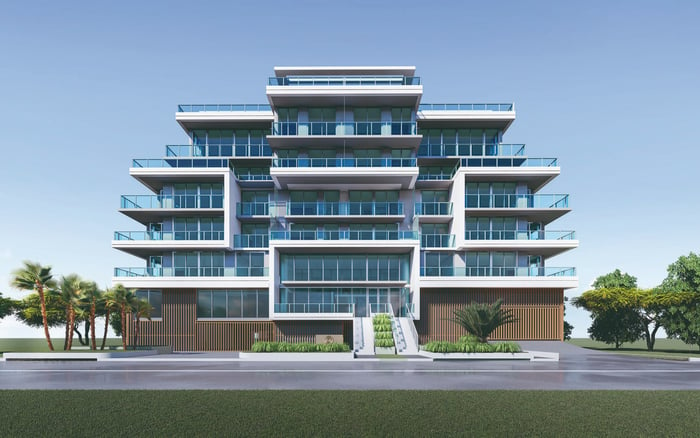
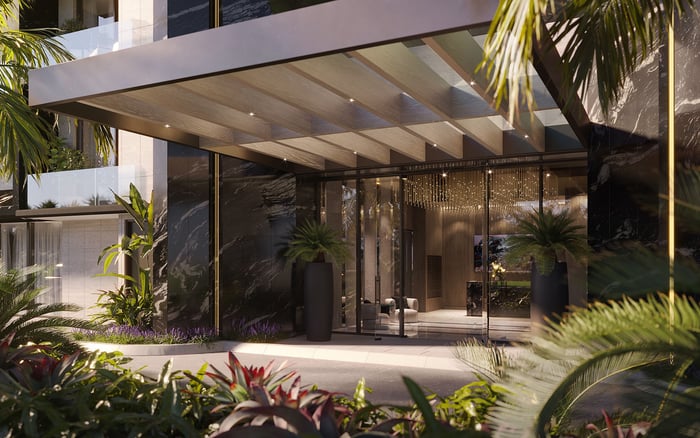
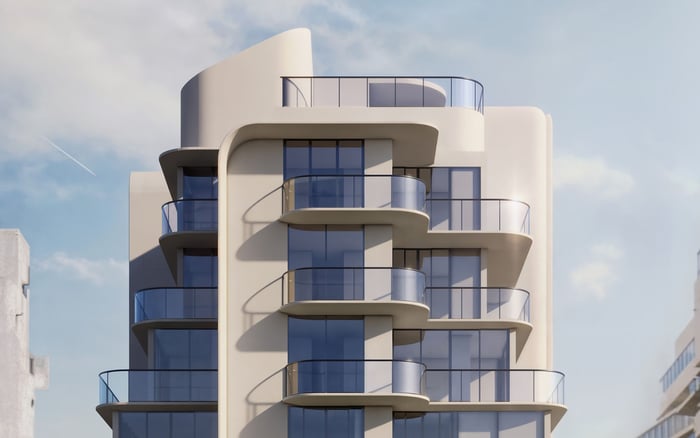
A discreet buyer’s guide to assessing light, glare, and view durability at Alana Bay Harbor Islands, with practical questions for evaluating waterfront livability before choosing a stack.
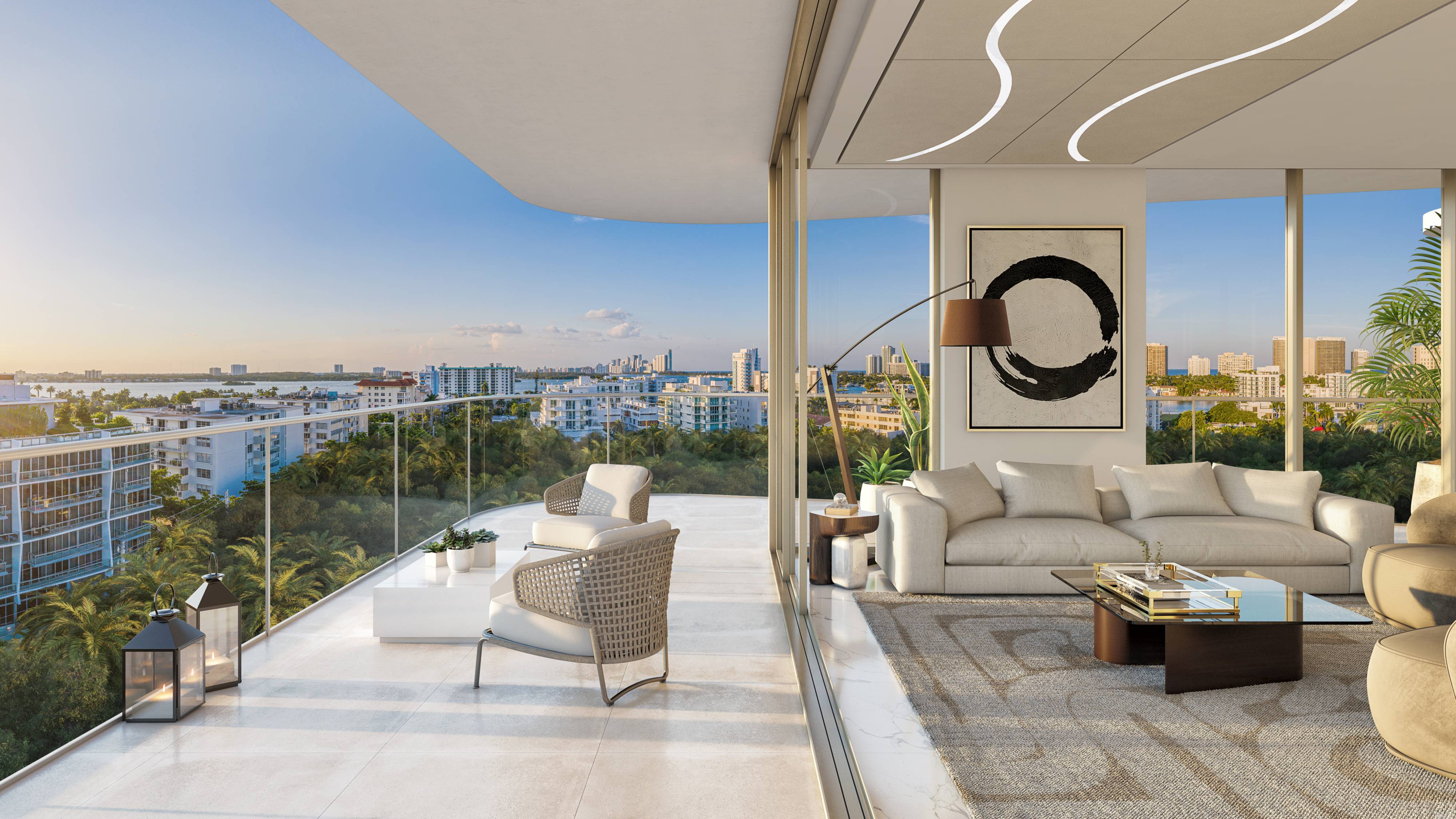
At Alana Bay Harbor Islands, the most sophisticated buyer question is not simply whether a residence sees the water. It is whether that view remains comfortable at breakfast, workable during afternoon calls, serene at sunset, and credible as a long-term value signal. Bayfront light can be spectacular, but in South Florida it is also an active design condition: bright, reflective, and highly dependent on angle.
A polished bay view can create a sense of openness that is difficult to replicate inland. It can also introduce glare when sun angle, viewing position, and reflected brightness converge. The difference between sparkle and discomfort is often subtle during a short showing, then unmistakable after a full day in residence. That is why Alana buyers should evaluate light as part of the floor plan, not as an afterthought to the view.
At this Bay Harbor scale, boutique does not mean simple. It means every waterfront, waterview, and balcony condition deserves its own review. One residence may feel beautifully illuminated in the morning and visually intense later in the day. Another may trade some drama for steadier comfort, better shade, and a more composed relationship to nearby structures.
Bayfront light should be judged through several lenses at once: unit exposure, floor level, balcony depth, glazing, and the position of neighboring buildings. None of these factors acts alone. A higher floor may gain more sky and openness, but it can also receive brighter, less interrupted light. A deeper balcony may soften exposure and extend usable outdoor space, while shallow shade can leave interiors more exposed to low-angle sun.
Large window walls are a defining luxury feature in many waterfront residences, but they deserve practical scrutiny. When glass faces low-angle sun, visual comfort can become more fragile. Buyers should stand where they will actually live: at the dining table, on the sofa, near a work surface, and beside the primary bedroom windows. The issue is not whether the room is bright. The issue is whether that brightness can be controlled without making the residence feel closed.
This is where buyer discipline matters. A short visit can overemphasize drama. A more considered evaluation asks how the residence behaves when the sky is bright, the water is active, and neighboring façades are reflecting light. The most livable stack is often the one that balances view width with shade, privacy, and interior calm.
In a bayfront setting, glare can come from more than water. Reflections may arrive from highly glazed neighboring façades, pale paving, bright sky, and the surface of the bay itself. The discomfort is not always constant. It may appear only when sun angle, reflection path, and seating position align, which makes it easy to miss during a single appointment.
Practical mitigation starts with the architecture and continues inside the residence. Balcony overhangs can help filter direct exposure. Selective glazing strategies can reduce intensity. Layered window treatments allow a room to stay usable without becoming dark. Interior finish choices matter as well; highly reflective stone, lacquer, mirror, and pale flooring can amplify brightness when placed in the wrong sightline.
This is especially relevant in South Florida’s bright coastal climate, where the distinction between luminous and glaring can determine daily comfort. The best interiors do not fight the water. They choreograph it, allowing reflected light to animate a room without dominating it.
For Alana buyers, the word “view” should be divided into two categories: current view and protected view. A current view is what a residence sees today. A protected view is one that is meaningfully insulated from future change. Those are not always the same thing.
View durability depends on surrounding parcel patterns, zoning limits, height allowances, setbacks, and the practical likelihood of redevelopment nearby. A residence with open bay, skyline, and sky exposure may carry stronger long-term value perception than a similar unit with a constrained or wall-facing outlook. But even an attractive outlook deserves a careful review of adjacent sites and what may be possible over time.
This is not a reason to avoid bayfront buying. It is a reason to buy with precision. Nearby Bay Harbor Islands residences such as Onda Bay Harbor and La Maré Bay Harbor Islands underscore how closely the neighborhood’s luxury conversation is tied to water, sky, privacy, and boutique-scale positioning. In that context, stack selection is both an emotional and analytical decision.
The strongest selection process begins by separating beauty from performance. A buyer may love the first impression of a broad outlook, but the next questions should be more exacting. Where does the sun enter? How does the balcony shade the glass? What does the room feel like when shades are open? Where are the reflective surfaces outside and inside? How close are neighboring structures, and could that condition change?
It is also useful to compare Alana with other Bay Harbor Islands options such as Bay Harbor Towers and The Well Bay Harbor Islands, not as substitutes for the same lifestyle, but as reference points for how light, massing, and outlook can vary within a compact waterfront market. The same buyer may respond differently once daylight quality, shade, and view risk are considered together.
For some purchasers, the premium choice may be the most open bay exposure. For others, the superior daily residence may be a slightly more sheltered line with better glare control and a calmer interior atmosphere. The right answer depends on how the home will be used: full-time living, seasonal residence, remote work, entertaining, or quiet retreat.
Luxury buyers often speak about views as if they are static images. In reality, a waterfront view is a moving condition. It changes with weather, boat traffic, water texture, cloud cover, and the time of day. That dynamism is part of its appeal, but it also means a residence should be assessed as a living environment rather than a postcard.
The Alana conversation belongs in this more refined category of due diligence. Not every bright room is equally livable. Not every water view is equally durable. Not every dramatic wall of glass performs the same way once sun, reflection, privacy, and future development risk are considered.
The most confident buyer will ask for more than a beautiful outlook. They will ask for a residence that can hold its atmosphere throughout the day, preserve a credible relationship to the bay, and support the kind of quiet luxury that does not require constant adjustment.
What should Alana buyers study first? Start with exposure, floor level, balcony depth, glazing, and the position of nearby structures. These factors shape both the view and the comfort of the interiors.
Can a water view create too much glare? Yes. Water reflections can become uncomfortable when sun angle, viewing position, and reflected brightness align.
Is glare only a problem on the water side? No. Glare may also come from glazed neighboring façades, pale paving, bright sky, and reflective interior finishes.
Why does balcony depth matter? Balcony depth can provide exterior shading that softens direct sun before it reaches the glass. It may also improve outdoor usability during brighter parts of the day.
Are current views the same as protected views? Not necessarily. A current view is what exists today, while a protected view depends on surrounding parcels, zoning, setbacks, and redevelopment potential.
What makes one stack feel more valuable than another? Open bay, skyline, and sky exposure may support stronger long-term value perception. Constrained or wall-facing outlooks can feel less durable.
Should buyers visit at more than one time of day? When possible, yes. Light and glare can change significantly as the sun angle shifts across the day.
Can interiors reduce glare after purchase? Yes. Layered window treatments, selective finishes, and careful furniture placement can help manage brightness.
Is a brighter residence always better? No. The most desirable residence is often the one that balances natural light with shade, privacy, and visual comfort.
How should buyers compare Alana with nearby projects? Compare outlook, daylight quality, balcony shade, and the likelihood of future view changes. The best choice is the one that fits daily use, not only first impression.
If you'd like a private walkthrough and a curated shortlist, connect with MILLION.
If branded residences are on your mind — as a home or as an allocation — we would be glad to share what we are seeing, privately.
Begin a quiet conversation