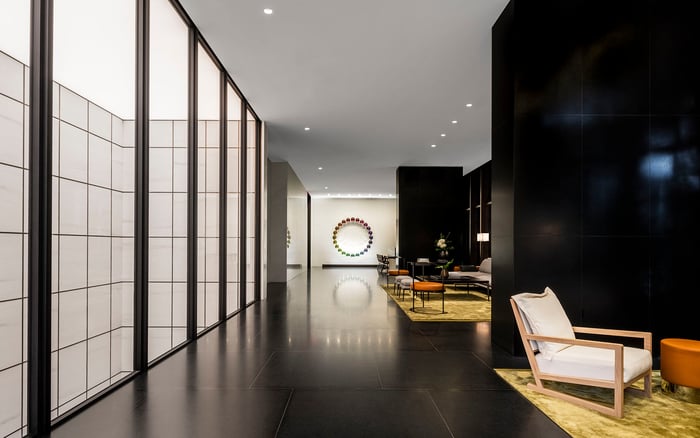
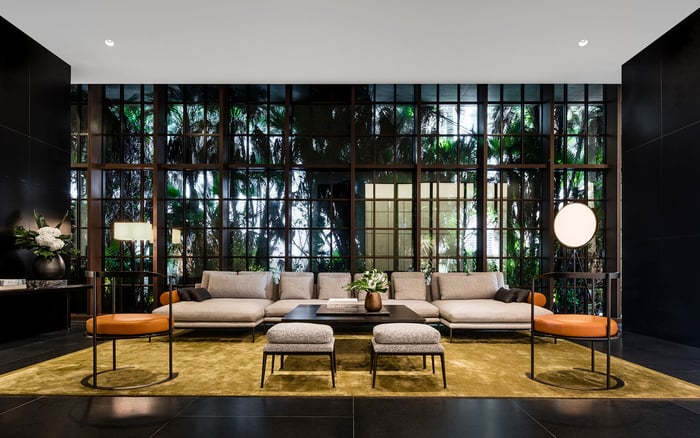
A buyer-oriented look at Onda Bay Harbor as a boutique, marina-focused condominium where service culture, seasonal use, privacy, and governance shape everyday ownership.
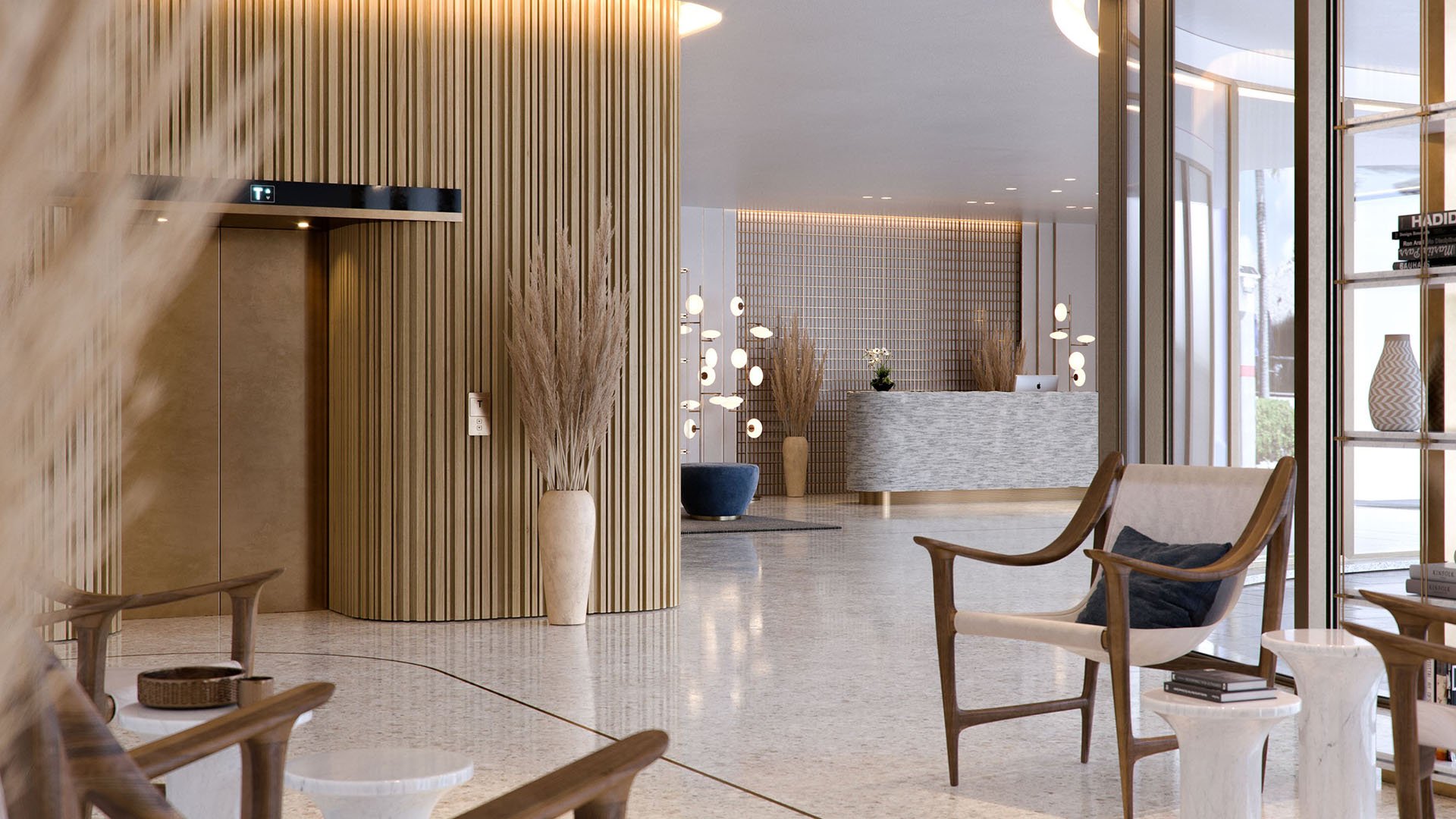
Onda Bay Harbor occupies a specific lane in South Florida luxury: intimate, water-oriented, and deliberately removed from the spectacle of larger resort corridors. For buyers considering the property, the central question is not simply how the building looks. It is how the building lives.
That distinction matters in Bay Harbor Islands, where privacy and calm can be as valuable as visibility. Onda is positioned around boutique waterfront living rather than large-scale resort-tower density, with a marina-focused identity that places boating access and water orientation close to the center of daily life. The setting is residential in tone, pairing a lower-key island atmosphere with proximity to Bal Harbour retail and dining.
For a certain buyer, that mix is precisely the point. The appeal is not maximal activity. It is a more discreet rhythm: arriving without ceremony, using the water naturally, knowing the building, and feeling that service is personal rather than performative.
Boutique is more than a marketing word in this context. In a smaller luxury condominium, the owner experience is shaped by details that can feel diluted in much larger towers: how staff recognize residents, how amenity spaces are scheduled, how maintenance is anticipated, and how the building responds during seasonal peaks.
A large resort-style tower often sells breadth. A boutique waterfront building sells proportion. The success of the experience depends on whether the service culture feels polished without becoming theatrical, and whether privacy is protected without making the property feel inactive. Onda’s intended lifestyle is intimate, private, and residential, which makes the operational feel of the building especially important.
That is also why buyers comparing Onda with other Bay Harbor Islands offerings, such as Alana Bay Harbor Islands and La Maré Bay Harbor Islands, should look beyond finishes and views. The more useful question is how each building’s scale, waterfront orientation, and service expectations align with the way the buyer actually intends to live.
In a boutique condominium, service culture can be the most important amenity because it governs the daily transitions of ownership. It influences arrival, privacy, guest handling, package flow, vendor coordination, boat days, maintenance communication, and the tone of shared spaces.
Onda’s appeal is framed around architecture, waterfront setting, and high-touch residential service culture. The phrase high-touch is important, but it should not be confused with hotel-style intensity. The more appropriate measure is discretion. Owners in this segment often want staff to be attentive but not omnipresent, responsive but not intrusive, and consistent enough that the building develops a recognizable personality.
That balance is delicate. Too little service and a boutique property can feel under-supported. Too much staging and it can lose the quiet residential character that made it attractive in the first place. At Onda, the ownership experience depends on the successful middle ground: service as confidence, not performance.
Marina orientation gives Onda a distinct identity within the local luxury conversation. Waterfront living in South Florida is often discussed through views, but for boating-minded owners, the more meaningful question is access and cadence. A marina-focused building changes the way residents use weekends, host guests, plan mornings, and think about convenience.
That does not mean every buyer must be a boater. Water orientation also shapes atmosphere. It brings a different pace to the property, one connected to arrivals by sea, reflected light, open views, and the quieter rituals of bayfront ownership. For some residents, that rhythm is the lifestyle advantage over a more visible oceanfront address.
The comparison is especially clear for buyers also considering larger coastal statements in Miami Beach or Surfside. A project such as The Perigon Miami Beach belongs to a different kind of luxury conversation, one shaped by a higher-profile beachfront setting. Onda’s proposition is calmer and more inward-facing, with waterfront identity expressed through intimacy rather than scale.
Many South Florida luxury condominiums operate around seasonal usage patterns. At Onda, that ownership rhythm is best understood as a living dynamic rather than a statistic. The building may feel different when more owners are in residence, when seasonal guests arrive, or when part-time residents return after time away.
This cadence affects more than atmosphere. It can influence staffing expectations, amenity programming, maintenance timing, and the social character of common areas. In a boutique building, those shifts are more noticeable because there are fewer layers between owner behavior and building culture.
For buyers, this is a governance question as much as a lifestyle question. A condominium like Onda should be evaluated as an operating community, not only as a design object or waterfront asset. The long-term quality of ownership depends on how the association, staff, and residents maintain standards over time.
Bay Harbor Islands offers a quieter residential alternative to the more visible luxury corridors of Bal Harbour and Surfside. That location gives Onda a strategic advantage: it can feel secluded without feeling disconnected. Owners can access the broader luxury ecosystem nearby while returning to an island setting that is less defined by public spectacle.
This is where Onda diverges from branded or resort-style alternatives. The buyer who wants the energy of a grand arrival may be drawn elsewhere. The buyer who values privacy, water access, and a smaller ownership circle may find Onda more aligned.
Even within the immediate area, comparisons should be precise. Bay Harbor Towers may enter the conversation for buyers focused on Bay Harbor Islands, while Rivage Bal Harbour speaks to those who want a Bal Harbour address. Onda’s position is defined by the balance between design identity, marina orientation, privacy, and the operational feel of a small luxury condominium.
The most important due diligence at Onda is experiential. Buyers should consider how often they will use the residence, whether boating access is central or secondary, how much privacy they expect, and whether they prefer residential calm over resort theater.
They should also pay close attention to service expectations. In a boutique setting, staffing decisions and amenity programming can materially shape the owner experience. The best version of Onda is not merely beautiful. It is well-run, seasonally aware, and consistent in tone.
That is the ownership rhythm the title suggests: not a fixed schedule, but a pattern of living. Onda is about the way a building breathes over time, how it welcomes residents back, how it manages quiet days and busy weeks, and how it preserves the discretion that gives Bay Harbor Islands its enduring appeal.
What makes Onda Bay Harbor different from larger luxury towers? Onda is positioned around boutique waterfront living rather than large-scale resort-tower density, with a quieter, more residential feel.
Is Onda Bay Harbor a good fit for boating-oriented buyers? Yes. Its marina-focused identity makes water orientation and boating access central to the lifestyle proposition.
How important is service culture at Onda? It is central. In a smaller building, staffing, communication, and amenity programming can noticeably shape daily ownership.
Does Onda feel more residential or resort-like? Onda is framed as intimate, private, and residential rather than theatrically resort-like.
Why is Bay Harbor Islands appealing to luxury buyers? Bay Harbor Islands offers a quieter residential setting near Bal Harbour, with access to nearby retail and dining.
What should seasonal owners consider at Onda? Seasonal use can affect building cadence, staffing expectations, shared spaces, and the overall community rhythm.
Is Onda mainly about architecture or operations? It is both. The ownership experience depends on design, waterfront setting, service culture, and ongoing operations.
How should buyers compare Onda with branded residences? Buyers should weigh privacy, scale, service expectations, and whether they prefer boutique calm over a resort-style environment.
Does boutique scale create advantages for residents? Boutique scale can support a more personal, discreet, and familiar ownership experience when operations are well managed.
What is the core lifestyle promise of Onda Bay Harbor? The promise is private waterfront living with a calm island setting, marina orientation, and a refined residential cadence.
If you'd like a private walkthrough and a curated shortlist, connect with MILLION.
If branded residences are on your mind — as a home or as an allocation — we would be glad to share what we are seeing, privately.
Begin a quiet conversation