A discreet buyer’s guide to evaluating staff parking protocols before purchasing luxury real estate in Miami Design District, from household employee access to valet, garage governance, guest permissions, privacy, insurance, and resale implications.
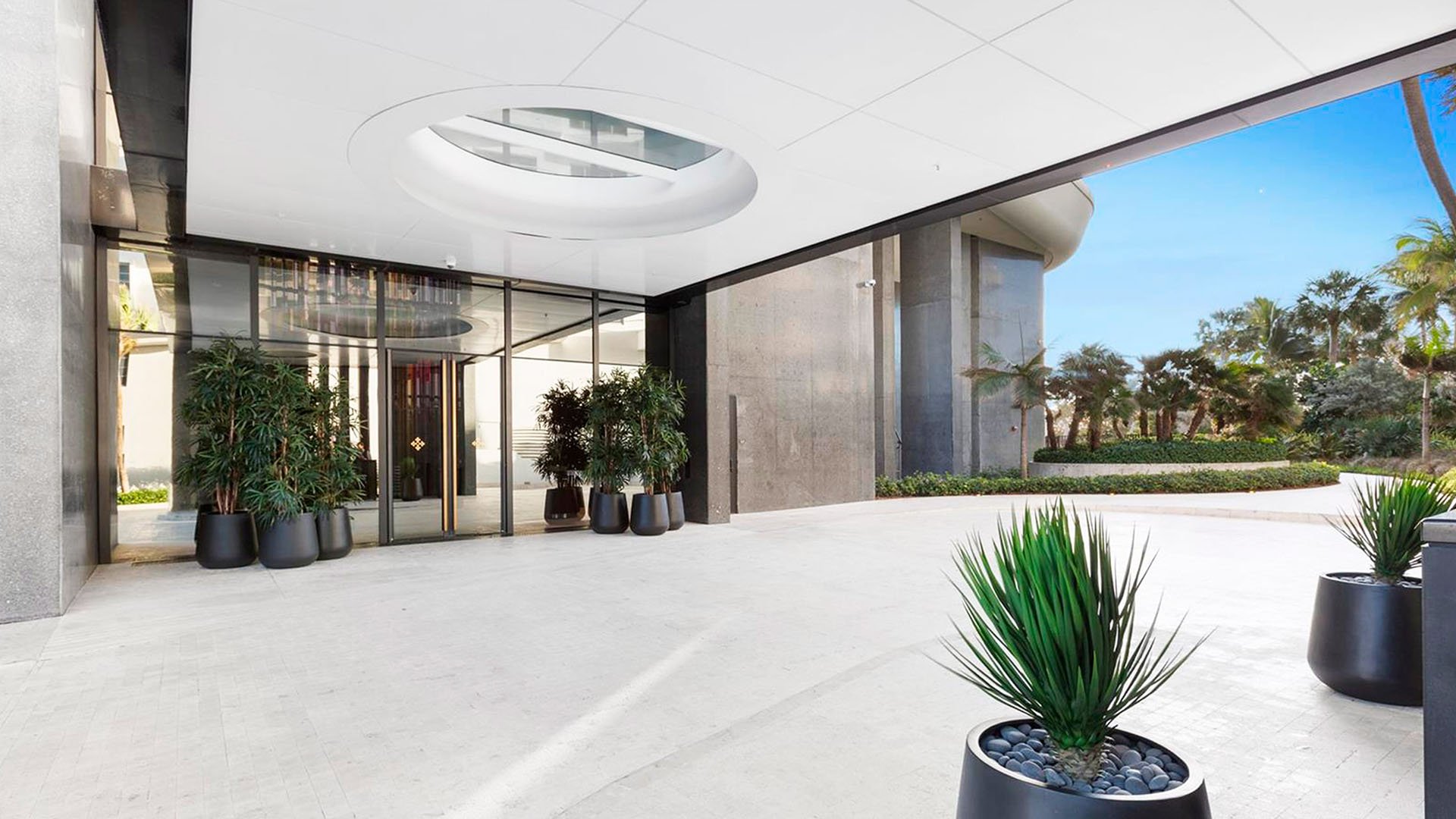
In luxury real estate, parking is often framed around owner spaces, valet presentation, and the ease of a covered arrival. For buyers in Miami Design District, however, the quieter question may matter more: where do the people who support the household actually park?
A private chef, nanny, nurse, housekeeper, estate manager, driver, personal trainer, security professional, or art handler may be part of the residence’s daily rhythm. Without a clear arrival protocol, friction appears quickly. A staff member circles the block. A valet desk improvises. A guest pass is misused. An owner’s assigned space becomes a rotating operational zone.
For buyers comparing boutique urban residences, including Kempinski Residences Miami Design District and Miami Design Residences Midtown Miami, staff parking belongs within the service architecture, not at the edge of the conversation. The protocol affects privacy, security, punctuality, household continuity, and the lived quality of the home.
Begin with definitions. Does the building distinguish among household employees, recurring vendors, domestic staff, licensed care providers, drivers, and short-duration service professionals? A vague answer can lead to inconsistent treatment at the front desk or valet stand.
Ask whether staff credentials are pre-registered by the owner, approved by management, renewed periodically, or issued visit by visit. If the residence will be used seasonally, confirm that the system can accommodate staff who work only during peak occupancy. If the home will be owned through an entity or family office structure, confirm who has authority to add or remove staff from the access list.
The best buildings do not rely on personality, memory, or informal recognition. They maintain written procedures that can be followed even when a familiar concierge, valet captain, or property manager is off duty.
The central question is simple: when staff arrive, where does the car go?
Ask whether staff may use valet, a resident garage, a designated service area, a temporary loading space, nearby off-site parking, or no building-controlled parking at all. If valet is permitted, ask whether staff vehicles are handled like owner and guest vehicles, whether a separate rate applies, and whether gratuity customs create practical expectations. If staff may self-park, ask whether access is granted by fob, license plate recognition, temporary pass, or attendant approval.
For buyers accustomed to estates and single-family homes, vertical living requires a different lens. The issue is not only whether space exists. It is whether the arrival, parking, elevator access, and departure sequence can function without exposing private routines or creating operational confusion.
Household staff are not the same as vendors. A nurse arriving daily at 7 a.m., a driver waiting for a school pickup, and a florist delivering before a dinner party place different demands on a building.
Ask whether the condominium documents or management rules distinguish recurring domestic staff from contractors, caterers, stylists, installers, dog walkers, personal shoppers, and event personnel. Ask how long each category may remain parked. Confirm whether service elevators must be reserved, whether loading dock rules apply, and whether vehicles may be left unattended while staff are upstairs.
This distinction matters in Design District because the lifestyle is often highly curated. Art, fashion, wellness, private dining, and travel calendars can generate a steady flow of support professionals. In a building with refined lifestyle programming, service traffic should feel invisible to residents while remaining controlled by management.
Staff parking is also a privacy matter. A prominent household may not want recurring staff vehicles clustered near the lobby. A family may not want drivers, tutors, or care providers announcing their arrival at the same front desk used by guests. A collector may need discretion when art handlers or specialist installers are scheduled.
Ask whether staff enter through the main lobby, a service corridor, a garage vestibule, or a separate controlled point. Ask what information appears on access logs and who can view it. Ask whether staff names, license plates, arrival times, and vehicle descriptions are retained by management. The right answer will not be identical for every buyer, but the protocol should be clear before contract deadlines.
Privacy-minded buyers looking beyond Design District may already evaluate this in full-service towers in Brickell, where branded and hospitality-led buildings such as 888 Brickell by Dolce & Gabbana make arrival experience part of the purchase conversation. The same discipline should apply in every urban luxury setting.
A parking protocol is only as useful as its economics. Ask whether staff parking is complimentary, billed daily, billed monthly, included in a service package, or unavailable except by exception. Ask whether there are blackout periods, event restrictions, overnight limitations, or caps on the number of staff vehicles per residence.
For a buyer with rotating personnel, one approved staff vehicle may not be sufficient. For a buyer with a live-in caregiver, overnight parking may be essential. For a buyer who entertains frequently, staff arrivals may overlap with guest arrivals and catering logistics. These scenarios should be raised before purchase, not negotiated after move-in.
If the answer is discretionary, ask who grants exceptions and whether approvals are written. A verbal assurance may feel reassuring during a sales tour, but the board, management company, or valet operator may change over time.
The correct place for staff parking answers is in writing. Ask for the relevant condominium documents, house rules, parking policies, valet procedures, move-in and delivery rules, and any current management guidance that governs recurring service personnel. If the residence is new-construction, ask how policies will be adopted, amended, and communicated before opening.
Buyer’s guides often focus on views, finishes, amenity levels, and private terraces. Sophisticated purchasers should add operational questions to that checklist. A residence may present beautifully and still be difficult to run if the building treats staff parking as an occasional nuisance rather than a predictable component of luxury living.
For comparison, buyers who maintain homes in Miami Beach may see a different approach to arrival management in established resort-style settings such as The Ritz-Carlton Residences® Miami Beach. The larger lesson is portable: service must be planned, documented, and aligned with the owner’s actual household pattern.
Before signing, ask direct questions. How many staff vehicles may be registered? Can staff use valet? Are there monthly staff parking arrangements? Is overnight parking allowed? Are drivers permitted to wait on property? Where do nannies, nurses, and housekeepers park during full-day shifts? How are vendors treated differently? Who approves exceptions? What happens during private events? Can the policy be changed without owner consent?
Then test the answers against your real life. A pied-à-terre with occasional housekeeping has different needs than a primary residence with daily staff. A collector, entertainer, executive, or family with children may need a more robust protocol. In Miami Design District, where refined living is as much about choreography as architecture, these small operational details determine whether a residence feels effortless.
Why should I ask about staff parking before buying? Staff parking affects household reliability, privacy, and daily service flow. It is easier to set expectations before purchase than after closing.
Should staff use valet or self-parking? The better option depends on the building’s rules, privacy needs, and the length of each visit. Ask for the written procedure for both options.
Can a building limit the number of staff vehicles? Yes, many buildings may set practical limits through parking rules or management protocols. Confirm any cap in writing before buying.
Are household employees treated differently from vendors? They should be clearly distinguished. A daily caregiver or nanny has different access needs than a short-term contractor or delivery team.
What should seasonal owners ask? Ask whether staff credentials can be activated only during occupancy periods. Also confirm who may authorize access when the owner is away.
Is overnight staff parking usually included? Do not assume it is included. Ask whether overnight parking is permitted, restricted, billed separately, or handled only by exception.
Can drivers wait on property? Some buildings may restrict waiting, idling, or use of porte cochere areas. Ask where a driver may remain during appointments or school runs.
Should I review parking rules with counsel? Yes, especially if staff support is essential to the residence. Counsel can help compare verbal assurances with governing documents.
What if the policy changes after I buy? Ask how parking policies are amended and who has authority to change them. Written governance matters more than informal custom.
What is the ideal staff parking protocol? The ideal protocol is discreet, written, repeatable, and matched to your household. It should protect privacy without compromising service.
For a confidential assessment and a building-by-building shortlist, connect with MILLION.
If branded residences are on your mind — as a home or as an allocation — we would be glad to share what we are seeing, privately.
Begin a quiet conversation