A discreet buyer’s guide for Mexico City residents evaluating wellness-led Miami homes, with practical criteria for privacy, services, location, and daily ritual.
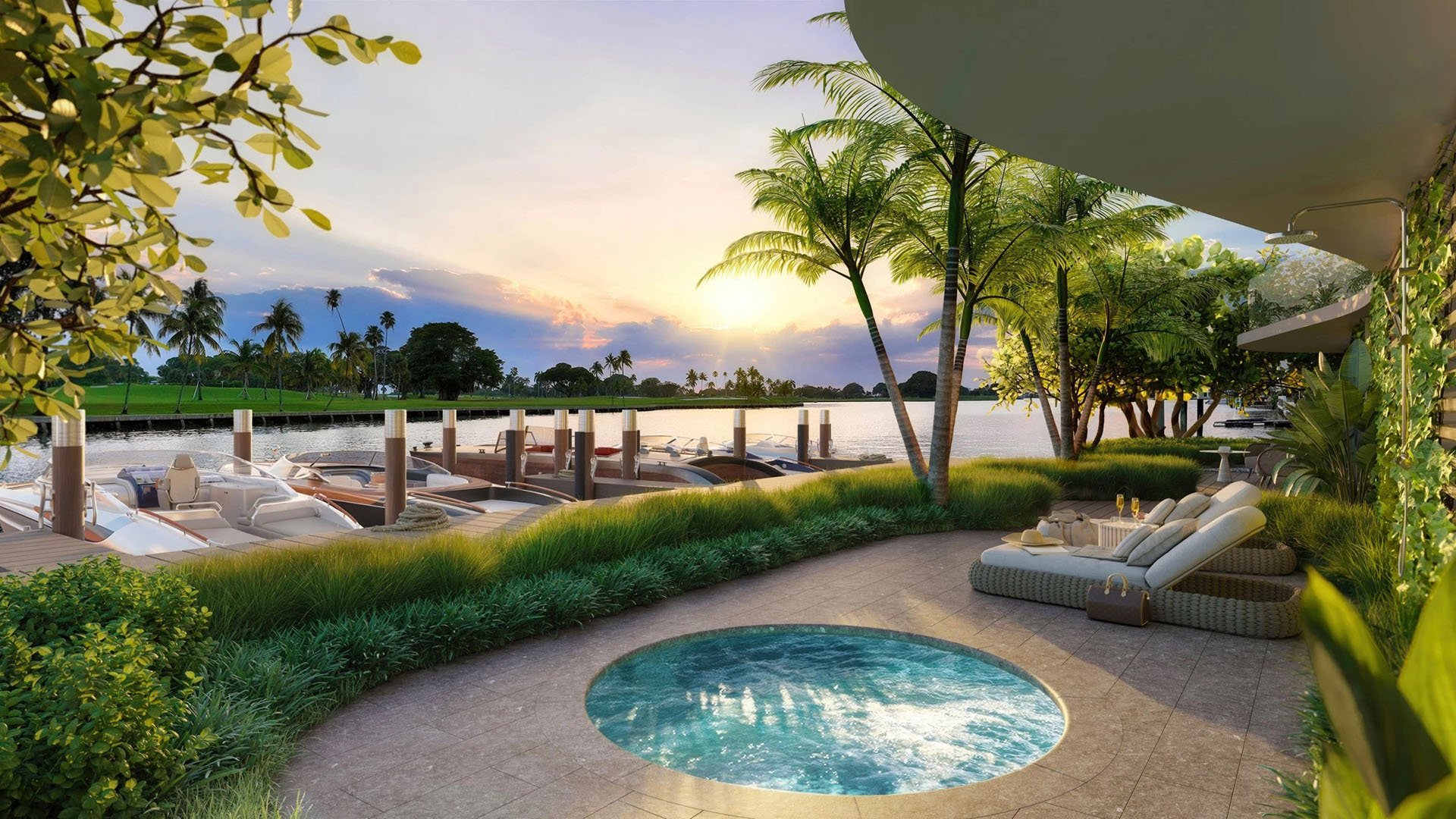
For a Mexico City buyer, Miami’s most persuasive residences are not simply larger, newer, or closer to the water. The real distinction is how the home edits daily life. A wellness-led residence should make the day feel calmer from the first hour: quieter arrivals, natural light that does not overwhelm, fitness and recovery spaces that are easy to use, and a location that supports both privacy and momentum.
That is why this is best approached as a lifestyle decision before it becomes a property decision. Mexico City buyers are often fluent in design, dining, culture, security, and service. Miami answers with a different rhythm: more outdoor living, more water, more resort-level programming, and a residential market where wellness has moved from amenity language into the architecture of daily routine.
This guide focuses on how to choose with discipline. The best building is not always the one with the longest amenity menu. It is the one whose wellness promise aligns with how you actually live.
Before comparing addresses, define what wellness means in practical terms. For some buyers, it is a serious gym, lap swimming, spa treatment rooms, and on-site recovery. For others, it is acoustic privacy, filtered light, generous terraces, and the ability to entertain without compromising family life. A strong search begins by ranking these priorities in order.
Ask three questions early. Do you want wellness as a private ritual inside the residence, as a staffed club environment within the building, or as a neighborhood lifestyle outside the front door? Do you prefer calm all week, or energy nearby with retreat built into the home? Will the residence be a full-time base, a second home, or a flexible family landing point?
The answer will immediately narrow the geography. Brickell, Miami Beach, Coconut Grove, and Bay Harbor Islands can all support a wellness-led purchase, but each does so differently.
Brickell is the choice for buyers who want Miami’s financial and social energy close at hand, yet still expect the residence to perform as a sanctuary. In this setting, wellness is less about isolation and more about intelligent buffering: private elevators where available, thoughtful arrival sequences, high-quality amenity floors, and residences designed to soften the pace of the city.
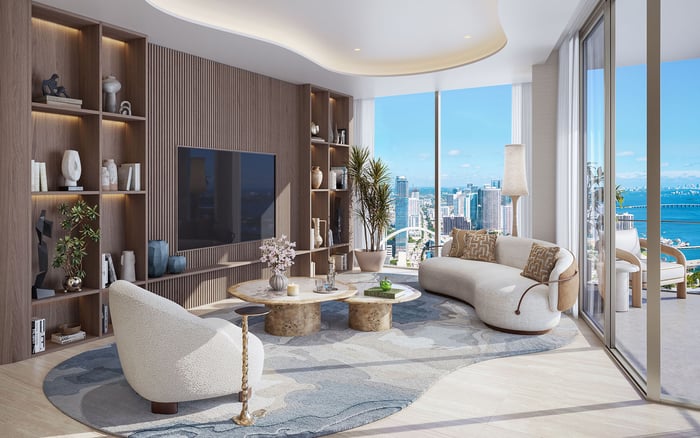
A buyer considering Brickell should study elevator planning, valet flow, amenity placement, and residence orientation. Views matter, but so do sound, glare, and the way the plan separates entertaining from bedrooms. In a dense urban setting, the most livable residences give the owner control over intensity.
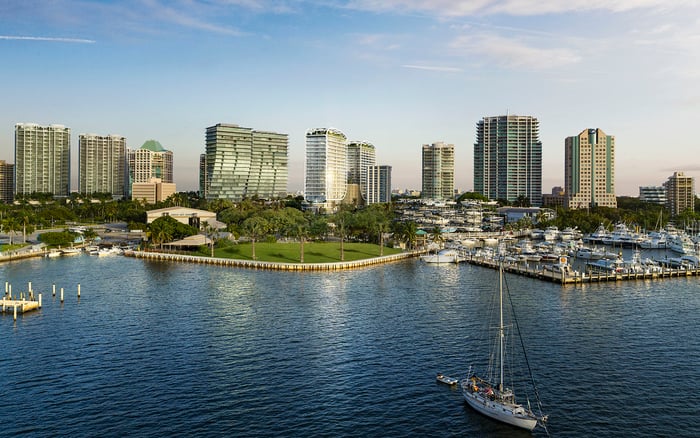
For buyers who want a wellness-forward lens in the heart of Brickell, The Residences at 1428 Brickell is a natural reference point for evaluating how design, privacy, and vertical living can be considered together. The key is not to be seduced by height alone. The better question is whether the building makes a demanding weekday feel easier.
Miami Beach offers a more elemental version of wellness. Here, water, sand, light, and breeze become part of the value proposition. The strongest residences support that connection without sacrificing privacy or discretion. Floor plan depth, terrace usability, bedroom separation, and the quality of common areas all become essential.
For Mexico City buyers, the emotional appeal is immediate, but the discipline should remain rigorous. Study how the residence handles morning and afternoon light. Ask whether outdoor space is genuinely usable, not merely decorative. Consider how easily daily life moves from home to beach, pool, fitness, dining, and parking.
In Miami Beach, 57 Ocean Miami Beach fits naturally into the conversation for buyers who want the wellness narrative to begin with the shoreline. The best oceanfront purchase is not only about view. It is about whether the building supports restoration in the small transitions of the day.
Coconut Grove appeals to buyers who want a more residential rhythm, with greenery, village-like movement, and a softer relationship to the water. Wellness here can feel less programmed and more atmospheric. The right residence should emphasize natural materials, indoor-outdoor continuity, and an easy sense of return at the end of the day.
Projects such as The Well Coconut Grove help frame the category for buyers who want wellness to be more than an amenity floor. In Coconut Grove, the surrounding environment matters as much as the building. A strong purchase should feel coherent from lobby to sidewalk to terrace.
Bay Harbor Islands offers another interpretation: quieter, smaller in feel, and often appealing to buyers who value discretion, walkability, and proximity to both the beach and the mainland. The Well Bay Harbor Islands is a useful reference for buyers who want wellness embedded into the identity of the residence rather than added as decoration.
These neighborhoods may not deliver the same immediate skyline drama as Brickell or the same direct ocean theater as Miami Beach, but they can deliver something equally valuable: a home that lowers the volume.
In ultra-premium Miami real estate, wellness is inseparable from service. The question is not only whether a building has a spa, gym, or pool. It is whether those spaces are managed with consistency, privacy, and taste. A beautiful amenity can become irrelevant if access is inconvenient, staffing is thin, or programming does not match the residents.
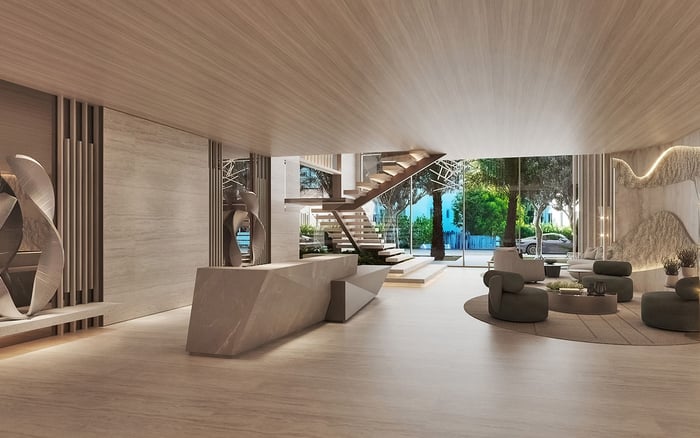
Mexico City buyers should evaluate the service layer with the same seriousness as finishes. How does the building handle arrivals? Are wellness spaces intuitive to book and easy to use? Is there a thoughtful balance between social programming and quiet enjoyment? Can families, guests, staff, and owners move through the property without conflict?
A wellness-led residence should reduce decisions. It should make training, recovery, entertaining, and privacy feel natural. When those systems work, the residence becomes more than a place to stay. It becomes infrastructure for a better day.
Amenities may introduce the wellness story, but the private residence must sustain it. Prioritize ceiling heights, exposure, terrace depth, room proportions, storage, and the quality of the primary suite. A plan that looks impressive for entertaining may not work for family life. A spectacular view may come with light or sound conditions that are not ideal every day.
Look carefully at kitchens, staff circulation where relevant, laundry placement, and guest separation. If the residence will be used seasonally, consider lock-and-leave ease. If it will become a full-time base, study how the home performs on an ordinary Tuesday, not only during a perfect weekend.
Wellness-led buying is ultimately about removing friction. The right residence should make it easy to sleep well, host well, move well, and recover well.
For a Mexico City buyer comparing Miami options, the most useful framework is simple. Choose Brickell if you want urban access with a private retreat above the city. Choose Miami Beach if your wellness routine is anchored by the ocean. Choose Coconut Grove if you want a softer residential setting with daily greenery and calm. Choose Bay Harbor Islands if discretion and balance matter more than spectacle.
Then compare buildings through five filters: privacy, wellness programming, service culture, residence layout, and neighborhood rhythm. If all five align, the purchase is more likely to feel satisfying after the first season.
What is a wellness-led residence? It is a home where design, amenities, services, and location are organized around healthier daily living and lower friction.
Is Brickell a good fit for wellness-focused buyers? Yes, if the building offers strong privacy, thoughtful amenities, and a residence plan that buffers the energy of the city.
Why do Mexico City buyers consider Miami Beach? Miami Beach offers a coastal rhythm where ocean access, light, and outdoor living can become part of everyday restoration.
Is Coconut Grove better for a quieter lifestyle? Coconut Grove can suit buyers who prefer greenery, a more residential pace, and a softer neighborhood experience.
How should I compare wellness amenities? Focus on usability, staffing, privacy, hours, booking ease, and whether the spaces support your real routine.
Are branded residences always better for wellness? Not necessarily. A brand can signal service standards, but the floor plan, management, and resident experience matter more.
What should I inspect inside the residence? Study light, acoustics, terrace depth, primary suite privacy, storage, and how entertaining areas relate to bedrooms.
Is Bay Harbor Islands a wellness-oriented choice? It can be, especially for buyers who value discretion, quieter streets, and balanced access to beach and mainland amenities.
Should a second-home buyer prioritize different features? Yes. Lock-and-leave convenience, building services, storage, guest handling, and maintenance support become especially important.
What is the first step in a Miami wellness search? Define your daily routine first, then choose the neighborhood and building that best supports it.
To compare the best-fit options with clarity, connect with MILLION.
If branded residences are on your mind — as a home or as an allocation — we would be glad to share what we are seeing, privately.
Begin a quiet conversation