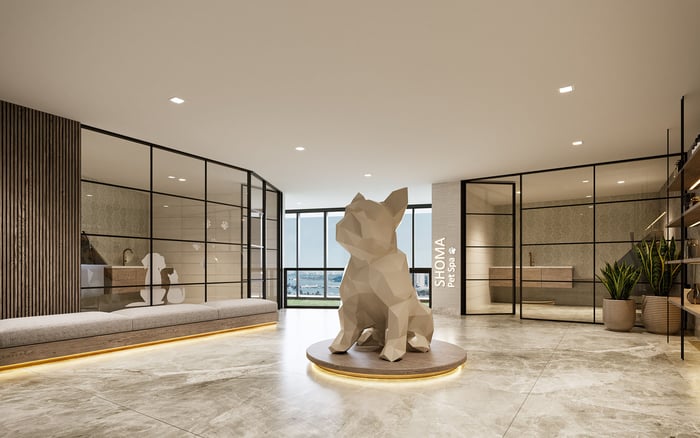
For South Florida private-club members, wine storage should be reviewed as critical infrastructure before committing to a residential club, branded residence, or membership program.

For South Florida’s private-club buyer, wine storage can appear deceptively simple: a handsome glass room, backlit labels, polished millwork, a sommelier-led dinner calendar, perhaps a member locker with a brass nameplate. Behind the romance, however, is a practical question that belongs in the due-diligence file before signing: is the wine program supported by real infrastructure, or is it primarily an amenity gesture?
That distinction matters because private-club life in South Florida is increasingly intertwined with residential choice. Buyers comparing Brickell towers, Miami Beach resort residences, Hallandale golf-club environments, and Boca Raton club communities are not simply selecting a home. They are selecting operating systems, staff protocols, access rules, and shared facilities that shape daily life. Wine storage sits squarely at that intersection of lifestyle and building performance.
The most sophisticated members approach a club cellar as they would a marina slip, a private elevator, or a wellness facility. They ask how it works when no one is hosting a dinner, when the property is busy, when ownership changes, and when a bottle is worth more than the meal it accompanies.
Start with control. Who has physical access to the storage area, and under what circumstances? Is entry limited to trained staff, members, or both? Are movements logged? If bottles are delivered directly to the club, who receives them, where do they wait, and when are they placed into storage? These questions are not adversarial. They establish custody.
Next, ask about monitoring. A serious wine environment should not rely on visual appeal alone. Members should understand whether conditions are observed, whether deviations are recorded, and who is responsible for acting if something changes. The answer may vary by property, but the central issue is accountability. A club locker is only as reassuring as the procedures behind it.
Power continuity is another essential topic. In South Florida, buyers are accustomed to asking about generators, life-safety systems, and building resilience. Wine storage belongs in that conversation. If the club markets member lockers or shared cellar space, ask whether the storage environment is included in backup planning and how staff respond during interruptions or building-wide service events.
Insurance and liability also deserve plain language. Does the club assume responsibility for member bottles, or is the member expected to insure the collection independently? Are there limits, exclusions, or documentation requirements? A rare bottle stored in a shared club environment should not be governed by assumptions.
In a dense urban setting, the issue may be convenience and access. A Brickell member who entertains often may value the ability to pair private dining with secure bottle custody near home. Buyers evaluating St. Regis® Residences Brickell, for example, can use wine storage questions as part of a broader review of service expectations, hospitality touchpoints, and how residence life connects with curated social spaces.
In Miami Beach, the lens may shift toward resort rhythm, guest flow, and event programming. A buyer considering Shore Club Private Collections Miami Beach should look beyond whether the property feels elegant. The more useful question is how any club-style amenity is managed when residents, guests, private events, and staff operations overlap.
In Hallandale Beach, where club lifestyle can be tied to golf, dining, and extended days on property, storage infrastructure becomes part of a larger hospitality ecosystem. At Shell Bay by Auberge Hallandale, buyers can frame the conversation around how club privileges, food and beverage service, and private entertaining are coordinated.
In Boca Raton, where established club culture is a defining part of the luxury market, wine due diligence can be especially relevant for buyers who entertain across seasons. Those studying Alina Residences Boca Raton may want to compare building amenities with the broader club and restaurant landscape they expect to use most often.
Sales presentations often emphasize lifestyle, but membership documents define rights. Before signing, members should compare the verbal description of wine lockers, cellar access, dining privileges, corkage practices, transferability, and guest use with the written materials. If the club promises storage as part of the experience, the documents should make clear what is included, what can change, and what remains subject to club discretion.
This is especially relevant for buyers comparing branded residences, where the lifestyle promise is often expressed through service, design, and hospitality language. A polished brand association can elevate confidence, but it does not replace operational clarity. Members should know whether a locker is assigned, requested, leased, revocable, or subject to availability. Those words carry different meanings.
Also consider the exit. If a residence is sold, does the wine locker transfer, terminate, or require separate approval? If membership is suspended or resigned, how quickly must bottles be removed? If the owner is absent for part of the year, who can authorize access? The best time to ask is before a cellar becomes emotionally and financially significant.
Wine is personal. Collections often reflect travel, relationships, anniversaries, and a private sense of taste. That emotional quality is exactly why infrastructure should be understood early. A member who intends to store only casual bottles may need little more than convenience. A collector with meaningful inventory needs a more disciplined conversation.
The same principle applies to entertaining. If the club is central to a member’s social life, storage affects more than preservation. It shapes spontaneity. Can a bottle be pulled for dinner with reasonable notice? Can guests enjoy wines from the member’s locker? Are there service fees, corkage rules, or restrictions around outside bottles? These are lifestyle questions with operational answers.
None of this diminishes the pleasure of a beautiful wine room. It simply asks that beauty be supported by systems. In South Florida’s ultra-premium market, the most compelling properties are not only photogenic. They are well run. A member who understands storage infrastructure is better positioned to enjoy the club, protect the collection, and avoid surprises after the initiation payment is made.
Why should wine storage be reviewed before joining a private club? Because the storage promise depends on access, monitoring, custody, and written rules, not just the appearance of the wine room.
Is a private wine locker the same as owning storage space? Not always. Members should confirm whether the locker is assigned, leased, revocable, transferable, or subject to club availability.
What should I ask about staff access? Ask who can enter the storage area, who can handle bottles, whether movements are logged, and how member authorizations are managed.
Should insurance be discussed before storing bottles? Yes. Clarify whether the club accepts any responsibility and whether your personal coverage should include stored wine.
Do club rules affect entertaining? They can. Corkage, guest privileges, service procedures, and advance notice can all shape how easily you use your collection.
Can wine storage rights transfer when I sell my residence? That depends on the membership documents. Ask whether the right transfers, expires, or requires separate club approval.
What if I live in South Florida only part of the year? Seasonal owners should confirm who can access bottles in their absence and how deliveries or removals are authorized.
Is a beautiful wine room enough evidence of quality? No. Design matters, but serious buyers should also examine monitoring, procedures, backup planning, and accountability.
Should my attorney review wine-related membership language? If the collection is meaningful, yes. The relevant language may appear in club rules, membership plans, or separate storage terms.
How should I compare wine amenities across properties? Use the same questions for each property, then compare the written answers rather than relying on presentation language.
When you're ready to tour or underwrite the options, connect with MILLION.
If branded residences are on your mind — as a home or as an allocation — we would be glad to share what we are seeing, privately.
Begin a quiet conversation