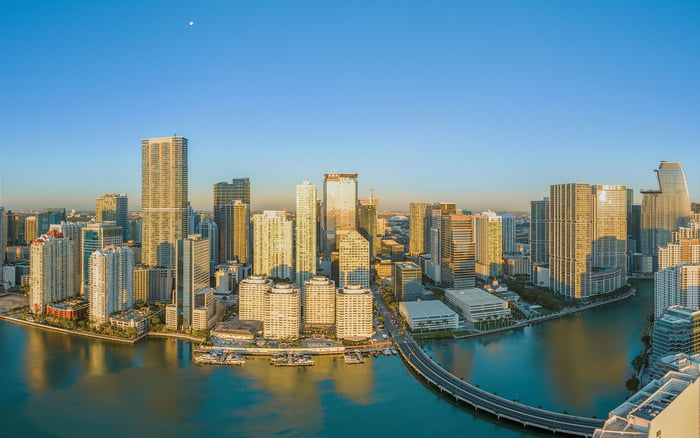
Key Biscayne can be read as a calm, residential counterpoint within South Florida’s luxury map. For Latin American buyers, its appeal lies in how it frames privacy, family rhythm, and access to neighboring Miami enclaves.
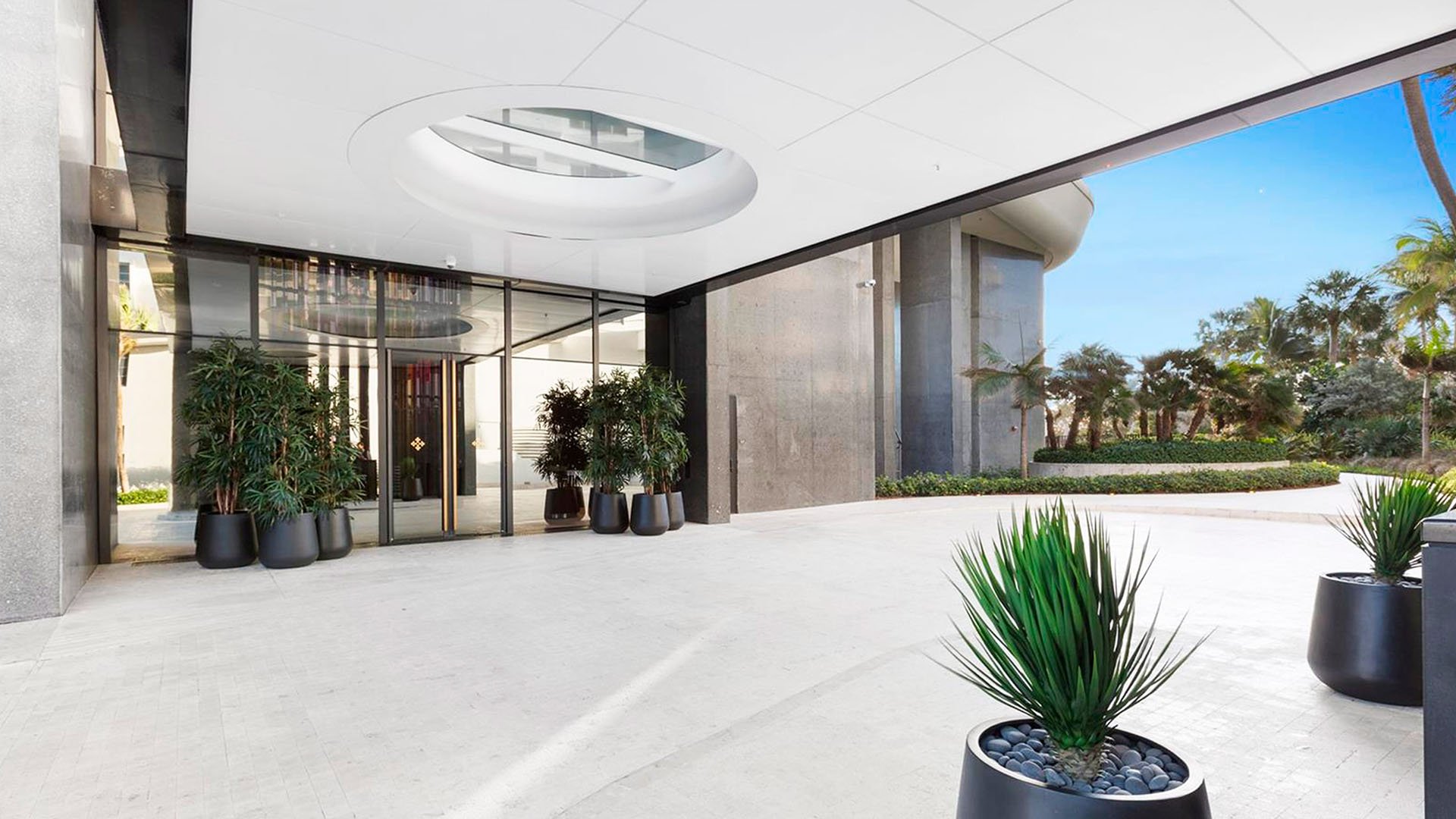
For many Latin American buyers, South Florida is not a single-market decision. It is a personal map of family time, capital placement, cultural comfort, education planning, business access, and seasonal retreat. Within that map, Key Biscayne holds a particularly refined position: quiet without feeling remote, polished without feeling performative, and residential in a way that suits buyers who already know Miami but want a more composed daily rhythm.
The value proposition is not built on spectacle. It is built on the idea of a base: a place where family members can arrive easily, settle into routine quickly, host selectively, and move through Miami on their own terms. For buyers who divide time across Latin America, the United States, and Europe, that distinction matters. The right South Florida residence is not merely a place to visit. It is a private operating point for lifestyle, relationships, and long-range optionality.
Key Biscayne speaks to that brief because it can feel intentionally edited. Rather than chasing every trend in the broader Miami market, the buyer can focus on how a residence will actually be used: morning privacy, family weekends, trusted service providers, a manageable social pace, and access to the neighborhoods that matter when business or entertainment calls.
Discretion is one of the most underrated luxuries in South Florida real estate. Latin American buyers at the upper end of the market may value architecture, views, and service, but many are equally attentive to how a property protects routine. They may want a residence that can welcome children, parents, guests, advisors, and staff without turning every stay into a production.
That is where Key Biscayne can resonate. The setting allows the buyer to think less about visibility and more about continuity. A residence can function as a family anchor, a second home, or a longer seasonal stay without requiring the owner to participate in the full intensity of Miami every day.
This is not a retreat from Miami. It is a different way of engaging it. A buyer considering Oceana Key Biscayne, for example, may be weighing more than the property itself. The deeper question is whether Key Biscayne offers the right balance of elegance, privacy, and access for a family whose life is already international.
For Latin American buyers, Brickell often enters the conversation because it represents energy, commerce, restaurants, and high-rise convenience. It is a logical benchmark for those who want to be close to Miami’s business pulse. Yet its pace is different from Key Biscayne’s. The decision is not which is objectively better. It is which address better supports the owner’s daily pattern.
Some buyers want to be in the center of the city. Others want the city nearby, but not at the center of home life. That distinction is crucial. A Key Biscayne base may appeal to the buyer who wants to meet in Brickell, dine in Brickell, and maintain professional ties in Brickell, while returning to a quieter residential environment.
Projects such as St. Regis® Residences Brickell show why the urban luxury alternative remains compelling. The comparison helps sharpen the Key Biscayne case. If Brickell is about immediacy, Key Biscayne is about control. If Brickell compresses work, dining, and skyline living into one vertical experience, Key Biscayne can offer a more measured residential posture.
A sophisticated buyer rarely evaluates Key Biscayne in isolation. Coconut Grove and Coral Gables often belong in the same mental portfolio because they represent another version of mature Miami living: leafy, cultural, residential, and less dependent on constant velocity. For families, the comparison can be especially useful because it moves the conversation from pure investment to lived experience.
Coconut Grove may appeal to buyers who want an established neighborhood feeling with a softer rhythm than the urban core. A property such as Four Seasons Residences Coconut Grove can serve as a reference point for buyers considering service, privacy, and residential calm in a Miami context. The question then becomes whether the buyer prefers the Grove’s village-like tone or Key Biscayne’s more separated residential identity.
Coral Gables introduces a different kind of refinement, one associated with order, proportion, and an enduring sense of place. The Village at Coral Gables is useful to consider when a buyer wants the feeling of a curated neighborhood rather than a purely resort-oriented residence. Against those alternatives, Key Biscayne can stand out for those who want a calmer base that still keeps the broader Miami constellation within reach.
Miami Beach remains a powerful magnet for international buyers, and rightly so. It carries global recognition, design energy, hospitality, and a particular kind of glamour. For some Latin American families, that is precisely the point. For others, it is best enjoyed selectively.
Key Biscayne can serve the buyer who wants access to Miami Beach without making Miami Beach the household’s daily environment. This can be a subtle but important preference. The owner may want dinners, cultural events, hotel amenities, beach days, and social invitations, yet still prefer home to feel less exposed.
That is why the comparison with projects such as The Ritz-Carlton Residences® Miami Beach is instructive. Miami Beach offers branded polish and international familiarity. Key Biscayne, by contrast, may appeal when the buyer wants a more understated version of South Florida luxury, one that supports family continuity over constant visibility.
The most successful Key Biscayne search begins with use, not inventory. A buyer should define who will occupy the residence, how often family members will travel, whether guests will be common, how much staffing support is expected, and what level of privacy feels appropriate. These questions are more revealing than a generic checklist of finishes.
For Latin American buyers, the purchase brief should also account for decision-making across generations. A residence that delights one family member may not serve the full household. Parents may value quiet and security. Children may value access and ease. Guests may value hospitality. Advisors may value clarity of ownership strategy. The best property is the one that harmonizes those needs without forcing the family into an unnatural lifestyle.
Lifestyle should be treated as an operating system. If the owner wants quick transitions between arrival, family time, meetings, dining, and rest, Key Biscayne may offer a compelling template. If the owner wants constant nightlife, dense walkability, or the full social charge of the urban core, another address may be more appropriate.
Key Biscayne is perhaps most compelling for buyers who are not discovering South Florida for the first time. They understand Miami’s energy, its neighborhoods, and its social codes. They may already have rented, visited friends, stayed in hotels, or owned elsewhere. Their next move is not about proving they can be in Miami. It is about refining how they want to live here.
That refinement is the essence of the Key Biscayne argument. It offers a way to remain connected to South Florida while filtering the experience through privacy and restraint. For Latin American buyers, that can make it less of a statement purchase and more of a carefully chosen base.
Is Key Biscayne mainly for buyers seeking quiet? It can suit buyers who prioritize a calmer residential rhythm, though the right fit depends on each family’s lifestyle and access needs.
Why would a Latin American buyer compare Key Biscayne with Brickell? Brickell helps frame the tradeoff between urban immediacy and a more private home base.
Does Key Biscayne work as a second home? It can, especially for buyers who want a South Florida residence that feels settled rather than purely transitional.
Should Coconut Grove be part of the search? Yes, Coconut Grove can be a useful comparison for buyers weighing residential calm, service, and neighborhood character.
How does Coral Gables compare with Key Biscayne? Coral Gables may appeal to buyers who want a curated inland residential setting, while Key Biscayne can feel more distinct as a base.
Is Miami Beach a better choice for international visibility? Miami Beach may offer a more globally recognizable lifestyle, while Key Biscayne can appeal to buyers who prefer discretion.
What should buyers define before touring properties? They should clarify family use, guest patterns, service expectations, privacy needs, and how often the home will be occupied.
Are branded residences the only luxury option to consider? No. Branded residences can be compelling, but the best choice depends on fit, privacy, service model, and long-term use.
Can Key Biscayne be part of a broader Miami strategy? Yes. It can serve as the residential anchor while other neighborhoods satisfy business, dining, culture, and social needs.
What is the central reason to consider Key Biscayne? It can offer a refined South Florida base for buyers who want access to Miami without making intensity the core of daily life.
For a discreet conversation and a curated building-by-building shortlist, connect with MILLION.
If branded residences are on your mind — as a home or as an allocation — we would be glad to share what we are seeing, privately.
Begin a quiet conversation