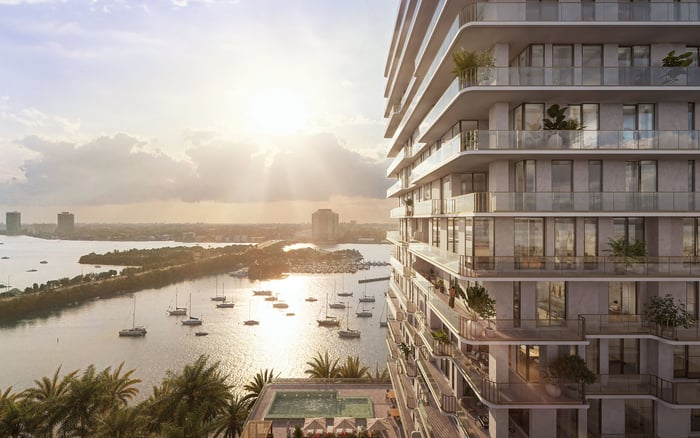
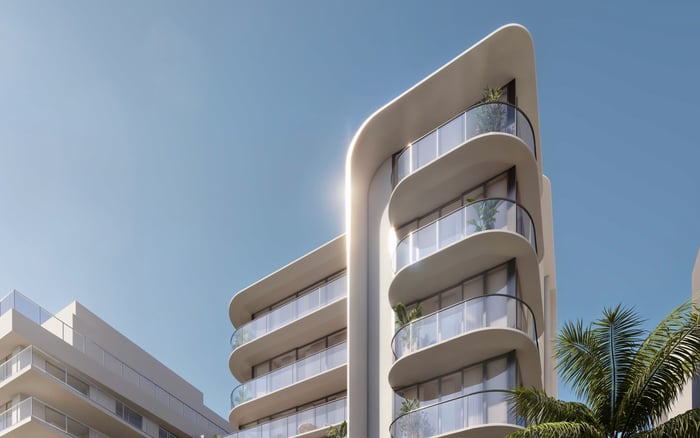
A discreet buyer’s guide to reducing operational friction when purchasing in Bay Harbor Islands, with emphasis on building governance, service expectations, layout discipline, ownership ease, and long-term exit quality.
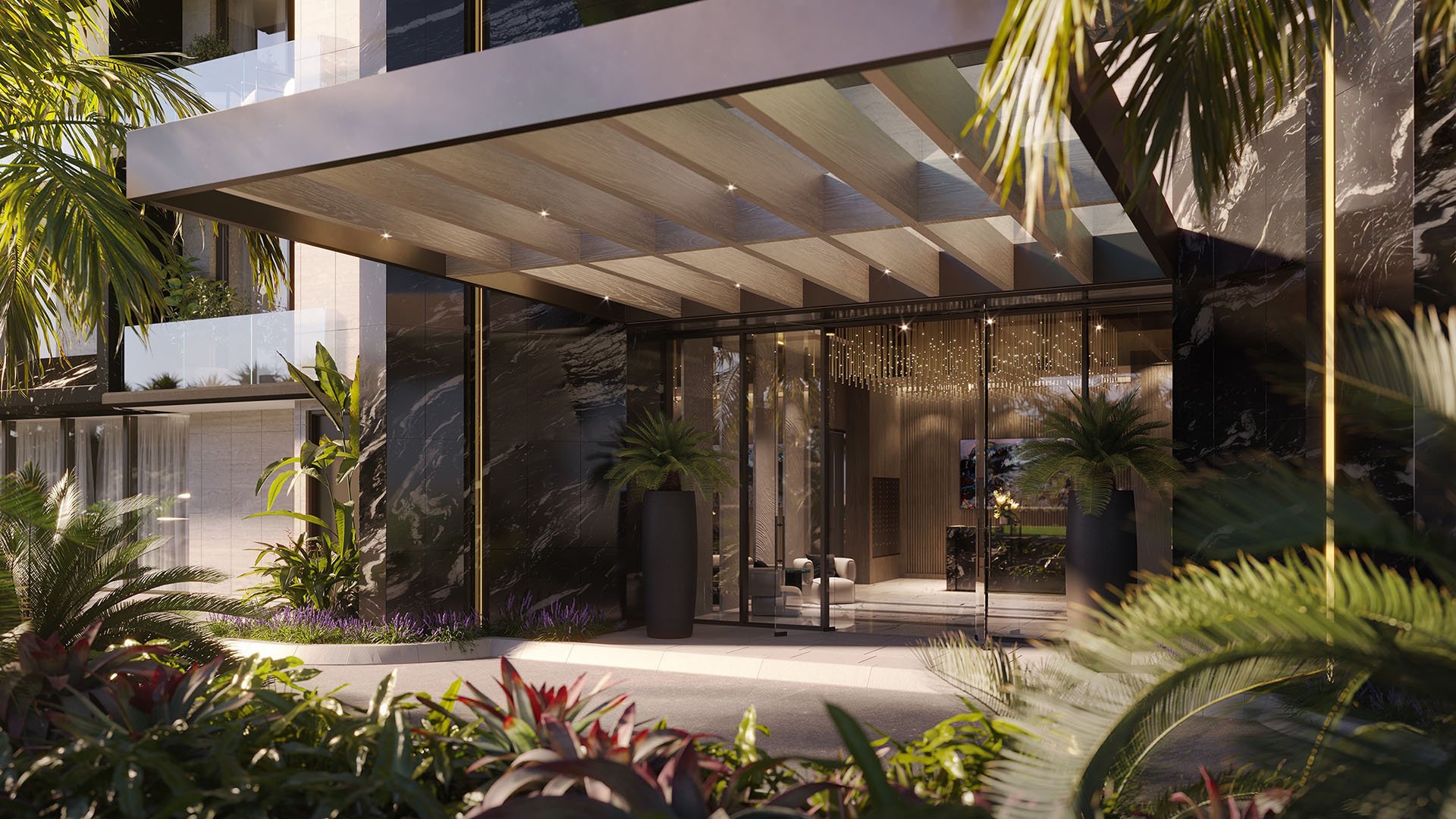
For the Bay Harbor Islands buyer who values privacy, composure, and ease, the right residence is not simply the one with the most seductive renderings or the most dramatic arrival sequence. It is the one that performs well after closing. Less operational friction means fewer avoidable decisions, fewer maintenance surprises, clearer building communication, simpler access, and a home that supports daily life without requiring constant management.
That distinction matters in a market where luxury buyers often own multiple residences, travel frequently, and expect their South Florida home to function as both asset and sanctuary. Bay Harbor Islands can appeal to buyers who prefer a more measured residential mood than larger urban corridors, but the same discipline applies: purchase the building, the governance, the service model, and the floor plan with as much care as the view.
Operational ease is rarely captured by a single headline number. It is revealed in the documents, the rules, the staff culture, the parking plan, the elevator experience, the maintenance philosophy, and the way a residence receives guests, deliveries, pets, and service providers.
A low-friction purchase begins before the first showing. Buyers should define what friction actually means for their household. For one owner, it may be the ability to arrive late, park easily, and enter without a sequence of logistical steps. For another, it may be predictable monthly obligations, a clear rental policy, strong building communication, or a residence that can be locked and left for weeks without anxiety.
This is where buyers should separate glamour from usability. A beautiful residence with awkward storage, difficult service access, limited guest parking, or unclear procedures can become a daily irritant. Conversely, a quieter building with a more restrained design language may deliver the kind of operational calm that makes ownership feel genuinely luxurious.
For a Bay Harbor search, useful shorthand includes Boutique, Waterfront, New-construction, and Move-In Ready, but those labels should never replace diligence. They are starting points for questions, not conclusions.
In South Florida condominium ownership, governance is not background noise. It is part of the product. Buyers who want fewer surprises should review association documents, budgets, reserves, insurance approach, rules, meeting history, pending work, and any restrictions that could affect lifestyle or exit value. The goal is not to eliminate every uncertainty. The goal is to understand whether the building is managed with clarity and whether its obligations align with your tolerance.
A buyer considering Bay Harbor Towers, for example, should not stop at aesthetics or unit finishes. The more revealing questions concern building procedures, approval timelines, maintenance cadence, and how ownership actually feels after move-in. The strongest purchases are often the ones where the paperwork supports the promise of the architecture.
Service culture also deserves attention. A smaller residential environment can feel personal and discreet, but buyers should confirm how staffing, security, package handling, guest entry, valet, maintenance requests, and after-hours needs are handled. Low-friction living is often created by competent routines, not theatrical amenities.
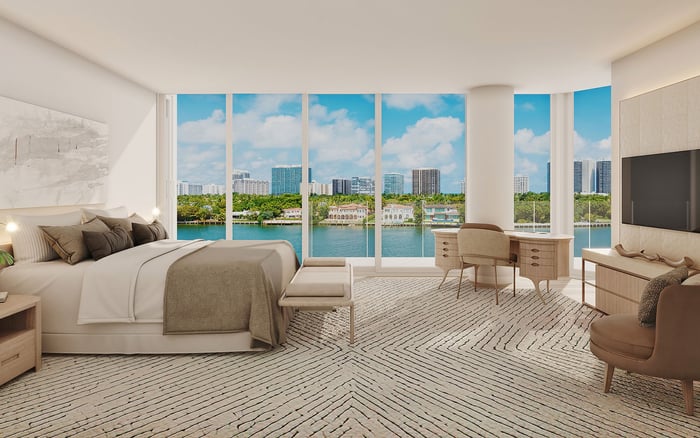
A residence that photographs well may not live well. Buyers seeking lower operational friction should scrutinize circulation, closet depth, laundry placement, kitchen workflow, terrace access, storage, acoustic separation, and the relationship between private and entertaining spaces. The best plan reduces daily decisions. It provides a place for everything, permits staff or service providers to move logically, and allows owners to host without exposing the entire private life of the home.
This is especially relevant when comparing boutique projects such as Onda Bay Harbor and La Maré Bay Harbor Islands. Buyers should ask how each plan supports real use: morning routines, pet care, deliveries, seasonal wardrobe storage, visiting family, private work, and the ability to leave the residence in order between visits.
Terraces and water orientation may be emotionally decisive, but they should be evaluated alongside maintenance exposure, privacy, furniture placement, and how often the outdoor area will realistically be used. A generous terrace that is difficult to furnish or maintain can create more obligation than pleasure.
Amenity programs can elevate daily life, but they should be judged by utility rather than abundance. A low-friction buyer should ask which amenities will be used weekly, which are primarily decorative, and which may increase ongoing complexity. Fitness, wellness, pool, lounge, marina-related, or hospitality-style features can be valuable when they match the owner's routines. When they do not, they may simply add to the building’s cost structure and operational footprint.
A project such as The Well Bay Harbor Islands may enter the conversation for buyers who prioritize wellness-oriented living, but the correct question remains practical: does the amenity program simplify the way you actually live? Luxury is not the presence of every possible feature. It is the absence of unnecessary effort.
Parking and access deserve the same scrutiny. Buyers should understand assigned spaces, guest procedures, EV readiness where relevant, loading access, service elevator availability, and how deliveries are managed. These details rarely make the opening conversation, yet they shape ownership every week.
New-construction can offer contemporary systems, fresh finishes, and modern planning, while established buildings may offer a more observable operating history. Neither category is automatically lower friction. A new building may still be refining its procedures after completion. An established building may have clear routines, but buyers must understand maintenance history and upcoming obligations.
When touring Alana Bay Harbor Islands, or any comparable option, the buyer's task is to translate presentation into lived experience. How will the residence perform when the owner is away? How quickly are routine matters handled? What is the communication style? Are the rules consistent with the household’s needs?
Move-In Ready inventory may reduce renovation complexity, but buyers should still evaluate appliance warranties, smart-home systems, window treatments, lighting, closets, and any custom work required to make the home feel complete. The lowest-friction purchase is often the one where the buyer knows, before closing, exactly what must be done and who will do it.
Operational ease is also a resale consideration. Future buyers will care about many of the same issues: building condition, rules, monthly obligations, parking, storage, views, privacy, and the practicality of the floor plan. A residence that is easy to own is often easier to explain when it returns to market.
Buyers should be wary of over-personalizing a unit in ways that complicate future resale. Distinctive design can be valuable, but hyper-specific choices, unusual room conversions, or complicated technology systems may narrow the next buyer pool. The most resilient luxury interiors tend to combine quiet confidence with adaptability.
A disciplined Bay Harbor Islands acquisition is not about avoiding character. It is about choosing character that does not demand constant attention. The most satisfying purchase will allow the owner to arrive, exhale, and let the building do what it was selected to do.
What does less operational friction mean for a Bay Harbor Islands buyer? It means choosing a residence and building that reduce avoidable work, uncertainty, delays, and daily logistical irritation.
Should I prioritize a newer building? Not automatically. Newer inventory may offer modern systems, while established buildings may provide a clearer operating record.
What documents matter most before contract? Review association rules, budgets, reserves, insurance approach, meeting history, rental policies, and any pending work or obligations.
Are boutique buildings usually easier to own? They can feel more personal and discreet, but ease depends on governance, staffing, communication, and the fit with your lifestyle.
How should I evaluate amenities? Focus on what you will use consistently and whether the amenity program reduces effort rather than simply adding cost.
Why is parking so important? Parking affects daily arrival, guests, service providers, deliveries, and resale appeal, especially for owners who value convenience.
What floor plan details reduce friction? Strong storage, logical circulation, practical laundry placement, privacy separation, and usable terraces all support easier ownership.
Is Move-In Ready always better for busy buyers? It can reduce renovation demands, but buyers should still inspect systems, finishes, closets, lighting, and any remaining customization needs.
How should seasonal owners think about building selection? They should focus on lock-and-leave confidence, communication, maintenance procedures, access control, and reliable service routines.
What is the best first step before touring? Define your personal friction points in writing, then evaluate every building and residence against that practical ownership brief.
If you'd like a private walkthrough and a curated shortlist, connect with MILLION.
If branded residences are on your mind — as a home or as an allocation — we would be glad to share what we are seeing, privately.
Begin a quiet conversation