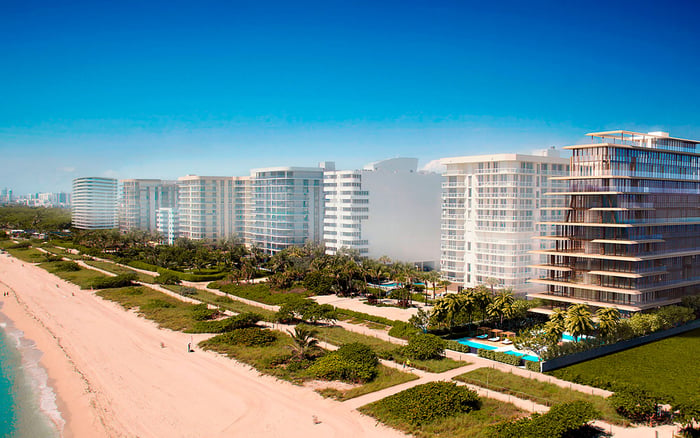
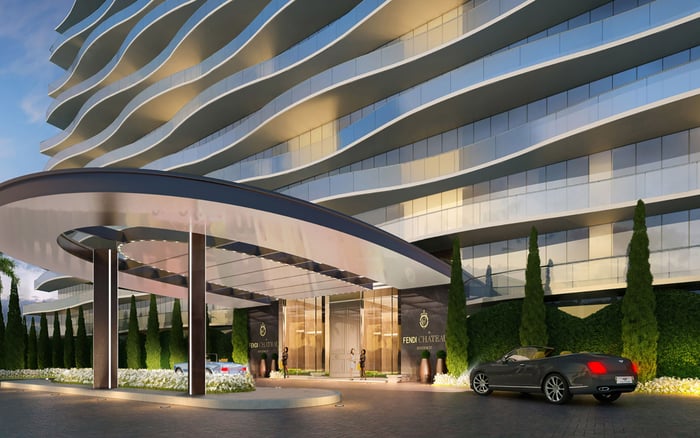
A discreet buyer’s guide to emergency power due diligence at Ocean House Surfside, focused on backed-up loads, elevator service, water systems, fuel planning, storm exposure, maintenance records, reserves, and long-term ownership risk.
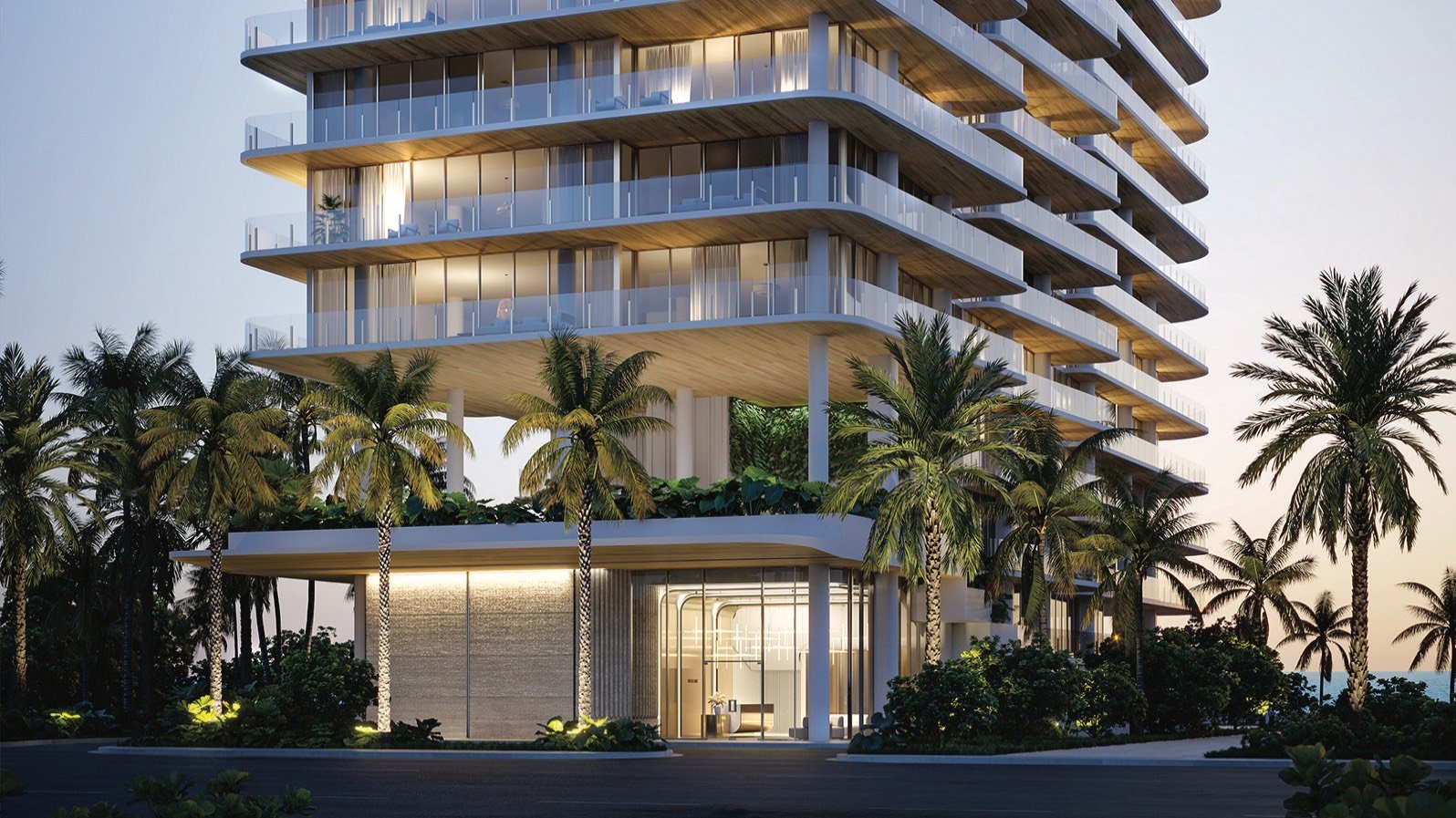
At Ocean House Surfside, emergency power should be treated as more than a technical line item. For a buyer, it sits at the intersection of safety, habitability, risk management, and long-term ownership cost. In a coastal condominium, especially an oceanfront and waterfront property, the difference between minimum life-safety coverage and broader continuity can become meaningful during an extended outage.
The central question is not simply whether the building has a generator. The sharper question is what standard the system is designed to meet, what it actually supports, how it is maintained, and whether the association has a documented plan for operating it after a hurricane or prolonged utility failure. A polished lobby and refined residential experience matter, but resilient infrastructure is part of true luxury in South Florida.
This buyer’s-guide lens is especially relevant for resale purchasers in Surfside, where a well-positioned residence may still require careful document review. Buyers comparing Ocean House Surfside with nearby choices such as The Delmore Surfside or Arte Surfside should make emergency power a formal part of the conversation, not an afterthought raised late in due diligence.
Begin by asking whether the emergency power system is limited to minimum life-safety requirements or designed to support broader resident comfort and continuity. That distinction can affect daily livability after a storm. A system that keeps essential life-safety components active may not keep common areas comfortable, garage systems responsive, or any in-unit convenience circuits available.
Request a clear schedule of backed-up loads. The list should address elevators, fire and life-safety systems, emergency lighting, domestic water pumps, access control, garage systems, lobby and common-area functions, cooling, and any in-unit circuits. If the answer is vague, ask for the electrical drawings, generator load schedule, or a written summary from the association or building engineer.
Elevator service deserves its own question. Ask how many elevators remain operational on generator power and whether that service reaches all residential floors. In a luxury tower environment, limited elevator availability can affect mobility, staff access, emergency response, pet care, deliveries, and the practical ability to remain in residence during a disruption.
Water systems are equally important. Ask whether domestic water pressure, booster pumps, and sewage or ejector systems remain functional during an extended outage. A residence may retain lighting in certain areas yet become difficult to occupy if water pressure or waste systems are compromised.
In South Florida, cooling is not merely a comfort issue after a hurricane. It can become a habitability question, particularly for older residents, children, guests, pets, and anyone with medical sensitivities. Ask whether the generator supports HVAC in any meaningful way or whether cooling is limited to critical safety systems and selected common areas.
Buyers should also ask whether any in-unit outlets are connected to backup power. Specific points include refrigerators, medical-device circuits, internet equipment, security systems, and smart-home components. Do not assume that a premium residence includes backup power inside the private unit. The answer may vary by building design, prior renovations, association policy, and electrical configuration.
When touring or reviewing documents, distinguish between what is operationally possible and what is legally or technically promised. A resident may hear that the building has backup power, but that phrase can mean many things. It may mean emergency lighting and life-safety systems only, or it may mean a broader continuity program. The due-diligence goal is to convert general assurances into verifiable details.
Buyers looking across Surfside, including Fendi Château Residences Surfside and The Surf Club Four Seasons Surfside, should ask similar questions so they can compare buildings on infrastructure as well as architecture, service, views, and finishes.
Ask for the generator’s rated capacity, age, manufacturer, fuel type, and current load calculation. Also ask whether that load calculation has been reviewed after renovations, added equipment, new security systems, garage upgrades, or other electrical changes. A generator designed for one load profile may face different demands after years of building improvements.
Fuel planning is a second layer of scrutiny. Ask how long the generator can run at expected load before refueling is required, particularly under a 48- to 72-hour outage scenario. The answer should include assumptions. Runtime at partial load may differ from runtime at expected post-storm load, and both matter.
Location is equally consequential. Ask where the generator, fuel tanks, transfer switches, switchgear, and electrical rooms are positioned relative to flood elevation and storm-surge risk. Equipment that exists on paper but is vulnerable to localized flooding, wind-driven rain, corrosion, or salt-air exposure may not offer the resilience a buyer expects.
Request information on protective measures. Has equipment been hardened against salt air? Are enclosures, louvers, vents, and penetrations maintained? Are transfer switches and switchgear located in protected areas? For an oceanfront building, durability is not a theoretical concern. It is part of the ownership profile.
The most useful answers come from documents. Ask for the generator testing schedule, maintenance logs, load-bank test results, recent repair history, and current service contracts. Load-bank testing is particularly important because it demonstrates performance under controlled demand rather than simple start-up capability.
Ask whether prior outages exposed weaknesses in the backup-power system and, if so, whether corrective upgrades were completed. This is not about assigning blame. It is about understanding whether the association learns from operational stress and invests in necessary improvements.
The condominium association should also have a written hurricane or emergency power operating plan. Ask whether it addresses staffing, vendor access, fuel delivery, resident communications, access control, elevator protocols, garage operations, and post-storm inspections. A generator is only one component. People, contracts, logistics, and decision-making protocols determine how well the system performs when conditions are difficult.
Fuel delivery should be addressed directly. Ask whether fuel-delivery contracts or priority refueling arrangements exist for post-storm conditions, when roads, suppliers, and access points may be constrained. A long runtime is more credible when paired with realistic refueling arrangements.
Emergency power due diligence should extend into the financial documents. Ask whether reserve studies, budgets, or capital plans include generator replacement, fuel-system upgrades, electrical-room hardening, or switchgear modernization. These items can be costly, and they may affect future maintenance obligations.
Also ask whether any special assessments could be needed for emergency-power upgrades or compliance-related electrical work. A buyer focused only on purchase price and monthly carrying cost may miss a future capital need already visible in the documents.
Finally, review whether insurance materials, engineering reports, inspection history, or association disclosures flag emergency power, flood exposure, or electrical-system vulnerabilities. These records can help a buyer understand whether the building’s infrastructure profile aligns with personal risk tolerance.
For the right buyer, Ocean House Surfside may remain compelling because of its location, scale, and residential character. The point is not to diminish the appeal. It is to sharpen the questions so ownership feels as considered as the design.
Does backup power usually mean the entire residence stays powered? Not necessarily. Buyers should confirm whether backup power serves only life-safety systems, selected common areas, or any in-unit circuits.
What is the first emergency power question to ask? Ask which building loads are backed up, including elevators, pumps, lighting, access control, garage systems, HVAC, and unit-level circuits.
Why do elevator details matter so much? Elevator service affects daily mobility, staff access, emergency response, and the ability to occupy higher-floor residences during an outage.
Should buyers ask about water pressure? Yes. Domestic water pressure, booster pumps, and sewage or ejector systems can be critical during an extended utility interruption.
Is HVAC typically included in emergency power? It depends on the building. Buyers should ask whether the generator supports cooling or only critical safety systems.
What generator specifications should be requested? Request rated capacity, age, manufacturer, fuel type, load calculations, and any updates after renovations or added building systems.
How important is fuel runtime? It is essential. Ask how long the generator can run at expected load, especially for a 48- to 72-hour outage scenario.
Where should emergency power equipment be located? Buyers should evaluate its position relative to flood elevation, storm surge, salt air, wind-driven rain, and localized flooding.
Which documents are most useful? Maintenance logs, testing schedules, load-bank results, repair history, service contracts, reserve studies, and engineering records are key.
Can emergency power affect future costs? Yes. Generator replacement, fuel-system upgrades, electrical hardening, and switchgear work may affect reserves or special assessments.
For a discreet conversation and a curated building-by-building shortlist, connect with MILLION.
If branded residences are on your mind — as a home or as an allocation — we would be glad to share what we are seeing, privately.
Begin a quiet conversation