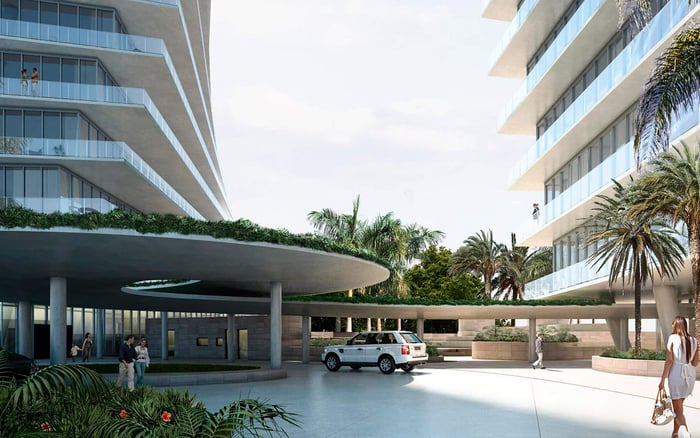
A buyer-focused look at how Vita at Grove Isle enters Coconut Grove’s lock-and-leave conversation, with attention to second-home use, waterfront living, service expectations, and long-term ownership priorities.
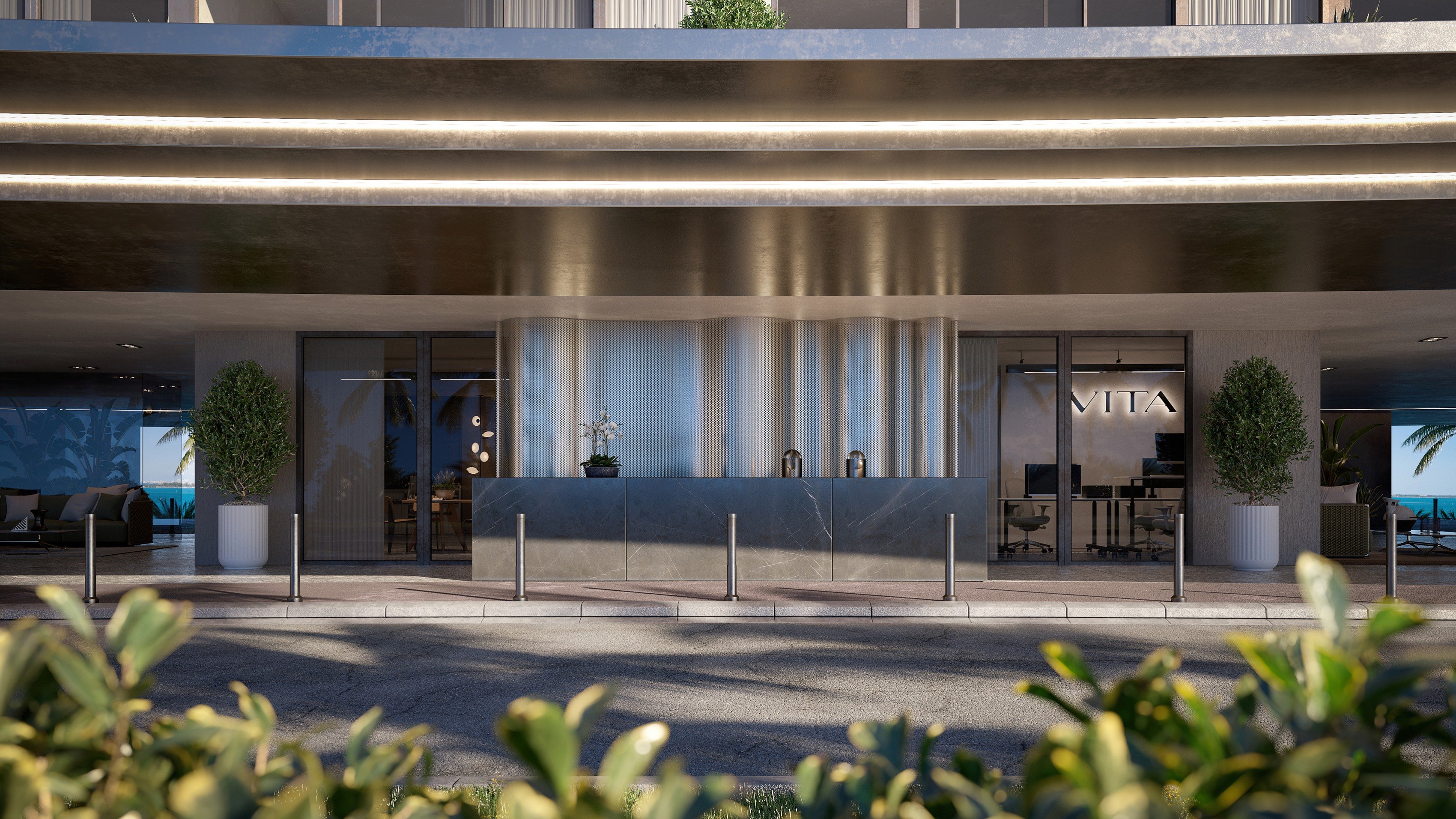
Lock-and-leave ownership is not simply about spending less time in a residence. At the upper end of the South Florida market, it is about preserving the feel of a private home while removing the friction of a house that sits unattended. For buyers who divide time among multiple cities, yachts, family offices, or seasonal commitments, the central question is not whether a residence is beautiful. It is whether life can resume gracefully the moment the owner returns.
That is where Coconut Grove becomes especially interesting. The neighborhood offers a softer counterpoint to the region’s more overtly vertical luxury corridors, with a residential character that appeals to buyers seeking discretion, greenery, bay proximity, and a sense of established Miami living. Within that setting, the conversation around lock-and-leave ownership becomes more nuanced. It is not only about convenience. It is about whether a residence can support absence without feeling transient.
For buyers evaluating Coconut Grove, Vita at Grove Isle naturally enters the lock-and-leave conversation because it sits at the intersection of island privacy, condominium ownership, and a waterfront frame of mind. The appeal is not the idea of leaving a home behind. The appeal is returning to a residence that feels composed, secure, and ready.
That distinction matters. A true lock-and-leave residence should make the owner’s absence feel administratively uneventful. Access control, service coordination, package handling, maintenance protocols, parking, storage, and the arrival sequence all become part of the luxury experience. In a house, those details often require a roster of private vendors and constant oversight. In a well-considered condominium environment, the burden can shift toward a more structured system.
For Vita at Grove Isle, the buyer lens is therefore less about spectacle and more about fit. Does the ownership model complement travel-heavy lives? Does it offer a sense of separation from the mainland without making daily movement feel complicated? Does it provide the privacy expected by a second-home buyer while still belonging to the broader Coconut Grove lifestyle? These are the questions sophisticated purchasers tend to ask before they compare finishes or floor plans.
Coconut Grove’s luxury condominium landscape is not monolithic. A buyer considering Vita may also look at Four Seasons Residences Coconut Grove for a service-forward interpretation of ownership, or Park Grove Coconut Grove for a high-design residential setting within the neighborhood’s established luxury condominium conversation. Each option speaks to a different version of ease.
The same buyer may consider The Well Coconut Grove if wellness programming and daily lifestyle ritual are part of the decision, or Mr. C Tigertail Coconut Grove if hospitality language feels central to the way the residence should operate. The point is not that these projects are interchangeable. It is that they help define what lock-and-leave can mean in the Grove: privacy, service, wellness, design, or a more residential sense of retreat.
This is why the Vita conversation is best understood as part of a buyer’s broader Coconut Grove matrix. The neighborhood has enough luxury inventory to make the decision qualitative, not merely positional. Some buyers want the most hotel-like cadence. Others want quiet, water, and a sense of removal. The lock-and-leave ideal depends on which form of simplicity matters most.
The phrase can sound effortless, but the due diligence should be exacting. Buyers should ask how the building handles vendor access, deliveries, housekeeping coordination, maintenance requests, guest arrivals, vehicle readiness, and storm preparation. They should understand whether management protocols are proactive or reactive, and whether the experience remains consistent during high season as well as quieter months.
Storage is another understated factor. Owners who move between residences often need room for seasonal wardrobes, sporting equipment, art logistics, luggage, wine, or personal effects that should not migrate constantly. Parking and driver access also shape the experience. If an owner lands late, arrives with guests, or returns after an extended absence, the residence should feel intuitive from curb to front door.
Privacy deserves equal attention. Lock-and-leave should not mean anonymous. The strongest buildings allow owners to be away without concern and return without ceremony. That balance is especially valuable in Coconut Grove, where many buyers are drawn to a more discreet kind of Miami life.
Waterfront ownership adds another layer to the conversation. Buyers are not only purchasing views or proximity to the bay. They are choosing a daily atmosphere, a degree of separation, and often a quieter emotional register than more urban markets provide. For some, that is precisely why a condominium can outperform a single-family residence for part-time use: the water remains part of the experience, while the operational demands are less personal.
Boutique appeal can also matter. Not every luxury buyer wants a large, highly social building with constant visibility. Some prefer a setting that feels more private, more controlled, and more aligned with a residential rhythm. Others want amenities and service to be present, but not performative. The lock-and-leave buyer often values invisible competence over theatrical luxury.
Lifestyle is the final filter. Coconut Grove ownership often appeals to those who want proximity to Miami while avoiding the feeling of being consumed by it. If the residence allows owners to arrive, decompress, entertain quietly, and depart without operational drag, then it is serving the real purpose of lock-and-leave ownership.
From an ownership perspective, the lock-and-leave thesis should be viewed through durability, not trend. Buyers should consider whether the residence will remain practical as family patterns, travel schedules, and work habits change. A home that functions only for a narrow moment in life is less compelling than one that can support seasonal use, longer stays, visiting family, and eventual full-time occupancy.
This is where Coconut Grove can be persuasive. It offers a luxury environment that is residential enough to age well, yet connected enough to remain relevant for global buyers. Vita at Grove Isle fits the conversation because it speaks to a version of Miami ownership that is not about constant display. It is about control, calm, and the ability to keep a meaningful residence without making it the center of daily administration.
What does lock-and-leave ownership mean in Coconut Grove? It means owning a residence that can be left for extended periods and returned to with minimal friction, supported by building systems, access control, and service coordination.
Why is Vita at Grove Isle relevant to this topic? Vita at Grove Isle is relevant because buyers often evaluate it through privacy, waterfront living, and the practical ease expected from a high-end condominium residence.
Is lock-and-leave ownership only for seasonal residents? No. It can also suit frequent travelers, international owners, executives, and families who want a Miami base without the upkeep profile of a single-family home.
What should buyers ask before choosing a lock-and-leave condo? They should ask about staffing, maintenance protocols, vendor access, package handling, storage, parking, guest procedures, and storm preparation.
Does Coconut Grove suit second-home ownership? Coconut Grove can appeal to second-home buyers who want a quieter residential setting, proximity to the bay, and a more discreet Miami lifestyle.
How does a condo differ from a house for part-time use? A condominium can reduce the owner’s direct responsibility for exterior care, access logistics, and routine oversight, depending on the building’s management structure.
Should amenities drive the decision? Amenities matter, but buyers should weigh operational quality just as heavily. The best lock-and-leave experience is often defined by what owners do not have to manage.
Is waterfront ownership more complex? It can introduce additional considerations, especially around exposure, maintenance, and preparation, so buyers should understand how the building manages those responsibilities.
Can a lock-and-leave residence still feel personal? Yes. The goal is not a temporary feel. The strongest residences combine simplicity with privacy, permanence, and a genuine sense of home.
How should buyers compare Vita with other Grove residences? They should compare the full ownership experience, including privacy, service cadence, arrival sequence, lifestyle fit, and how easily the residence supports absence and return.
For a discreet conversation and a curated building-by-building shortlist, connect with MILLION.
If branded residences are on your mind — as a home or as an allocation — we would be glad to share what we are seeing, privately.
Begin a quiet conversation