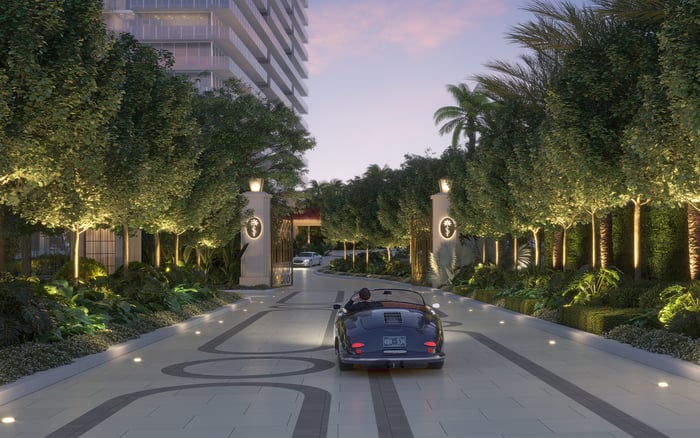
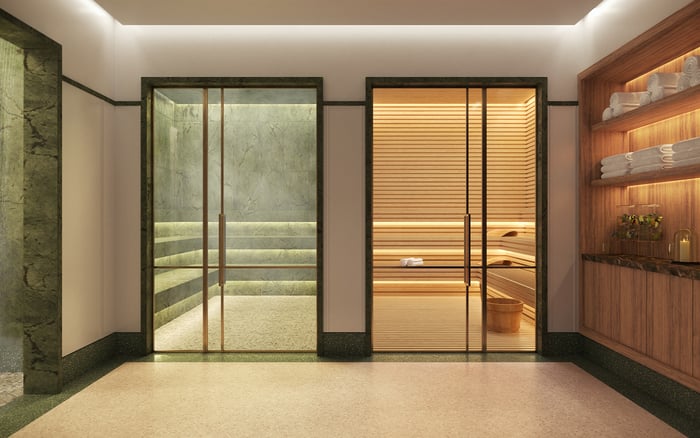
A buyer-focused look at how South Florida luxury residences are shifting from design-first ownership toward service-led living, using Oceana Key Biscayne, Origin Bay Harbor Islands, and Shell Bay by Auberge Hallandale as three distinct case studies.
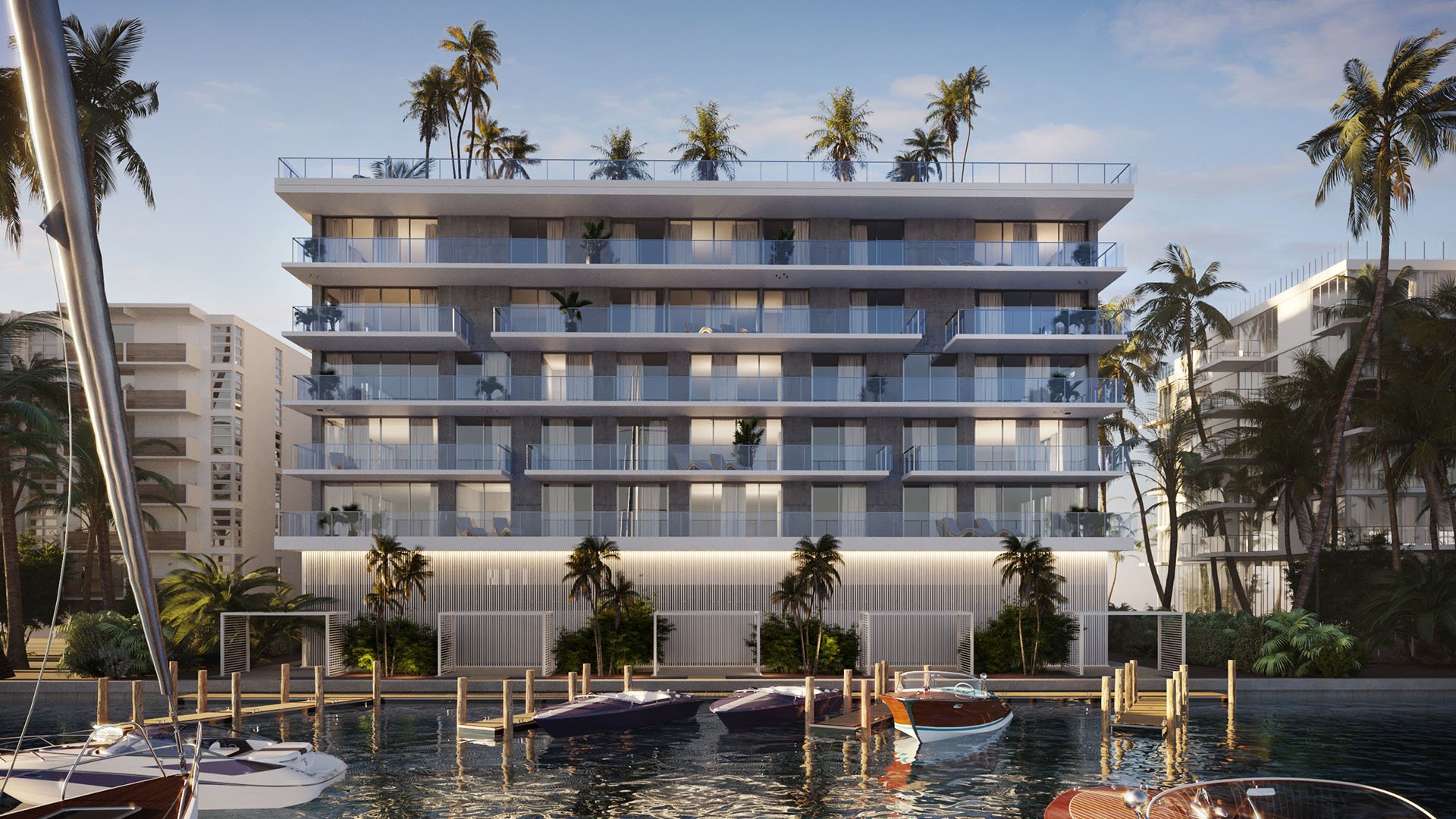
For years, South Florida condominium value was read through a familiar lens: the view, the floor, the plan, the finish package, the privacy of the arrival. Those elements still matter. Yet at the top of the market, a quieter and more durable question has moved to the foreground. Buyers are asking not only what a residence looks like, but how it lives day after day.
That is the core of service-led ownership. It is a luxury residential model in which long-term value is tied to services, operations, staffing culture, wellness programming, culinary access, housekeeping, in-residence support, spa services, and club-style amenity management. The asset is no longer only a private home in a desirable building. It is an operating environment.
South Florida is an unusually natural stage for this shift. The region has a deep resort culture, a long history of second-home ownership, and a maturing year-round luxury buyer base. The result is a market where affluent residents increasingly want homes that can function as primary or semi-primary residences while preserving the ease of a five-star stay.
In that context, Oceana Key Biscayne, Origin Bay Harbor Islands, and Shell Bay by Auberge Hallandale offer three useful case studies. Each occupies a different submarket, each speaks to a different residential mood, and each reflects the same underlying movement: ownership as entry into a managed lifestyle ecosystem.
The traditional luxury checklist is physical. Ceiling height, natural light, terraces, water views, materials, and building presence all matter. Service-led ownership adds an operational checklist that is just as consequential. Can the building deliver consistent service? Is the staff culture attentive without being intrusive? Are wellness, dining, concierge, and in-residence services managed with discipline? Does the amenity ecosystem support daily life rather than simply photograph well?
This is especially relevant as South Florida luxury living becomes less seasonal. Full-time residents, executives, families, and second-home owners using residences for longer periods need more than a beautiful apartment awaiting them. They need a residential environment that absorbs friction. That may mean seamless arrivals, thoughtful maintenance coordination, reliable housekeeping options, wellness routines that fit into the week, or club-style access that gives the property a stronger rhythm.
In this model, operational quality becomes part of the asset itself. A well-run building can feel more valuable over time because it protects the resident experience. A building with strong design but inconsistent service may struggle to meet the expectations of buyers accustomed to private aviation terminals, hotel suites, members clubs, and highly managed households.
Oceana Key Biscayne represents the Key Biscayne expression of this trend. Its relevance is not simply that it belongs to an established luxury coastal setting. It is that Key Biscayne itself has long appealed to buyers seeking privacy, water, community, and a residential pace that feels removed from the intensity of the mainland.
Within that context, service expectations become part of the island proposition. A buyer looking at Key Biscayne is often looking for calm, continuity, and ease. The residence must work not only as a retreat, but as a dependable base for a sophisticated life. The service-led lens asks whether the property can support that expectation over years, not just on the day of closing.
This is where Oceana Key Biscayne becomes useful in the broader conversation. It illustrates how an established coastal address can be evaluated through a contemporary operating standard. The question is less about novelty than durability: how the property experience is maintained, how daily life is supported, and how the building’s service culture keeps pace with evolving owner expectations.
Origin Bay Harbor Islands reflects a different service-led path. Bay Harbor Islands has a more intimate neighborhood scale than many larger coastal corridors, and that context matters. In a boutique or neighborhood-oriented setting, the luxury proposition often depends on a finer balance: privacy, convenience, access, and a sense of being known.
For Origin Bay Harbor Islands, the service-led conversation is not necessarily about scale for its own sake. It is about how a more focused residential environment can still participate in the same elevated expectations shaping larger resort-style properties. Concierge programs, attentive staffing, in-residence services, and lifestyle infrastructure can be just as meaningful in a boutique context because residents often expect a more personal cadence.
That is why Bay Harbor Islands has become a compelling setting for buyers who want discretion without isolation. The service-led owner is not simply asking for amenities. The owner is asking for a property that understands routine, supports family life, accommodates travel patterns, and creates convenience without turning the residence into a hotel lobby.
Shell Bay by Auberge Hallandale brings the branded-residence dimension into focus. Branded Residences are often judged by the strength of the name attached to them, but the more important question is operational: can the hospitality identity be translated into a private residential experience with consistency, restraint, and long-term discipline?
At Shell Bay by Auberge Hallandale, the service-led idea is central to the residential proposition. Hallandale Beach gives the project a coastal Broward setting, while the branded framework allows buyers to think beyond walls and views toward the management of lifestyle itself. Culinary offerings, wellness operations, spa services, housekeeping, concierge coordination, and club-style access are not decorative extras in this model. They are the connective tissue of ownership.
This is where service-led ownership becomes most explicit. The buyer is not just purchasing a residence near the water. The buyer is buying into a promise that the property will be operated with hospitality intelligence. The durability of that promise depends on staffing, governance, operator selection, and amenity management long after the first marketing cycle has passed.
For luxury buyers, service-led ownership requires a broader form of due diligence. The residence itself still demands scrutiny, but the building’s operating philosophy deserves equal attention. Buyers should consider how services are governed, how staffing is maintained, how amenity access is managed, and whether the experience is designed for daily living rather than occasional spectacle.
The most refined service-led buildings do not feel overproduced. They feel intuitive. The best staff cultures anticipate without hovering. The strongest amenity ecosystems reduce friction rather than create obligations. The most durable properties understand that service must be both elegant and repeatable.
This is why the comparison among Oceana Key Biscayne, Origin Bay Harbor Islands, and Shell Bay by Auberge Hallandale is so revealing. Key Biscayne shows the established coastal expectation. Bay Harbor Islands shows the boutique neighborhood expression. Hallandale Beach shows the branded hospitality model. Together, they point to a market where the luxury buyer increasingly treats operations as a core component of value.
South Florida’s luxury residential future will not be defined by amenities alone. Many buildings can offer beautiful spaces. Fewer can operate those spaces with the consistency that discerning owners require. Service-led ownership raises the standard from possession to performance.
For buyers, the implication is clear. A residence should be evaluated as both a physical asset and a managed environment. The strongest properties will be those where design, location, staffing, wellness, hospitality, and governance work together in a way that feels effortless to the owner.
That is the quiet evolution now visible across South Florida. Luxury is still measured in privacy, beauty, and setting. Increasingly, it is also measured in how well life is handled once the elevator doors open.
What is service-led ownership? Service-led ownership is a luxury residential model where value is tied to services, operations, staffing, and lifestyle infrastructure as much as the residence itself.
Why is South Florida suited to this model? South Florida combines resort culture, second-home history, and a growing year-round luxury buyer base that expects daily convenience.
How does Oceana Key Biscayne fit the trend? Oceana Key Biscayne represents the Key Biscayne example of how established coastal properties are judged by modern service expectations.
What makes Origin Bay Harbor Islands relevant? Origin Bay Harbor Islands shows how boutique and neighborhood-scale luxury development can still support a service-led lifestyle.
Why is Shell Bay by Auberge Hallandale important? Shell Bay by Auberge Hallandale illustrates the branded-residence side of the trend, where hospitality identity is central to ownership.
Are views and finishes less important now? No. Views, design, and finishes still matter, but buyers increasingly weigh service quality and operational consistency alongside them.
What services matter most to luxury owners? Concierge, wellness, culinary support, housekeeping, spa services, in-residence services, and club-style access are all important.
Is service-led ownership only for second homes? No. The model increasingly supports primary and semi-primary living for executives, families, and long-stay seasonal residents.
What should buyers ask before purchasing? Buyers should ask how services are staffed, governed, maintained, and integrated into daily residential life over the long term.
Does operational quality affect long-term value? Yes. In the luxury segment, many buyers now treat reliable operations and service culture as part of the asset itself.
To compare the best-fit options with clarity, connect with MILLION.
If branded residences are on your mind — as a home or as an allocation — we would be glad to share what we are seeing, privately.
Begin a quiet conversation