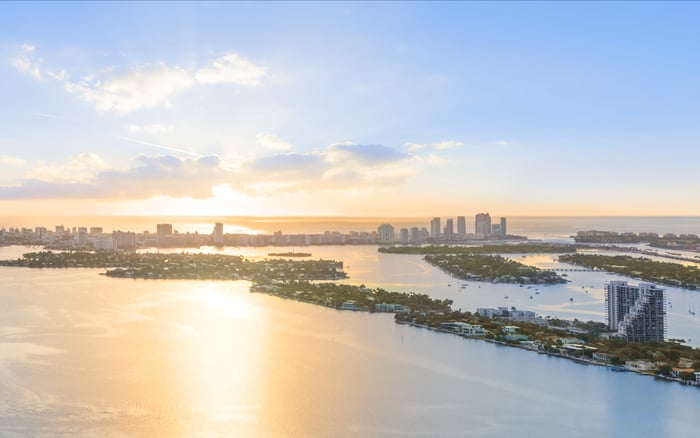
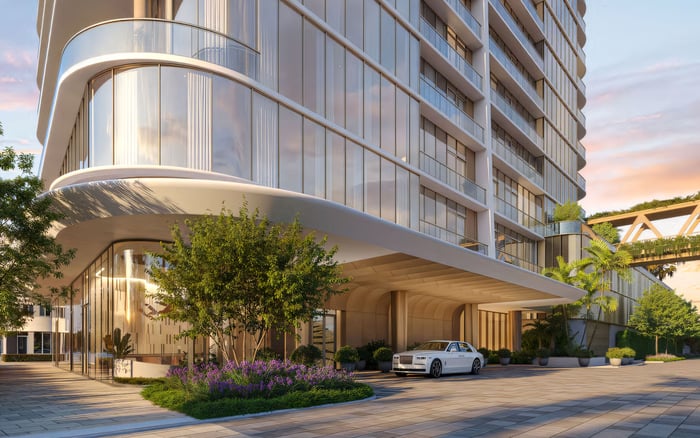
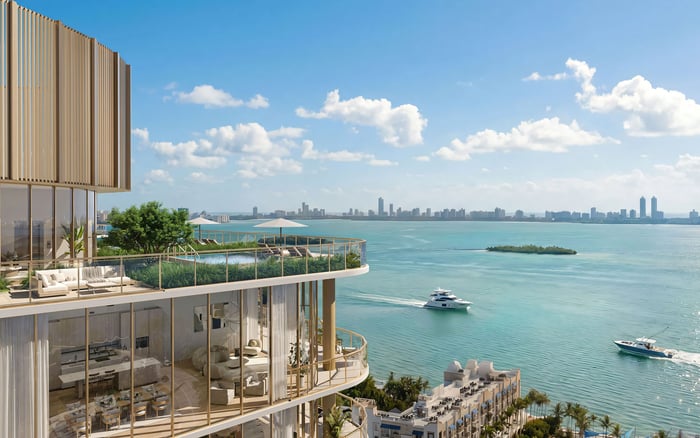
A discreet buyer-focused look at Miami Design Residences Midtown Miami, assessing daily rhythm, neighborhood utility, design restraint, and long-term livability for South Florida luxury buyers.
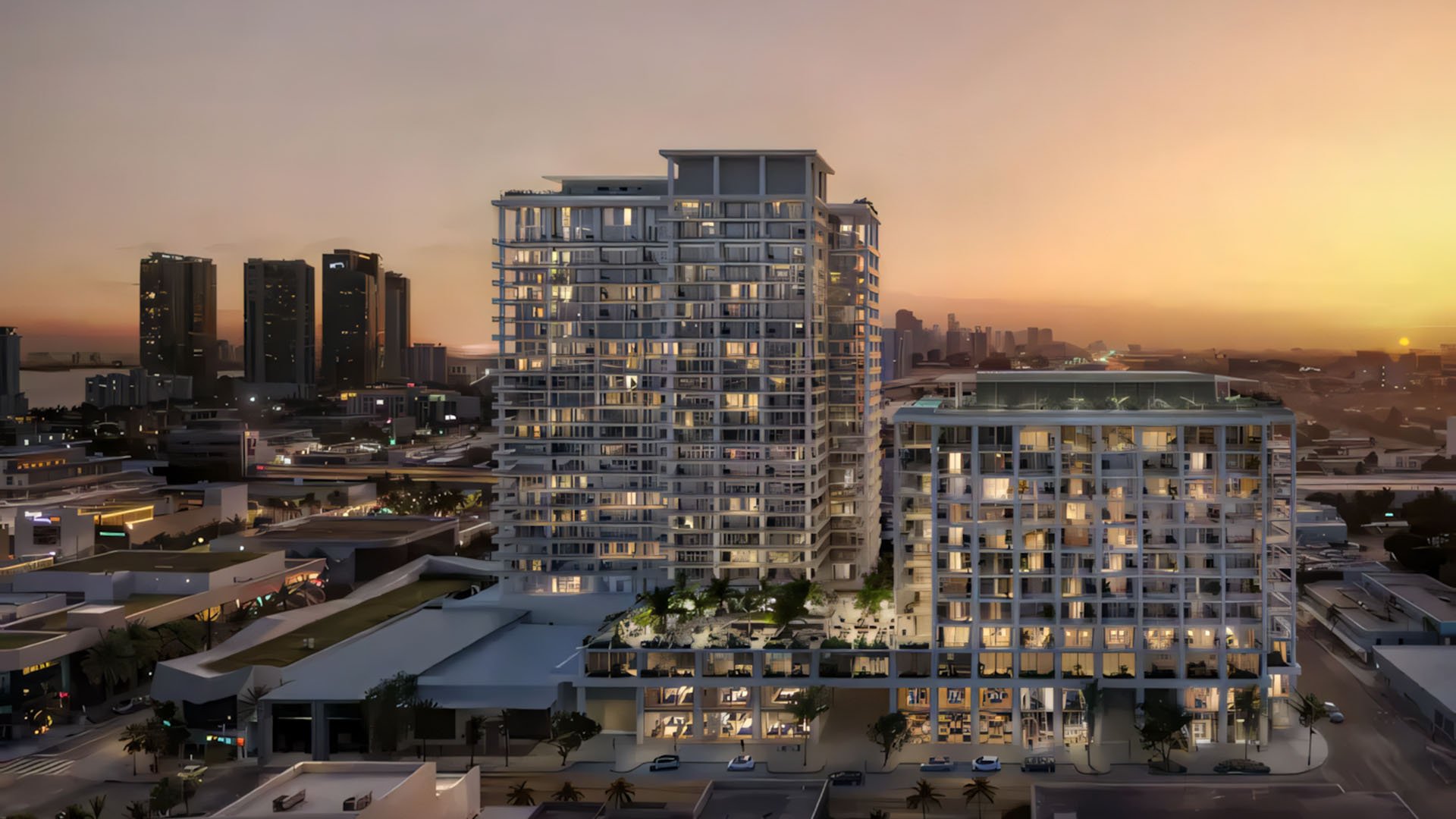
For South Florida luxury buyers, the most sophisticated question is rarely whether a new residence photographs well. It is whether the home will support a polished life after the sales-gallery moment has passed. That is the useful lens for evaluating Miami Design Residences Midtown Miami, a project whose name naturally places it within the orbit of Midtown Miami, the Design District, Wynwood, and the broader urban luxury conversation.
Midtown’s appeal is distinct from that of an oceanfront tower or a private island enclave. Its value is rooted in movement, proximity, dining, design culture, and the ability to compress the day without surrendering access to the rest of Miami. For a buyer who wants restaurants, galleries, retail, offices, fitness, and social life within a more immediate urban pattern, the neighborhood can feel especially practical. The residence itself, however, still has to pass the daily test.
Renderings often frame towers from the most flattering distance. Residents experience buildings at a more intimate scale: the driveway, the lobby threshold, the elevator, the corridor, the moment when bags, children, pets, guests, and schedules converge. A luxury address in Midtown Miami should be judged by how composed those transitions feel.
In this part of the city, arrivals matter because the surrounding environment is active. The best urban residential buildings create a sense of pause. A refined lobby is not merely decorative; it is a buffer between public energy and private calm. Buyers should consider whether the entry sequence feels intuitive, whether service needs are discreetly accommodated, and whether the building’s shared spaces support real use rather than only visual drama.
This is where new-construction buyers can be especially discerning. A fresh building may promise contemporary finishes and amenity polish, but enduring livability comes from fundamentals: sensible circulation, acoustic comfort, natural light, storage, elevator experience, package flow, and the everyday dignity of coming home.
Midtown’s strength is its position. It sits close to the Design District and Wynwood, with Brickell and Downtown Miami within the larger daily orbit. That geography makes it compelling for buyers who prefer an urban Miami lifestyle without committing to the financial district’s tower density or the resort cadence of the beach.
The comparison is instructive. A buyer drawn to the cultural and retail energy of the Design District may also be studying Kempinski Residences Miami Design District for a more directly Design District address. A collector or creative founder who wants the visual charge of Wynwood might track Frida Kahlo Wynwood Residences as part of the same urban conversation. A buyer who wants bay exposure and a more vertical waterfront rhythm may compare Midtown with Aria Reserve Miami in nearby Edgewater.
These are not interchangeable choices. They speak to different daily preferences. Midtown is for the buyer who values being in the middle of a useful grid, with design, dining, retail, and cultural movement close at hand. It is less about retreating from Miami and more about participating in it from a private, residential base.
The most beautiful launch image cannot tell a buyer how a residence lives at seven in the morning or after a late dinner. The practical evaluation begins inside the floor plan. Is the entry gracious enough to receive guests without immediately exposing private areas? Does the kitchen support the way the owner actually entertains, whether casually or with staff? Are bedrooms meaningfully separated from social spaces? Does the primary suite feel calm rather than merely large?
Terraces, when present, should be assessed for usability, not just appearance. In Miami, outdoor space is valuable when it feels connected to the living area and comfortable enough to use across a range of daily moments. Views matter, but so do the angle of light, the sense of privacy, and the way furniture can actually be placed.
Storage is another understated luxury. Urban residences become far more pleasant when they can absorb luggage, sports gear, seasonal wardrobes, deliveries, and the unseen inventory of an active life. This is especially important for owners who divide time between Miami and another city, since second-home living often requires the residence to be ready without daily management by the owner.
Lifestyle is an overused word in luxury real estate, but in Midtown Miami it has a precise meaning: how much friction does the address remove from the week? If a building allows an owner to get to dinner quickly, work remotely with ease, meet friends nearby, access shopping without ceremony, and return home to quiet, then the lifestyle claim becomes tangible.
For some buyers, that is more persuasive than grander gestures. Brickell, for example, remains a powerful choice for finance, offices, and high-rise dining, with projects such as 2200 Brickell speaking to a different version of urban convenience. Midtown’s proposition is more design-and-neighborhood driven. It is urban, but not purely corporate. It is social, but not necessarily nightlife-first. It is connected, but still residential when the building is executed with discipline.
This balance is especially relevant for buyers who already know South Florida well. They may own in Miami Beach, Palm Beach, or elsewhere and want a city residence that is easier to use spontaneously. In that case, the question is not whether Midtown feels like a traditional trophy address. The question is whether it enables a richer, more fluid Miami week.
A serious buyer should test the address at different times of day. Morning errands, early evening traffic, weekend activity, valet flow, pedestrian routes, and nearby dining patterns all influence how a building will feel in practice. The point is not to find a silent enclave in the center of the city. It is to understand the energy and decide whether it aligns with the owner’s temperament.
Interior specifications also deserve calm scrutiny. Finishes should be judged not only for brand language, but for durability, maintenance, replacement practicality, and coherence. Luxury design ages best when it is restrained enough to adapt to personal collections, art, textiles, and changing taste. A residence that is too visually prescriptive can feel dated faster than one with strong proportions and quieter materials.
Buyers should also consider future resale psychology. Urban luxury buyers often respond to clarity: a recognizable neighborhood, efficient plans, well-managed amenities, refined common areas, and a building identity that is neither anonymous nor overly themed. Miami Design Residences Midtown Miami will be most compelling to the buyer who sees the location not as a compromise between districts, but as the point itself.
The most persuasive case for Miami Design Residences Midtown Miami is not simply that it belongs to a fashionable part of the city. It is that Midtown can offer a rare kind of daily usefulness for a luxury buyer who wants Miami close, current, and flexible. The surrounding districts give the address cultural voltage. The building must provide the counterweight: privacy, efficiency, comfort, and composure.
That is the distinction between a residence that launches well and one that lives well. In a market full of striking imagery, the more enduring luxury is the home that improves the owner’s routine without demanding attention every day.
Who is the best buyer for Miami Design Residences Midtown Miami? The best fit is a buyer who values urban convenience, design proximity, and a lock-and-leave Miami base over a purely resort-style setting.
Is Midtown Miami more comparable to Brickell or Miami Beach? It is its own category, with more neighborhood design energy than Brickell and a more urban daily rhythm than Miami Beach.
Why does the Design District matter to the Midtown buyer? Design District proximity strengthens the lifestyle case for buyers who prioritize fashion, interiors, dining, galleries, and cultural access.
How does Wynwood influence the appeal of Midtown Miami? Wynwood adds creative energy nearby, making Midtown attractive for buyers who want culture and dining without living directly inside the busiest blocks.
What should buyers inspect beyond finishes? Buyers should focus on circulation, storage, acoustic comfort, elevator experience, light, terrace usability, and the quality of the arrival sequence.
Is new-construction always better for daily livability? Not automatically. New-construction can offer modern systems and amenities, but the floor plan and building operations determine daily comfort.
Can Midtown Miami work as a second-home location? Yes, for owners who want quick access to restaurants, shopping, culture, and city life without maintaining a more remote residential routine.
How should buyers compare Midtown with Downtown Miami? Downtown Miami may suit buyers seeking civic, office, or entertainment proximity, while Midtown offers a more design-neighborhood orientation.
What makes lifestyle meaningful in this context? Lifestyle is meaningful when the address reduces friction, supports routines, and makes spontaneous Miami living easier.
What is the key takeaway before purchasing? Judge the residence by how it functions on an ordinary weekday, not only by how it appears in its most polished presentation.
For a tailored shortlist and next-step guidance, connect with MILLION.
If branded residences are on your mind — as a home or as an allocation — we would be glad to share what we are seeing, privately.
Begin a quiet conversation