A buyer-focused guide to elevator redundancy at 888 Brickell by Dolce & Gabbana, covering passenger banks, service separation, emergency power, storm resilience, maintenance planning, and the written confirmations luxury buyers should request before contract execution.
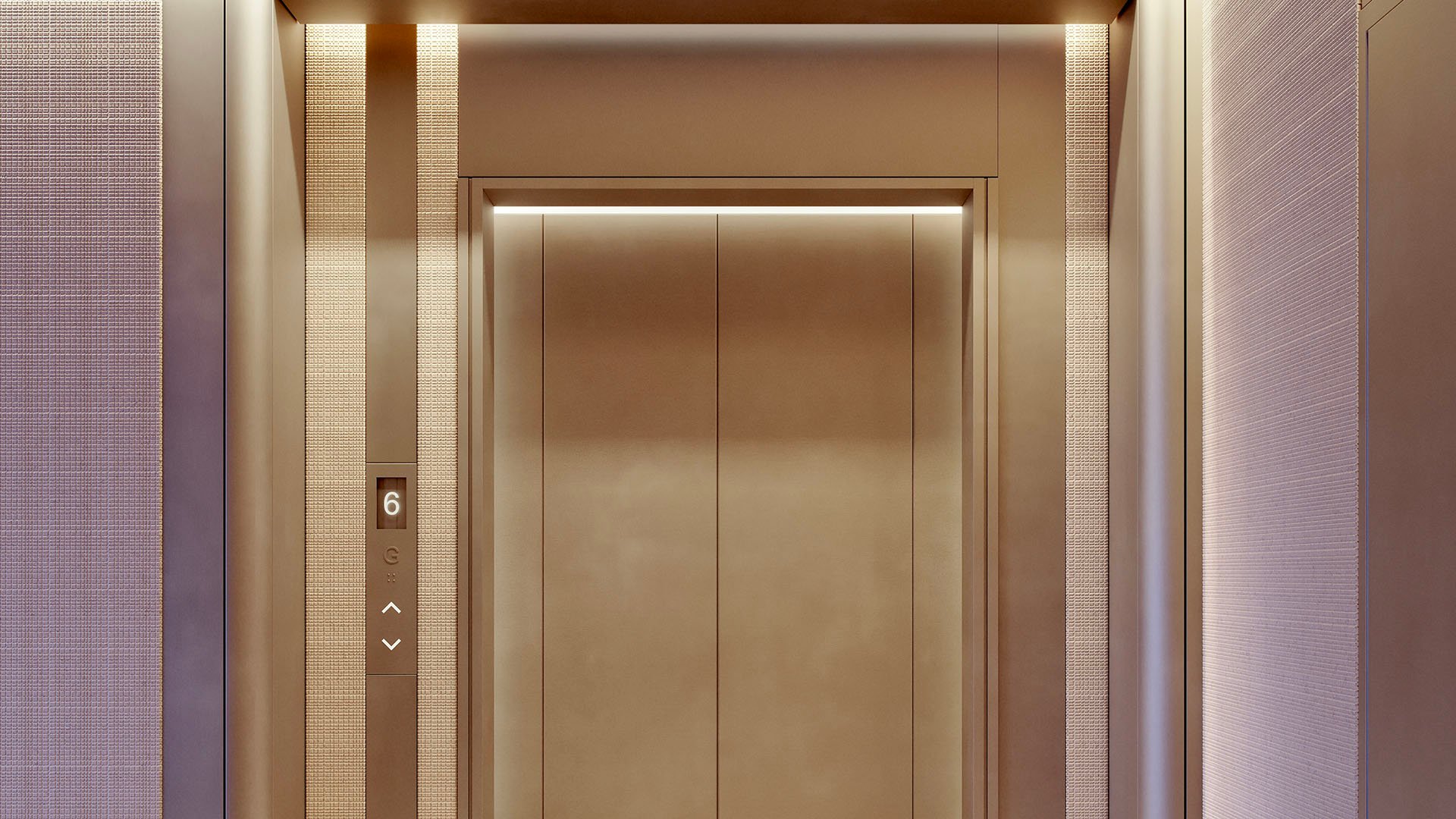
At the top end of Brickell, the elevator system is not a background utility. It is part of the daily rhythm of privacy, arrival, staffing, deliveries, storm preparedness, and resale confidence. For buyers considering 888 Brickell by Dolce & Gabbana, the right question is not simply whether the tower has elevators. The more sophisticated question is how the full vertical-transportation system performs when demand is high or when something goes wrong.
That distinction matters in Branded Residences, where hospitality cues often shape expectations. A striking lobby, attentive staff, and seamless arrivals lose force if residents are routinely sharing cars with service traffic, hotel guests, amenity visitors, or move-in crews. In a dense high-rise environment, redundancy is a luxury feature because it protects continuity.
Ask for the exact number of passenger elevators serving the residential floors. Then ask how that number is allocated. A tower may have multiple elevators overall, but the relevant figure for a resident is the number of cars actually serving the residential zone in which that home sits.
Buyers should ask which floors each bank serves and whether the plan uses low-rise, mid-rise, and high-rise zoning. Zoning can reduce ride times and improve efficiency, but only if each zone has enough capacity and enough backup. A single car serving a specific group of floors may feel private, yet it can become fragile if that car is unavailable.
If you are evaluating a Penthouse or upper-floor residence, ask whether the home has dedicated or semi-private elevator service, and what backup access exists if that car is down. Exclusivity is valuable, but exclusivity without redundancy can quickly become inconvenience.
The most important line of questioning concerns separation. Ask whether residential, hotel/guest, amenity, service, and freight traffic are separated into dedicated elevator banks. In Brickell, where buildings may combine homes, hospitality functions, wellness spaces, dining, and events, the answer can affect privacy as much as wait time.
Ask whether service and freight elevators are fully separate from resident passenger elevators for move-ins, staff, deliveries, housekeeping, maintenance, and building management. A luxury resident should not routinely compete with contractor carts, catering teams, or back-of-house operations during peak hours.
Then move beyond the brochure and test the failure scenarios. How many elevators can be out of service before resident wait times materially deteriorate? Can one outage be absorbed gracefully, or does it strain an entire bank? If one elevator bank is affected, is there alternate routing that maintains access without pushing residents into hotel or service flows?
Buyers comparing St. Regis® Residences Brickell, Baccarat Residences Brickell, and Cipriani Residences Brickell will recognize that the elevator conversation is inseparable from the broader service promise. The best systems are designed around routine life and abnormal days.
Words like private, seamless, and exclusive are pleasant. They are not a traffic study. Ask for projected elevator wait-time studies during resident peak hours, hotel peak hours, amenity events, and move-in periods. The useful question is how the system performs at 8:30 a.m., during a weekend amenity rush, after a large delivery window, or when one car is offline for maintenance.
Ask whether the building uses destination dispatch or access-controlled elevator technology to reduce congestion and preserve privacy. Destination dispatch can group riders more efficiently, while access control can limit who reaches certain floors or banks. The buyer’s focus should be on rules as much as hardware: can hotel guests or amenity visitors ever share residential elevators, and under what access-control conditions?
This is where pre-construction buyer review becomes most valuable. Specifications may still evolve, so request the current vertical-transportation drawings and ask whether elevator specifications are final or subject to change as development progresses.
In South Florida, elevator redundancy also means post-storm functionality. Ask what emergency power capacity is assigned to elevators and how many cars can operate during a utility outage. One operating car may satisfy a basic requirement, but it may not satisfy a luxury resident’s expectation in a tall tower.
Ask whether emergency-generator fuel capacity is sufficient for extended outages after storms or grid disruptions. Also ask how elevator operations are handled during fire alarms, hurricanes, power loss, flooding events, and emergency evacuations. The point is not alarmism. It is continuity planning.
Equipment location is another essential question. Ask where machine rooms, controllers, electrical gear, and elevator pits are located relative to flood-risk areas. Ask whether equipment is protected from water intrusion, storm surge, wind-driven rain, and prolonged humidity. A sophisticated buyer will treat these questions the same way they would evaluate glazing, mechanical systems, reserves, or insurance exposure.
Elevator redundancy is only as strong as its maintenance plan. Ask for planned preventive-maintenance contract terms, including response times, technician availability, and spare-parts commitments. A premium tower should be able to explain not only what is installed, but how it will be maintained.
Ask whether the condominium association budget includes realistic elevator maintenance, modernization reserves, and future replacement planning. Luxury elevators are capital systems with long-term cost implications. Underfunding them can eventually affect operations, assessments, and buyer perception.
Ask whether there is a written vertical-transportation operations plan for staff, residents, deliveries, housekeeping, and management. That plan should align with how the tower actually lives, not just how it opens. Buyers weighing The Residences at 1428 Brickell or other ultra-premium Brickell addresses should use the same lens: daily convenience, abnormal-day resilience, and long-term governance.
Finally, ask that any elevator-redundancy representations made by the sales team be confirmed in writing before contract execution. Verbal assurances are not a substitute for documents, plans, and contract-level clarity.
Before signing, request the exact residential passenger elevator count, the floor-by-floor bank plan, and confirmation of low-rise, mid-rise, and high-rise zoning if applicable. Ask for wait-time projections under normal and peak conditions, including hotel, amenity, and move-in periods.
Confirm whether each residential zone has more than one car, whether upper-floor or Penthouse service has backup access, and whether service and freight movement is fully separated. Review emergency-power capacity, generator fuel assumptions, flood protection for elevator components, maintenance contracts, and reserve planning.
For 888 Brickell by Dolce & Gabbana, the strongest buyer position is simple: admire the design, but underwrite the infrastructure. In a vertical luxury residence, the elevator is not merely how you get home. It is part of what you are buying.
Why should I ask about elevator redundancy before buying at 888 Brickell by Dolce & Gabbana? Because elevator performance affects privacy, wait times, service flow, storm readiness, and the daily luxury experience.
What is the first elevator question a buyer should ask? Ask for the exact number of passenger elevators serving residential floors and how those cars are allocated by zone.
Why does elevator-bank separation matter? Separation helps prevent residents from sharing routine trips with hotel guests, amenity visitors, service staff, deliveries, and freight traffic.
Should I ask whether the tower uses low-rise, mid-rise, and high-rise zoning? Yes. Zoning can improve efficiency, but each zone still needs enough cars and backup access.
What should Penthouse buyers ask specifically? They should ask whether upper-floor service is dedicated or semi-private, and what backup access exists if that car is unavailable.
Are wait-time studies worth requesting? Yes. They help buyers understand performance during resident peaks, hotel peaks, amenity events, and move-in periods.
How does emergency power affect elevator redundancy? It determines how many elevator cars can operate during a utility outage and how livable the tower remains after disruptions.
Why ask about flood protection for elevator equipment? Controllers, electrical gear, machine rooms, and pits can be vulnerable if not properly located and protected from water intrusion.
What maintenance documents should I review? Ask for preventive-maintenance terms, response times, technician availability, spare-parts commitments, and reserve planning.
Should elevator promises be confirmed in writing? Yes. Any representation about redundancy, access, or service separation should be documented before contract execution.
For a confidential assessment and a building-by-building shortlist, connect with MILLION.
If branded residences are on your mind — as a home or as an allocation — we would be glad to share what we are seeing, privately.
Begin a quiet conversation