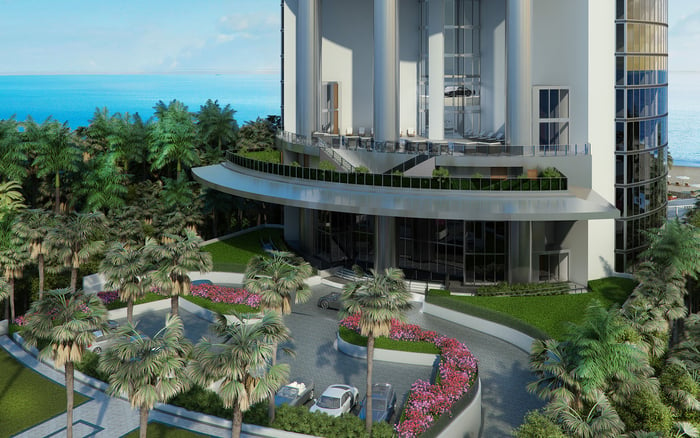
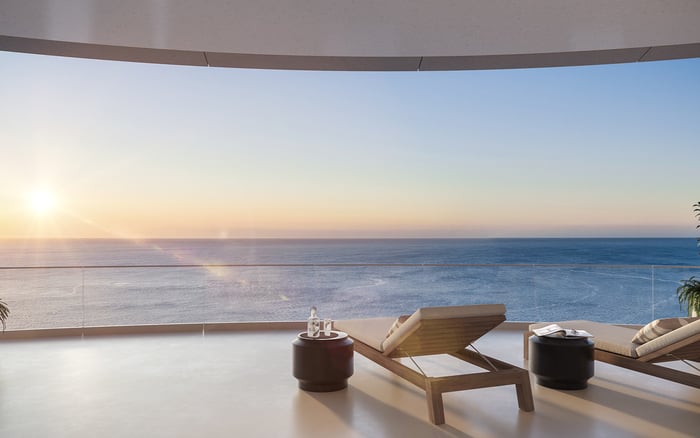
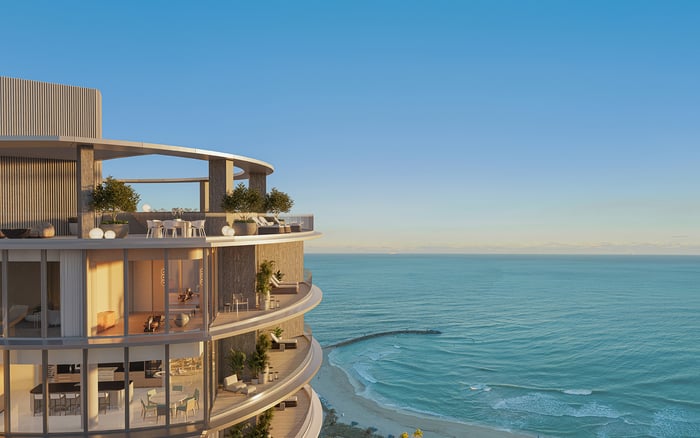
A practical, family-focused editorial on La Maré Bay Harbor Islands, examining privacy, educational access, guest flexibility, and the quieter Bay Harbor lifestyle.
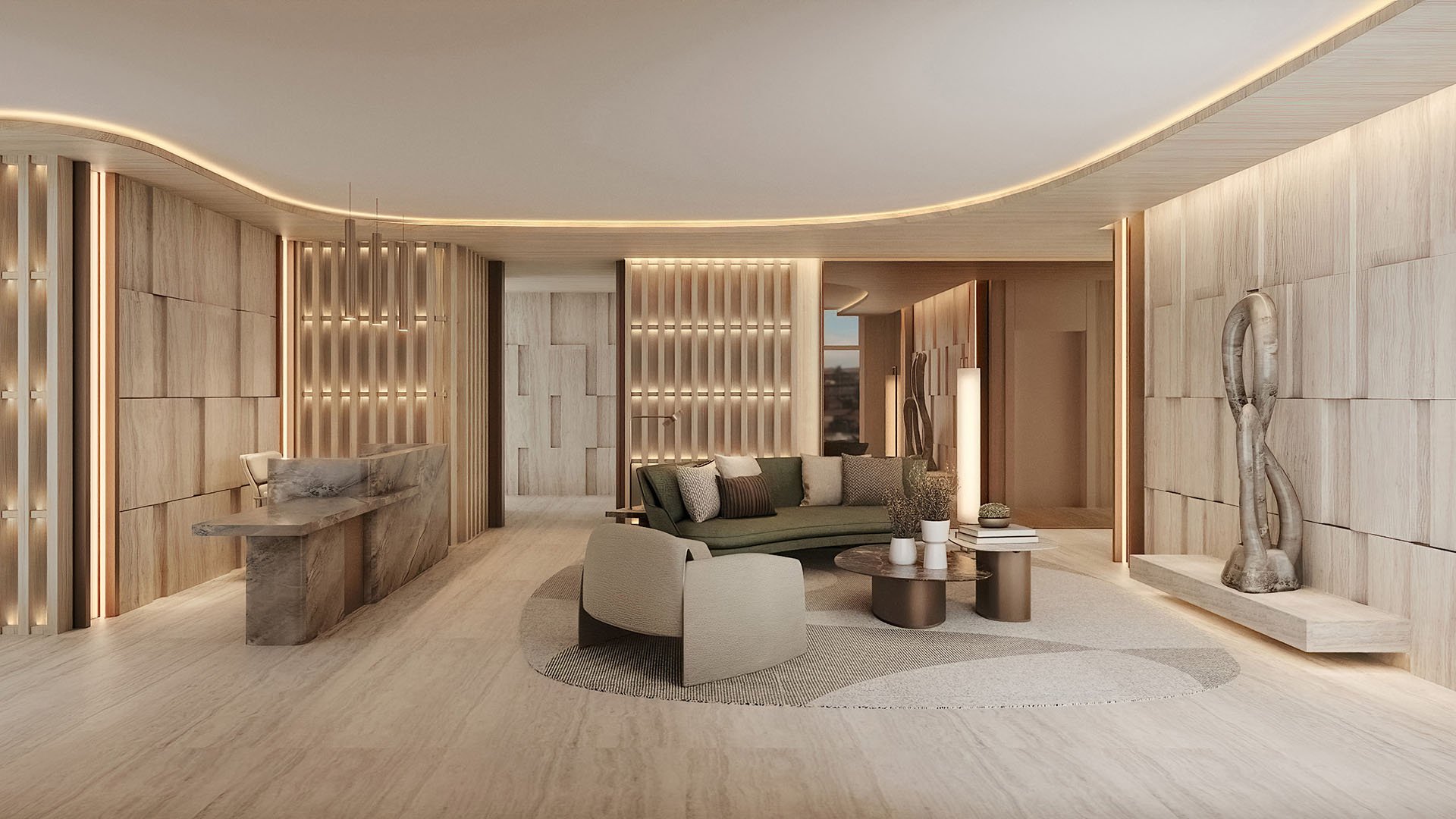
For affluent families, the most useful luxury is often not spectacle. It is control: control over daily arrivals, school routines, guest circulation, and the sense that home remains private even when Miami is moving at full speed. La Maré Bay Harbor Islands belongs in that conversation because it sits within a quieter, more discreet residential micro-market while remaining close to the coastal amenities that make northeast Miami-Dade compelling.
Bay Harbor Islands is a two-island municipality west of Bal Harbour and north of Surfside. That geography matters. It places residents across the Intracoastal Waterway from Collins Avenue and the oceanfront barrier-island corridor, near beach access, shopping, and coastal services without requiring life directly on the busiest oceanfront strip. For families, that can create a rare middle ground: condominium convenience within a more legible, neighborhood-scaled setting.
This is not a secluded estate alternative. It is better understood as privacy-with-access, a model suited to households that want a refined base near schools, retail, beaches, and family-support infrastructure while preserving a calm domestic rhythm.
Bay Harbor Islands has a physical clarity that larger urban districts often lack. The islands are connected by a limited set of bridges, helping create a defined neighborhood feel and potentially reducing through-traffic. For privacy-focused parents, that legible street network may feel more controlled than broader, more porous districts where vehicles, visitors, deliveries, and nightlife constantly overlap.
The east island is characterized mainly by multi-family residential buildings, including condominiums and co-ops. The west island is characterized mainly by single-family homes, canals, and waterfront lots. Together, that split creates a blend of density, privacy, and residential calm. It is urban enough to feel connected, yet restrained enough to avoid the intensity associated with more vertical, high-traffic condo markets such as Brickell and Sunny Isles.
Families comparing boutique buildings in Bay Harbor may also study Alana Bay Harbor Islands and Bay Harbor Towers to understand how different residential formats handle scale, arrival, and daily privacy. The key question is not simply which building is newest or most dramatic. It is which one supports the family’s routine with the least friction.
For families, school access is rarely one question. It is a daily logistics map. Where does the morning begin? How many adults are coordinating pickup? Are tutors, caregivers, grandparents, or drivers part of the rhythm? Does the household need easy movement toward the mainland, Collins Avenue, Biscayne Boulevard, or nearby coastal communities?
Kane Concourse is central to that answer. As the main east-west corridor, it connects Bay Harbor Islands to Bal Harbour Shops, Collins Avenue, the mainland, and Biscayne Boulevard. That gives the neighborhood a practical spine for families moving between school obligations, appointments, errands, and leisure without feeling isolated.
No family should rely on general neighborhood reputation when making an educational decision. School boundaries, admission policies, calendars, transportation options, and commute patterns should be verified directly before purchase. For a private-school household, the right test is not only proximity. It is whether the building’s access pattern, parking experience, lobby protocol, and morning circulation fit the family’s actual weekday life.
Guest flexibility sounds simple until it becomes lived reality. A family may need space for grandparents during winter, adult children between homes, a nanny or tutor on certain days, or friends arriving for a long weekend. In a condominium, comfort depends on more than bedroom count. It depends on separation, sound, storage, elevator experience, building rules, visitor protocol, and how private the primary suite remains when the apartment is full.
The raw appeal of Onda Bay Harbor, Origin Bay Harbor Islands, and La Maré for many buyers is the broader Bay Harbor proposition: a calmer residential setting that still keeps family and guests close to Bal Harbour, Surfside, the beach corridor, and everyday services. But each project must be reviewed on its own documents. Association policies, visitor parking procedures, rental limitations, move-in rules, and service access can significantly affect how gracefully a residence hosts extended family.
For multi-generational buyers, the best layout often allows guests to feel welcomed without taking over the home. That may mean a secondary bedroom placed away from the primary suite, a den that can shift uses, or living spaces that can absorb visitors without turning every meal into an event. The details should be confirmed in current floor plans and governing documents, not assumed from the neighborhood alone.
Bay Harbor Islands benefits from proximity without full exposure. Bal Harbour brings luxury retail and a polished coastal identity. Surfside brings a quieter beach-town adjacency. Collins Avenue and the oceanfront corridor are close, but the islands remain set back across the Intracoastal Waterway. For families, that separation can be valuable.
It means an afternoon can move toward beach access, shopping, or dining without making those activities the atmosphere of home. It also means the household can participate in the lifestyle of the barrier-island corridor while retaining a more residential daily setting. Waterfront context is part of the appeal, but so is restraint. The point is not maximum visibility. It is a quieter form of access.
Buyers who are also evaluating wellness-oriented living in the same micro-market may look at The Well Bay Harbor Islands as another reference point. The presence of multiple high-end residential concepts reinforces how Bay Harbor has become a focused alternative for buyers who want elegance without the speed of Miami’s most vertical districts.
La Maré can make sense for a family when three conditions align. First, the building must deliver enough privacy at the residence, arrival, and amenity levels. Second, the location must support the family’s educational map, including school access, transportation patterns, and the realities of weekday movement. Third, the residence and association framework must allow guests to be hosted comfortably and compliantly.
The due diligence should be practical. Review current floor plans. Ask how visitors are received. Understand parking and service access. Confirm school logistics independently. Study the association documents. Walk the neighborhood at different times of day. Consider how the home would function not only today, but across multiple life stages: young children, teenagers, visiting grandparents, adult children, or a second-home pattern with family rotating in and out.
For the right household, La Maré Bay Harbor Islands is not about withdrawing from Miami. It is about choosing a more composed setting from which the family can access Miami selectively.
Is La Maré Bay Harbor Islands positioned for families? Yes. It is framed as a luxury condominium option for households prioritizing privacy, school access, and guest flexibility.
Is Bay Harbor Islands quieter than Brickell or Sunny Isles? Bay Harbor Islands has a more restrained scale and residential feel than more vertical, high-traffic condo markets such as Brickell and Sunny Isles.
Does the location offer access to Bal Harbour and Surfside? Yes. Bay Harbor Islands sits west of Bal Harbour and north of Surfside, with access to nearby beach, retail, and coastal amenities.
Can buyers assume specific school zoning from the address? No. Families should verify school boundaries, admissions, and transportation directly before making a purchase decision.
Why does Kane Concourse matter for families? Kane Concourse is the main east-west corridor connecting the islands to Bal Harbour Shops, Collins Avenue, the mainland, and Biscayne Boulevard.
Is La Maré an alternative to a single-family estate? Not exactly. It is better viewed as privacy-with-access, offering condominium living in a calmer residential micro-market.
What should buyers review for guest flexibility? Buyers should examine floor plans, visitor procedures, parking, association policies, and how guest rooms relate to primary living areas.
Does Bay Harbor Islands have both condo and single-family areas? Yes. The east island is mainly multi-family residential, while the west island is known for single-family homes, canals, and waterfront lots.
Is the neighborhood directly on the oceanfront strip? No. Bay Harbor Islands is across the Intracoastal Waterway from Collins Avenue and the oceanfront barrier-island corridor.
Who is the strongest buyer fit for La Maré? The strongest fit is a family seeking private daily living with access to schools, retail, beach amenities, and support infrastructure.
To compare the best-fit options with clarity, connect with MILLION.
If branded residences are on your mind — as a home or as an allocation — we would be glad to share what we are seeing, privately.
Begin a quiet conversation