A buyer-focused guide to evaluating emergency power at Shell Bay by Auberge Hallandale, from generator-backed systems and fuel logistics to in-unit circuits, elevators, water pressure, communications, maintenance costs, and written disclosures.
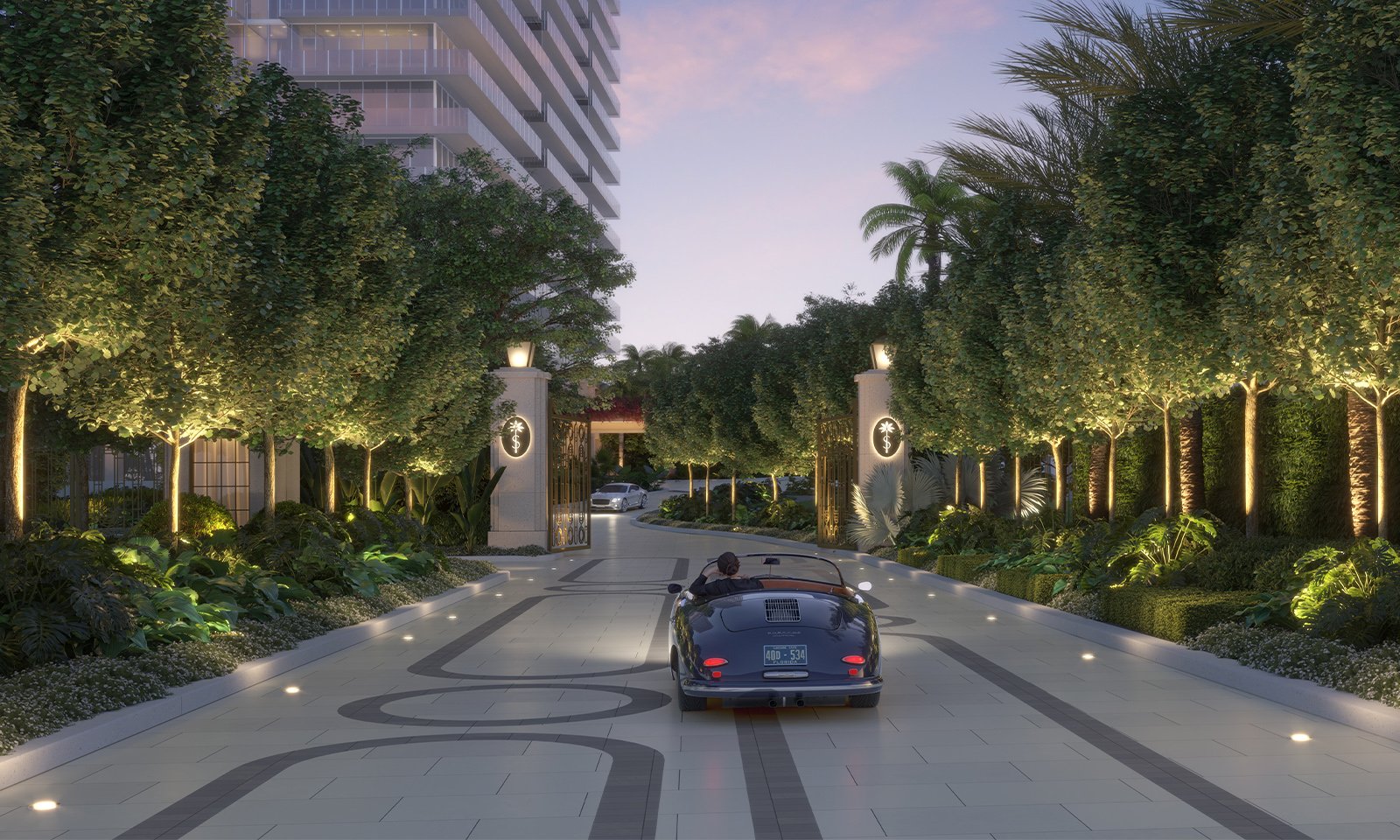
For buyers considering Shell Bay by Auberge Hallandale, emergency power should be treated as a core ownership issue, not a technical afterthought. In South Florida, a generator can mean very different things depending on what it actually supports. One building may be designed primarily to keep life-safety systems operating long enough for an orderly response. Another may be engineered to preserve a more usable residential environment during an extended outage.
That distinction matters. A luxury buyer is not simply asking whether a tower can satisfy baseline emergency obligations. The more refined question is whether the building remains practically livable when the grid is down, particularly during hurricane season. This is one of the Buyer’s Guides conversations that should move from sales language into drawings, specifications, budgets and written confirmations before a contract is signed.
At Shell Bay by Auberge Hallandale in Hallandale Beach, the essential diligence point is clarity. Buyers should ask what is generator-backed, how long backup power is expected to run, which systems are excluded and whether any promises appear in binding condominium documents rather than informal presentations.
The first question is deceptively simple: is emergency power limited to code-required life-safety systems, or is it designed for broader residential comfort? A life-safety approach may support fire pumps, emergency lighting, alarm systems and smoke-control functions. A livability approach may go further, preserving selected elevators, water pressure, access control, communications, lobby operations, amenity functions or even certain in-residence circuits.
Buyers should ask the sales and development team to describe the intended standard in plain language. Does the system support full-building comfort, partial common-area comfort or only essential emergency functions? If the answer is vague, request a written load schedule showing generator capacity, connected loads, load-shedding priorities and any reserved capacity for future needs.
This is especially relevant in new-construction luxury condominiums, where resilience is increasingly part of the value proposition. For coastal South Florida properties, the protection of electrical rooms, fuel systems and switchgear from storm surge, flooding, wind-driven rain and salt-air corrosion is a central due-diligence topic.
The most useful buyer question is not “does the building have a generator?” It is “which loads are connected to emergency power?” At a minimum, buyers should ask about elevators, fire pumps, emergency lighting, domestic water pumps, access control, CCTV, garage systems, communications systems and amenity operations.
Elevators deserve specific scrutiny. Ask how many elevators will operate on emergency power and whether service reaches all residential floors, parking levels, lobby areas and amenity levels. In a high-rise residence, one backed-up elevator serving only certain areas may feel very different from reliable vertical access across the building.
Water pressure is equally important. Buyers on upper floors should ask whether generator-backed domestic water systems can maintain usable pressure during a prolonged grid failure. If water pumping is not fully supported, the experience of an outage can become inconvenient quickly, even in an otherwise carefully serviced property.
Communication systems also need definition. Internet, building Wi-Fi, cellular boosters, concierge systems, intercoms, package rooms and security communications should be reviewed individually. A residence may have power in selected areas, but if access control, garage entry or communications fail, daily function can still be compromised.
In-unit emergency power is one of the easiest areas to misunderstand. Buyers should ask whether any residential circuits are generator-backed and, if so, which ones. The relevant categories include refrigeration, selected lighting, outlets, HVAC, wine storage, medical-equipment circuits and smart-home infrastructure.
The answer may be “none,” “limited,” or “available only for certain loads.” Any of those answers can be acceptable if they are understood before purchase. The problem is ambiguity. A buyer with critical refrigeration, medical equipment or extensive home automation should not rely on the phrase “backup power” without confirming the connected circuits in writing.
HVAC is another area where language can obscure reality. Ask whether backup power supports only life-safety smoke control and equipment rooms, or whether it also reaches corridors, lobby areas, amenity spaces and any residential zones. The difference between protected mechanical systems and occupant comfort can be substantial during a summer outage.
Cold storage should be addressed separately. Buyers should ask whether emergency power supports refrigeration or cold storage in residences, back-of-house hospitality areas, restaurants or owner amenity spaces. For a hospitality-oriented condominium, these details affect service continuity as much as personal convenience.
A generator is only as useful as its fuel plan. Buyers should ask what fuel type is used, where fuel is stored, how much runtime is available on-site and whether refueling contracts are in place before hurricane season. Runtime assumptions should be practical, not theoretical. The real question is how the building performs during a prolonged disruption when refueling logistics may be strained.
The transfer sequence also matters. Ask whether the system includes automatic transfer switches and how quickly critical systems transfer from utility power to generator power. A rapid, predictable transfer can reduce disruption for elevators, access systems, communications and security operations.
Location and protection of equipment should not be overlooked. Generator equipment, switchgear, fuel tanks and electrical rooms should be evaluated for exposure to storm surge, flooding, wind-driven rain and salt-air corrosion. Buyers do not need to become engineers, but they should insist that the design team explain how critical infrastructure is protected in coastal conditions.
This is where comparison can be useful. Buyers looking at Hallandale may naturally compare Shell Bay with 2000 Ocean Hallandale Beach, or broaden the lens to hospitality-driven properties such as Auberge Beach Residences & Spa Fort Lauderdale. The purpose is not to create a generic ranking. It is to understand how each building defines resilience, what is documented and what remains discretionary.
The strongest answers are written answers. Buyers should ask whether emergency-power commitments appear in binding condominium documents, engineering drawings, specifications or purchase disclosures rather than only in sales presentations. If a feature affects habitability, operating cost and resale positioning, it should be capable of being confirmed.
Ask for written confirmation of generator capacity, covered loads, runtime assumptions and exclusions before signing a contract. Also request the emergency-power load schedule, including total generator capacity, connected loads, load-shedding priorities and any future reserved capacity. This document helps translate broad promises into operational reality.
Maintenance should be equally transparent. Ask who is responsible for generator maintenance, monthly testing, annual load-bank testing, fuel-quality management and post-storm inspection protocols. Then ask whether the condominium association budget includes recurring costs for generator testing, fuel, service contracts, replacement reserves and emergency mobilization.
For branded residences and service-rich luxury towers, the operating budget is part of the promise. Amenities, security and hospitality can function during an outage only if the systems behind them are powered, maintained and funded.
Shell Bay’s emergency-power standard should be compared with other new luxury towers in South Florida that discuss enhanced backup-power resilience. A buyer might compare expectations across coastal and urban projects, from The Ritz-Carlton Residences® Pompano Beach to vertical urban residences such as The Residences at 1428 Brickell. Each setting has different priorities, but the same questions apply.
The most elegant buildings are increasingly judged not only by design, views and service, but by operational composure. During a blue-sky tour, backup power is invisible. During an outage, it becomes one of the most tangible measures of planning.
For a Shell Bay buyer, the objective is not to demand every possible powered function. It is to understand the standard being purchased. If the building is designed for life safety only, price and expectations should reflect that. If it is designed for broader livability, the documentation should show exactly how that promise is delivered.
What is the first emergency-power question to ask at Shell Bay by Auberge Hallandale? Ask whether backup power is limited to life-safety systems or designed to support broader residential livability during outages.
Should buyers ask which elevators are generator-backed? Yes. Confirm how many elevators operate on emergency power and whether service reaches residential floors, parking, lobby and amenity levels.
Does backup power always include in-unit circuits? No. Buyers should ask specifically about refrigeration, selected outlets, lighting, HVAC, wine storage, medical-equipment circuits and smart-home systems.
Why is domestic water pressure part of the emergency-power review? Upper-floor residences may depend on generator-backed pumping to maintain usable water pressure during a prolonged grid failure.
What fuel questions should be asked before signing? Ask about fuel type, storage location, on-site runtime and whether refueling contracts are arranged before hurricane season.
Should HVAC backup be assumed in a luxury condominium? No. Confirm whether HVAC backup covers only smoke control and equipment rooms or also corridors, lobbies, amenities and any residential zones.
What document helps clarify generator capacity? Request an emergency-power load schedule showing generator capacity, connected loads, load-shedding priorities and reserved capacity.
Who pays for generator upkeep after closing? Ask whether the association budget includes testing, fuel, service contracts, replacement reserves and emergency mobilization costs.
Are sales presentations enough to rely on? No. Emergency-power commitments should be confirmed in condominium documents, engineering drawings, specifications or purchase disclosures.
How should Shell Bay be compared with other luxury towers? Compare documented systems, runtime, fuel logistics, maintenance obligations and whether backup power supports safety only or practical livability.
To compare the best-fit options with clarity, connect with MILLION.
If branded residences are on your mind — as a home or as an allocation — we would be glad to share what we are seeing, privately.
Begin a quiet conversation