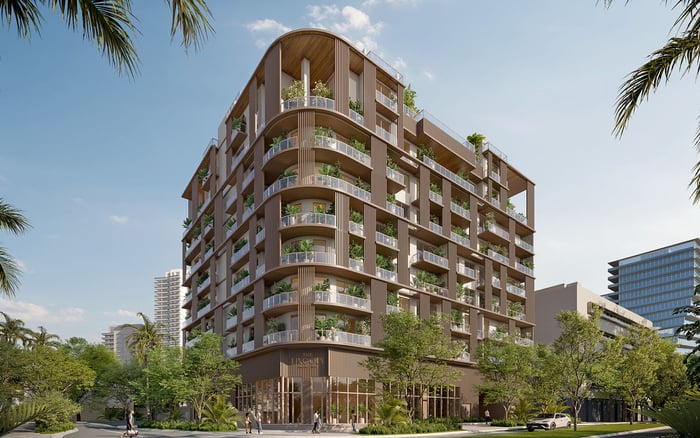
A buyer-focused guide to the warranty diligence questions that matter before purchasing at The Well Bay Harbor Islands, from wellness systems and finishes to association turnover and coastal-condition exclusions.

At a wellness-focused luxury condominium, warranty diligence should be as refined as the finishes. The central question before buying at The Well Bay Harbor Islands is not simply whether the developer offers a warranty. It is where that obligation is written, who must perform it, when it begins, and what remedies are actually available if something fails.
Buyers should ask to see the precise source of each warranty obligation. It may appear in the purchase agreement, condominium declaration, offering materials, separate warranty exhibits, appliance documents, installer paperwork, or association turnover materials. If a promise is material to your decision, it should be traceable to a document your attorney can evaluate.
That is especially important in the Bay Harbor market, where boutique scale, waterfront exposure, and high-design expectations intersect. Buyers comparing The Well Bay Harbor Islands with nearby projects such as Alana Bay Harbor Islands or La Maré Bay Harbor Islands should treat warranty language as part of the purchase economics, not as an administrative afterthought.
A warranty is only as useful as the party responsible for honoring it. Ask whether the legally responsible party is the specific developer entity, a parent company, contractors, subcontractors, installers, manufacturers, or the condominium association. In many new developments, the project is held through a single-purpose entity, so buyers should ask what financial backing supports post-closing obligations.
The most practical questions are direct: Is there a parent guaranty? Are there insurance policies, bonds, retainage, contractor indemnities, or other backstops? If a contractor supplied the windows, an installer handled the smart-home system, and a manufacturer provided the air-filtration equipment, which party responds first when a claim is made?
For buyers in the luxury new-development category, this is where legal review becomes essential. A Florida condominium attorney should review the purchase agreement, declaration, offering documents, warranty exhibits, and any materials addressing association turnover before a buyer assumes that a sales description equals an enforceable obligation.
Bay Harbor Islands is positioned around luxury and wellness, so due diligence should extend beyond conventional construction questions. Ask whether air filtration, water purification, lighting, HVAC, wellness technology, and smart-home components carry separate manufacturer or installer warranties. Then ask whether those warranties are delivered to owners, maintained by the association, or dependent on approved service providers.
Buyers should also distinguish wellness-brand language from warranty language. A promise about lifestyle, programming, amenity intent, or design philosophy may be meaningful to the ownership experience, but it may not be an enforceable warranty commitment. Ask the developer to identify which wellness features are covered, what performance standards apply, and what happens if a system does not operate as expected.
This same discipline applies across Branded Residences and wellness-oriented projects throughout South Florida. A buyer studying The Well Coconut Grove may be asking similar questions, even if the building, documents, and responsible parties differ.
Ask for the duration, start date, claim procedure, exclusions, and transferability of every warranty covering the unit, common elements, building systems, appliances, and finishes. The start date can matter as much as the length. A warranty may begin at substantial completion, certificate of occupancy, unit closing, association turnover, or another defined milestone.
Procedures also matter. Buyers should ask how claims must be submitted, whether notice must be written, whether photographs or expert reports are required, and whether failure to follow a process can limit rights. Ask whether unresolved punch-list items will be documented in writing before closing, and whether an independent pre-closing inspection is permitted.
The remedy language deserves close attention. Has the developer disclaimed implied warranties? Are remedies limited to repair-only obligations? Are damages capped? Is arbitration or another alternative dispute-resolution process required? These clauses are not merely legal boilerplate. They can shape how quickly an owner receives a response and what options remain if the response is inadequate.
Luxury residences are judged in the details, yet warranty documents often treat categories of issues very differently. Ask how cosmetic defects, punch-list items, latent defects, water intrusion, building-envelope concerns, structural issues, and mechanical-system failures are handled. A scratch in stone, a cabinet-alignment issue, and moisture intrusion at an exterior opening may have different notice deadlines, responsible parties, and remedies.
High-end finishes require particular scrutiny. Buyers should ask whether millwork, stone, flooring, cabinetry, plumbing fixtures, appliances, and specialty lighting are covered by the developer or only by manufacturer warranties. They should also ask whether consequential damage is covered if a warranted defect damages flooring, cabinetry, furnishings, or interior improvements.
Waterfront and coastal exposure add another layer. Ask how hurricane conditions, salt air, humidity, moisture, and the marine environment affect exclusions for exterior systems, windows, doors, balconies, waterproofing, and mechanical equipment. In new construction, it is easy to focus on design. The more durable question is how the documents allocate responsibility if the coastal environment tests the building over time.
Many warranty issues affect more than one residence. Ask whether the condominium association will receive warranties for common elements, building systems, equipment, and exterior components, and whether individual owners can enforce any of those warranties directly. If only the association can act, buyers should understand how claims will be managed after developer control ends.
The turnover package should be reviewed with the same seriousness as the purchase agreement. Ask what warranties, manuals, inspection reports, maintenance schedules, software documentation, service contracts, and vendor instructions will be delivered to the association. For wellness systems, ask whether required maintenance, filter changes, water-treatment servicing, software updates, or approved vendors are conditions for keeping coverage valid.
This is also relevant when comparing boutique Bay Harbor projects such as Onda Bay Harbor. The ownership experience is shaped not only by architecture and amenities, but by how well the building’s systems are documented, maintained, and transferred into owner control.
Where should warranty obligations be written? They may appear in the purchase agreement, condominium documents, offering materials, separate exhibits, manufacturer papers, or turnover materials. Ask counsel to identify which provisions are binding.
Who should be responsible for warranty performance? Ask whether responsibility sits with the developer entity, a parent company, contractors, subcontractors, manufacturers, installers, or the condominium association.
Do wellness features have separate warranties? They may. Air filtration, water purification, lighting, HVAC, wellness technology, and smart-home components should each be reviewed for separate coverage.
Are wellness-brand promises always enforceable? Not necessarily. Buyers should ask which promises are binding warranty commitments and which are lifestyle, programming, or amenity descriptions.
When might a warranty period begin? It could begin at substantial completion, certificate of occupancy, unit closing, association turnover, or another defined milestone in the documents.
Can a developer limit warranty remedies? Warranty language may limit remedies, cap damages, disclaim implied warranties, or require arbitration. These provisions should be reviewed before signing.
Should buyers conduct a pre-closing inspection? Yes. Buyers should ask whether an independent inspection is allowed and whether unresolved punch-list items will be documented in writing before closing.
Are luxury finishes covered by the developer? Not always. Stone, millwork, flooring, cabinetry, plumbing fixtures, appliances, and specialty items may rely on manufacturer or installer warranties.
What should the association receive at turnover? The association should receive relevant warranties, manuals, inspection reports, maintenance schedules, service contracts, and system documentation.
Why do coastal conditions matter for warranties? Salt air, humidity, hurricane exposure, and moisture can affect exclusions for windows, doors, balconies, waterproofing, exterior systems, and mechanical equipment.
If you'd like a private walkthrough and a curated shortlist, connect with MILLION.
If branded residences are on your mind — as a home or as an allocation — we would be glad to share what we are seeing, privately.
Begin a quiet conversation