A practical luxury buyer’s guide to reading the daily culture of a Pompano Beach condominium before committing to full-time ownership.
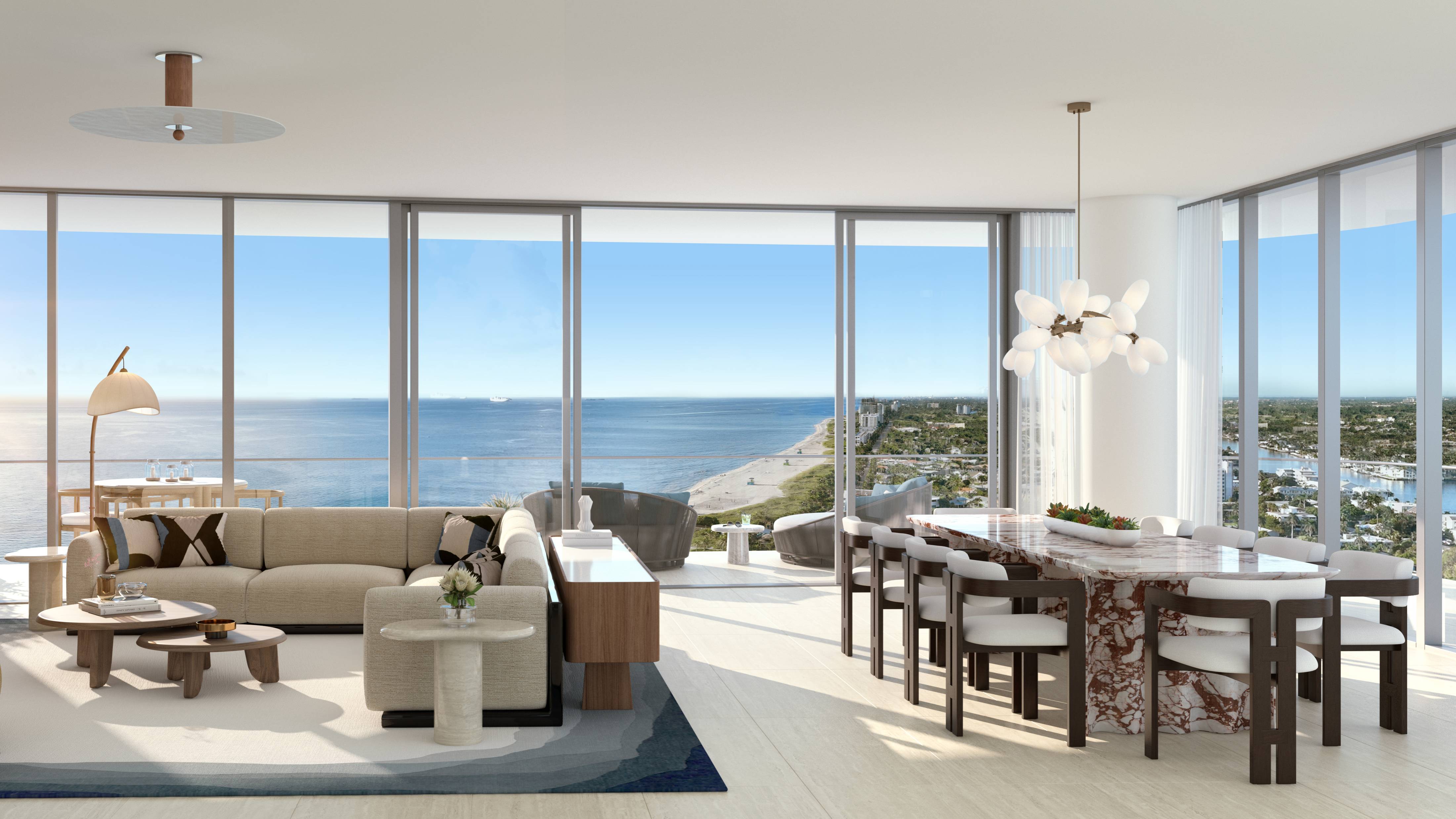
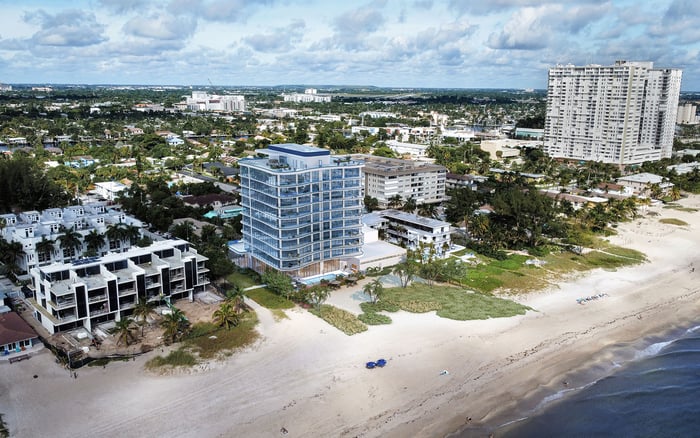
For a full-time buyer, a condominium is not simply a private residence suspended above the water. It is a daily ecosystem. Elevators, lobby, pool deck, valet court, fitness room, service corridors, pet routines, guest policies, and board decisions all shape the experience of living there. In Pompano Beach, where luxury buyers may compare established oceanfront addresses with a growing pipeline of new-construction offerings, building culture can distinguish a beautiful purchase from a deeply comfortable life.
The most refined buyers evaluate more than finishes and views. They ask whether the building lives like a private club, a quiet residential enclave, a social resort, a family-oriented community, or a flexible seasonal address. None is inherently better. The question is which one supports your rhythm every day, not only during a weekend showing.
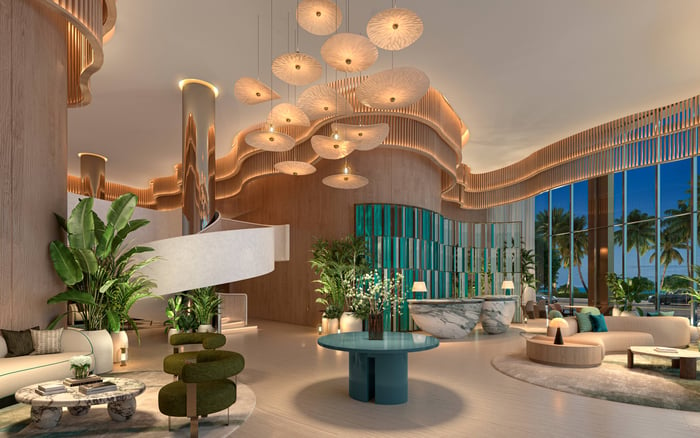
Begin by imagining the building at 7:30 in the morning, 3:00 in the afternoon, and 9:00 at night. Are residents heading to work, walking dogs, receiving trainers, entertaining guests, or slipping into private routines? A lobby can tell you a great deal if you observe it carefully. The tone of greetings, the tempo of valet service, and the number of visitors moving through the entrance all reveal whether the building is highly social, discreetly residential, or hospitality-forward.
When touring a residence such as The Ritz-Carlton Residences® Pompano Beach, do not limit the visit to model-like moments. Ask how residents typically use shared spaces, what hours feel active, and how staff manages the transition between privacy and service. Full-time life depends on those details.
Condominium documents are often treated as legal formalities, but for full-time living they are closer to a lifestyle manual. Pet policies, package procedures, renovation rules, move-in protocols, leasing restrictions, guest access, pool etiquette, and amenity reservation systems all communicate the values of the building.
A buyer who hosts family frequently should study guest policies with care. A buyer with multiple pets should understand not only what is permitted, but how pets are accommodated in practice. A buyer planning design work after closing should look closely at contractor access, work hours, deposit requirements, and approval timelines. The culture of enforcement matters as much as the written rule. A building with clear, consistently applied standards often feels calmer than one where residents negotiate every exception.
Luxury service is not always formal, and informality is not always casual. The best buildings tend to have a recognizable service personality. Some operate with hotel-like polish. Others feel more intimate, with staff who know resident preferences without ceremony. The right choice depends on how you want to live.
At Armani Casa Residences Pompano Beach, a buyer might focus on how design expectations and residential privacy align with day-to-day operations. In any building, ask practical questions: How are deliveries handled? How does the front desk communicate with residents? Is valet volume predictable? Are service requests logged formally? These answers reveal whether the building can support full-time routines gracefully.
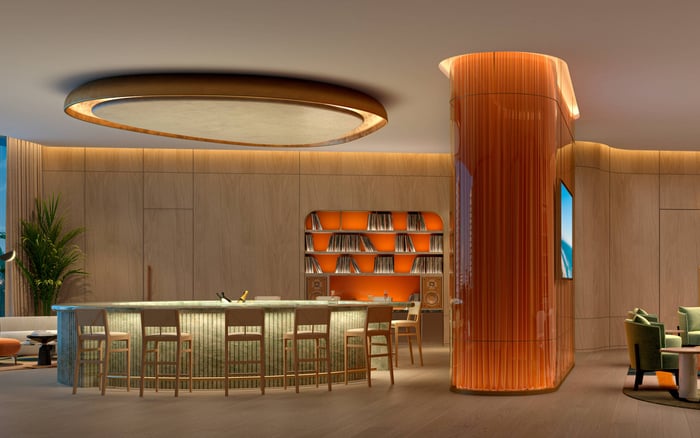
Amenities are often marketed visually, but they are lived socially. A spectacular pool can feel serene or crowded depending on resident habits. A club room can serve as an elegant extension of the home or sit mostly unused. A fitness center can be a morning hub or a private, near-silent convenience. For oceanfront buyers in particular, beach access, pool culture, cabana use, towel service, and guest expectations deserve careful attention.
If you are evaluating W Pompano Beach Hotel & Residences, consider whether a more hospitality-influenced atmosphere matches your desired lifestyle. Some owners welcome energy, programming, and a sense of arrival. Others want a quieter pattern with fewer moving parts. The decision is less about prestige than compatibility.
Views inspire the purchase, but governance protects the life you intend to have. Buyers should understand how the association communicates, how decisions are made, and whether the building appears proactive about maintenance and resident experience. In a full-time home, slow responses, unclear communication, or inconsistent rule enforcement can become daily irritants.
A thoughtful advisor can help interpret tone. Meeting minutes, budgets, reserve discussions, and architectural review practices can indicate whether the building is conservative, ambitious, highly controlled, or relaxed. The most useful questions are often simple: Who lives here most of the year? How does the board handle resident concerns? Are improvements planned with care or delayed until unavoidable?
A single showing is a curated moment. A serious buyer should return at different times and under different conditions. Arrive during morning departures, late afternoon pool hours, and evening guest arrivals if possible. Notice traffic flow, elevator wait times, acoustics, lighting, staff posture, and whether residents appear at ease.
For a building such as Waldorf Astoria Residences Pompano Beach, the name may suggest a certain service vocabulary, but the lived experience still deserves direct observation. Walk the path from parking to residence. Stand in the lobby without rushing. Listen from the balcony. Luxury is cumulative, built from small moments repeated daily.
Many buyers shop as their aspirational weekend selves. Full-time buyers must shop as their Tuesday morning selves. If you work from home, building acoustics and privacy may matter more than a dramatic lobby. If you entertain often, elevator logistics, catering access, and guest parking become essential. If you travel frequently, security, package handling, and staff communication may outweigh social programming.
Pompano Beach offers the appeal of coastal living with a range of residential personalities. The right building should make daily life easier, not require constant adaptation. A buyer who values quiet mornings, predictable service, and neighborly discretion should not compromise for an amenity package that feels impressive but mismatched. Conversely, a buyer who enjoys energy and hospitality should not choose a building whose culture resists that rhythm.
What does building culture mean in a Pompano Beach condo? It refers to the daily rhythm of residents, service, rules, amenities, and governance that shapes life beyond the private residence.
Why is building culture especially important for full-time buyers? Full-time owners experience every operational detail repeatedly, from elevator flow to guest policies and staff communication.
How can I sense a building’s culture during a showing? Observe the lobby, staff interactions, resident behavior, amenity use, noise levels, and the pace of arrivals and departures.
Should I review condo rules before making an offer? Yes. Rules on pets, guests, renovations, leasing, deliveries, and amenities can materially affect daily comfort.
Is a more social building better for long-term ownership? Only if it matches your lifestyle. Some buyers prefer a club-like atmosphere, while others value quiet privacy.
How many times should I visit before purchasing? More than once if possible. Different times of day reveal different patterns in traffic, sound, service, and amenity use.
Do branded residences always have the same culture? No. Branding may influence service expectations, but each building develops its own resident behavior and operating personality.
What should pet owners evaluate carefully? Pet limits, approved areas, elevator etiquette, staff procedures, and whether the building feels genuinely comfortable for daily pet routines.
Can governance affect lifestyle quality? Very much. Clear communication, consistent rule enforcement, and proactive maintenance often support a calmer full-time experience.
What is the best way to compare Pompano Beach buildings? Compare how each one supports your ordinary week, not only how it looks during a polished tour.
To compare the best-fit options with clarity, connect with MILLION.
If branded residences are on your mind — as a home or as an allocation — we would be glad to share what we are seeing, privately.
Begin a quiet conversation