A discreet buyer’s guide to weighing Coconut Grove against Bay Harbor Islands when the goal is not only waterfront beauty, but a residence that works elegantly for daily life.
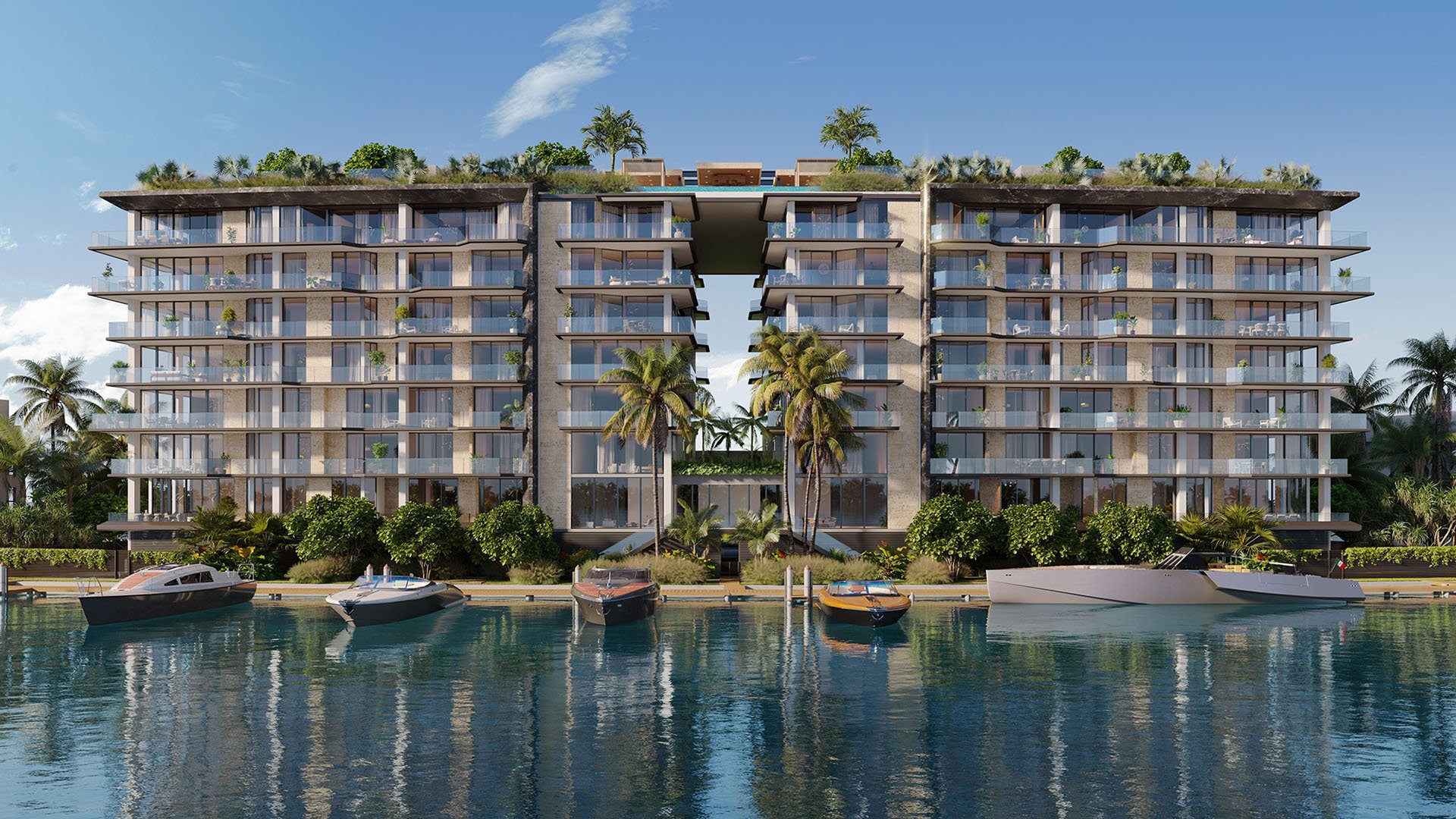
A waterfront address in South Florida is often framed in visual terms: the horizon, the light, the morning air over Biscayne Bay. Yet the most discerning buyers tend to arrive at a quieter, more consequential question: which waterfront address improves the everyday pattern of life?
That question is especially relevant when comparing Coconut Grove and Bay Harbor Islands. Both can satisfy a desire for water, discretion and residential calm, but they do so in distinct ways. Coconut Grove often appeals to buyers who want a textured village atmosphere around the water. Bay Harbor Islands tends to attract buyers who want a composed, low-friction residential base with easy access to nearby coastal amenities. Neither is simply “better.” The right choice depends on how you live on an ordinary Tuesday.
Coconut Grove has long been valued for its softness: tree canopy, garden walls, intimate streets and a residential mood that feels less formal than many waterfront markets. For buyers who want a home to feel grounded rather than staged, that quality matters. A waterfront or water-oriented residence here can feel connected to a broader neighborhood rhythm, with dining, errands, wellness routines and social life woven into the day rather than treated as separate trips.
That is why developments such as Four Seasons Residences Coconut Grove speak to buyers who want service, privacy and a Grove address in the same sentence. Nearby, The Well Coconut Grove reflects another side of the market: a preference for residences that pair design with a daily wellness orientation. For a buyer comparing utility, those details are not cosmetic. They shape how often the car stays parked, how mornings begin and how easily a residence supports a full-time lifestyle.
Bay Harbor Islands offers a different kind of luxury. It is less about bohemian village texture and more about residential order, privacy and manageable scale. For many buyers, that is precisely the point. The area can suit those who want waterfront atmosphere without feeling immersed in the intensity of larger urban districts. It can also appeal to buyers who value a setting that feels calm on arrival and efficient on departure.
Projects such as The Well Bay Harbor Islands show how the neighborhood’s appeal increasingly overlaps with wellness-minded, design-aware living. Bay Harbor Towers, meanwhile, belongs in the conversation for buyers focused on a Bay Harbor address with a residential waterfront sensibility. The key is to evaluate not only the view, but the route from lobby to car, from home to dinner, from residence to water, and from private space to the rest of Miami.
Waterfront is a powerful word, but it is not a complete due diligence category. A buyer should separate the emotional value of the water from the practical value of the address. A dramatic outlook may be less useful if building circulation is cumbersome, daily services feel remote, or the residence does not offer the privacy and outdoor usability expected at the price point.
In Coconut Grove, waterfront living may be strongest for buyers who want landscape, neighborhood character and a softer daily cadence. In Bay Harbor Islands, waterfront appeal may be strongest for buyers who want a more contained residential environment and efficient access to nearby coastal life. The best test is simple: imagine a full week, not a holiday weekend. Where do groceries happen easily? Where does a guest park without friction? Where does a morning walk feel natural? Where does a late arrival feel serene rather than complicated?
Luxury buyers often focus on finish level, amenity programming and brand language. Those details matter, but scale and privacy often matter more over time. A boutique building can feel personal and controlled, while a larger full-service residence may offer a deeper operational bench. The right answer depends on whether the buyer values intimacy, service depth, staff familiarity, amenity breadth or the ability to remain anonymous.
Coconut Grove can reward buyers who like a residence with architectural personality and neighborhood texture, such as Arbor Coconut Grove. Bay Harbor Islands can reward buyers who want a residence that feels orderly and easy to read. In both markets, the smartest comparison is not amenity versus amenity. It is friction versus ease.
Choose Coconut Grove if your ideal day includes greenery, neighborhood wandering, intimate dining, a strong sense of place and a home environment that feels warm rather than purely polished. The Grove is often most compelling for buyers who want their waterfront life to have layers: marina culture, garden atmosphere, social texture and a sense of old Miami softness.
Choose Bay Harbor Islands if your ideal day prizes calm, proportion and practical access. It can be especially compelling for buyers who want a refined residential base without the feeling of constant performance. The atmosphere is quieter, the decision tree is cleaner, and the value proposition often centers on livability as much as view.
The best waterfront address is not the one that photographs best at sunset. It is the one that supports the life you intend to live after the closing dinner is over.
Is Coconut Grove better than Bay Harbor Islands for waterfront living? Not automatically. Coconut Grove may suit buyers who want neighborhood texture, while Bay Harbor Islands may suit buyers who prefer calm residential efficiency.
Which area feels more private? Privacy depends on the building, exposure, arrival sequence and residence layout. Bay Harbor Islands often appeals to buyers seeking a more composed residential feel.
Which market is better for full-time living? Both can work for full-time living. The deciding factor is how each address supports errands, dining, wellness routines, commuting patterns and guest access.
Should I prioritize the water view or the building experience? Prioritize both, but do not let the view distract from daily function. Lobby flow, parking, privacy and outdoor usability will matter over time.
Is Coconut Grove more lifestyle-driven? It can feel that way for buyers who value greenery, village energy and a layered neighborhood atmosphere around the waterfront.
Is Bay Harbor Islands more practical? For certain buyers, yes. Its appeal often lies in a quieter residential rhythm and a simpler sense of arrival and departure.
Are boutique buildings better for this decision? Boutique residences can offer intimacy and control, but larger serviced buildings may offer broader operations. The better choice depends on how you live.
How should a buyer compare new construction in both areas? Look past the renderings and study floor plan efficiency, privacy, service model, outdoor space, parking experience and neighborhood rhythm.
Do both areas work for a second home? Yes, if the building can support low-maintenance ownership. Consider staff, security, access and how easily the residence functions when you return.
What is the simplest way to decide? Spend time in each area during ordinary hours, not only at sunset. The address that feels easiest on a normal day is usually the better fit.
For a discreet conversation and a curated building-by-building shortlist, connect with MILLION.
If branded residences are on your mind — as a home or as an allocation — we would be glad to share what we are seeing, privately.
Begin a quiet conversation