A practical buyer’s guide to testing privacy, access, arrivals, operations, and resale confidence when seeking oceanfront calm in Hillsboro Beach.
For the oceanfront buyer, calm is not simply the absence of noise. It is the rhythm of arrival, the character of the lobby, the handling of service vehicles, the visibility of beach access, the density of guest turnover, and the feeling of returning home after dinner without crossing a resort threshold. In Hillsboro Beach, the appeal for many buyers begins with the desire for a more residential oceanfront mood, but the decision should never rest on atmosphere alone.
The right approach is investigative and discreet. A residence can feel serene during a private showing and entirely different on a holiday weekend, during construction next door, or when valet, vendors, guests, and beachgoers converge. The buyer’s task is to separate genuine day-to-day composure from curated presentation.
This is where a disciplined buyer’s guide mindset matters. In a Broward search, labels such as oceanfront, beach access, and Hillsboro Beach are only the starting point. The deeper question is whether the setting behaves like a private residential address throughout the week, across seasons, and under pressure.
Views seduce quickly. Arrivals reveal more. Before purchasing, study how residents, guests, deliveries, ride-share vehicles, maintenance teams, and beach service staff move through the property. A calm oceanfront building should have a choreography that feels deliberate rather than improvised.
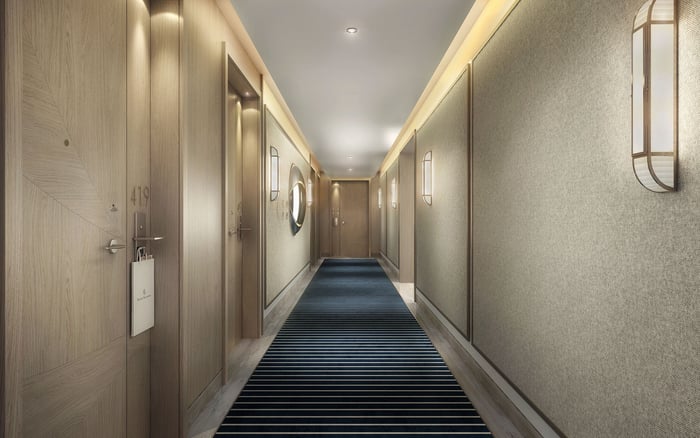
Look closely at the porte cochere, garage entry, pedestrian paths, service corridors, loading areas, and visitor parking. Ask how many access points exist, who controls them, and whether nonresidential circulation can intersect with resident privacy. Even a beautifully designed residence can feel less private if arrivals concentrate in the same place at the same time.
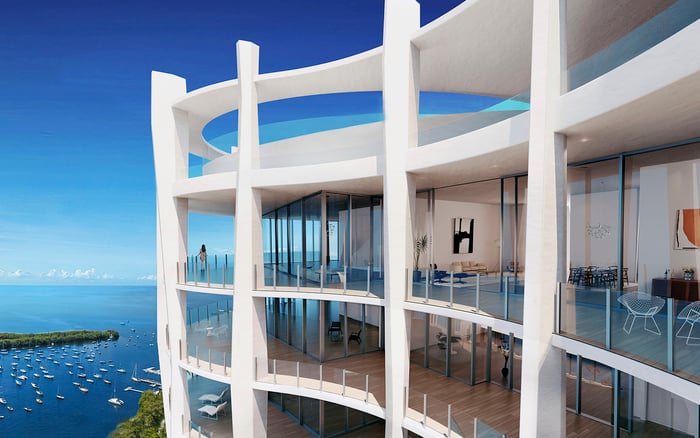
For buyers considering Rosewood Residences Hillsboro Beach, the evaluation should still be personal and physical. Walk the arrival sequence. Sit in the lobby. Observe the transition from roadway to residence. The most important luxury is often not what is promised, but what is consistently protected.
A single showing is a snapshot. Oceanfront calm is a pattern. Buyers should visit at multiple times, including weekday mornings, late afternoons, weekend beach hours, and evenings. The goal is not to hunt for imperfection, but to understand the property’s true tempo.
Ask what changes when residents return from work, when guests arrive for dinner, when beach activity peaks, or when nearby destinations draw traffic. If the building feels composed under ordinary stress, that is meaningful. If the atmosphere depends on a quiet Tuesday morning, the premium may be more fragile than it first appears.
This is especially important for buyers comparing Hillsboro Beach with more visibly activated coastal markets. Pompano Beach, for example, offers a different type of oceanfront energy, and properties such as The Ritz-Carlton Residences® Pompano Beach or Armani Casa Residences Pompano Beach can help frame the contrast between serviced coastal living and a quieter residential brief. The exercise is not about declaring one superior. It is about identifying the environment that matches the buyer’s daily life.
Many luxury buyers want service, but not constant public-facing motion. The distinction is subtle. Residential service is often quiet, predictable, and resident-centered. Hotel-style movement can involve frequent arrivals, unfamiliar faces, luggage flow, restaurant traffic, event activity, and a stronger sense of turnover.
Before committing, ask direct questions about guest policies, short-stay restrictions, amenity access, private beach protocols, event rules, housekeeping logistics, valet procedures, package handling, and vendor scheduling. Review governing documents carefully with appropriate counsel. A calm building is not created by architecture alone. It is sustained through rules, staffing, enforcement, and culture.
The most attractive oceanfront addresses tend to balance hospitality and discretion. A residence should feel cared for without feeling public. The lobby should welcome without becoming a lounge for transient activity. Amenities should be beautiful without encouraging uncontrolled use. The beach experience should be graceful without compromising the sense of home.
The interior of a residence may be flawless, but the edges determine everyday privacy. Look north, south, west, and east. Consider adjacent parcels, pedestrian behavior, roadway exposure, public access patterns, lighting, trash staging, seawall or dune transitions, and how beachgoers perceive boundaries.
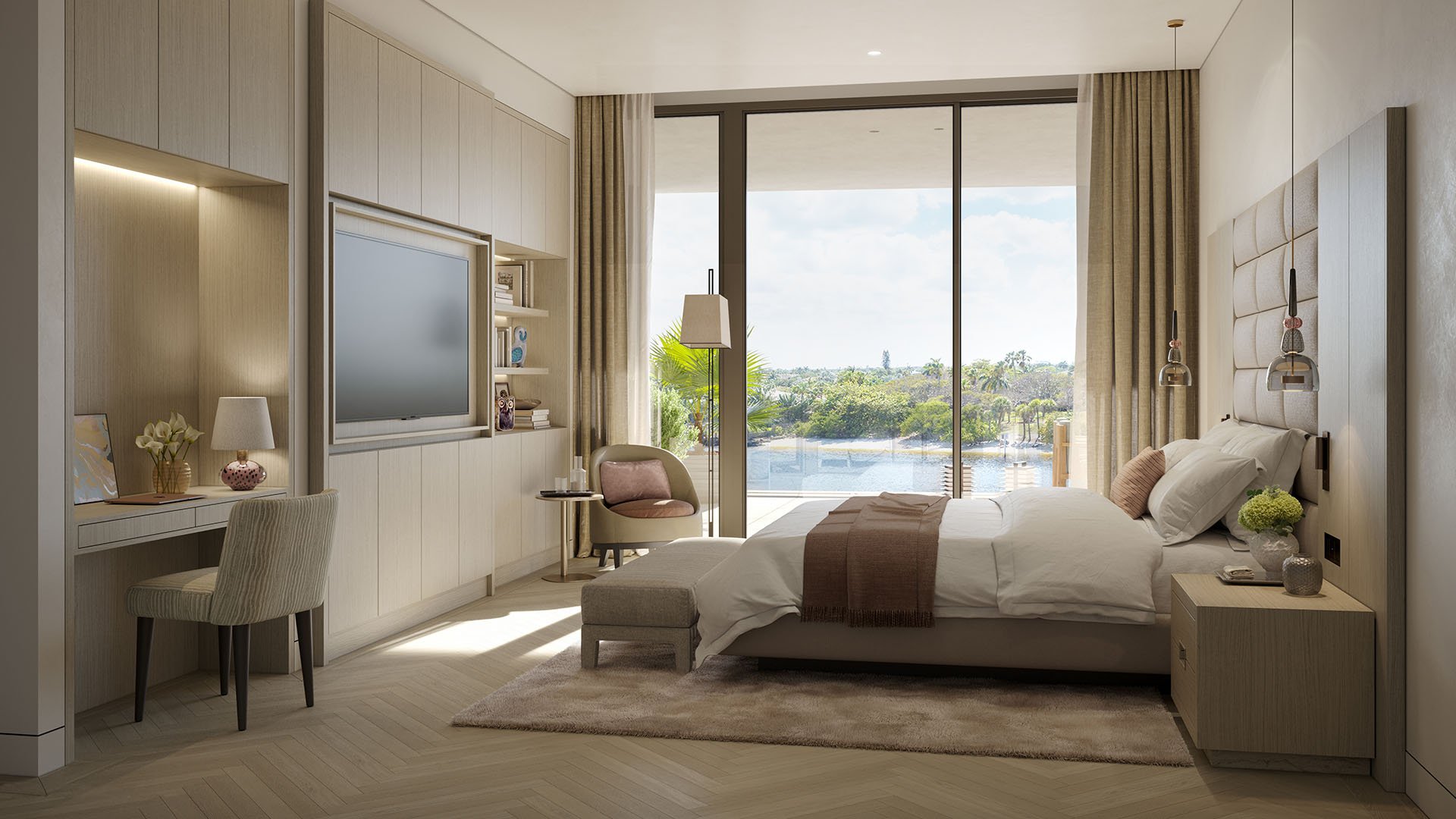
A buyer should also evaluate sound. Stand on terraces with doors open and closed. Listen from bedrooms, primary baths, kitchens, and outdoor living areas. Notice mechanical sound, roadway sound, wind exposure, pool activity, and voices from neighboring terraces. Oceanfront acoustics can be deceptive; glass quality, elevation, orientation, and building spacing all shape the lived experience.
Do not overlook nighttime. Some properties feel discreet in daylight and more exposed after dark. Lighting, security presence, garage activity, and neighboring entertainment habits can alter the emotional character of the address.
Hillsboro Beach should not be evaluated as though it were Brickell, South Beach, or a major resort corridor. Its value proposition, for the buyer seeking calm, is tied to a more residential interpretation of oceanfront life. But comparison still helps.
Looking north and south clarifies priorities. Boca Raton may offer a different blend of private club culture, established residential neighborhoods, and polished services, while Pompano Beach may present more visible new-development momentum along the oceanfront. A buyer who studies Alina Residences Boca Raton alongside select coastal options can better understand whether the desired calm is primarily about the beach, the building, the town setting, or the overall lifestyle ecosystem.
The key is not to chase every amenity. It is to decide which amenities you will actually use, which forms of activity you can tolerate, and which forms of privacy are nonnegotiable. For some buyers, a quieter address with fewer public-facing conveniences is precisely the point. For others, immediate proximity to dining, services, and broader resort energy may be worth the trade.
In ultra-premium real estate, governance is not a back-office detail. It is part of the asset. Building rules, association culture, rental limitations, renovation protocols, staff training, insurance posture, maintenance planning, and reserve philosophy all influence the calm a buyer is trying to purchase.
Ask how the building handles owner guests, seasonal occupancy, contractors, pets, beach equipment, private events, and deliveries. Ask whether rules are clearly written and consistently enforced. A residence with elegant finishes but weak governance can lose its quiet advantage over time.
For oceanfront condominiums and branded residences, buyers should also understand the relationship between brand standards and association authority. Service can elevate daily life, but it should not dilute privacy. The right structure creates a calm environment that feels effortless to residents precisely because the operating discipline is rigorous behind the scenes.
Calm has resale value when it is legible, durable, and scarce. A future buyer should be able to understand why the address feels different within minutes of arrival. If the quiet depends on temporary conditions, light occupancy, or assumptions that cannot be documented, the resale thesis is weaker.
Before purchasing, consider who the next buyer might be. Is the residence likely to appeal to full-time owners, seasonal users, privacy-driven families, downsizers, or international buyers seeking a lock-and-leave oceanfront base? The more clearly the property’s calm aligns with a defined buyer profile, the more persuasive the long-term ownership story becomes.
Oceanfront calm is not passive. It is designed, managed, protected, and verified. The best purchase is the one where the view, the operations, the governance, and the surrounding context all point in the same direction.
What should I inspect first when evaluating calm in Hillsboro Beach? Start with arrivals, access, and circulation. Views matter, but the way people and vehicles move through a property reveals daily privacy.
Is one showing enough to judge oceanfront quiet? No. Visit at different times of day and on different days so you can understand the building’s normal rhythm.
How can I tell if a property feels too hotel-like? Watch for frequent guest turnover, lobby congestion, luggage movement, event activity, and shared circulation that feels public rather than residential.
Why do building rules matter so much? Rules shape guest use, rentals, vendors, amenities, and enforcement. Strong governance helps preserve a quiet residential atmosphere.
Should I compare Hillsboro Beach with Pompano Beach? Yes, if you want to understand different coastal energy levels. The comparison can clarify whether you prefer discretion or more visible activity.
Does beach access always reduce privacy? Not always. The issue is how access is designed, controlled, and separated from resident-only areas.
What role does sound play in the decision? A major one. Test terraces, bedrooms, and living spaces with doors open and closed to understand roadway, amenity, and beach noise.
Are branded residences automatically calmer? Not automatically. Branding can elevate service, but buyers still need to review operations, access, guest policies, and governance.
How should second-home buyers evaluate calm? Focus on lock-and-leave management, staff consistency, guest protocols, and how the property functions when seasonal occupancy rises.
What makes calm valuable for resale? It should be obvious, durable, and supported by governance. Future buyers need to feel the privacy and understand why it will last.
For a confidential assessment and a building-by-building shortlist, connect with MILLION.
If branded residences are on your mind — as a home or as an allocation — we would be glad to share what we are seeing, privately.
Begin a quiet conversation