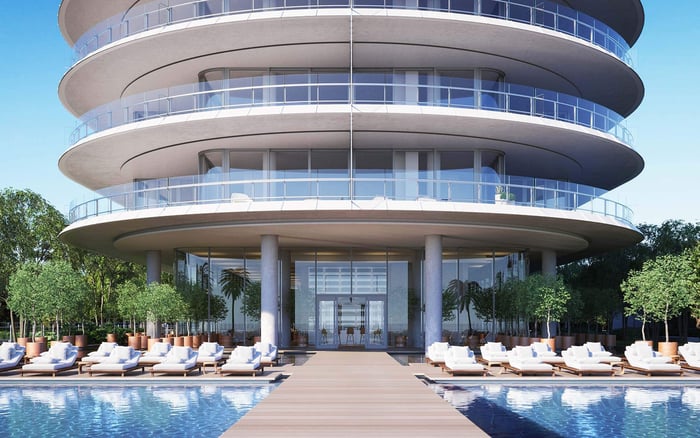
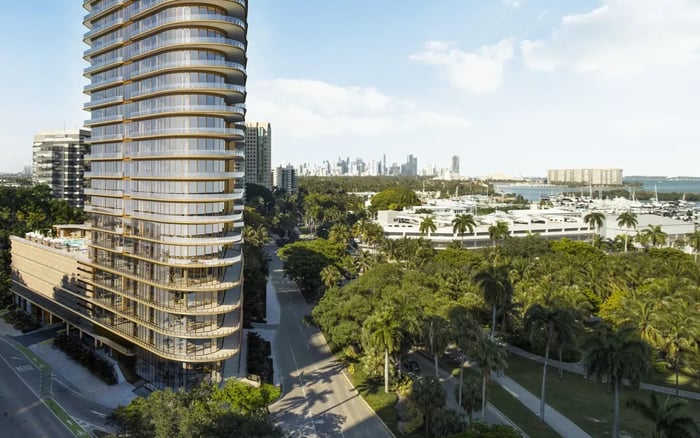
Opus Coconut Grove belongs to a more discreet luxury discussion in Coconut Grove, where buyers are weighing privacy, neighborhood lifestyle, and concierge-level ease rather than overt resort theater.
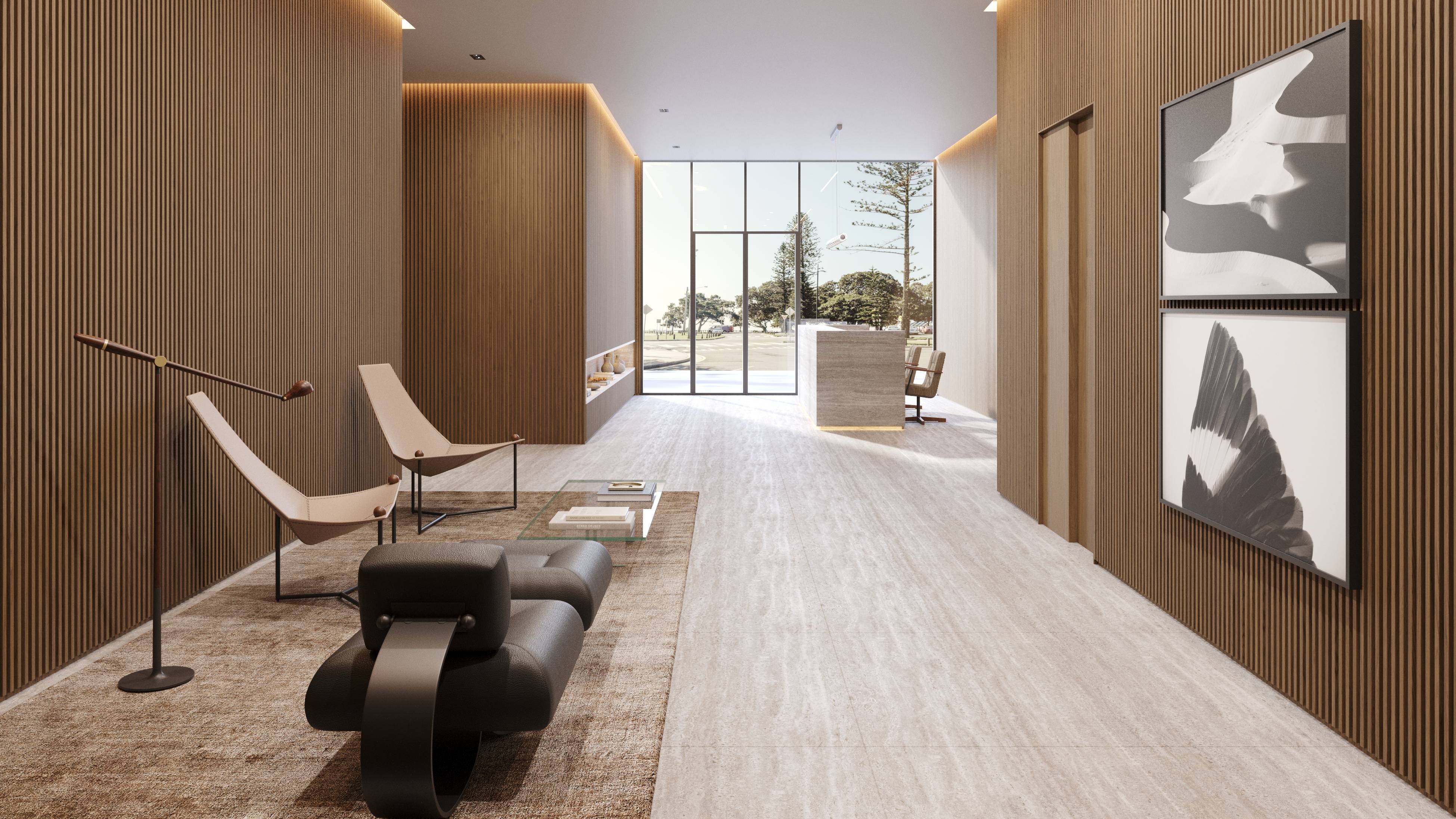
Coconut Grove has never needed to perform luxury loudly. Its appeal has always come from shade, water, village texture, residential streets, and the feeling that the city can remain close without becoming constantly visible. That is the setting in which Opus Coconut Grove enters the discussion: not simply as another high-end address, but as part of a more nuanced conversation about private residential service.
In Miami, service has become one of the clearest separators between ordinary condominium living and the upper tier of residential ownership. Yet service does not mean the same thing in every neighborhood. In Brickell or Miami Beach, buyers may expect a more public-facing hospitality posture. In Coconut Grove, the demand is often more restrained. The ideal is support without spectacle, and convenience without a lobby that feels like a destination for everyone else.
That distinction matters. Opus Coconut Grove is best understood as a luxury residential project positioned within a market where buyers increasingly want both discretion and ease. It occupies the middle ground between a traditional condominium service model and a fully hotel-style residential experience. The conversation is less about attaching a resort identity to daily life and more about whether a building can make private living feel smoother, calmer, and better supported.
Coconut Grove’s luxury evolution has been gradual but unmistakable. The neighborhood’s historic village character, waterfront orientation, parks, marinas, restaurants, and leafy streets have long supported an affluent residential base. What has changed is the level of formality in the market. Buyers who once came primarily for the Grove’s atmosphere now evaluate it through the same lens applied to South Florida’s most polished new residential offerings.
That does not mean they want the same product. The Grove buyer often values greenery, walkability, privacy, and a less overtly resort-like setting than some other Miami luxury districts. A strong service program in this context should feel residential first. It should protect the sense of retreat that brings people to the neighborhood in the first place.
This is where Opus Coconut Grove becomes relevant. The project belongs in a category of boutique, privacy-forward residences that aim to elevate convenience without depending on a hotel-brand operating model. In Coconut Grove, boutique scale, a lifestyle anchored by parks and marinas, waterfront proximity, and the scrutiny around any new project all shape buyer perception.
The most important distinction is between private residential service and public-facing hospitality. Hotel-integrated residences can offer a powerful proposition, especially for buyers who want a branded environment, a broader service infrastructure, and a more explicit hospitality identity. But that is not the only definition of luxury.
For many Coconut Grove buyers, the preference is subtler. They want a building that anticipates needs, protects privacy, and supports daily life with concierge-level ease. They may not want a residence that feels attached to a public resort environment. They may prefer a front door that reads as personal, not performative.
Opus Coconut Grove can be framed within that preference. Public details on the final service program should not be overstated, but the project’s editorial relevance is clear: it sits within the conversation about how Coconut Grove can deliver elevated residential support while preserving the neighborhood’s quieter character.
That puts it in dialogue with other Grove addresses without making every comparison identical. A buyer studying Four Seasons Residences Coconut Grove is considering one type of service identity, while a buyer looking at The Well Coconut Grove may be weighing another expression of residential lifestyle. Opus Coconut Grove adds to that spectrum by sharpening the question of what private service should feel like in a neighborhood defined by discretion.
For years, Miami luxury residential competition was described mostly through architecture, views, location, and amenity scale. Those remain important, but the conversation has become more operational. Buildings now compete on the quality, privacy, and intelligence of resident support.
In Coconut Grove, that shift is especially meaningful because the neighborhood already has strong lifestyle infrastructure. Residents are not relying solely on a building to create a sense of place. The village core, waterfront setting, parks, marinas, restaurants, and residential fabric all contribute to daily life. A residence here should complement that infrastructure rather than overwhelm it.
That is why the service conversation around Opus Coconut Grove is not about excess. It is about fit. The right support can make a Grove lifestyle easier without changing its essential rhythm. It can help a buyer enjoy a walkable, green, village-adjacent environment with fewer frictions. It can also reinforce privacy by making the building feel composed, managed, and attentive.
The Grove’s existing residential language also gives buyers a useful comparison set. Arbor Coconut Grove speaks to the area’s preference for intimacy and neighborhood sensitivity, while Park Grove Coconut Grove represents the established luxury vocabulary many buyers already associate with the waterfront side of the market. Opus Coconut Grove enters this broader field at a time when service quality is becoming as important as design vocabulary.
The most sophisticated buyers will not ask only whether a project has service. They will ask what kind of service it is, how private it feels, and whether it supports the way they actually live. In Coconut Grove, that means looking past generic amenity language and considering the daily experience of arrival, staff interaction, guest flow, package handling, maintenance support, and resident discretion.
Because the final public service details for Opus Coconut Grove are limited, the most responsible reading is conceptual rather than overly specific. The project should be understood as part of Coconut Grove’s move toward more service-conscious residential living, not as a fully disclosed amenity checklist. That restraint is useful. It keeps the focus on the larger market signal: luxury buyers in the Grove increasingly expect the convenience of a polished building without sacrificing the privacy of a residential enclave.
In that sense, Opus Coconut Grove fits the next stage of the neighborhood’s evolution. Coconut Grove is no longer merely a charming alternative to Miami’s more vertical districts. It is a mature luxury market with a more stratified service ecosystem, where each building must define how it supports residents and how quietly it can do so.
What is Opus Coconut Grove? Opus Coconut Grove is a luxury residential project in Coconut Grove, positioned within Miami’s high-end residential market.
Why is Opus Coconut Grove part of the private service conversation? It is being discussed as a high-end residential offering where privacy, convenience, and resident support matter more than mass-market condominium scale.
Is Opus Coconut Grove a hotel-branded residence? The better framing is private residential service rather than a fully hotel-integrated model, based on the available project context.
What does private residential service mean in Coconut Grove? It generally means concierge-level ease, discretion, and building support that enhances daily living without creating a resort-like atmosphere.
How does Coconut Grove influence buyer expectations? Buyers often value greenery, walkability, privacy, parks, marinas, restaurants, and a residential setting that feels less overtly theatrical.
Is Opus Coconut Grove best compared with traditional condos or hotel residences? It sits conceptually between the two, combining the privacy of residential living with a more service-conscious luxury posture.
Why is service becoming more important in the Grove? As Coconut Grove’s luxury market becomes more formal, buildings increasingly compete on resident support as well as architecture and location.
Should buyers expect a specific amenity program at Opus Coconut Grove? Public details should be read carefully, since the strongest current discussion is about positioning rather than a fully specified service checklist.
Who is the likely buyer for this type of residence? The likely buyer values discretion, neighborhood character, and a smoother daily experience without needing an overt hotel-style setting.
What makes the Grove service model different from other Miami districts? Coconut Grove tends to reward quieter luxury, where service should feel private, attentive, and aligned with a green village lifestyle.
When you're ready to tour or underwrite the options, connect with MILLION.
If branded residences are on your mind — as a home or as an allocation — we would be glad to share what we are seeing, privately.
Begin a quiet conversation