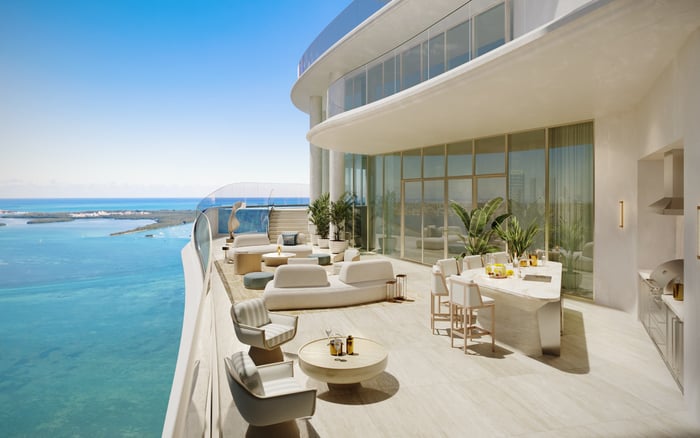
A buyer-focused due diligence guide to amenity operating budgets at Continuum Club & Residences North Bay Village, with practical questions on dues, club structures, reserves, subsidies, insurance, and owner control.
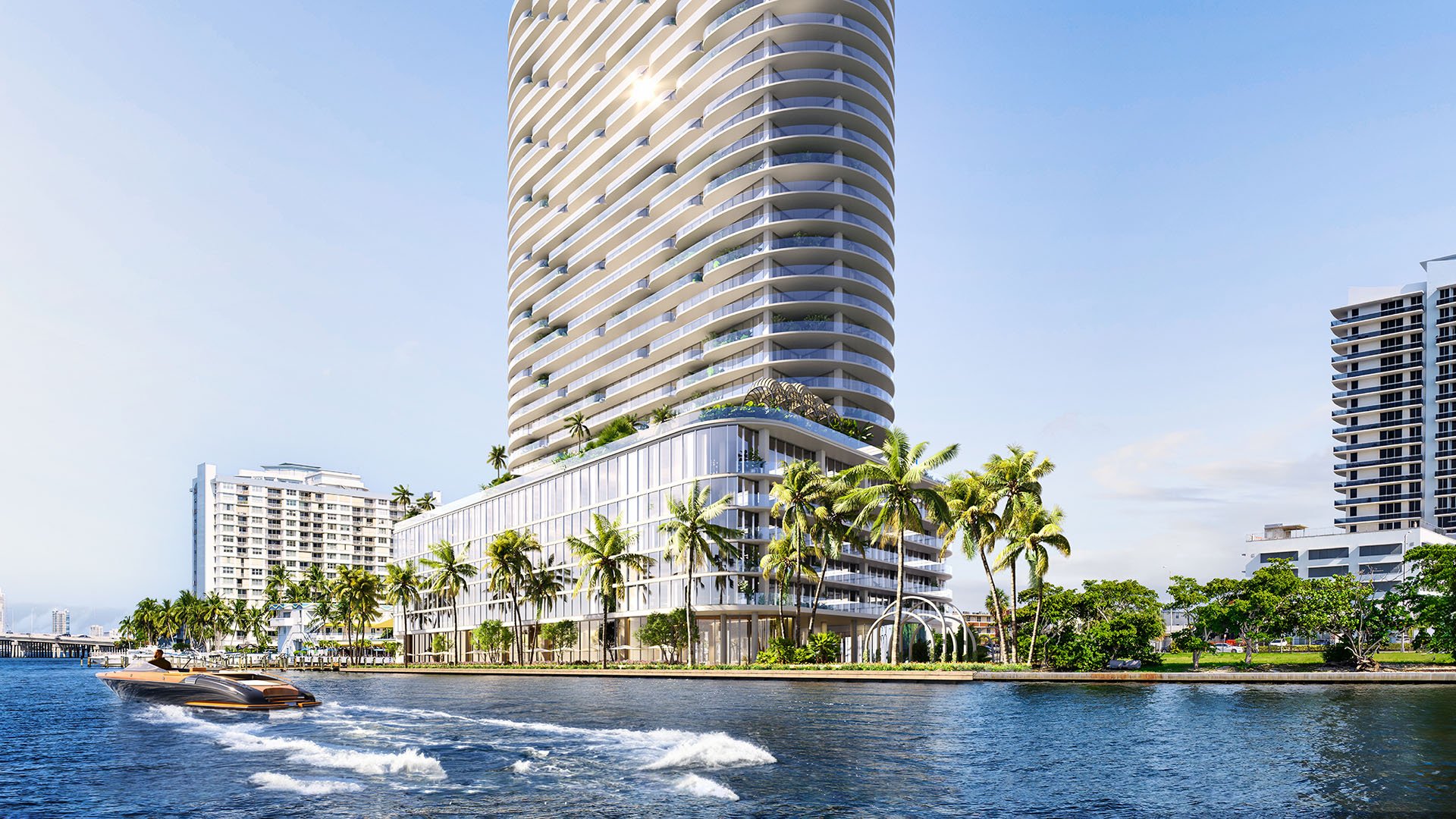
At the highest end of South Florida real estate, amenities are no longer background features. They shape the architecture of daily life: wellness areas, resort-style pools, private dining, concierge layers, security, landscaping, and other shared services. For buyers considering Continuum Club & Residences North Bay Village, the central question is not whether the lifestyle is compelling. It is how that lifestyle is operated, funded, reserved for, and controlled over time.
This is a Buyer's Guides issue as much as a Lifestyle issue. Projected monthly dues are only the surface. The deeper review belongs in the full pro forma operating budget, the governing documents, and the assumptions behind each line item. A polished amenity narrative has value, but a buyer should know whether services are embedded in the condominium association budget, billed through a separate club structure, or split between both.
For North Bay Village buyers, South Florida operating diligence adds another layer. Shared amenities can be beautiful and value-enhancing, but they may also carry recurring exposure to insurance, utilities, maintenance, exterior wear, storm preparation, and long-term replacement planning. If marina, dock, or other water-oriented components are included in the governing documents, those items should be reviewed separately rather than treated as ordinary common-area costs.
Before contract signing, ask for the full pro forma operating budget for amenities, not merely a summary of projected monthly dues. The useful version is line-item specific. It should show staffing, management, security, concierge, wellness, pool operations, food-and-beverage, landscaping, insurance, utilities, maintenance, reserves, and any marine-related costs if those apply.
A serious buyer should also ask whether projected dues assume full building occupancy, partial occupancy, or a phased ramp-up of owners and users. This matters because the early life of a new-construction condominium can differ from its stabilized operating profile. If service levels are priced as if the building is already fully occupied, the early-period economics may look different from later years. If the projections are conservative, the buyer should still understand the reasoning.
It is equally important to ask whether the developer is subsidizing any amenity operations during sellout and when those subsidies expire. A subsidy can soften the first impression of carrying costs, but buyers should focus on the post-subsidy condition. The practical question is simple: what does the budget look like when the building and its amenities stand on their own?
The word club can signal exclusivity, programming, and service. It can also signal a separate economic structure. Ask whether amenity costs are included in the condominium association budget, billed through a separate club, or divided between both. Then ask for the documents that define mandatory participation, membership fees, transfer fees, guest privileges, access rights, and owner usage rights.
Allocation is where elegant concepts become financial reality. Buyers should ask how costs will be allocated among unit owners, larger residences, commercial components, amenity users, outside members if applicable, and any other revenue sources. If certain users contribute revenue, the assumptions behind that revenue should be clear. If a restaurant, spa, wellness venue, marina, or private club operation is expected to be a profit center, ask for the scenario that supports that view. If it is expected to break even, ask how losses are handled. If it is a subsidized lifestyle feature, ask who subsidizes it and for how long.
Buyers comparing North Bay Village opportunities such as Shoma Bay North Bay Village and Tula Residences North Bay Village should apply the same discipline. The appeal of a service-rich address is stronger when the owner understands the structure behind the experience.
A luxury amenity package is not static. Pools, elevators, docks if applicable, gym equipment, commercial kitchens, furnishings, landscaping, and exterior areas all wear over time. Ask what reserve funding is planned for high-wear components and whether the reserve schedule aligns with the expected useful life of the assets.
Insurance deserves special attention in a South Florida condominium environment. Ask whether the budget includes realistic insurance assumptions for the property type and setting. Also ask how future amenity upgrades, repairs, storm damage, or under-budgeted services would be funded. The answer may involve operating dues, reserves, special assessments, user fees, or some combination.
The purpose is not to diminish the value of amenities. It is to separate durable value from optimistic underwriting. A beautifully maintained pool deck, a well-run wellness program, or a dining venue can support desirability. But those features need a budget that anticipates labor, utilities, supplies, maintenance, and renewal.
Ask for sensitivity scenarios showing how monthly costs change if labor, insurance, utilities, maintenance, or food-and-beverage losses exceed projections. A single base-case budget is helpful, but a buyer should know what happens if core inputs move upward. This is especially relevant for service-rich buildings, where staffing and operating consistency are part of the promise.
It is also reasonable to ask how amenity-related costs compare with similar luxury condominium and private-club projects in the Miami area. This does not require treating every property as identical. A branded tower in Brickell, a private building in Bay Harbor, and a North Bay Village club-oriented residence may operate differently. Still, peer comparison can reveal whether projected costs appear disciplined, unusually lean, or unusually rich.
For context, a buyer looking across the region might compare the operating questions raised here with those at La Baia North Bay Harbor Islands, The Well Bay Harbor Islands, or other luxury projects where wellness, service, and shared facilities shape the ownership experience.
One of the most important questions is what owners can do after turnover from developer control. Ask whether owners can vote to reduce, outsource, expand, or terminate amenity services. Also ask which items are mandatory, which are discretionary, and which are controlled by the condominium association, a club entity, or another governing body.
This is where the buyer moves from lifestyle consumer to long-term stakeholder. If owners cannot meaningfully adjust service levels, the budget may be less flexible. If owners can vote to modify operations, the building may have more adaptability, but also greater dependence on collective decision-making. Neither structure is inherently superior. What matters is understanding the rules before closing.
The best due diligence is calm, document-driven, and specific. At Continuum Club & Residences North Bay Village, buyers should read the amenity promise alongside the operating budget, reserve assumptions, insurance inputs, club documents, and turnover rights. In the luxury market, a residence is not only purchased. It is carried, governed, and lived in.
What is the first amenity budget document a buyer should request? Ask for the full pro forma operating budget for amenities before contract signing, not just projected monthly dues.
Should amenity costs be in the condo budget or a separate club budget? Either can be workable, but the buyer should know whether costs sit in the association budget, a club structure, or both.
Why do occupancy assumptions matter? Monthly cost projections may differ depending on whether they assume full occupancy, partial occupancy, or a phased ramp-up.
What line items deserve special attention? Staffing, security, concierge, wellness, pool operations, food-and-beverage, insurance, utilities, maintenance, and reserves all matter.
Are developer subsidies important? Yes. Ask whether amenity operations are being subsidized during sellout and when those subsidies are scheduled to expire.
How should a buyer evaluate restaurant or spa operations? Ask whether they are projected as profit centers, break-even amenities, or subsidized lifestyle features.
What reserve questions should be asked? Ask how high-wear amenities such as pools, elevators, gym equipment, kitchens, furnishings, landscaping, and exterior areas will be reserved for.
Why is insurance a key issue? South Florida condominium buyers should review whether the operating budget uses realistic insurance assumptions for the property type and amenity program.
Can owners change amenity services later? Buyers should ask whether owners can vote after turnover to reduce, outsource, expand, or terminate amenity services.
What is the best way to shortlist comparable options for touring? Start with location fit, delivery status, and daily lifestyle priorities, then compare stacks and elevations to validate views and privacy.
When you're ready to tour or underwrite the options, connect with MILLION.
If branded residences are on your mind — as a home or as an allocation — we would be glad to share what we are seeing, privately.
Begin a quiet conversation