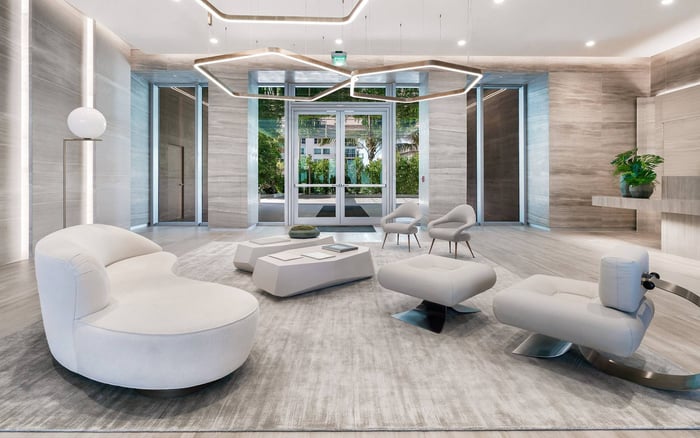
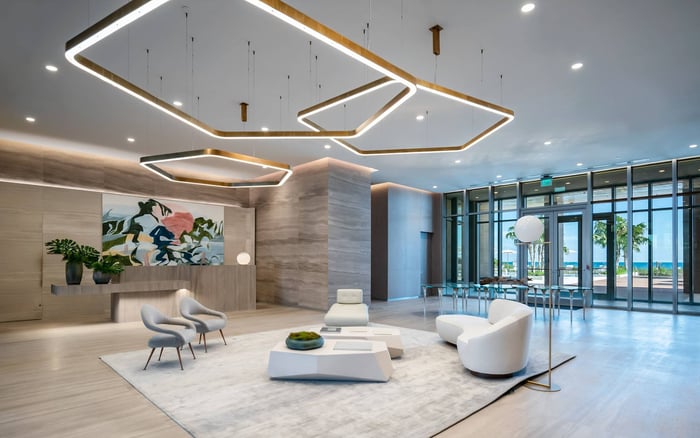
A buyer-focused look at why Tula Residences North Bay Village deserves attention from South Florida purchasers seeking daily convenience, discretion, and a calmer residential rhythm.
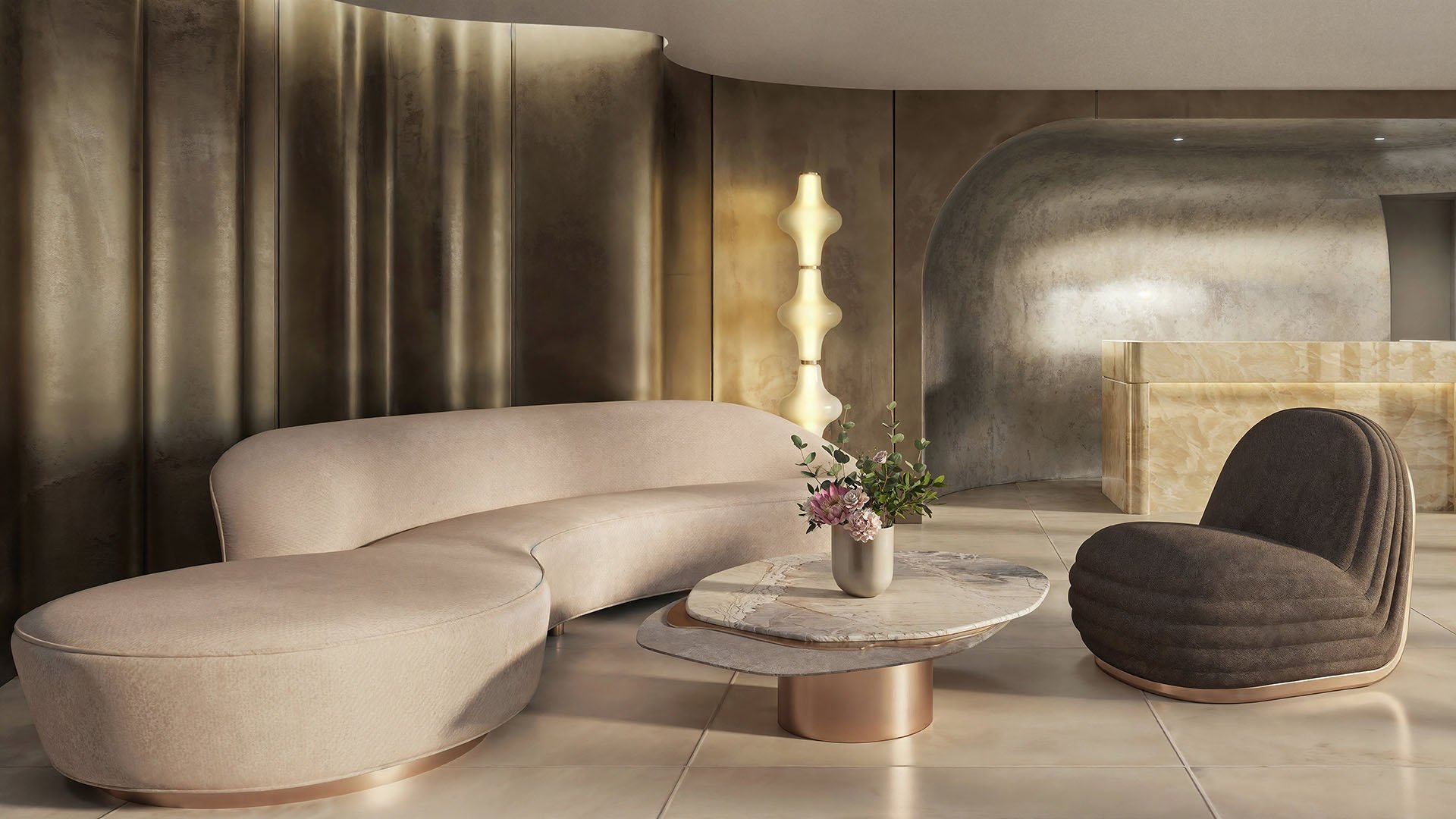
For a certain South Florida buyer, the most compelling address is no longer the one that announces itself most loudly. It is the one that simplifies the day, preserves privacy, and still keeps the city within easy reach. That is the lens through which Tula Residences North Bay Village deserves to be evaluated.
The appeal is not about chasing every amenity trend or choosing the most visible skyline. It is about a more disciplined form of luxury: living where errands, dining, water-oriented leisure, and the broader Miami Beach and mainland orbit feel accessible, while the residence itself remains a retreat. In that balance, Tula speaks to buyers who want walkability as a practical advantage, not as a trade-off for calm.
In Miami, walkability can mean many things. In Brickell, it often means density, traffic energy, restaurants at every corner, and a constant sense of motion. In Miami Beach, it may mean sand, hospitality, and a more visible social circuit. North Bay Village suggests a different rhythm. It can appeal to buyers who want daily convenience without choosing a district defined primarily by volume.
That distinction matters. Walkability for an ultra-premium buyer is not only about distance. It is about friction. Can the owner step out for essentials, a coffee, or a relaxed meal without turning the day into a production? Can guests arrive without the address feeling overexposed? Can the buyer remain close to the larger South Florida map while returning to a home base that feels more composed?
Those questions are why North Bay Village has become a useful search frame for buyers who are not fully aligned with either high-density downtown living or traditional single-family seclusion.
Privacy is often misunderstood in condominium buying. It is not simply a matter of gates, elevators, or square footage. It is the cumulative feeling created by approach, scale, resident mix, circulation, views, and how public the surrounding environment feels. The right building allows an owner to participate in the city selectively.
That is where Tula’s positioning becomes interesting. Buyers prioritizing walkability without losing privacy are not necessarily trying to disappear. They are trying to curate access. They want convenience, but not spectacle. They want proximity, but not constant exposure. They want a residential experience that supports both daily ease and personal discretion.
This is a lifestyle decision as much as a real estate decision. For some, the ideal home is measured by how gracefully it handles the ordinary moments: leaving for dinner, hosting close friends, returning after travel, or spending a quiet morning without feeling surrounded by the full machinery of a resort district.
The growing attention around North Bay Village gives buyers more context, not less. Nearby new residential offerings help define the area’s emerging identity and make it easier to compare architecture, service philosophy, privacy, and the cadence of daily life.
A buyer looking at Tula may also study Continuum Club & Residences North Bay Village to understand how a recognized residential name frames the neighborhood’s next chapter. The comparison is not only about finishes or amenities. It is about the experience each address promises, from arrival to daily routine.
Similarly, Shoma Bay North Bay Village gives buyers another reference point for how the area is evolving into a more complete residential environment. For many purchasers, that broader ecosystem matters. A single attractive building is useful. A neighborhood with momentum is more persuasive.
At the upper-design end of the conversation, Pagani North Bay Village adds another layer to the area’s profile. Its presence reinforces the idea that North Bay Village is not merely an alternative location, but a place where design-conscious buyers are increasingly willing to pay attention.
Tula is best considered by buyers who do not want to choose between a quiet home and an active life. This includes second-home owners who prefer a manageable Miami base, local downsizers who no longer need the maintenance burden of a house, and international buyers who value access but dislike unnecessary visibility.
It may also resonate with buyers who have outgrown the performative side of trophy real estate. They still want quality, service, and a refined setting, but they do not need every moment to feel staged. In this segment, restraint can be a luxury attribute.
For boutique-minded buyers, the question is whether the residence feels personal enough. For waterfront and waterview searchers, the question is whether the surrounding setting supports the emotional calm they are seeking. For buyer’s guide readers comparing neighborhoods, the central question is simpler: does the address improve the day-to-day experience without asking too much in return?
The best way to assess Tula is to move beyond brochure language and walk through a real ownership day. Start with arrival. Consider how a resident, guest, driver, or service provider experiences the building. Then consider the immediate surroundings. Is the area convenient in the ways that matter to you, or merely close on a map?
Next, evaluate privacy at multiple levels. Look at the approach to the building, the feel of the lobby sequence, elevator access, amenity placement, sightlines, and how the residence itself buffers the owner from neighboring activity. A home can be beautiful and still feel too exposed. It can also be understated in presentation yet highly composed in daily use.
Finally, compare Tula with nearby alternatives and with projects in more established luxury corridors. Bay Harbor Islands, for example, may offer another version of discretion and daily ease through properties such as The Well Bay Harbor Islands. The point is not to decide by neighborhood reputation alone. It is to understand which setting best matches the buyer’s actual habits.
Tula belongs on the shortlist because it answers a specific modern luxury brief: less noise, more convenience, and a residential environment that allows the owner to engage Miami on chosen terms. It is not for every buyer. Those who want maximum resort scale, immediate beachfront energy, or the full intensity of an urban core may find stronger fits elsewhere.
But for buyers who value privacy as part of wellness, and walkability as part of efficiency, Tula offers a compelling framework for discussion. It is the kind of address that should be evaluated carefully, in person, and against the rhythms of real life rather than the abstractions of status.
Why is Tula Residences North Bay Village relevant for walkability-focused buyers? It is relevant because it sits within a location conversation centered on daily convenience while still appealing to buyers who want a more private residential feel.
Does walkability mean the same thing in North Bay Village as in Brickell? No. In North Bay Village, walkability is more about useful convenience and a calmer rhythm than dense urban intensity.
Who is the best buyer for Tula Residences North Bay Village? The strongest fit is a buyer who wants access to Miami’s lifestyle without living in the most visible or congested districts.
Should privacy be evaluated only inside the residence? No. Privacy should be assessed from arrival through amenity use, circulation, sightlines, and the surrounding environment.
Is Tula best viewed as a primary home or second home? It may suit either, depending on the buyer’s priorities, travel patterns, and desired level of daily convenience.
How should buyers compare Tula with nearby North Bay Village projects? Buyers should compare the lived experience, not just amenities, including approach, atmosphere, privacy, and neighborhood fit.
Why are buyers paying more attention to North Bay Village? The area offers a distinct alternative for purchasers who want proximity to major Miami destinations with a more composed residential setting.
What should buyers tour first when considering Tula? They should study the arrival experience, immediate surroundings, residence orientation, and how the building supports daily routines.
Is Tula primarily about investment or lifestyle? For this buyer profile, the lifestyle case should lead, with investment considerations evaluated after the residence fits the intended use.
What is the main reason to keep Tula on the shortlist? It offers a thoughtful balance for buyers seeking convenience, discretion, and a quieter base within the broader Miami market.
To compare the best-fit options with clarity, connect with MILLION.
If branded residences are on your mind — as a home or as an allocation — we would be glad to share what we are seeing, privately.
Begin a quiet conversation