A buyer-focused guide to evaluating wellness-led residences in Downtown Miami as durable long-term purchases, with emphasis on daily usability, governance, resilience, privacy, services, and exit value.
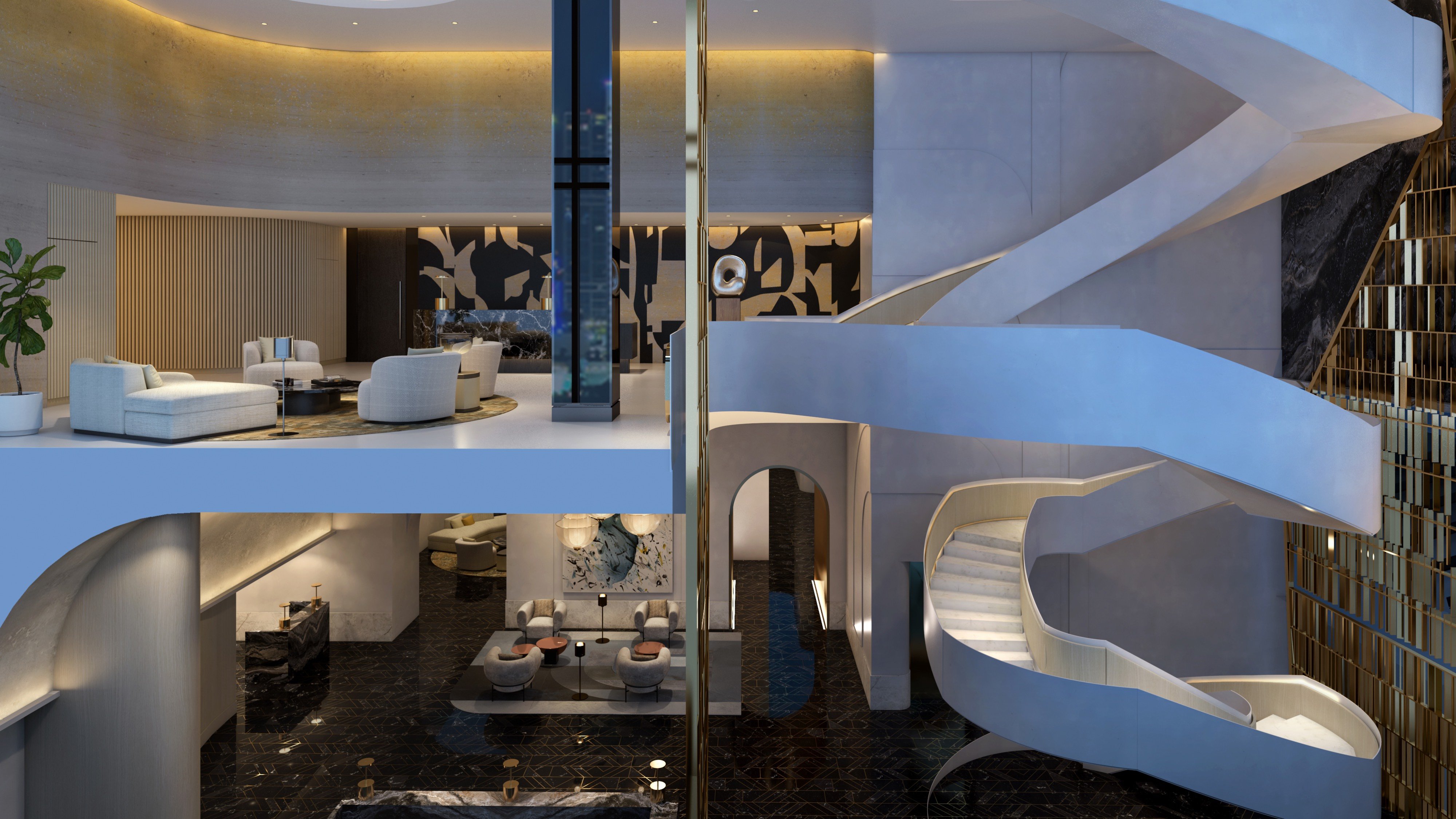
A wellness-led residence in Downtown Miami works as a serious long-term purchase only when the concept remains practical after the first tour, after the first season, and after the novelty of the amenity deck has faded. The buyer is not simply paying for a spa mood, a sculptural lobby, or a fitness room with flattering light. The buyer is paying for a home that supports better sleep, more efficient movement, calmer routines, and a more resilient form of city living.
That distinction matters. Downtown Miami is dense, energetic, and increasingly design-conscious. It rewards residences that can edit the city rather than escape it entirely. A strong wellness purchase should make the urban setting feel usable: simple arrivals, generous natural light where possible, sound management, meaningful outdoor space, thoughtful circulation, and services that reduce friction rather than create ceremony.
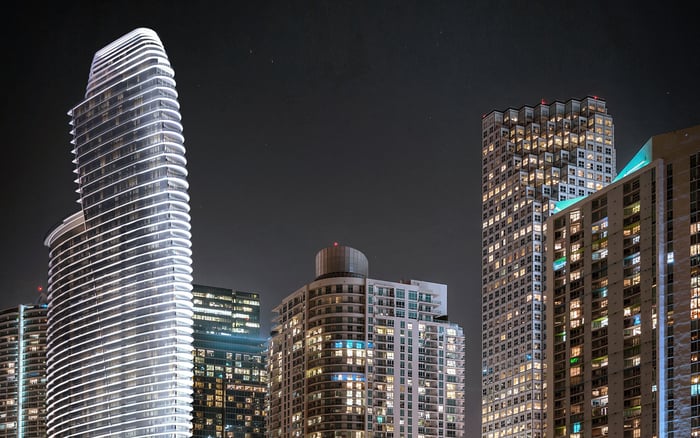
This is why a buyer considering Waldorf Astoria Residences Downtown Miami should think beyond skyline prestige and ask a more durable question: how will this residence perform as a daily operating environment over many years?
The most credible wellness real estate is not defined by the number of amenities. It is defined by whether those amenities make a resident's life measurably easier to live. A lap pool that is accessible at the right hours may be more valuable than a dramatic but crowded pool deck. A calm arrival sequence may matter more than another lounge. A well-planned gym that supports consistent use may have more staying power than a fashionable treatment room that becomes underused.
For a long-term buyer, the hierarchy should begin with the private residence. Does the floor plan separate rest, work, entertaining, and recovery? Can the bedroom remain quiet while the living area is active? Is there space for stretching, training, meditation, or uninterrupted reading? Does the kitchen support health-conscious daily use without feeling clinical? Does the terrace, if present, feel like part of the home rather than a token ledge?
Wellness-led design also depends on less visible decisions: elevator strategy, service access, acoustic comfort, storage, air movement, and the quality of common-area maintenance. These are not glamorous points, but they often separate a residence that photographs well from one that lives well.
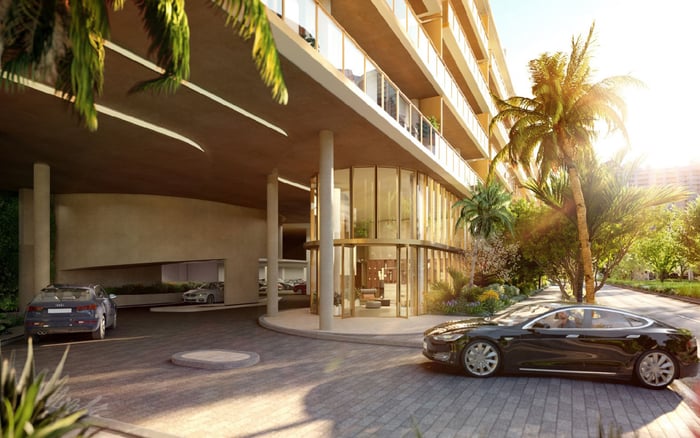
Downtown Miami offers the appeal of a true urban address: cultural proximity, bayfront energy, restaurant access, and a vertical residential lifestyle. It also requires careful due diligence. A buyer should study how the building meets the street, how vehicles enter and exit, how residents move from valet to elevator, and whether the surrounding blocks support the desired daily rhythm.
Long-term value is rarely created by wellness language alone. It is created by the combination of location, building quality, association strength, service consistency, and resale legibility. The residence should make sense to the next discerning buyer, not only to the first owner drawn to the launch narrative.
Projects such as Aston Martin Residences Downtown Miami show why Downtown Miami buyers often compare architecture, brand identity, views, arrival, and amenity logic together. The strongest purchase is not necessarily the one with the longest amenity description. It is the one where the physical experience, ownership costs, and lifestyle thesis align.
Wellness is often discussed as a private experience, but in condominium ownership it is also collective. A serene building depends on competent management, enforceable rules, sensible budgeting, and an association culture that protects the asset without suffocating residents. If governance is weak, even a beautiful wellness concept can lose its composure.
Serious buyers should review how amenities will be staffed, how shared spaces are reserved, how guest access is handled, and whether the building's rules support the intended lifestyle. A wellness-forward tower with constant crowding, inconsistent policies, or unclear operating standards may feel less restorative over time.
The financial side matters as much as the mood. Monthly costs should be understood in relation to the level of service promised. High-touch services require funding, staffing, maintenance, and long-term discipline. Underfunded wellness is not luxury. It becomes deferred maintenance with softer lighting.
In a city residence, privacy is wellness. So is quiet. So is the ability to control light. A buyer should experience the residence at different times when possible, consider elevator proximity, assess exposure, and understand how sound may travel from corridors, amenity levels, mechanical areas, nearby traffic, or neighboring residences.
The best long-term homes create a sense of retreat without disconnecting the owner from the city. They allow entertaining without sacrificing rest. They permit work from home without turning the primary suite into an office annex. They offer views that feel lasting, but they do not rely only on spectacle.
At Casa Bella by B&B Italia Downtown Miami, the design conversation naturally emphasizes interiors and atmosphere. For a buyer, that should lead to a practical review of proportions, storage, privacy, and how the residence will age stylistically. The most enduring interiors are not merely fashionable. They are adaptable.
A Downtown Miami buyer often benefits from comparing the area with Brickell, not because one is universally superior, but because each urban rhythm clarifies the other. Brickell can feel more business-driven and residentially established in certain corridors, while Downtown Miami may appeal to buyers who want cultural immediacy, skyline drama, and a broader city-center identity.
Looking at The Residences at 1428 Brickell can help a buyer test priorities: building scale, privacy, amenities, access, services, and the tone of the surrounding streets. The comparison should not be about chasing the newest name. It should be about identifying which environment supports the owner's real routine.
This is especially important for investment thinking. A residence that suits only an occasional fantasy may be harder to defend over the long term than one that aligns with how high-net-worth residents actually live, host, recover, and travel.
New-construction wellness residences carry a particular responsibility: they must feel current on delivery and remain credible years later. That means buyers should favor design decisions with longevity over trend. Flexible rooms, intuitive technology, robust service infrastructure, efficient layouts, and durable materials can support value more effectively than novelty-driven amenities.
Resilience also belongs in the wellness conversation. In South Florida, serious buyers should understand building systems, backup planning, maintenance philosophy, insurance exposure, and the physical durability of the property. A calm residence is not only beautiful during ideal weather. It is organized, prepared, and well managed when conditions are less convenient.
A wellness-led purchase should also be legible to future buyers. If the residence is too idiosyncratic, too dependent on one trend, or too costly to operate relative to its peer set, the exit story may narrow. The most elegant long-term purchases usually balance distinction with broad high-end appeal.
The best wellness-led residence reduces friction in daily life. It makes mornings cleaner, evenings softer, workouts easier, hosting smoother, and travel less chaotic. It respects privacy. It supports routines without requiring residents to perform them publicly. It makes the city feel accessible while preserving the home as a refuge.
For Downtown Miami, this is the central standard. The buyer is not purchasing an isolated resort. The buyer is purchasing a vertical home in a dynamic district, one that must translate wellness into repeatable ease. When the floor plan, services, governance, location, and financial structure all reinforce that ease, wellness becomes more than a feature. It becomes part of the asset's long-term logic.
For lifestyle buyers, the question is emotional and practical at once: does the residence make a demanding life feel better organized? For investors, the question is equally precise: will future buyers recognize that same utility, or will they see only an amenity trend from a previous cycle?
What is a wellness-led residence in Downtown Miami? It is a condominium or private residence designed to support daily well-being through planning, services, amenities, privacy, and ease of use.
Should buyers prioritize amenities or floor plan first? The floor plan should come first, because most of the wellness experience happens inside the private residence.
Can wellness features support long-term resale value? They can, but only when they are useful, well maintained, and paired with strong building fundamentals.
Why is governance important in a wellness building? Governance determines how amenities are managed, how rules are enforced, and how consistently the building protects its quality.
Is Downtown Miami different from Brickell for wellness buyers? Yes. Downtown Miami can feel more culturally varied, while Brickell may offer a different business-oriented rhythm.
What should buyers ask about service levels? Buyers should ask how services are staffed, funded, scheduled, and controlled for residents and guests.
Are branded residences automatically better for wellness? Not automatically. Brand value matters only if the residence, operations, and ownership structure support the promise.
How should buyers think about monthly costs? Monthly costs should be evaluated against service quality, maintenance needs, reserves, and long-term building discipline.
What makes a wellness residence futureproof? Flexible design, durable materials, resilient systems, and practical amenities help a residence age with confidence.
What is the best way to shortlist comparable options for touring? Start with location fit, delivery status, and daily lifestyle priorities, then compare stacks and elevations to validate views and privacy.
For a tailored shortlist and next-step guidance, connect with MILLION.
If branded residences are on your mind — as a home or as an allocation — we would be glad to share what we are seeing, privately.
Begin a quiet conversation