A buyer-focused editorial view of Kempinski Residences Miami Design District, centered on livability, service expectations, neighborhood rhythm, privacy, and comparison shopping across Miami’s luxury condominium market.
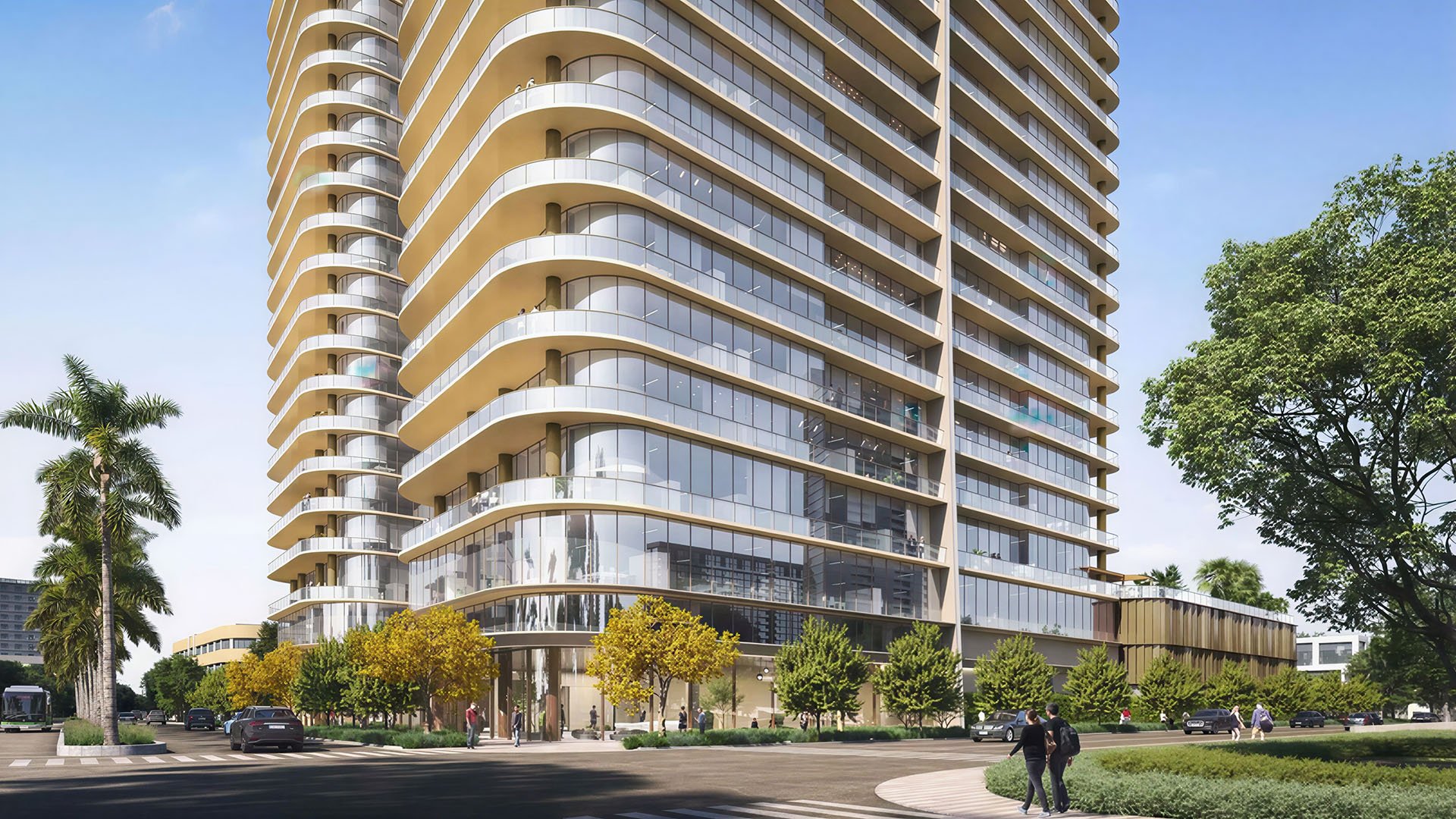
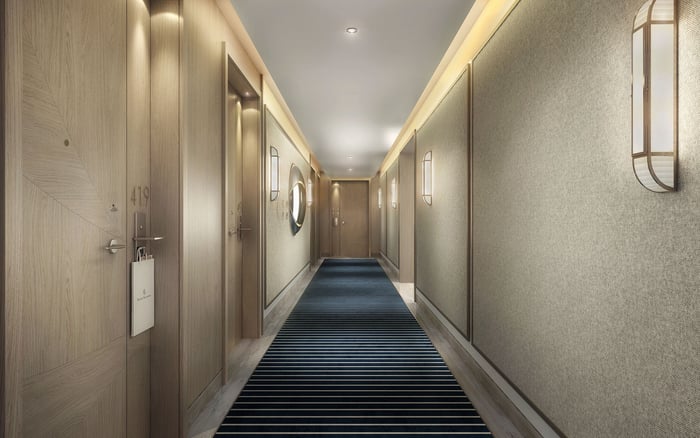
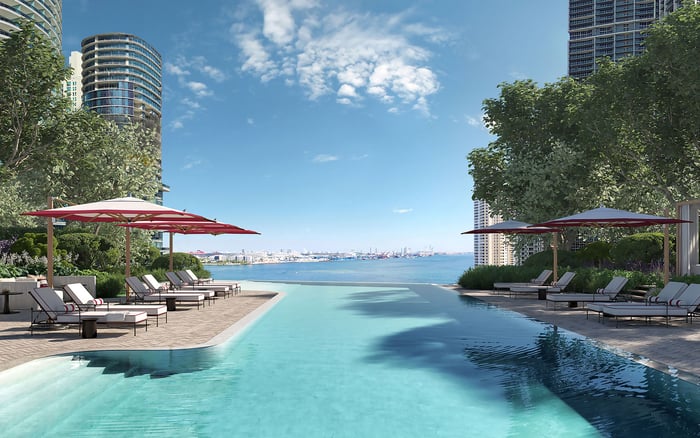
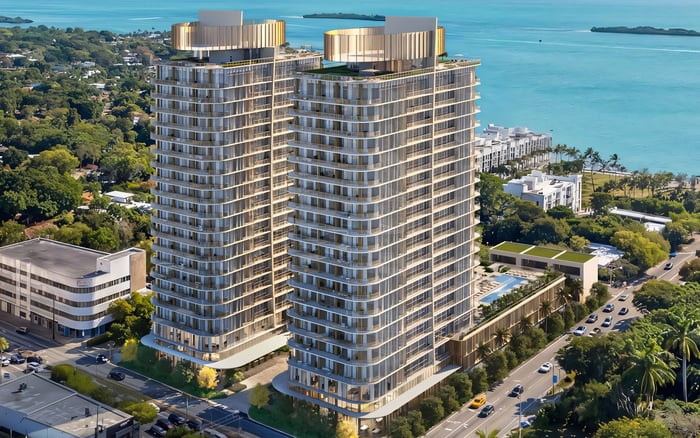
Launch imagery can be persuasive. It captures the terrace at the right hour, the lobby at its most theatrical, the skyline without traffic, and the pool deck without a towel out of place. For a serious buyer, however, the more relevant question is simpler: how does the residence live at 7:30 on a Tuesday morning, at 6:00 before dinner, and on a quiet Sunday?
That is the lens through which Kempinski Residences Miami Design District should be read. The name carries international hotel-residential recognition, but the Design District context makes the proposition more specific. This is not a conventional beachfront decision, nor is it a pure financial-district address. It is an urban luxury setting where art, fashion, dining, wellness, and privacy all need to coexist in a daily routine.
For buyers accustomed to South Florida’s highest tier, the rendering is only the opening argument. The real underwriting is lifestyle, service discipline, arrival sequence, usable private space, and how naturally the building fits the habits of its residents.
The Design District has its own form of luxury. It is polished but not resort-like, cultural but not casual, walkable in pockets, and intentionally curated. That matters because a residence here is not simply selling proximity to the city. It is selling a way to live within a neighborhood already associated with design, fashion, galleries, restaurants, and private social patterns.
For an owner who spends part of the year in Miami, this can be highly efficient. The day can move from home to coffee, meetings, shopping, dinner, and a private event without the same logistical commitment required by a more remote waterfront estate. For a full-time resident, the equation is more demanding. The building must provide enough calm, storage, privacy, and operational competence to counterbalance the energy outside the front door.
This is where Design District living differs from Brickell or Miami Beach. Brickell often emphasizes vertical convenience and financial-center density. Miami Beach often centers on resort atmosphere, ocean access, and legacy prestige. The Design District sits between those narratives, defined more by cultural adjacency and design literacy than by a single postcard view.
Branded Residences are most convincing when the brand is felt in ordinary details, not only in the logo. The question is not whether the name is known. It is whether the residential experience feels composed, consistent, and discreet after move-in.
For Kempinski, the buyer should think about the service rhythm that supports daily life. How does arrival feel when guests are visiting? How intuitive is the transition from valet to lobby to elevator? Is the staffing model designed for residents rather than hotel guests? Are amenity spaces positioned as beautiful rooms, or as functional extensions of the home?
The most sophisticated buyers tend to test branded projects against their least glamorous needs. Package management, pet routines, private dining logistics, service elevator flow, visitor control, and noise separation often matter more than the first impression of a marble wall. A well-branded residence should make those invisible frictions feel resolved.
In new-construction condominium buying, the floor plan remains the central asset. Views, finishes, and amenities can all be important, but daily livability is determined by proportion, circulation, ceiling experience, storage, bedroom separation, kitchen usability, and how the residence receives light.
A Design District buyer should be especially attentive to how the home supports entertaining. This is a neighborhood where residents may host before dinner, gather after an opening, or welcome guests for a short stay. That makes the relationship between kitchen, living area, terrace, powder room, and private bedroom zones particularly important.
Privacy is equally critical. Urban luxury works best when the residence offers a controlled retreat from the street. That does not necessarily require excessive scale. It requires intelligent planning, quiet bedroom placement, useful closets, and enough spatial hierarchy that the home does not feel like an enlarged hotel suite.
The strongest way to understand Kempinski is to compare it with the alternatives a buyer would realistically consider. A Midtown-oriented buyer may also examine Miami Design Residences Midtown Miami for a nearby urban lifestyle. The comparison is not only about price or finishes. It is about which address better matches the owner’s daily map.
A Brickell buyer, by contrast, may look at projects such as 888 Brickell by Dolce & Gabbana or The Residences at 1428 Brickell, where the appeal is tied to a different urban rhythm. Brickell places residents closer to the financial core and a dense vertical lifestyle. The Design District speaks more to fashion, art, architecture, and curated leisure.
Neither framework is inherently superior. The right answer depends on how the owner actually lives. If the weekday is driven by offices, restaurants, and high-frequency convenience, Brickell may feel natural. If the owner’s Miami life is oriented toward galleries, collector events, design retail, private dinners, and a less corporate cadence, the Design District may feel more precise.
Pre-construction decisions require patience and restraint. The most polished presentation can make every choice feel inevitable, but end users should slow the process down. The correct approach is to imagine the completed residence without the launch music, without the hospitality suite, and without the soft-focus lifestyle film.
The buyer should ask how the building will operate once residents are living there. Will amenity programming feel useful or performative? Will the lobby remain elegant when it is busy? Will service be tailored to residents who value discretion? Will the building feel equally appropriate for a quick morning routine, a formal dinner arrival, and a quiet evening at home?
These are not secondary questions. They determine whether a branded residence becomes a durable home or simply a beautiful acquisition.
A refined buyer should focus on four practical categories. First, residence planning: bedroom privacy, entertaining flow, terrace usability, and storage. Second, building operations: arrival, staffing, security, valet, service access, and guest handling. Third, neighborhood behavior: the routes you will actually drive, walk, and repeat. Fourth, long-term identity: whether the project’s brand and location are likely to remain compelling beyond the first sales cycle.
The Design District rewards buyers who know themselves. It is not the default answer for every Miami luxury resident, which is part of its appeal. It asks for a client who wants urban culture without surrendering residential polish, and who values design proximity as much as waterfront spectacle.
For the right owner, Kempinski Residences Miami Design District may offer something rarer than a grand entrance: a daily life that feels edited, international, and efficient.
Is Kempinski Residences Miami Design District best viewed as a primary home or second home? It can be evaluated through either lens, but the key is whether the neighborhood supports the owner’s actual weekly routine.
What makes the Design District different from Brickell? The Design District is more closely tied to fashion, dining, art, and design culture, while Brickell has a denser business-district rhythm.
Why do branded residences require extra diligence? The brand sets expectations, but daily satisfaction depends on operations, privacy, staffing, and the quality of the residential plan.
Should buyers focus more on amenities or floor plans? Floor plans should come first because they determine how the home works every day, regardless of how impressive the amenity package appears.
Is walkability important for this location? Yes, but buyers should test the specific routes they expect to use for dining, shopping, fitness, appointments, and social commitments.
How should a buyer compare Kempinski with Midtown options? The comparison should focus on lifestyle fit, arrival experience, neighborhood feel, and the level of residential discretion desired.
How should a buyer compare Kempinski with Brickell projects? Brickell may suit buyers seeking financial-core convenience, while the Design District may better suit those prioritizing culture and design.
What is the biggest risk in buying from launch materials? The risk is overvaluing imagery and underweighting practical issues such as service flow, storage, privacy, and everyday circulation.
What kind of buyer is likely to appreciate this address? A buyer who values urban sophistication, design adjacency, dining access, and a more curated Miami routine may find it compelling.
What should be reviewed before making a decision? Buyers should review residence layouts, building operations, amenity usefulness, arrival sequence, and how the address fits their lifestyle.
For a discreet conversation and a curated building-by-building shortlist, connect with MILLION.
If branded residences are on your mind — as a home or as an allocation — we would be glad to share what we are seeing, privately.
Begin a quiet conversation