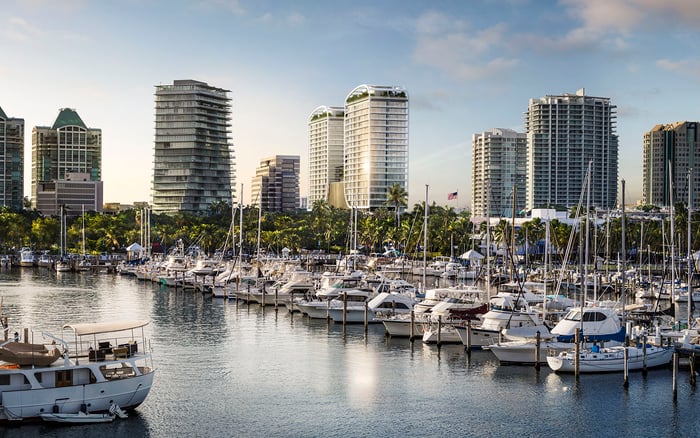
A buyer-oriented due-diligence guide to impact-glass specifications at Park Grove Coconut Grove, with practical questions on approvals, assemblies, comfort, maintenance, warranties and resale documentation.
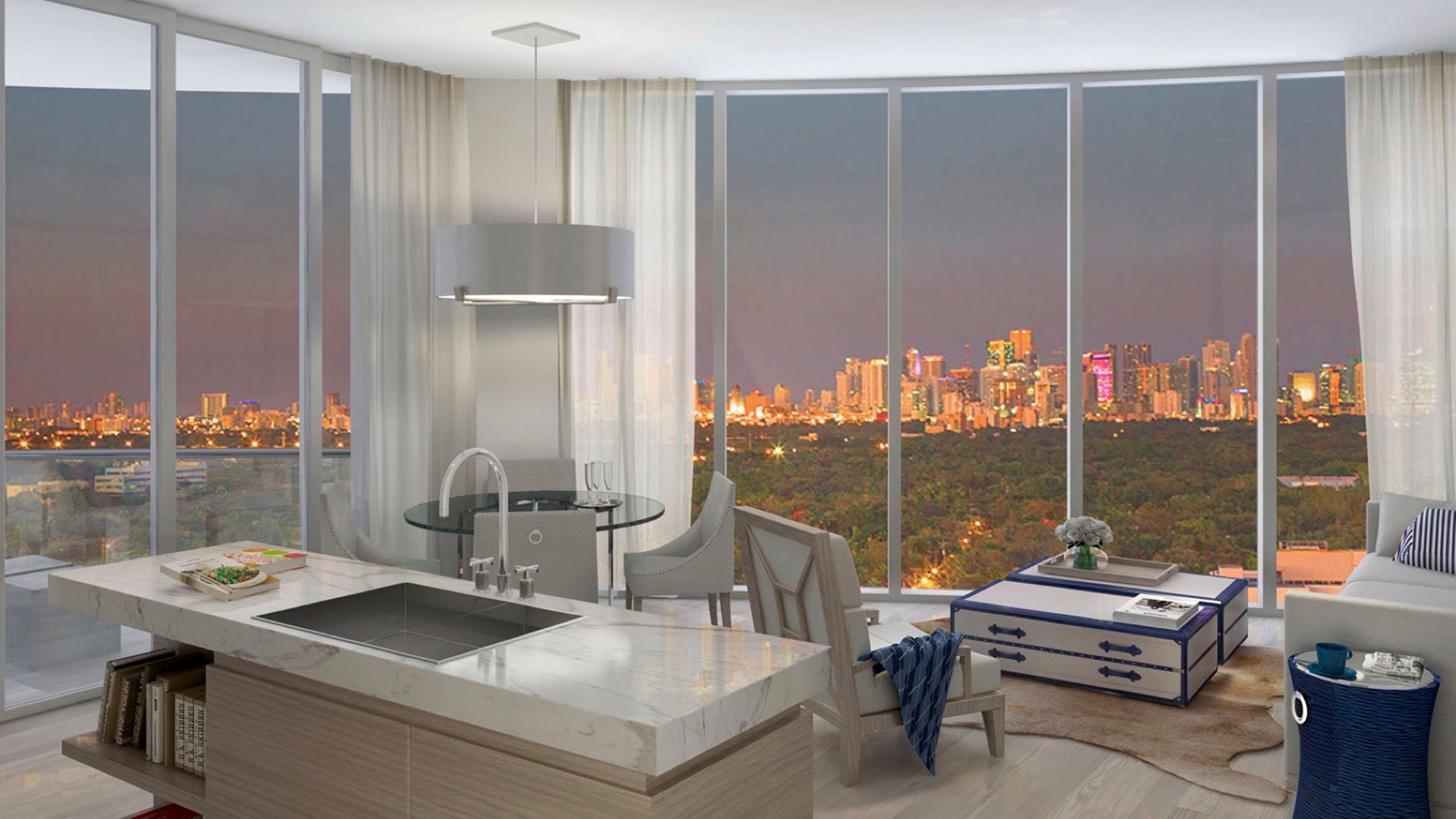
At Park Grove Coconut Grove, the appeal is inseparable from glass: expansive views, deep natural light and a close relationship with the waterfront setting. For buyers, that makes impact glass more than a storm-season talking point. It is part of the residence’s comfort profile, maintenance story, insurance confidence and eventual resale narrative.
The first discipline is to move beyond broad language. A phrase such as “hurricane-impact glass throughout” may sound reassuring, but it does not answer the questions that matter in a sophisticated acquisition. A buyer should ask for product-level information on every exterior glazed opening: windows, sliders, terrace doors and any specialty glass conditions in the residence.
This is especially important in Coconut Grove, where architecture often leans into shade, canopy, water and indoor-outdoor living. The same due-diligence mindset applies when comparing nearby properties such as Four Seasons Residences Coconut Grove, Mr. C Tigertail Coconut Grove and Vita at Grove Isle. Glass is not merely a finish. It is a building system.
Begin with the basics, but ask for them precisely. What is the manufacturer? What is the product line? What are the model numbers? Which framing system is used? Are the sliders and fixed panels part of the same approved assembly, or are multiple systems used across different elevations?
For a residence with large glazed walls or terrace-facing openings, this level of detail matters. Impact performance is not only about laminated glass. It depends on the full tested assembly: laminated panes, interlayers, reinforced frames, sealants, tracks, anchors and hardware. If one element has been substituted or modified, the performance profile may no longer match the approved system.
Buyers should request the architectural glazing schedule, shop drawings if available, warranty packets and any records that identify the installed products in the specific residence. The goal is not to become an engineer during contract review. The goal is to know what should be handed to the appropriate consultant, inspector or attorney before closing.
South Florida buyers should ask whether the glazing assemblies are approved for Miami-Dade County and High Velocity Hurricane Zone performance requirements. The most useful documentation may include Miami-Dade Notices of Acceptance, Florida Product Approvals or comparable approval records tied to the exact window and sliding-door assemblies installed.
Do not accept approval language that is disconnected from the unit. Ask whether the documentation corresponds to the specific size, frame type, mullion configuration and opening condition. Large panels can carry different requirements than smaller windows, and terrace-facing sliders should be reviewed as complete assemblies rather than as isolated glass panes.
The key question is simple: does the paperwork match what is actually in the residence? If the answer is unclear, ask the seller, association or relevant records custodian to provide the chain of documents before due diligence expires.
Ask for wind-load ratings for the specific window and sliding-door assemblies. In a high-rise or waterfront context, performance can vary by elevation, exposure and opening size. The concern is not theoretical. Glass-forward design places more of the exterior envelope in the buyer’s everyday view and long-term ownership responsibility.
Large-missile impact resistance is another question worth asking directly, especially for floor-to-ceiling glazing and terrace openings. The buyer should confirm whether the system was tested as a complete assembly and whether the documentation identifies the glass configuration, frame and installation parameters.
This is a buyer’s due-diligence issue as much as a design and architecture issue. The more elegant the view wall, the more important it becomes to understand the engineering behind it. For waterfront buyers, the most refined residence is also the one whose documents are organized, specific and transferable.
Impact glass also shapes daily life. Ask for the laminated-glass configuration, including pane thicknesses, interlayer type and whether any low-emissivity coating is used. If available, request the solar heat gain coefficient, visible light transmittance and U-factor.
These figures help frame comfort expectations, particularly for residences with strong sun exposure or multiple glass elevations. A corner residence may live very differently from a more sheltered line, and a bay-facing terrace may have a distinct heat and glare profile depending on time of day.
Acoustic performance deserves the same attention. Ask for STC or OITC ratings where available, because large glass areas can influence interior quietness near roads, bayfront activity or neighboring buildings. The question is not whether the residence feels serene during a single showing. The question is how the glass system performs across ordinary rhythms: morning traffic, marina activity, weather, nearby construction and evening waterfront movement.
For buyers evaluating Coconut Grove alternatives such as The Well Coconut Grove or Opus Coconut Grove, the same comfort questions can create a more disciplined comparison between lifestyle impressions and building-envelope performance.
The most expensive misunderstanding is often not technical. It is jurisdictional. Confirm who is responsible for maintaining, repairing or replacing exterior glass and frames: the unit owner, the condominium association or both. Review the condominium documents and association policies carefully, because exterior envelope responsibilities are not always intuitive.
Ask whether the specific unit or line has had prior glass repairs, seal failures, water intrusion or warranty claims. Request records for any repairs and confirm whether the work used matching approved components. A clean paper trail can be meaningful in a future sale, while unclear repairs can become a negotiation point.
Warranty review should be granular. Ask for warranties covering glass, interlayers, seals, coatings, frames, rollers, tracks and sliding-door hardware. Sliding systems are frequently used, especially in terrace-oriented residences, so hardware and track maintenance deserve attention alongside the glass itself.
Aftermarket tinting, films and interior treatments should not be treated casually. Ask whether films, tinting, shades or other treatments are permitted, whether association approval is required and whether they could affect warranties or create thermal stress concerns.
Replacement protocol is just as important. If a pane is damaged years after closing, must it match the original approved system? Is association approval required before any modification? Are there approved vendors or specifications that must be followed? The answers affect both convenience and value.
The strongest Park Grove Coconut Grove buyer file should include specifications, approvals, maintenance records, warranty documents and any association guidance on modifications. In a market where visual drama is often immediate, documentary discipline is a quieter luxury.
Is “hurricane-impact glass throughout” enough for due diligence? No. Ask for product-level specifications, approvals and records tied to the actual residence.
Which documents should a buyer request first? Start with product approvals, glazing schedules, shop drawings if available, warranties and association maintenance policies.
Should the sliders be reviewed separately from fixed windows? Yes. Sliders include tracks, rollers, locks, frames and seals that should be reviewed as part of the complete assembly.
Why do Miami-Dade or HVHZ approvals matter? They help confirm that the system was approved for the region’s demanding wind and impact conditions.
What is large-missile impact resistance? It refers to testing intended to evaluate how an assembly performs when struck by windborne debris.
Do energy metrics matter in a luxury condo? Yes. Solar heat gain, visible light transmittance and U-factor can influence comfort, glare and cooling performance.
Should buyers ask about acoustic ratings? Yes. STC or OITC ratings can help evaluate interior quietness near roads, bay activity and neighboring buildings.
Who usually pays for glass repairs? Responsibility depends on the condominium documents, association policies and the nature of the repair.
Can aftermarket window film create issues? It can. Confirm whether films or tinting are allowed and whether they may affect warranties or thermal performance.
Why keep glass documents after closing? They can support maintenance decisions, future repairs and buyer confidence during a later resale.
To compare the best-fit options with clarity, connect with MILLION.
If branded residences are on your mind — as a home or as an allocation — we would be glad to share what we are seeing, privately.
Begin a quiet conversation