A buyer-focused editorial on how ownership differs across Armani/Casa, Jade Ocean, and The Estates at Acqualina in Sunny Isles Beach, with emphasis on association quality, branding, reserves, usage rules, service intensity, and resale strategy.
In Sunny Isles Beach, the most sophisticated condominium buyers are no longer comparing towers only by lobby design, beach frontage, or the theater of arrival. They are asking a more consequential question: what, precisely, am I buying into? With Armani Casa Sunny Isles Beach, Jade Ocean Sunny Isles Beach, and The Estates at Acqualina Sunny Isles, the answer is a layered ownership proposition that includes private title, shared obligations, association culture, brand signal, coastal exposure, and eventual exit strategy.
Each building sits within a narrow oceanfront corridor where high-rise ownership is inseparable from salt air, wind exposure, infrastructure demands, insurance realities, and the financial discipline of the condominium association. The residence may be the emotional purchase, but the association is part of the investment. For ultra-high-net-worth buyers, that distinction is not academic. It can shape carrying costs, flexibility of use, liquidity, and how the asset is perceived by the next buyer.
All three properties should be approached first as Florida condominiums. A buyer acquires private unit ownership within a larger structure of shared governance. The association is responsible for common elements, budgeting, reserve policy, maintenance priorities, and rules that affect daily life. In an oceanfront tower, that shared layer can be as consequential as the interior finish package.
The core diligence is less glamorous than the architecture, but often more revealing. Buyers should review current condominium documents, budgets, reserve practices, insurance posture, rental and usage restrictions, capital plans, meeting history, and any rules that may affect family use, guests, staff, leasing, or resale. The goal is not to search for perfection. It is to understand whether the building’s ownership structure aligns with the buyer’s intended use and tolerance for future shared cost.
For a primary resident, the priority may be consistency, service, and governance stability. For a second-home owner, lock-and-leave ease and predictable operations may matter more. For an investor, rental rules and liquidity become central. For an international family, wealth-planning and succession considerations may sit alongside lifestyle preferences. The best ownership fit depends on the buyer’s private objectives, not on a generic ranking of luxury.
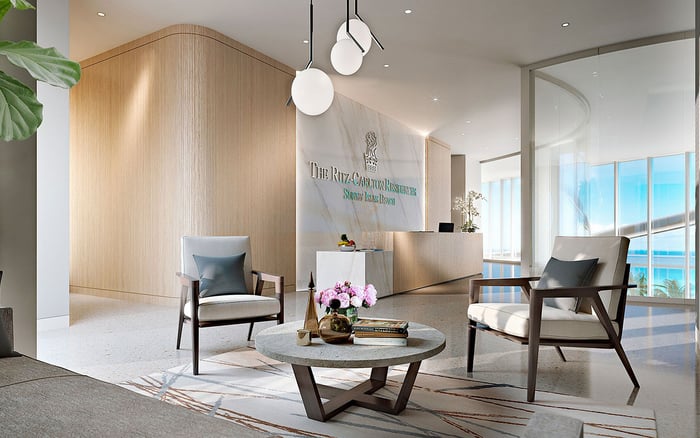
Armani Casa Sunny Isles Beach carries a distinct ownership signal because the Armani/Casa identity is central to how the property is understood in the market. For some buyers, that brand association is part of the appeal: a recognizable design language, a clear lifestyle reference, and a level of reputational clarity that can frame the asset within a global luxury conversation.
That brand dimension deserves careful review. Branded residences can involve management expectations, design standards, service assumptions, and market perceptions that differ from a non-branded condominium. Buyers should understand any brand-related obligations, operating implications, and governance arrangements that may influence both the ownership experience and long-term positioning.
The Armani/Casa diligence file should also include association finances, reserve policies, rental and usage restrictions, structural compliance, and resale strategy. The strongest buyer will not treat branding as a substitute for documents. Instead, the brand becomes one layer in a broader thesis: does this condominium offer the right blend of identity, operational discipline, flexibility, and future buyer appeal?
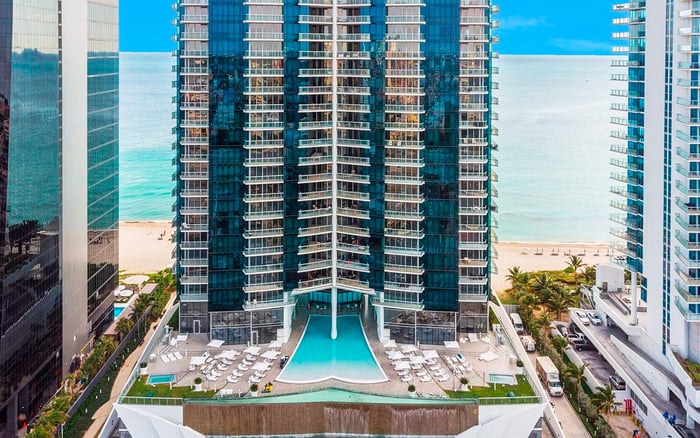
Jade Ocean Sunny Isles Beach should be evaluated differently from newer Sunny Isles towers because ownership questions evolve with building vintage, association history, and accumulated maintenance needs. In a mature ultra-luxury condominium, buyers are often studying how the community has governed itself over time, how maintenance priorities have been handled, and how its reserve posture compares with newer competitors.
This does not make the ownership case weaker or stronger by default. It makes it more specific. A building with an established history can offer evidence of how owners, boards, and management respond to real-world operating demands. That history may help buyers understand culture, expectations, and the likely rhythm of future capital decisions.
For Jade Ocean, the buyer’s lens should include governance continuity, maintenance transparency, reserve planning, rental restrictions, and exit profile. The question is not simply whether the tower remains desirable. It is who the next buyer is likely to be, how that buyer will compare Jade Ocean with newer Sunny Isles Beach offerings, and whether the current association story supports confidence at resale.
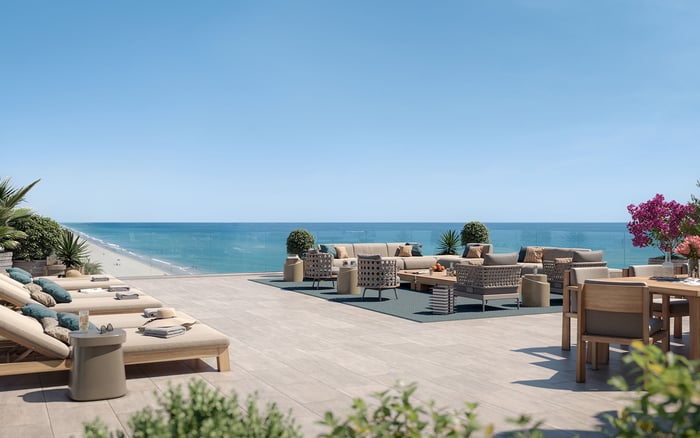
The Estates at Acqualina Sunny Isles belongs in a different analytical category because it is tied to the broader Acqualina brand ecosystem and a highly service-oriented ownership proposition. The appeal is not only physical luxury. It is the promise of an elevated, programmed, deeply serviced residential environment.
That level of experience carries governance and cost implications. Extensive amenity programming, staffing, maintenance, and high-service operations can enhance daily life and market prestige, but they also require disciplined budgeting and clear owner alignment. A buyer should understand how amenities are funded, how service expectations are maintained, and how future operating costs may evolve.
For the right buyer, that ecosystem can be the reason to purchase. It may offer a sense of continuity, privacy, and prestige that is difficult to replicate. But the more elaborate the service platform, the more important it becomes to review association budgets, reserve policies, management structure, and any rules that affect use. In this segment, luxury is not static. It is an operating model.
Exit strategy belongs at the beginning of the conversation, not only when an owner decides to sell. These three towers may appeal to overlapping but distinct buyer pools. Armani/Casa may draw buyers who value brand identity and design association. Jade Ocean may appeal to buyers who understand established oceanfront ownership and want to evaluate a more seasoned governance record. The Estates at Acqualina may attract buyers seeking a highly serviced, brand-linked environment with a premium lifestyle ecosystem.
Liquidity is shaped by more than price. It is shaped by rental flexibility, perceived association health, clarity of the building story, competitiveness of amenities, and the confidence a buyer feels after reviewing documents. In Sunny Isles Beach, where luxury towers sit in close visual proximity, subtle ownership distinctions can become meaningful in negotiation.
A disciplined buyer should ask how each building will be viewed in five or ten years by the next generation of purchasers. Will the brand remain compelling? Will the association history support confidence? Will service expectations continue to match operating budgets? Those questions turn a lifestyle acquisition into a more complete ownership decision.
The most elegant Sunny Isles Beach purchase begins with unromantic diligence. Buyers should request the current budget, reserve details, insurance information, condominium rules, rental policies, meeting materials, capital project discussions, and any disclosures available through the transaction process. They should also consider whether the unit will be used personally, held as a second home, leased within permitted rules, placed in a family structure, or positioned for eventual sale.
This is especially important for oceanfront high-rises, where the cost of maintaining major building systems, hurricane resilience, exterior components, and premium amenity spaces can be substantial at the association level. The buyer is not only acquiring views and square footage. The buyer is acquiring participation in a collective financial and governance system.
What is the main ownership difference among these three Sunny Isles Beach towers? The difference is not only amenity style. It is the combination of branding, association governance, service model, building history, and resale audience.
Why does Armani Casa Sunny Isles Beach require a branded-residence lens? The Armani/Casa identity is part of the property’s market signal, so buyers should review how brand positioning, obligations, and perception may affect ownership.
How should buyers think about Jade Ocean Sunny Isles Beach? Jade Ocean should be studied as an established ultra-luxury condominium, with attention to governance history, building age, maintenance record, reserves, and exit profile.
Why is The Estates at Acqualina Sunny Isles different from a standard luxury condo? Its ownership proposition is tied to a broader high-service brand ecosystem, making amenity operations, staffing expectations, and budget discipline especially important.
Do rental restrictions matter for personal-use buyers? Yes. Even if a buyer does not plan to rent, usage rules can affect flexibility, future buyer demand, and eventual resale liquidity.
Are reserves important in oceanfront condominium ownership? Yes. Reserve policy can influence future assessment exposure, especially where major systems, coastal resilience, and premium amenities require ongoing investment.
Should buyers focus more on the unit or the association? Both matter. The unit creates the private experience, while the association shapes costs, rules, maintenance quality, and long-term confidence.
Is a newer building automatically a better ownership proposition? Not necessarily. Newer towers may offer current design and systems, while established towers may provide a clearer governance and maintenance history.
What should international buyers consider? They should align the purchase with personal use, wealth planning, governance comfort, liquidity objectives, and any family or entity ownership structure.
What is the best first step before making an offer? Define the ownership objective first, then review current condominium documents, budgets, rules, and resale positioning with qualified advisers.
For a discreet conversation and a curated building-by-building shortlist, connect with MILLION.
If branded residences are on your mind — as a home or as an allocation — we would be glad to share what we are seeing, privately.
Begin a quiet conversation