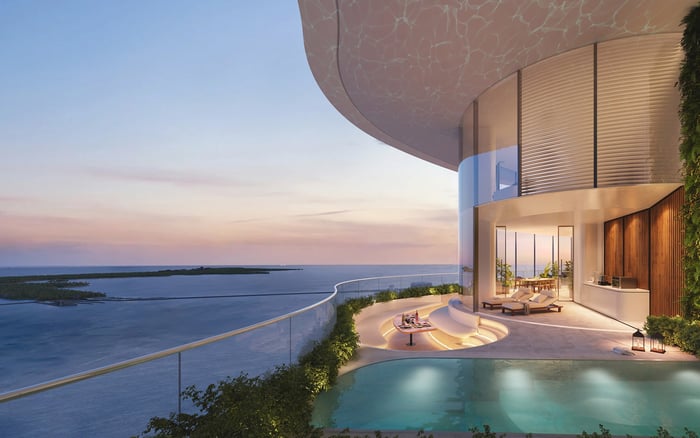
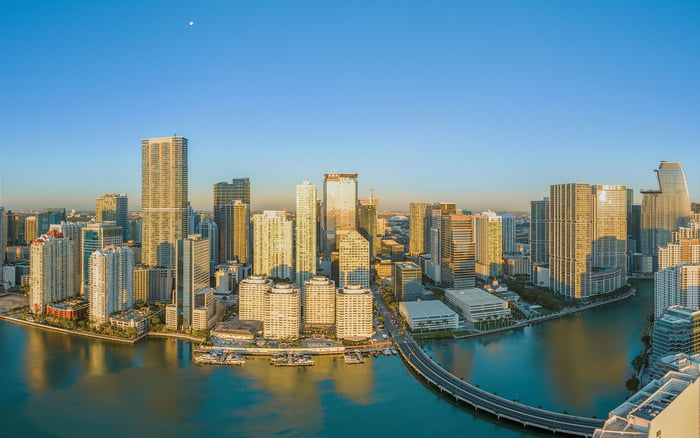
An editorial look at how 2200 Brickell positions itself within Brickell’s lock-and-leave ownership conversation, emphasizing boutique scale, privacy, simplicity, and long-term residential comfort for affluent Miami buyers.
For a certain South Florida buyer, the most persuasive luxury is not excess. It is the confidence of arriving, settling in, and leaving again without a property becoming another obligation. That is the heart of lock-and-leave ownership in Brickell, where affluent residents often balance Miami with homes elsewhere, seasonal schedules, and travel-heavy lives.
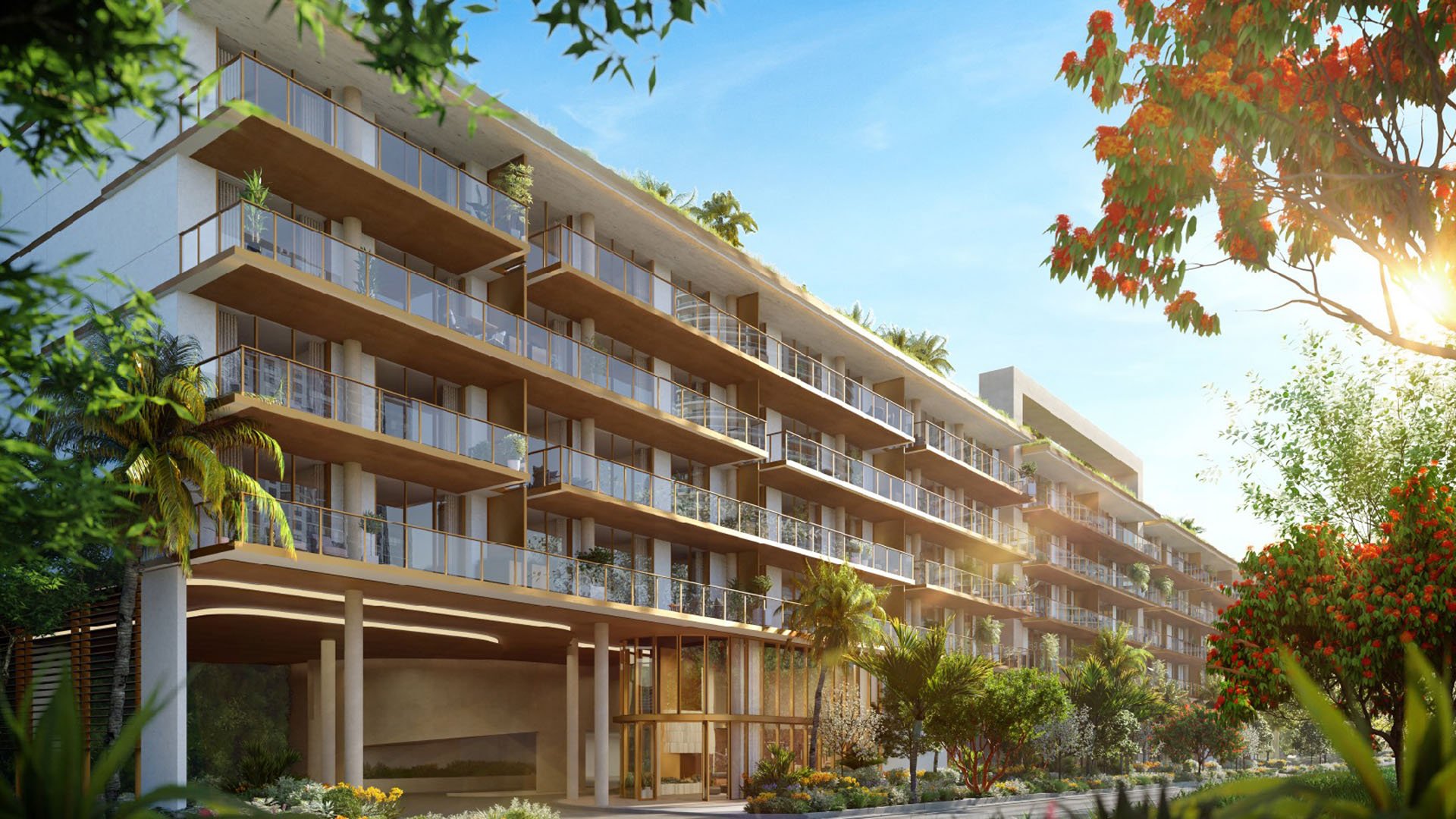
In that context, 2200 Brickell enters the conversation as a boutique condominium on Brickell Avenue with a clear point of view. Its appeal is not framed around short-stay turnover or purely investment-driven utility. Instead, it speaks to owners who want a Miami residence that feels polished, private, and manageable, while preserving the convenience that makes Brickell so compelling.
Brickell has long been associated with business, nightlife, towers, and speed. Increasingly, however, it also serves buyers who use Miami as a seasonal or semi-primary base. That shift changes the question. The buyer is not simply asking whether a building is impressive. The sharper test is whether ownership can remain simple when the owner is elsewhere.
The defining idea around 2200 Brickell is balance: urban access with a more residential ownership experience. In a district known for larger high-rise condominium inventory, boutique positioning can read as a form of restraint. It suggests a preference for privacy, daily ease, and long-term livability over the anonymity or transience that can accompany some urban condominium settings.
That distinction matters for end users. A lock-and-leave buyer may not want the atmosphere of a hotel, nor the feeling of a revolving door. The priority is a residence that can sit gracefully within a multi-home lifestyle: easy to maintain, secure in concept, and refined enough to feel like a true home rather than a placeholder.
The project is also described as design-forward, a point that aligns with buyers who care about the feel of the product as much as its location. In this segment, design is not decoration alone. It is part of the ownership equation, because a well-considered residence reduces friction. The fewer compromises an owner makes on comfort, privacy, or finish, the more plausible it becomes to use the property as a durable Miami base.
Privacy is central to the lock-and-leave discussion. In Brickell, that does not necessarily mean withdrawal from the city. It means being able to participate in the district’s energy without feeling absorbed by it. Boutique positioning gives 2200 Brickell a different tone from the largest towers in the neighborhood, and that tone is especially relevant to buyers who value discretion.
For these owners, the building is not just a place to sleep between dinners or meetings. It is a controlled point of return. The residence must be comfortable enough for longer stays, yet practical enough that it does not demand constant attention when unoccupied. That is where simplicity, security, and ease of ownership converge.
This is also why the word boutique belongs in the conversation rather than merely in marketing language. In this setting, boutique suggests a more intimate residential rhythm. It can answer buyers who like Brickell’s access but want a property that feels less transient and more personally held.
Brickell buyers are not all making the same decision. Some are drawn to branded environments, some to waterfront identity, and others to a quieter residential feel within the same urban grid. A buyer considering 2200 Brickell may also encounter Cipriani Residences Brickell, St. Regis® Residences Brickell, or Una Residences Brickell while mapping the broader neighborhood.
The distinction is not that one ownership model is universally superior. It is that 2200 Brickell is framed around a buyer who wants the convenience of condominium ownership without surrendering the feeling of a settled residence. That makes it especially relevant for those who see Miami as part of a larger personal geography, rather than a single-purpose investment.
Another Brickell name, The Residences at 1428 Brickell, illustrates how varied the district’s new luxury conversation has become. The more options Brickell offers, the more important it is for buyers to identify the ownership experience they actually want. For some, that means scale and spectacle. For others, it means a calm, design-forward address that can be left and returned to with minimal complication.
The likely 2200 Brickell buyer is not necessarily chasing the loudest statement in the skyline. The appeal is subtler: a Miami residence with substantive comfort, urban convenience, and a degree of privacy that supports seasonal or semi-primary use. This is a second-home conversation, but not in the casual sense. It is about a serious residence that happens to fit a multi-residence life.
That difference is important. A lock-and-leave owner may be away for long stretches, but still wants the home to feel ready, familiar, and personal on return. This buyer may prefer an end-user-oriented environment over a more transient, investor-driven ownership pattern. They are thinking about how the building will feel in ordinary moments, not only how it will read in a presentation.
For a buyer sorting the Brickell field, the operative language may include new construction, lifestyle, design, privacy, and ease. Yet the strongest purchase rationale remains practical: the home should simplify life. If a Miami residence adds complexity, it fails the lock-and-leave test.
For luxury buyers, the first question is whether 2200 Brickell’s boutique positioning fits the way they intend to use the property. If the goal is long-term livability, privacy, and an urban home base, the project’s framing is directly relevant. If the goal is a short-stay, hotel-like cadence, the fit may be less natural.
The second question is emotional. Does the buyer want Brickell’s convenience, but in a more residential key? That is where 2200 Brickell’s value proposition becomes clear. It is not trying to remove the owner from the city. It is trying to make city ownership feel easier, more composed, and more sustainable over time.
The final question is discipline. In Brickell, it is easy to be distracted by height, brand, and spectacle. Lock-and-leave ownership rewards a different kind of scrutiny. It asks whether the residence can remain effortless when life is moving across cities, calendars, and seasons.
What does lock-and-leave ownership mean in Brickell? It describes a residence designed to be easy to own, secure, and manageable when the owner is not in Miami full-time.
Why is 2200 Brickell relevant to this conversation? 2200 Brickell is positioned around simplicity, privacy, and ease of ownership within a boutique Brickell Avenue condominium setting.
Is 2200 Brickell framed more for end users or investors? It is framed as an end-user-oriented alternative to more transient, investor-driven condominium ownership patterns in Brickell.
What makes boutique positioning important? Boutique positioning can offer a quieter residential tone and a contrast to Brickell’s larger high-rise condominium inventory.
Does lock-and-leave mean a property is only for seasonal use? No. It can support seasonal, semi-primary, or multi-home ownership, provided the residence remains comfortable and easy to manage.
How does privacy factor into 2200 Brickell’s appeal? Privacy is part of the project’s lock-and-leave appeal, especially for buyers who want discretion within an urban neighborhood.
Is the project positioned as hotel-like? No. Its positioning emphasizes long-term livability rather than short-stay or hotel-like turnover.
Why does design matter for this type of buyer? A design-forward product can make the residence feel polished, comfortable, and more suitable as a true Miami home base.
How does Brickell’s evolution affect demand? Brickell’s maturation into a place for seasonal and semi-primary residents strengthens the case for refined, manageable ownership.
What should buyers focus on when evaluating 2200 Brickell? Buyers should focus on whether its balance of urban access, privacy, and residential comfort matches the way they plan to live.
For a tailored shortlist and next-step guidance, connect with MILLION.
If branded residences are on your mind — as a home or as an allocation — we would be glad to share what we are seeing, privately.
Begin a quiet conversation