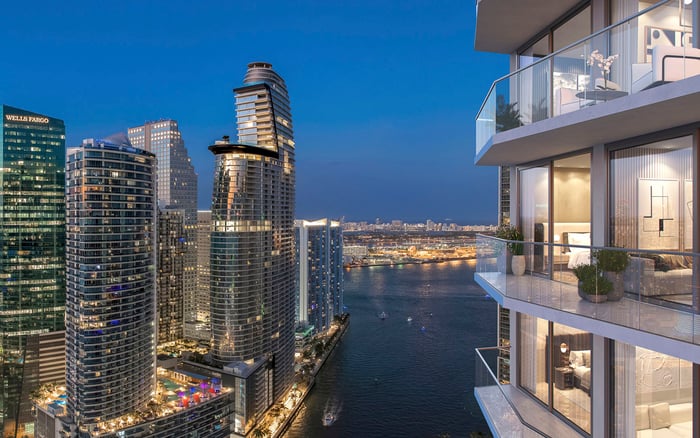
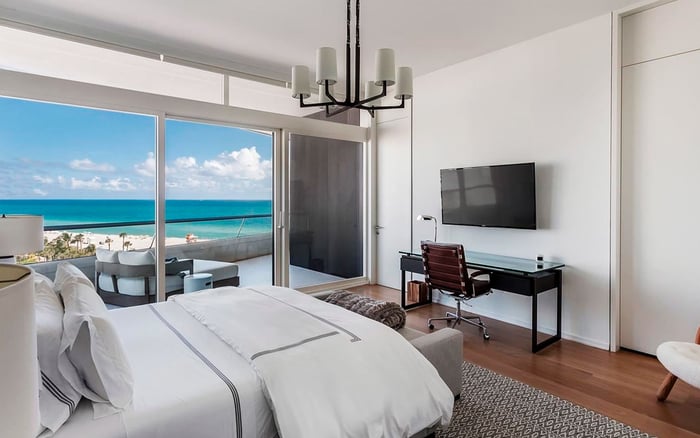
Neighboring development risk can reshape the true cost of a South Florida preconstruction condo through views, noise, access, liquidity, carrying costs, and long-term desirability.
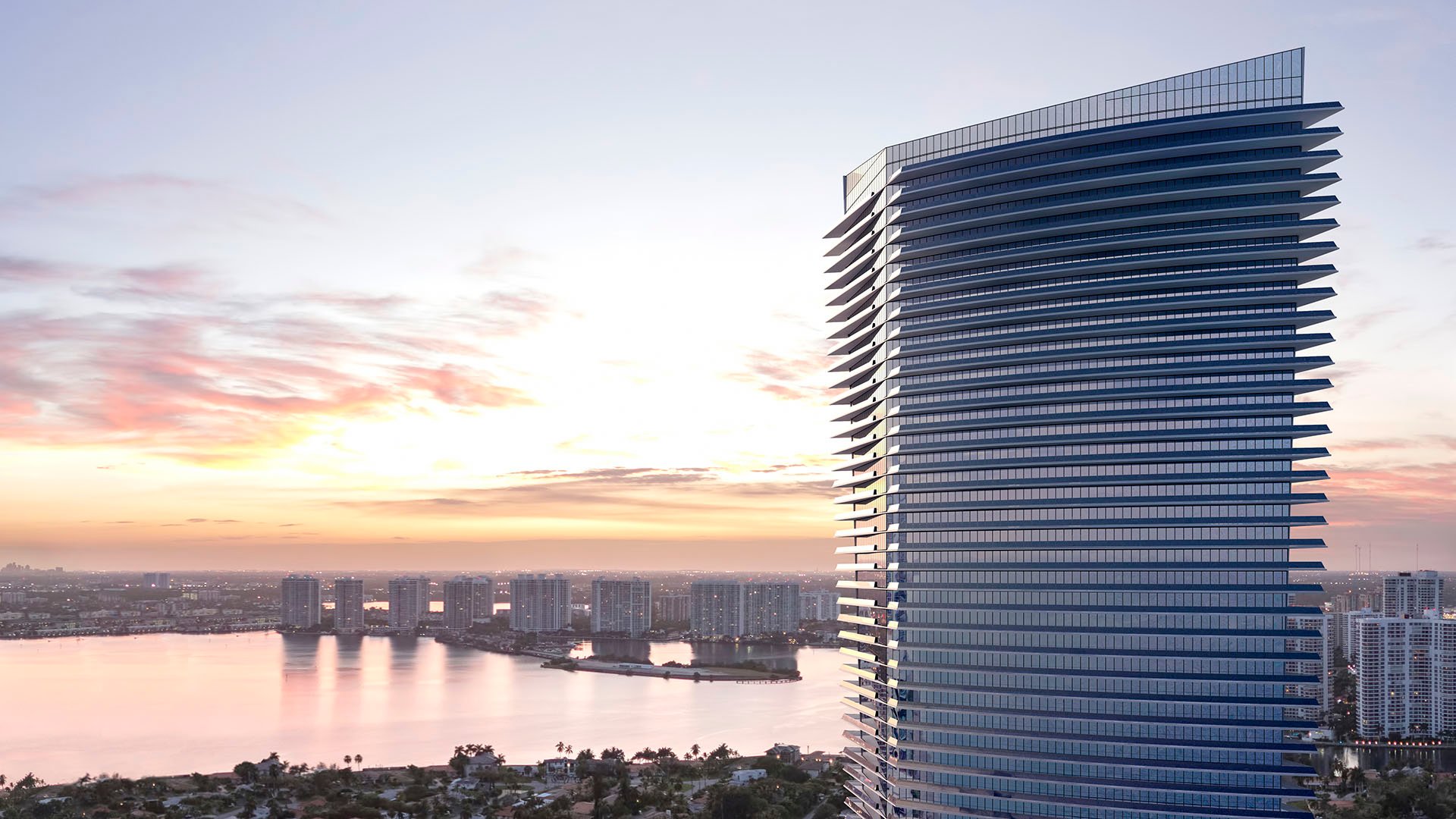
A South Florida preconstruction condo is often judged by its visible strengths: architecture, floor plan, finish package, amenity deck, brand, deposit schedule, and address. Yet one of the most consequential costs may sit just beyond the property line. Neighboring development risk is the possibility that an adjacent or nearby parcel changes in a way that affects light, views, privacy, access, construction experience, rental demand, resale positioning, or the day-to-day serenity expected at the luxury level.
This is not merely a concern for speculative investors. It is central to lifestyle value. A buyer may choose a corner residence for open water views, a quiet terrace, or a sense of separation from surrounding buildings. If that context changes, the residence may remain beautiful, but its economic profile can shift. In Pre-Construction, the building you sign for is only one side of the decision. The other is the future neighborhood that will exist when you close, move in, lease, or resell.
In high-demand districts such as Brickell, Miami Beach, Sunny Isles Beach, Fort Lauderdale, Bay Harbor Islands, and West Palm Beach, neighboring sites can hold meaningful future value. That value attracts redevelopment. For buyers, the question is not whether South Florida will continue to evolve. It is whether the purchase price, line selection, and exit strategy account for that evolution with discipline.
Neighboring development risk begins with the obvious: a future tower that may interrupt a view corridor. But the cost is rarely limited to the view. A new project can change how sunlight reaches a residence, how private a terrace feels, how traffic moves around the block, how valet and service access function, and how construction activity shapes the first years of ownership.
The risk also includes uncertainty. A parcel may be vacant, improved with a low-rise structure, used for parking, held by a long-term owner, or positioned in a way that suggests future assembly. Even without a disclosed project next door, a buyer should ask what could reasonably happen. The most sophisticated analysis looks beyond the sales gallery model and studies the surrounding fabric.
For a buyer comparing The Residences at 1428 Brickell with other urban offerings, the evaluation is not only about elevation and finishes. It is about how the surrounding skyline may mature, which exposures feel most protected, and whether the selected line is priced for the possibility of future density nearby.
The real cost of neighboring development can surface in several ways. First is the premium paid for a feature that later becomes less rare. A direct, open, or dramatic view often commands a higher price. If that outlook becomes more obstructed, the buyer may not lose the entire premium, but the market may recalibrate it.
Second is the cost of friction. Construction on a neighboring parcel can affect noise, dust, staging, lane closures, pedestrian routing, and the perception of arrival. For a primary resident, that can create a lifestyle discount during the early years. For an investor, it can make the leasing conversation more demanding, even if the residence itself is new and refined.
Third is liquidity. Luxury buyers are selective, and hesitation has value. If two similar residences compete for attention, the one with more uncertainty nearby may require sharper pricing, more patient marketing, or a clearer narrative. This matters deeply in Investment decisions, where the best result is not simply appreciation, but optionality.
Finally, there is the psychological cost. Ultra-premium buyers are not only purchasing square footage. They are purchasing confidence. The more unanswered questions surrounding a site, the more a buyer should insist on compensation through price, line selection, deposit structure, or a longer-term hold thesis.
In South Florida, exposure can be as important as interior design. Oceanfront, bayfront, riverfront, park-facing, and skyline-facing residences each carry a different vulnerability profile. A Waterfront view may feel permanent, yet even water-oriented settings can be influenced by nearby towers, marina activity, bridge approaches, or redevelopment along the opposite edge.
Miami Beach buyers, for example, often weigh intimacy against openness. Boutique scale can feel rare and calm, but the surrounding streetscape still deserves scrutiny. A residence at The Perigon Miami Beach may appeal to a buyer who values architectural presence and coastal living, yet the broader lesson applies everywhere: the most valuable exposure is the one whose future context has been carefully considered.
Sunny Isles Beach presents another version of the same question. Tall oceanfront living can deliver cinematic views, but line selection still matters. At projects such as St. Regis® Residences Sunny Isles, buyers should think not only about height, but also about side exposure, neighboring setbacks, and how the view experience may differ from one stack to another.
A new condominium may be complete, polished, and ready for a refined handover, while an adjacent parcel is only beginning its construction cycle. That mismatch can matter. An owner may close into a pristine lobby and still live beside excavation, foundation work, vertical construction, and exterior finishing on a neighboring site.
For some buyers, the inconvenience is acceptable if the long-term address improves. A new neighboring project can elevate a district, enhance streetscape energy, bring better retail, and reinforce pricing power. For others, especially those buying for immediate seasonal use, the interim disruption can be significant.
This is where timing becomes a financial variable. A buyer planning to occupy only during peak season may experience construction differently than a full-time resident. A buyer intending to lease may need to anticipate tenant sensitivity. A buyer purchasing for multigenerational use may value quiet, access, and privacy more than theoretical neighborhood upside.
The question is not whether construction is good or bad. It is whether the buyer has paid the right price for the phase of the neighborhood they will actually experience.
The first step is visual. Walk the blocks at different times of day. Study vacant lots, older low-rise properties, surface parking, aging commercial buildings, and underused waterfront parcels. Note where a future building could rise, where trucks might stage, and how a new entrance could shift traffic.
The second step is spatial. Look at the exact residence line in relation to neighboring land. A high floor is not automatically protected. A low floor is not automatically compromised. The angle of the view, the width of the street, the position of amenities, and the orientation of terraces all matter.
The third step is contractual and advisory. Buyers should discuss neighboring development possibilities with qualified counsel and experienced representation before signing. Sales materials can communicate the current vision of a project, but a buyer should separately understand what is controlled by the condominium, what is controlled by others, and what is simply part of buying in an evolving urban market.
For buyers considering Alba West Palm Beach or other residences in rapidly maturing waterfront and downtown-adjacent settings, the same discipline applies: the surrounding parcels are part of the purchase analysis, even when they are not part of the offering.
Neighboring development risk does not automatically mean avoiding the purchase. Some of South Florida's most desirable addresses sit in neighborhoods that have changed dramatically over time. The key is to price the risk rather than ignore it.
A buyer can respond in several ways. Choose a line with a more resilient exposure. Prioritize a floor with better separation. Negotiate with an understanding of future competition. Select a residence whose intrinsic qualities, such as layout, ceiling height, terrace depth, service experience, and building identity, remain compelling even if the surrounding view changes.
In Brickell, the most protected feeling may come from thoughtful orientation rather than height alone. In Miami Beach, it may come from scarce coastal positioning. In Sunny Isles Beach, it may come from the relationship between the tower, the shoreline, and neighboring structures. In every case, the disciplined buyer asks a quieter question: if the adjacent parcel changes, would I still want to own this residence at this basis?
What is neighboring development risk in a preconstruction condo? It is the risk that nearby parcels are redeveloped in ways that affect views, privacy, access, construction conditions, or resale perception.
Does neighboring development risk always reduce value? No. Nearby development can also improve a district, but buyers should price the disruption and uncertainty before signing.
Are higher floors always safer from future obstruction? Not always. Height helps, but exposure angle, street width, setbacks, and nearby site potential can be just as important.
Should I avoid buying next to a vacant lot? Not necessarily. A vacant or underused parcel simply deserves careful analysis because its future use may change the ownership experience.
How can neighboring construction affect rental demand? Noise, access changes, and visual disruption can make a residence harder to lease at the desired rate during active construction periods.
What should I ask before signing a contract? Ask what adjacent parcels could become, how protected your selected line is, and whether the purchase price reflects that uncertainty.
Can a beautiful building still carry neighboring risk? Yes. Architecture and amenities matter, but the surrounding context can still influence daily enjoyment and long-term liquidity.
Is this risk more important for investors or end users? It matters to both. Investors focus on liquidity and rentability, while end users focus on privacy, serenity, and lifestyle quality.
Can legal review eliminate neighboring development risk? Legal review can clarify rights and disclosures, but it cannot control what unrelated property owners may pursue on nearby sites.
What is the best way to price this risk? Compare line resilience, exposure, timing, and exit strategy, then decide whether the residence remains compelling under a less favorable scenario.
To compare the best-fit options with clarity, connect with MILLION.
If branded residences are on your mind — as a home or as an allocation — we would be glad to share what we are seeing, privately.
Begin a quiet conversation