A family-scale condo in Palm Beach Gardens works as a long-term purchase when the floor plan, building culture, privacy, service, outdoor space and resale logic align with daily life rather than occasional use.
A family-scale condominium in Palm Beach Gardens is not simply a larger apartment with finer finishes. It is a long-term living machine, expected to absorb school mornings, visiting grandparents, work calls, pets, dinner parties, storage needs and quiet recovery at the end of a full day. The strongest purchase is not the one that photographs best on the first showing. It is the one that still feels composed after five, seven or ten years of actual use.
That distinction matters in Palm Beach Gardens because many buyers are not evaluating only a seasonal retreat. They are weighing a more permanent residential base, often with the expectation that the home can flex between primary residence, second home and family gathering place. In that context, glamour has to become practical. The best residence must offer privacy without isolation, amenities without chaos and a floor plan that gives every member of the household a place to exist comfortably.
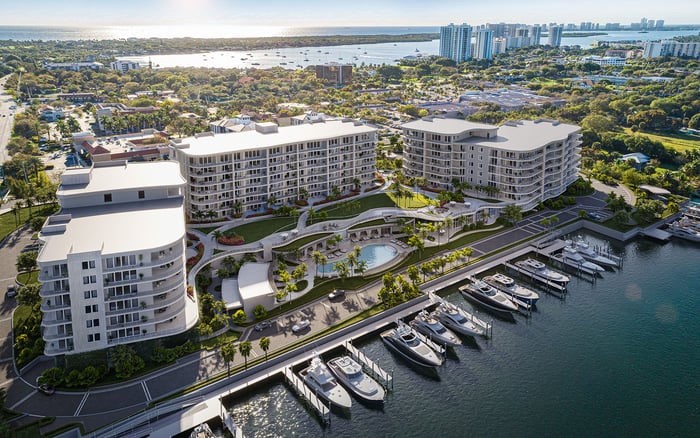
For buyers considering The Ritz-Carlton Residences® Palm Beach Gardens, the larger question is not whether branded service has appeal. It is whether that service model supports family life in a way that feels intuitive, discreet and sustainable.
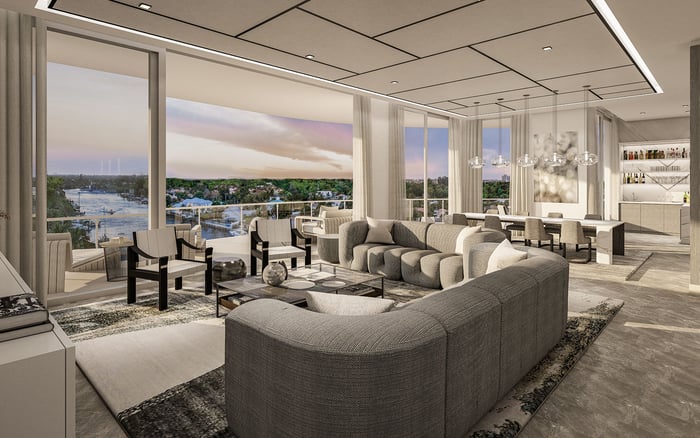
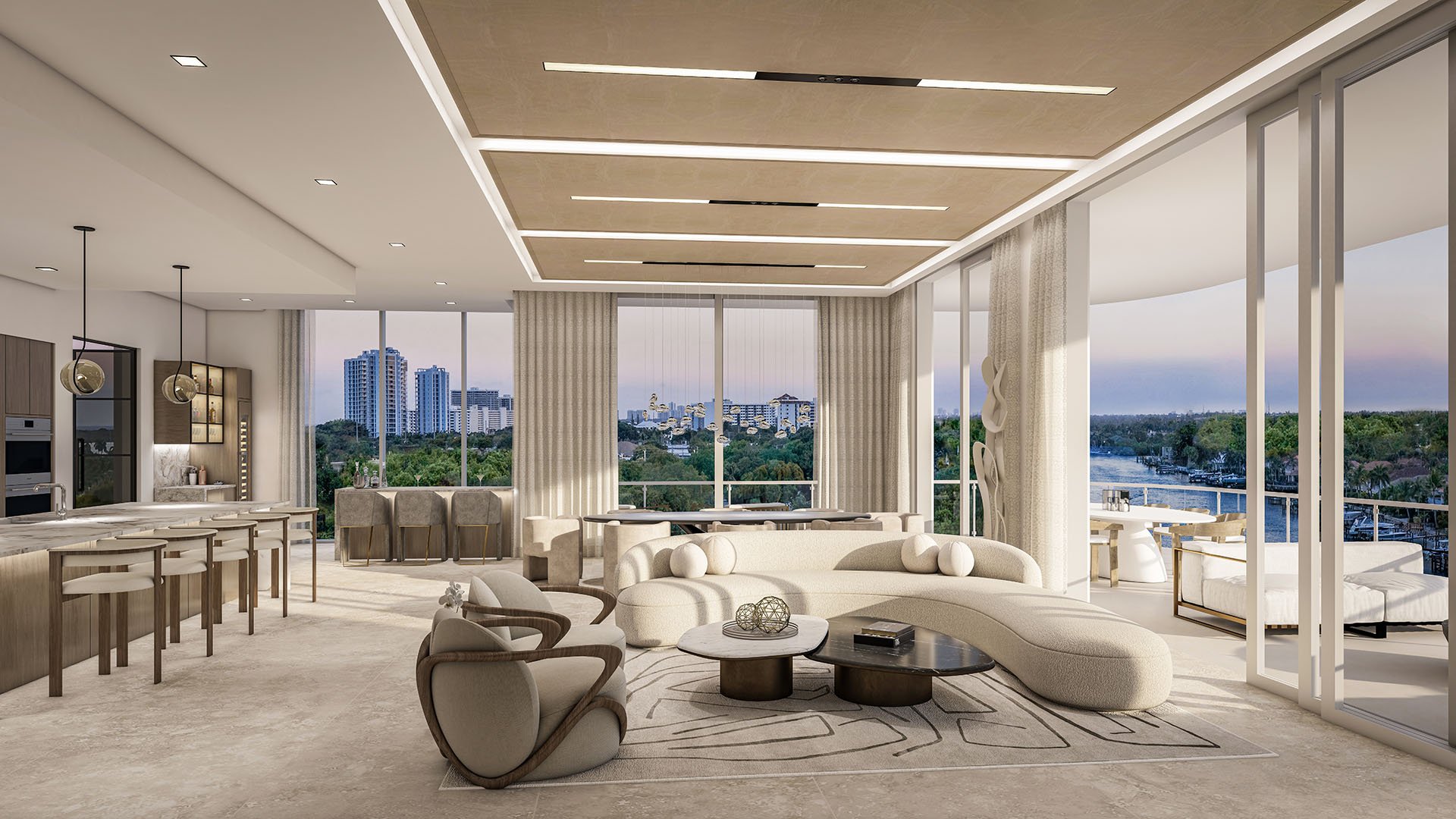
Square footage can mislead. A family-scale condo works when its space is distributed with purpose. The primary suite should feel private, secondary bedrooms should not read as afterthoughts and the living areas should allow multiple activities without constant collision. A beautiful open room is not enough if every conversation, television, homework session and work call competes in the same acoustic field.
The most important test is circulation. Can someone enter from the garage or lobby without passing through the center of the entertaining space? Is there a natural place for bags, shoes, sports equipment and deliveries? Are guest rooms separated enough to preserve privacy? Does the kitchen support both catered evenings and ordinary weekday meals?
Family buyers should also study room proportions closely. A den that only fits a desk is not the same as a true secondary lounge. A bedroom that depends on one furniture layout may become limiting as children grow or household needs change. Long-term value often sits inside these quieter details.
In South Florida luxury real estate, outdoor space is often described romantically. For a family-scale purchase, it should be evaluated practically. A terrace has to be deep enough, shaded enough and connected enough to the interior to become part of daily life. If it is used only for a photograph or an occasional glass of wine, it may not carry its weight in a long-term purchase.
The best outdoor space creates another room. It can hold breakfast, reading, a quiet call, a late dinner or a child’s afternoon pause. It should feel secure, easy to furnish and proportionate to the residence. A narrow balcony may offer atmosphere, but a true outdoor living area changes how the home performs.
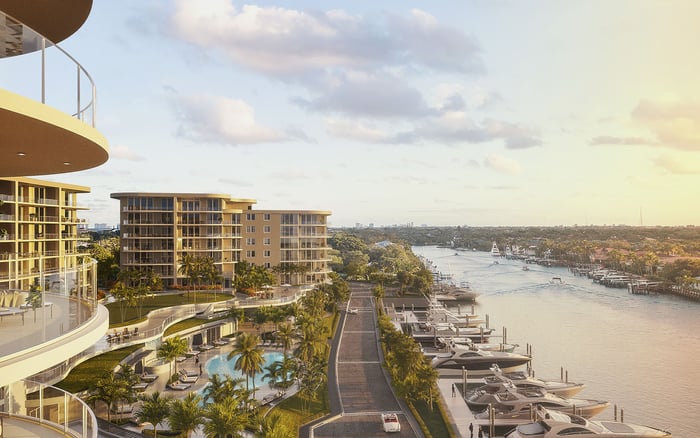
Buyers drawn to waterfront living should be equally disciplined. Waterview exposure can be emotionally powerful, but orientation, privacy and the quality of adjacent spaces matter. A view that dominates the room but leaves the floor plan compromised is not always the superior choice. The goal is balance: outlook, light, livability and calm.
A family home needs degrees of privacy. That begins inside the residence, but it extends to the building. Elevator flow, hallway design, amenity access and staff interaction all shape whether a condominium feels effortless or exposed.
A serious long-term purchase should allow family members to use the building without feeling constantly on display. Children, guests and extended relatives should be able to move through the property with clarity. Service should feel present when needed and invisible when not. The most refined buildings understand that privacy is not only a feature. It is a culture.
This is one reason buyers often compare Palm Beach Gardens with nearby luxury markets such as Palm Beach and West Palm Beach. A residence like Palm Beach Residences may appeal to those seeking a more island-centered identity, while Palm Beach Gardens can attract buyers who want a broader residential rhythm. The right answer depends less on prestige and more on how the family actually lives.
Amenity lists can become theatrical. For a family-scale condo, the question is simpler: which amenities reduce friction? A fitness center is useful if it replaces a commute. A pool is valuable if it becomes part of weekly life. Private dining matters if the residence can host without strain. Guest accommodations, if available within the building or nearby hospitality ecosystem, can change how extended family visits feel.
The buyer should imagine a normal Tuesday, not only a holiday weekend. Where does a child wait before an activity? Where does a parent take a short call? Where does a visiting relative spend the morning? Are amenities serene enough for adults but welcoming enough for a multigenerational household?
New-construction offerings can be especially compelling when they anticipate these patterns from the outset. Still, new does not automatically mean durable. The better question is whether the building has a coherent lifestyle thesis. A project such as Alba West Palm Beach may enter a buyer’s comparison set when urban access and newer residential design are priorities, but the final decision should remain grounded in daily usability.
Luxury buyers sometimes underweight the least glamorous spaces. Families cannot afford to. Storage, parking, package handling, pet logistics, service entrances and maintenance access all become part of the lived experience.
A residence can have exquisite finishes and still fail if there is nowhere to put holiday items, golf equipment, luggage, beach gear or overflow pantry goods. Parking should be evaluated for ease, guest practicality and the realities of multiple drivers. Service access should support housekeepers, deliveries and vendors without disrupting the household.
These details rarely create the emotional purchase, but they protect it. They are also part of resale discipline. Future family buyers will ask the same questions, often with sharper focus after they have lived in homes that looked better than they functioned.
Palm Beach Gardens has its own gravitational pull for buyers who value a polished but livable South Florida base. Yet the neighborhood decision should never be abstract. Buyers should test the routes and rhythms that matter to them: school runs, club access, medical appointments, shopping, dining, airport preferences, boating needs and weekend rituals.
This is where a family-scale condo becomes a serious long-term purchase rather than a beautiful acquisition. The home must reduce complexity. If the location adds friction every day, the residence has to be extraordinary enough to compensate. If the location supports the family’s natural pattern, the home has a better chance of becoming permanent.
Some buyers will compare Palm Beach Gardens with Boca Raton, especially when private clubs, schools or extended family connections influence the search. Alina Residences Boca Raton belongs in that broader conversation for buyers studying how different luxury nodes handle space, service and long-term residential life.
A serious long-term buyer may not intend to sell soon, but resale should still guide the decision. The safest family-scale condos tend to be the ones that feel obvious to the next sophisticated buyer: sensible bedroom count, gracious living space, good light, privacy, usable outdoor area and a building identity that is easy to understand.
Overly customized layouts can narrow the future audience. So can unusual bedroom placement, compromised kitchens or entertaining spaces that look dramatic but live awkwardly. Timeless materials, adaptable rooms and calm design language usually age better than trend-driven statements.
Long-term rentals may also enter the planning conversation for some owners, but they should never be the only rationale. A family-scale condo should stand on its own as a residence first. Income flexibility can be useful, but the stronger purchase is one where ownership makes sense even without relying on an exit strategy or rental scenario.
The right family-scale condo will feel less like a trophy and more like a private residential platform. It will make daily life smoother. It will welcome guests without displacing the household. It will allow children to grow, parents to work and relatives to visit without turning the home into a logistical puzzle.
Buyers should look for emotional calm during the second and third visit. The first showing often belongs to views, finishes and arrival sequence. Later visits reveal the truth: noise, storage, circulation, sunlight, privacy and the subtle comfort of the building culture.
For buyers cross-shopping the broader Palm Beach luxury corridor, residences such as The Berkeley Palm Beach may sharpen the comparison between boutique scale, location and long-term livability. The best decision is rarely about choosing the most impressive brochure. It is about choosing the home that will still feel intelligent when life becomes ordinary.
What defines a family-scale condo in Palm Beach Gardens? It is a condominium large and flexible enough to support daily family routines, guests, storage needs and privacy over time.
Is square footage the most important factor? No. Layout, circulation, bedroom separation, outdoor usability and storage often matter more than the headline size.
Why does privacy matter so much in a family condo? Families need the ability to live naturally without feeling exposed in elevators, hallways, amenity areas or entertaining spaces.
Should buyers prioritize views or floor plan? The strongest purchase balances both, but a compromised floor plan can become frustrating even with a beautiful view.
Are branded residences a good fit for families? They can be, especially when service is discreet, consistent and genuinely helpful rather than performative.
How should outdoor space be evaluated? Buyers should ask whether it functions as a real living area, not just a narrow viewing platform.
What building amenities matter most for long-term living? Amenities that reduce everyday friction, such as wellness, pool, dining, guest and service conveniences, tend to matter most.
Can a family-scale condo work as a second home? Yes, provided it has enough storage, guest flexibility and management support to make arrivals and departures easy.
How should resale influence the purchase? Buyers should favor timeless layouts, adaptable rooms and a building identity future purchasers can understand quickly.
What is the best first step before buying? Walk through the residence as if it were a normal weekday, not a vacation day, and test every routine that matters.
When you're ready to tour or underwrite the options, connect with MILLION.
If branded residences are on your mind — as a home or as an allocation — we would be glad to share what we are seeing, privately.
Begin a quiet conversation