A disciplined inspection plan for evaluating the residence, shared infrastructure, coastal envelope, hotel operations, privacy, technology, and long-term obligations.

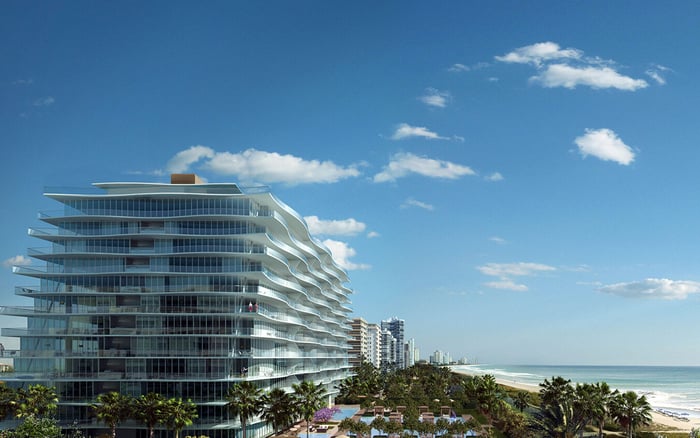
At Four Seasons Hotel & Private Residences Fort Lauderdale, polished interiors and Atlantic views represent only the visible layer of the acquisition. The more consequential questions concern how the property operates: which systems are shared, how residents move through the building, where privacy begins, and how long-term obligations are allocated.
The most useful discipline is to divide due diligence into three files. The first records what can be personally observed during a walkthrough. The second tracks what must be confirmed in governing and operating documents. The third identifies technical matters for engineers, attorneys, insurance specialists, and reserve-study professionals. Keeping these files distinct prevents an elegant tour from becoming a substitute for verification.
Begin at the street, not the front door. Drive the approach, enter the porte-cochère, and observe the handoff among hotel guests, residents, visitors, deliveries, and service personnel. Note traffic flow, stopping points, visibility, shelter, access controls, and any moments when residential and hotel circulation overlap.
Request advance permission to inspect loading areas and back-of-house circulation. These spaces may not appear on a standard sales tour, yet they can reveal how deliveries, housekeeping, maintenance teams, refuse, and large items reach residential floors. Buyers evaluating branded residences should determine whether service movement is separated by policy, physical design, or both.
Repeat the arrival at a different time and on another day. Traffic, beach activity, hotel occupancy, events, and nearby construction can alter the experience. Assess the building through direct observation rather than assumptions based on category or location.
Ride every elevator available to residents, including any designated service route open to inspection. Confirm zoning, floor access, call procedures, visitor permissions, and the path from parking or arrival to the residence. Time the wait rather than estimating it. Test the journey more than once, considering how busier periods could affect loading.
Watch for practical privacy details. Can hotel guests reach residential corridors? Where are credentials checked? How are visitors announced? Which elevator carries deliveries, staff, or contractors? Ask whether rental or transient-occupancy arrangements could influence corridor activity, elevator demand, security, or residential quiet.
This operational lens is equally relevant when considering The Ritz-Carlton Residences® Fort Lauderdale or St. Regis® Residences Bahia Mar Fort Lauderdale. The objective is not to infer equivalence, but to apply the same rigorous tests to access, circulation, service routes, and resident separation.
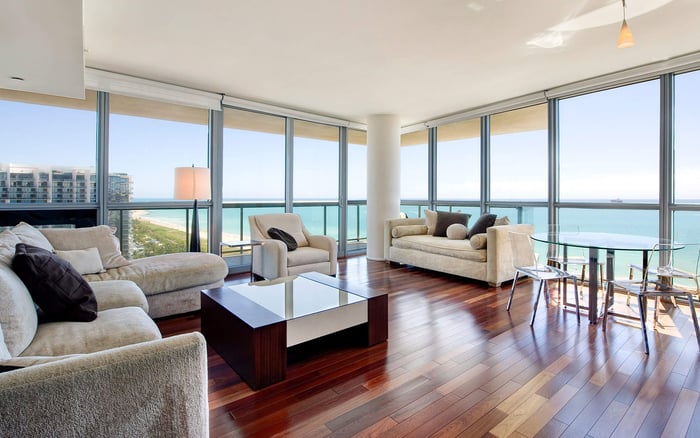
Coastal living places salt, wind, humidity, water intrusion, and corrosion at the center of the inspection. Examine extensive glazing in strong daylight, focusing on seals, frames, transitions, and any visible evidence of moisture or condensation. Where permitted, operate doors and windows while listening for friction, rattling, or uneven closure.
On terraces, inspect drainage paths, thresholds, railing anchors, exterior hardware, and the condition of exposed components. Ask how these elements are accessed and maintained, and whether responsibility rests with the residence, association, hotel operation, or another party. A visual walkthrough can surface questions, but it cannot establish the condition of the building envelope or structural attachments. Qualified specialists should independently review material concerns.
If access allows, return after different weather conditions. Shifts in sun, wind, and humidity can expose glare, heat gain, drainage behavior, noise, and comfort issues that remain invisible during a single curated appointment.
Set the cooling system to a realistic comfort level and determine whether rooms respond consistently. Spend sufficient time in perimeter rooms, bedrooms, closets, baths, and spaces adjoining mechanical or service areas. Assess humidity, ventilation, condensation, odors, vibration, and equipment noise.
Listen while the residence is quiet. Close interior doors, pause near glazing, and note sound from elevators, corridors, terraces, mechanical equipment, hotel activity, and surrounding streets. Ask which mechanical systems serve only the residence and which are shared. Extend the same inquiry to structural components, elevators, amenities, life-safety infrastructure, and other major building systems.
Technology warrants a separate test. Review credentialing, visitor management, surveillance coverage, smart-home controls, internet connectivity, and the handling of resident versus hotel data. Confirm what remains functional during outages, who administers each platform, and which upgrades or subscriptions may become an owner expense.
A walkthrough captures performance at a moment in time. Governing documents define rights, responsibilities, and financial exposure. Review how hotel and residential expenses are divided, including shared-system costs, insurance, reserves, capital repairs, and amenity obligations. Confirm access rules and identify who can modify them.
Create a simple matrix listing each shared asset, the party controlling it, the party maintaining it, and the formula used to allocate cost. Where language is unclear, seek legal and financial interpretation rather than relying on tour commentary. Reserve assumptions, insurance structure, envelope concerns, and major infrastructure warrant specialist review.
Before concluding, revisit the neighborhood approach and sightlines. Observe event-driven congestion, beach activity, active construction, and proposed nearby development that could affect access or views. Then compare every observation with the relevant documents. The strongest decision emerges when sensory experience, operating rules, and technical analysis align.
Why inspect areas outside the residence? Arrival, service circulation, elevators, and loading areas shape privacy, convenience, and daily operations.
Should the walkthrough occur more than once? Yes. Different times and days can reveal shifts in traffic, sunlight, noise, hotel activity, and amenity demand.
What terrace details deserve attention? Inspect drainage, thresholds, railing anchors, exterior hardware, seals, and visible signs of corrosion or moisture.
How should elevator performance be evaluated? Test zoning, credentials, wait times, visitor procedures, service routes, and loading under busier conditions.
Which indoor-comfort issues matter most? Check cooling consistency, humidity, ventilation, condensation, odors, vibration, and equipment noise throughout the home.
What should be confirmed about shared systems? Identify which elevators, mechanical systems, structural components, amenities, and infrastructure serve both the hotel and residences.
Why review rental or transient-occupancy rules? Such arrangements may affect corridor activity, elevator demand, security procedures, and residential privacy.
What belongs in the technology review? Examine access control, visitor management, surveillance, connectivity, smart-home systems, outage performance, and data separation.
Which financial documents require particular attention? Focus on reserves, insurance, capital repairs, shared expenses, cost-allocation formulas, and long-term obligations.
When should a specialist be engaged? Engage qualified professionals for concerns involving the envelope, structure, shared infrastructure, reserves, insurance, or legal terms.
For a discreet conversation and a curated building-by-building shortlist, connect with MILLION.
If branded residences are on your mind — as a home or as an allocation — we would be glad to share what we are seeing, privately.
Begin a quiet conversation