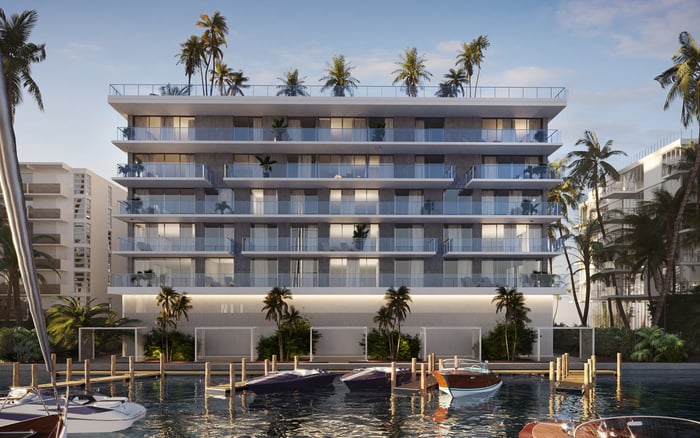
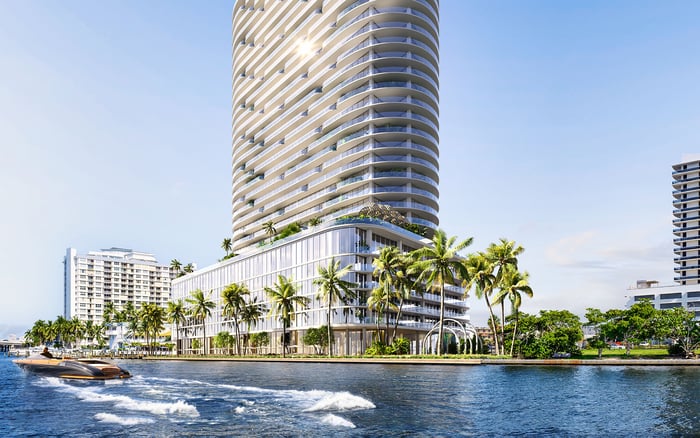
A buyer-oriented framework for comparing premium lines, recurring fees, governance, reserves, staffing, rental rules, and daily operations before committing.
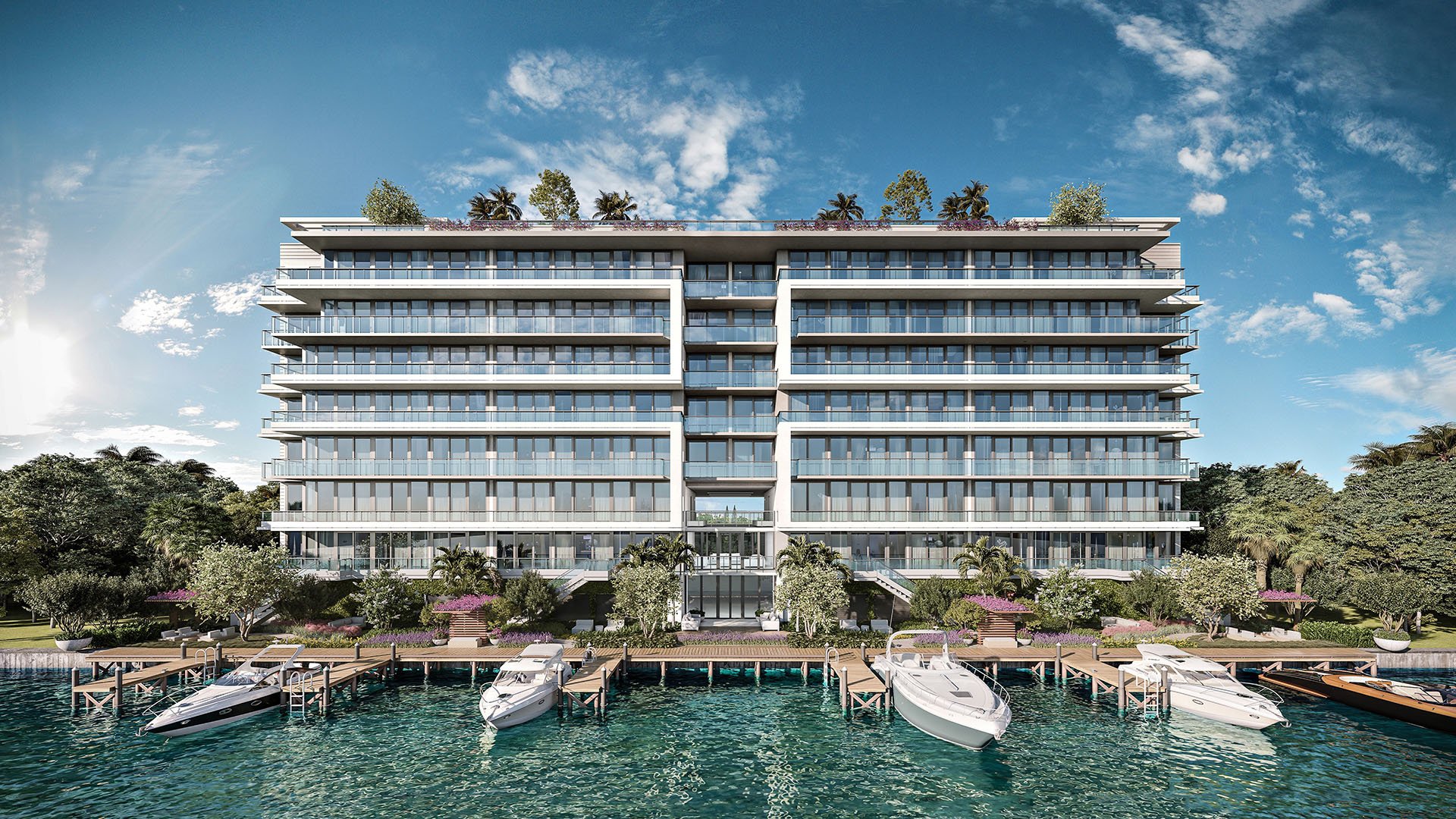
At Bay Harbor Towers and La Baia North Bay Harbor Islands, the most consequential buyer questions cannot be answered by polished renderings alone. A residence must be evaluated as both private architecture and a share in a collective operation. The quality of that operation can influence comfort, discretion, carrying costs, and eventual resale positioning.
For buyers considering Pre-Construction opportunities, the central task is to translate plans and stated intentions into practical expectations. Which line offers the strongest balance of exposure and privacy? Which charges are included in the association budget? How will staffing, access, deliveries, maintenance, and resident services function once the building is occupied?
This is where a Boutique Waterfront proposition demands greater scrutiny. Fewer residences may create an intimate atmosphere, but buyers should still examine how fixed costs are allocated, how service standards are funded, and how governance will mature. The aim is not to identify a universally superior building, but to determine which residence and operating model best fit the buyer.
Assess a premium line from the inside outward. Begin with the arrival sequence; the relationship between public and private rooms; bedroom separation; kitchen placement; storage; laundry circulation; and the usability of outdoor space. Gross size matters less than the portion of the plan that supports daily life without awkward transitions or purely decorative square footage.
Next, study orientation with discipline. Ask what each principal room faces, how sightlines may shift throughout the day, and whether neighboring terraces or common spaces compromise privacy. Confirm where mechanical equipment, elevators, refuse rooms, loading functions, and building access points sit in relation to the residence. These adjacencies can matter as much as a distant view.
Premium also means optionality. A room that can serve as an office, guest suite, library, or wellness space may hold greater long-term value than a highly specialized area. Before judging a line, buyers should request dimensioned plans, ceiling and soffit information, door swings, glazing details, terrace depths, and the locations of structural or mechanical constraints.
Association fees should never be read as a single headline number. Request the proposed budget and identify precisely what it includes: staffing, common-area maintenance, utilities, insurance, management, landscaping, amenity operations, security systems, and routine reserves. Then determine which expenses remain the owner's direct responsibility.
The denominator matters. Buyers should understand how expenses are allocated among residences, whether commercial or shared components exist, and whether parking, storage, private amenities, or other rights incur separate charges. Ask how unsold inventory is treated, which assumptions support the opening budget, and when the first owner-controlled budget is expected to be considered under the governing framework.
A lower initial fee is not automatically more efficient, just as a higher fee does not guarantee elevated service. The better question is whether the budget aligns with the promised experience. Staffing levels, coverage hours, maintenance standards, insurance structure, reserve planning, and vendor scope should present a coherent story.
Amenities photograph well; operations determine whether they remain serene. Ask how residents, guests, household staff, vendors, deliveries, and rideshare arrivals will be separated or coordinated. Review elevator access, package handling, loading procedures, move policies, emergency protocols, and after-hours coverage.
Service language warrants equal scrutiny. Terms such as concierge, valet, security, or property management can describe markedly different scopes. Buyers should clarify hours, staffing assumptions, included duties, gratuity expectations, outsourced functions, and separately billed services. If boating access, private transport, wellness programming, or food service is discussed, request the rules, capacity, reservation system, and anticipated cost structure.
Operational resilience is equally important. Ask who is responsible for preventive maintenance, waterproofing oversight, façade care, landscape replacement, amenity equipment, technology systems, and storm preparation. A refined building is not simply completed; it is continuously managed.
Context sharpens judgment. A buyer touring the two headline properties may also review Alana Bay Harbor Islands and Onda Bay Harbor to compare plans, governance documents, fee structures, completion status, and the character of each residential proposition. The purpose is not to create a superficial ranking, but to identify which compromises are acceptable.
Use a consistent comparison sheet. Record the total acquisition price, deposits, closing obligations, selected upgrades, parking and storage rights, estimated association charges, insurance, taxes, financing costs, and likely furnishing needs. Keep contractual inclusions distinct from presentation materials and verbal descriptions.
For both Bay Harbor Towers and La Baia North Bay Harbor Islands, buyers should also compare contract remedies, assignment provisions, rental restrictions, pet rules, approval procedures, and the treatment of modifications. Legal and financial advisers should review the controlling documents before deadlines expire.
The strongest selection is rarely the residence with the longest feature list. It is the one whose plan, exposure, privacy, operating structure, and total ownership cost remain persuasive after the buyer has left the presentation suite.
Before committing, request a marked-up plan, finish schedule, proposed budget, fee worksheet, parking and storage documentation, amenity rules, service scope, and the complete contract and governing package. Reconcile inconsistencies in writing. Then reconsider the residence through the lens of ordinary life: groceries, guests, staff access, packages, pets, work calls, extended absences, and storm preparation. Luxury becomes credible when those routines feel considered.
What makes one condominium line more premium than another? A premium line combines privacy, useful proportions, desirable exposure, efficient circulation, and limited operational conflicts. The best choice depends on the buyer's routines, not the label alone.
Should a buyer choose the highest available floor? Not automatically. Compare outlook, privacy, wind exposure, elevator dependence, price, and the way the specific plan functions.
How should association fees be compared? Compare inclusions, exclusions, staffing, insurance, reserves, utilities, and allocation methods. A fee is meaningful only when considered beside the budget and service scope.
What documents deserve review before signing? Review the purchase agreement, declarations, bylaws, rules, proposed budget, exhibits, finish schedule, parking documents, and any amendments with qualified advisers.
Why do reserves matter in a new residence? Reserve planning helps clarify how future repair and replacement obligations may be funded. Buyers should understand the initial assumptions and future assessment authority.
What operational questions are most important? Focus on access control, staffing hours, deliveries, elevators, guest procedures, move policies, maintenance responsibilities, and emergency preparation.
How should parking and storage be evaluated? Confirm whether each is assigned, deeded, licensed, or otherwise controlled, along with its location, dimensions, transfer rights, restrictions, and separate fees.
Do rental rules affect a primary-residence buyer? Yes. Rental policies can shape occupancy patterns, governance, flexibility, and resale appeal, even when the owner has no immediate plan to lease.
How can buyers compare finish packages fairly? Separate standard specifications from upgrades, allowances, substitutions, model-residence features, and owner-supplied work. Confirm selections and costs in writing.
What is the final test before choosing between the projects? Reconcile the complete ownership cost with the preferred line, contractual protections, service model, and confidence in long-term operations.
When you're ready to tour or underwrite the options, connect with MILLION.
If branded residences are on your mind — as a home or as an allocation — we would be glad to share what we are seeing, privately.
Begin a quiet conversation