A practical, family-focused guide to evaluating water purification in South Florida condominiums, from whole-building systems and in-unit filtration to maintenance, documentation, and resale considerations.
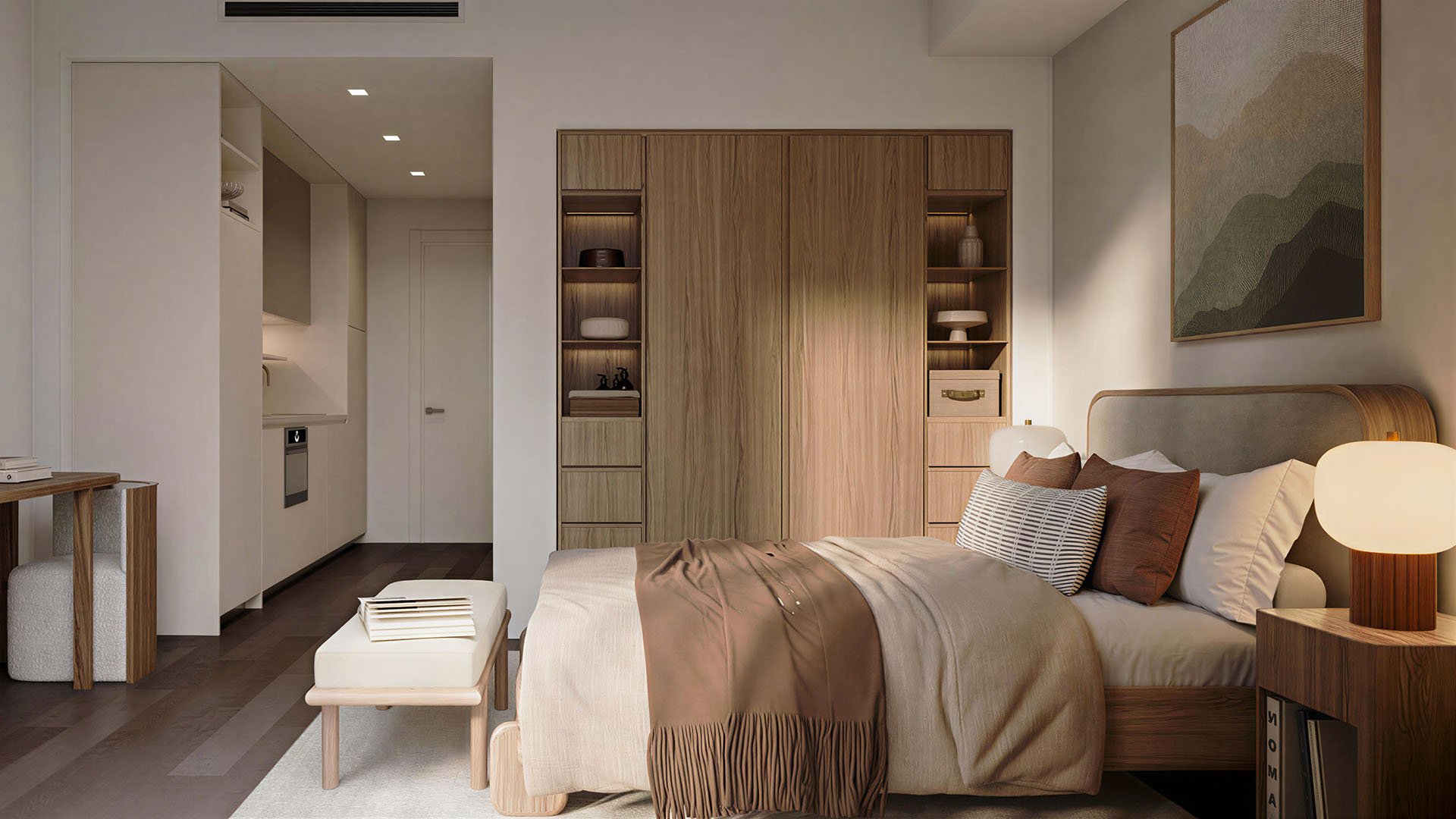
For family buyers, a South Florida condominium is rarely judged by square footage alone. The decision often turns on daily experience: the morning routine, the after-school kitchen, the nursery bath, the guest suite, the ice maker, the espresso machine, and the quiet confidence that the residence supports healthy, comfortable living. Water purification belongs squarely in that conversation.
In luxury buildings, water quality is not simply a utility matter. It is part of the home’s operating environment. Families comparing Brickell, Surfside, Aventura, Doral, Broward, and new-construction residences should evaluate water purification with the same seriousness they bring to impact glass, elevator service, air conditioning, storage, parking, and private amenities.
The goal is not to assume a problem. The goal is to understand the system. In a condo, water may pass through municipal infrastructure, building-level pipes, risers, mechanical rooms, in-unit plumbing, appliance lines, and point-of-use filters before it reaches the glass. Each layer can influence taste, odor, pressure, sediment, maintenance needs, and owner responsibility.
The first question is direct: is purification handled by the building, by the individual residence, or by both? Some buyers hear “filtered water” and assume it applies throughout the home. In practice, it may refer only to a kitchen faucet, refrigerator line, primary suite system, amenity area, or a broader building approach. Clarity matters.
The second question is operational: who maintains it? A beautifully installed filter is only as reliable as its service schedule. Families should ask how often filters are changed, who performs the work, whether access is easy, and whether replacement components are standard or proprietary. If a system is in-unit, the owner may be responsible. If it is building-wide, the association or building operator may manage it.
The third question is documentary: can the seller, developer, association, or manager describe the system in writing? A verbal assurance is not enough for careful buyers. Specifications, manuals, service records, and maintenance protocols can turn an abstract comfort issue into a clear ownership item.
A whole-building system can be appealing because it suggests consistency before water reaches individual residences. It still needs to be understood precisely. Buyers should ask what the system is intended to address, where it is located, and how it is monitored. They should also confirm whether all water entering the residence passes through it or whether certain lines remain separate.
In-unit filtration offers more control. A family can tailor a system to drinking water, cooking water, baths, laundry, or specific appliances. Point-of-use filters at the kitchen sink are common because they focus on water that will be consumed. More extensive in-unit systems may require cabinet space, service access, plumbing review, and association approval.
Neither approach is automatically superior. Whole-building systems can be elegant and low-touch when well managed. In-unit systems can be highly personalized and easier for an owner to audit. The best answer depends on the building’s infrastructure, the family’s expectations, and the level of documentation available before purchase.
During showings and inspections, the kitchen deserves close attention. Ask whether the main faucet, a separate filtered tap, the refrigerator, ice maker, coffee station, and any bar sink are connected to filtration. In larger residences, secondary kitchens, outdoor summer kitchens, staff areas, and laundry rooms may each have different setups.
Bathrooms also matter, especially for families with small children. Buyers may want to know whether bath and shower water is untreated building water or part of a broader conditioning system. This is not only about drinking water. Some families are sensitive to scent, skin feel, residue on fixtures, and maintenance patterns around glass, stone, and fittings.
Mechanical spaces can reveal how practical a system will be. A filter that is difficult to reach may be neglected. A system without labeling can create confusion for future service providers. A clean installation, clear shutoff access, and visible service dates suggest a more disciplined approach to ownership.
Condo living adds a governance layer. Family buyers should ask whether the association has rules for installing or modifying water systems. Some buildings may require licensed professionals, alteration applications, insurance certificates, or architectural approval before plumbing work begins. This is especially important when a system affects walls, slabs, common elements, risers, or neighboring units.
Buyers should also ask whether the building has experienced recurring water pressure issues, discoloration complaints, pipe repairs, or plumbing interruptions. The purpose is not to dramatize ordinary building maintenance. It is to understand whether water performance is stable and whether the association communicates clearly when service is needed.
For new development and recently completed towers, review what is included by the developer and what is left for the owner after closing. A model residence may show upgraded fixtures or optional systems that are not standard in every home. The purchase documents should clarify that distinction before a family assumes the residence will perform like the sales gallery.
Families tend to use water intensively. Bottles are filled before school. Formula, tea, smoothies, and sports drinks are prepared in the kitchen. Guests expect ice and coffee to taste neutral. Children use multiple baths. Laundry may run daily. These small rituals make water quality more visible than it might be for a seasonal owner.
A strong purification plan can also simplify life. It may reduce reliance on bottled water, keep the kitchen less cluttered, and make household routines more consistent. For staffed households, clearly labeled systems and recurring service calendars help house managers, assistants, and vendors keep the residence operating smoothly.
The most refined homes make these systems feel invisible. The tap works, the water tastes clean, the filters are replaced before anyone notices, and the owner has a clear record of what was installed. That quiet reliability is often what luxury families are truly buying.
Water purification is unlikely to replace view, floor height, plan, location, or building reputation as the main driver of value. Still, it can strengthen the perception of a residence that has been thoughtfully maintained. In a competitive market, the difference between an improvised installation and a documented system can be meaningful during due diligence.
Future buyers may ask the same questions you ask today. What is installed? Who maintains it? Are filters current? Was the work approved? Are manuals available? A seller who can answer smoothly presents a more orderly home. That matters in South Florida’s premium condo market, where buyers often expect residences to be both beautiful and operationally mature.
For owners planning renovations, it is wise to consider filtration early. Cabinetry, wet bars, appliance panels, coffee systems, and stone selections can all be affected by plumbing choices. Planning ahead protects the design language of the residence while improving everyday performance.
Before signing, ask for a written description of any advertised water purification system. Confirm whether it is building-wide, in-unit, or limited to a particular fixture. Review association rules for plumbing modifications and determine whether any existing installation was approved. Ask for manuals, service dates, filter types, and vendor information when available.
During inspection, test multiple taps, observe water pressure, look for under-sink equipment, identify refrigerator and ice maker connections, and ask whether any system has bypass valves. If the residence will be renovated, have the design and plumbing teams evaluate filtration before cabinetry is finalized.
Most importantly, align the system with the family’s actual habits. A household that cooks daily may prioritize kitchen filtration. A family with young children may focus on baths as well as drinking water. A frequent host may care deeply about bar sinks, ice, and coffee. The right solution is the one that supports the way the home will be lived in.
Is water purification always included in South Florida condos? No. Buyers should confirm whether any filtration is building-wide, in-unit, appliance-specific, or not included at all.
Should families test the water before buying? Testing can be a prudent step when water quality is a priority, especially if taste, odor, or existing equipment raises questions.
Who usually maintains an in-unit filtration system? The unit owner is often responsible for in-unit systems, but buyers should verify this through association rules and purchase documents.
Can a condo association restrict filtration upgrades? Yes. Plumbing modifications may require approval, licensed contractors, insurance documents, or compliance with building standards.
Is a kitchen filter enough for a family residence? It may be enough for drinking and cooking, but families may also consider baths, ice makers, bar sinks, and laundry needs.
What should buyers ask about refrigerator water and ice? Ask whether those lines are filtered, how often filters are changed, and whether replacement parts are easy to obtain.
Do new condos eliminate the need for filtration questions? No. New-construction buyers should still confirm what is standard, what is optional, and what maintenance is required after closing.
Can filtration equipment affect cabinetry or design? Yes. Some systems require space, access panels, shutoffs, or routing that should be planned before millwork is finalized.
Does water purification improve resale value? It may support buyer confidence when the system is well installed, documented, and maintained, though it is usually not the primary value driver.
What is the simplest first step for a family buyer? Ask for a written explanation of the residence’s water system, then review it with the inspector before the inspection period ends.
If you'd like a private walkthrough and a curated shortlist, connect with MILLION.
If branded residences are on your mind — as a home or as an allocation — we would be glad to share what we are seeing, privately.
Begin a quiet conversation