Casa Bella by B&B Italia Downtown Miami is best understood not only as a design-branded condominium, but as a test of how Italian interiors, staff culture, amenity discipline, and globally mobile ownership patterns can form a coherent daily life in Downtown Miami.
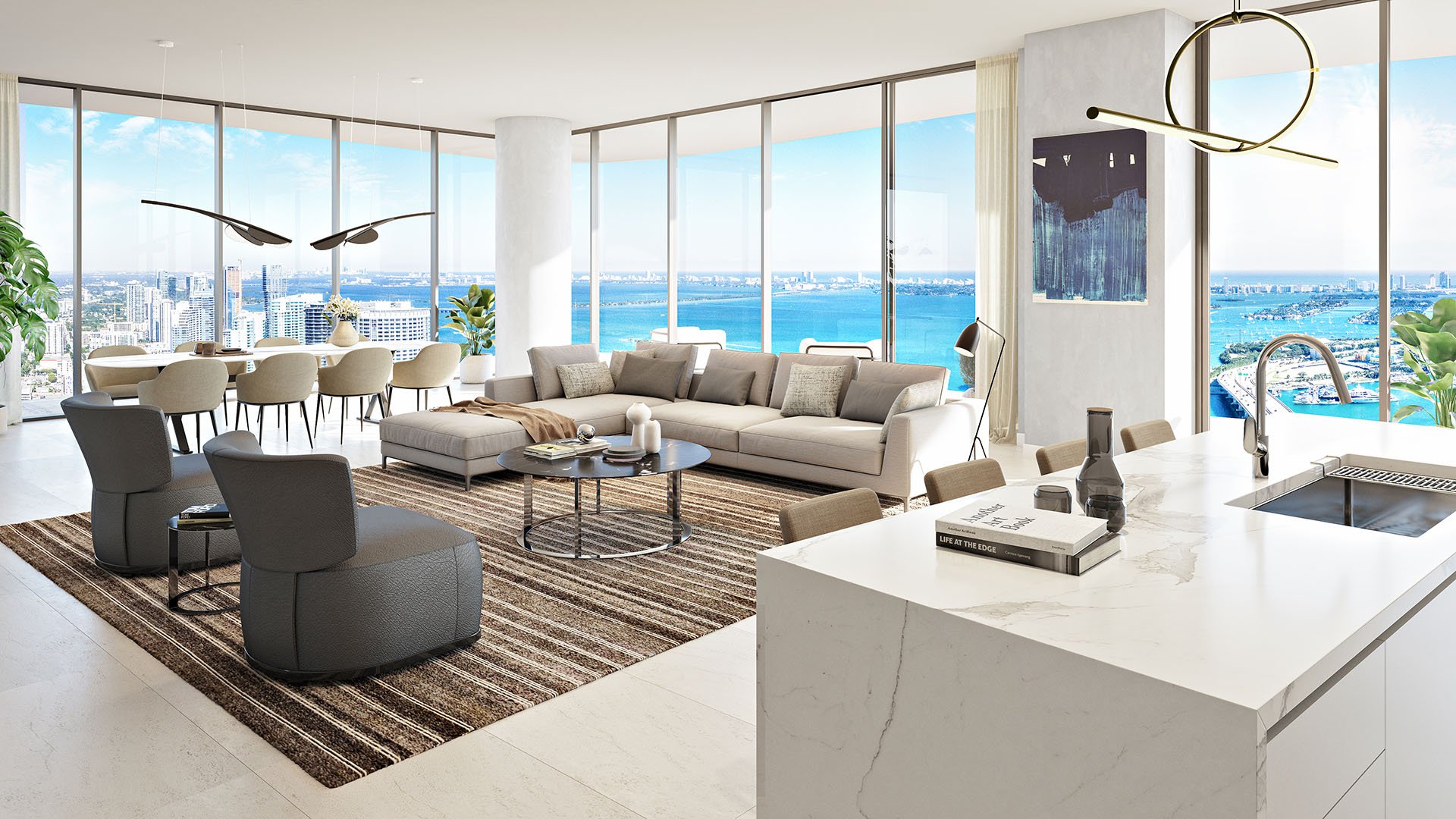
Casa Bella by B&B Italia Downtown Miami belongs to a more demanding generation of luxury condominium. The building is not framed simply as a high-rise with attractive residences, but as a complete residential environment shaped by Italian design heritage, branded interiors, amenities, and service-led living. For buyers, that distinction matters. In this category, the question is not only how the lobby looks on day one, but how the property feels through repeated arrivals, departures, guest visits, maintenance requests, amenity reservations, and quiet weekday routines.
The B&B Italia affiliation gives Casa Bella a clear design identity. It signals contemporary Italian restraint, material discipline, and a preference for spaces that feel resolved rather than decorated. Yet the deeper buyer promise is operational. A design brand can establish mood and expectation, but the resident experience depends on whether staff, amenity management, communication, and ownership support are equally refined.
That is why Casa Bella by B&B Italia Downtown Miami is most compelling when viewed through two lenses: service culture and ownership rhythm. The first asks whether daily interactions can match the sophistication of the design language. The second asks whether the building can support owners who live globally, use Miami intermittently, and expect the residence to be ready when they are.
Downtown Miami has become increasingly relevant to luxury buyers who want culture, convenience, and mobility without withdrawing from the city. Casa Bella’s positioning benefits from that shift. Its Downtown Miami context places the residence within an urban pattern where dinner, performance, work, waterfront movement, and neighborhood transitions can become part of ordinary life.
For a certain owner, this is the appeal. A Miami residence is not only a winter refuge or a place to entertain. It is a base from which to move through the city with ease. The service culture of the building, therefore, cannot stop at the front desk. It may extend to helping coordinate dining, cultural outings, transportation, guest access, and the small logistical details that make an urban residence feel effortless.
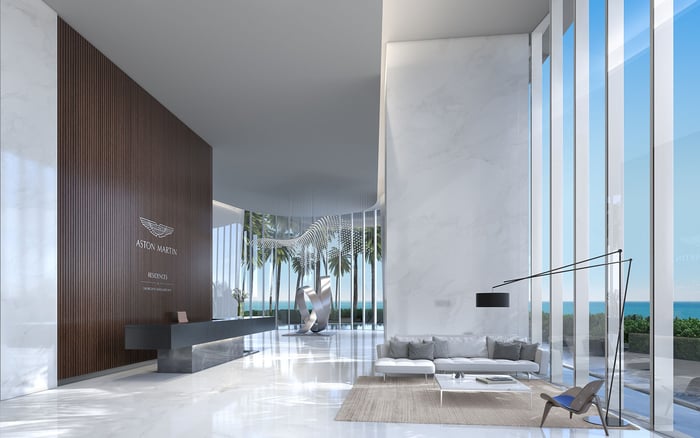
This is also where Casa Bella enters a competitive Downtown Miami field. Buyers comparing it with Aston Martin Residences Downtown Miami or Waldorf Astoria Residences Downtown Miami are not merely comparing names. They are comparing how a brand promise might become a lived system. In a market where branded towers are increasingly visible, operational discipline becomes a form of architecture in its own right.
Service culture in a luxury condominium is not just friendliness. It is memory, pacing, discretion, and consistency. It is the ability to recognize patterns without appearing intrusive. It is also the training and protocol required to deliver the same polish on a quiet Tuesday afternoon as during a high-profile weekend.
For Casa Bella, the B&B Italia design identity raises the bar. If interiors are intended to feel composed, tactile, and contemporary, service interactions should feel similarly considered. A rushed greeting, uneven amenity booking process, or unclear management communication would feel more jarring in a branded design environment than in a conventional building. The more coherent the visual language, the more noticeable any operational friction becomes.
This is the central challenge for branded residences. A name can attract attention, but the residence earns loyalty through repetition. Owners notice how packages are handled, how quickly questions are answered, how common areas are maintained, how amenity calendars are managed, and whether staff understands the difference between availability and true attentiveness. In the best buildings, service becomes almost invisible because it is anticipated, coordinated, and calm.
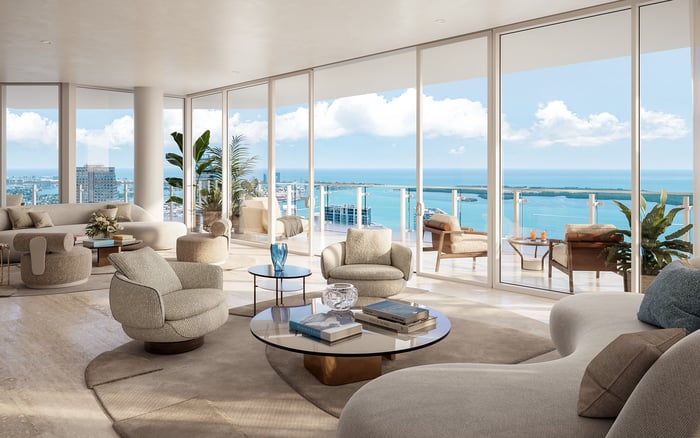
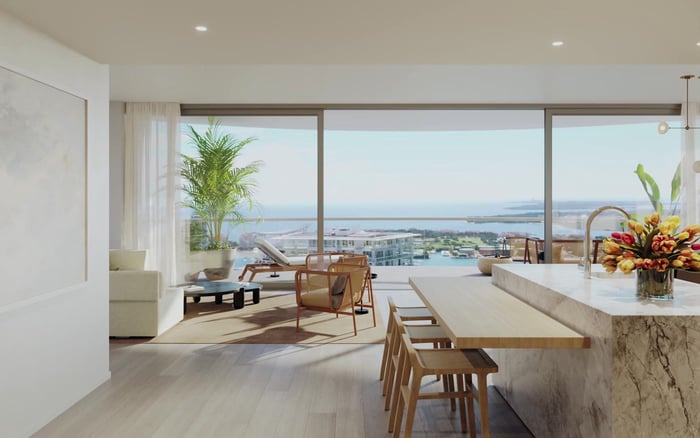
For design and architecture minded buyers, Casa Bella’s appeal begins with aesthetic coherence. The promise of B&B Italia is not novelty. It is an environment where design decisions appear to belong to the same vocabulary, from the private residence to the shared spaces and the broader mood of arrival.
But design in a luxury condominium is not static. It must be protected through management. Furniture, finishes, lighting, scent, acoustics, uniforms, signage, and staff cadence all shape the impression of quality. A beautifully specified amenity level can lose authority if it is poorly scheduled, overcrowded, inconsistently maintained, or treated as a backdrop rather than a living part of the building.
Casa Bella’s strongest version will be one where the resident does not feel the machinery behind the experience, only the ease it creates. That requires the design language and the service model to reinforce each other, rather than operate as separate promises.
The Casa Bella buyer is likely to include design-conscious owners who value branded environments and aesthetic coherence. Many will also be globally mobile, with homes, work, family, or routines spread across multiple cities. That creates a specific ownership rhythm. The residence must perform when the owner is present, but it must also be managed intelligently when the owner is away.
Second-home ownership is where service culture becomes especially tangible. Owners may arrive after weeks or months elsewhere and expect the residence to feel prepared, private, and familiar. They may need reliable communication before arrival, confidence that maintenance issues are monitored, and a sense that the building understands intermittent use without making the owner feel disconnected.
This is where Casa Bella’s promise becomes practical. Frictionless ownership is not a slogan. It means fewer surprises, clearer communication, and a staff culture that understands timing. A globally mobile owner does not want to reintroduce themselves to the building each season. They want the residence to remember them in the right ways.
Miami’s luxury market has become fluent in branded residential concepts. Brickell, Downtown, Miami Beach, Sunny Isles, and other enclaves now offer a range of buildings where a name, a hospitality language, or a design house helps define the buyer proposition. Casa Bella’s distinction is its emphasis on Italian design heritage and the translation of that heritage into residential life.
Projects such as Baccarat Residences Brickell and Cipriani Residences Brickell reinforce how varied the branded category has become. Some buyers respond to hospitality, some to fashion, some to design, and some to the choreography of urban convenience. Casa Bella sits within that larger conversation while giving Downtown Miami a specifically design-led narrative.
The strongest buyer approach is to evaluate the brand not as decoration, but as a standard. Does the service model feel aligned with the design language? Does the building’s scale support the desired lifestyle? Does the ownership rhythm match how the buyer will actually use the residence? These questions are more revealing than broad comparisons of amenity lists.
For Casa Bella, the long-term story will be shaped by execution. Branded interiors and refined amenity concepts create the first impression, but ownership satisfaction depends on continuity. Staff training, management systems, communication protocols, amenity governance, and maintenance quality will determine whether the building feels elevated year after year.
Buyers should pay close attention to the operational details that are often less visible in early marketing. How does the building communicate with owners who are away? How are amenity spaces reserved and maintained? What is the tone of staff interaction? How does management respond when something does not go perfectly? Luxury is often revealed in recovery, not only in presentation.
The most persuasive version of Casa Bella is a residence where Downtown Miami access, Italian design, branded confidence, and quiet service discipline work together. If those elements remain aligned, Casa Bella can offer more than a beautiful address. It can offer a rhythm of ownership that feels composed, efficient, and distinctly Miami.
What is the core idea behind Casa Bella by B&B Italia Downtown Miami? It is positioned as a luxury condominium shaped by Italian design heritage, branded interiors, amenities, and service-led living.
Why is B&B Italia important to the project? The affiliation gives Casa Bella a contemporary Italian design identity and raises expectations for visual coherence and refined daily interactions.
What does service culture mean in this context? It refers to consistent staff performance, polished communication, amenity discipline, and the ability to make ownership feel effortless.
What is ownership rhythm? Ownership rhythm describes how the building supports residents who may use their Miami home seasonally, intermittently, or alongside homes in other cities.
Is Casa Bella mainly for full-time residents or second-home buyers? It can appeal to both, but its service promise is especially relevant to globally mobile and seasonal owners who value readiness and reliability.
How does Downtown Miami support Casa Bella’s positioning? Downtown Miami offers urban convenience and a setting where culture, dining, work, and waterfront movement can fit into daily life.
How does Casa Bella compare with other branded residences? Its distinction is design-led rather than purely hospitality-led, with the B&B Italia affiliation shaping the expected tone of the residential experience.
What should buyers evaluate beyond the design? Buyers should examine service consistency, amenity management, owner communication, maintenance standards, and how well the building supports absences.
Why does operational discipline matter in a branded building? A strong brand creates high expectations, so every staff interaction and management decision must feel aligned with the promised level of refinement.
What is the long-term test for Casa Bella? The long-term test is whether its visual design promise can be sustained through training, protocols, communication, and day-to-day hospitality.
When you're ready to tour or underwrite the options, connect with MILLION.
If branded residences are on your mind — as a home or as an allocation — we would be glad to share what we are seeing, privately.
Begin a quiet conversation