A discreet buyer’s guide to evaluating developer delivery risk before committing to a South Florida residence from afar.
For a remote executive, South Florida real estate often begins as an elegant idea: a pied-à-terre near the water, a tax-positioned family base, a private winter residence, or a long-range investment in a market that feels both international and personal. Early conversations tend to center on views, architecture, amenities, and arrival experience. Yet before signing, the more consequential question is often quieter: can the developer deliver the residence, the building, and the lifestyle in the form you believe you are buying?
Developer delivery risk is not a reason to avoid new construction. It is the discipline of understanding what must happen between contract and closing. For an executive buying from another city or country, that discipline is essential because absence compresses visibility. You may not walk the site weekly, meet the construction team informally, or sense subtle changes in the neighborhood’s cadence. Your review must therefore be structured, specific, and completed before momentum makes the purchase feel inevitable.
Delivery risk is often mistaken for a single issue, usually timing. In reality, it is a bundle of questions. Will the building be completed substantially as represented? Will finishes, dimensions, amenities, access, services, parking, storage, and association obligations align with the purchase documents? Will the closing process allow enough time for travel, financing, legal review, insurance, inspections, and funds transfer? Will interim changes be disclosed in a way that allows the buyer to respond intelligently?
This is especially important in pre-construction, where a buyer commits before the residence exists in final physical form. A remote executive may see renderings, plans, model materials, and hospitality language, but the binding relationship lives in the contract documents. That gap between the sales presentation and the enforceable obligation is where careful advisory work matters.
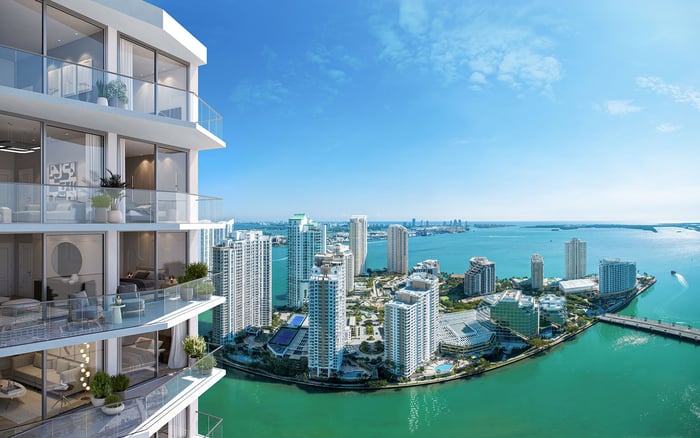
In Brickell, for example, a buyer may compare branded, design-led towers such as St. Regis® Residences Brickell with other urban options and assume the decision is purely about view line, plan, and brand affinity. Those elements matter, but the signing decision should also test delivery mechanics: deposit schedule, outside completion provisions, permitted substitutions, closing notice, and the precise treatment of amenities and common areas.
Remote executives are accustomed to delegating efficiently. They rely on advisers, family offices, assistants, counsel, accountants, pilots, and property managers. That infrastructure is valuable, but real estate delivery risk still requires the principal to understand the core decision points. Delegation without comprehension can create a false sense of control.
Distance also changes the rhythm of judgment. A local buyer may visit a sales gallery twice, drive the surrounding streets at different hours, and develop a feel for the building’s context. A remote buyer may compress all impressions into a single curated weekend. The answer is not more travel for its own sake. The answer is a stronger diligence protocol, with each visit and review tied to specific decisions.
When comparing a coastal address such as The Delmore Surfside with an urban residence or a quieter family-oriented location, the executive buyer should ask which aspects of the choice are fixed and which remain subject to future execution. Location is fixed. A recorded legal structure is fixed once finalized. Many experiential elements, however, depend on construction completion, staffing, operating budgets, association rules, and the developer’s handoff.
Luxury buyers often underestimate how much of the purchase is defined by documents they do not personally enjoy reading. Reservation agreements, purchase contracts, disclosure materials, condominium documents, budgets, floor plans, finish schedules, parking allocations, storage rights, amendment rights, and closing procedures are not administrative clutter. They are the operating system of the transaction.
The key is to separate marketing language from contractual language. If a feature is central to your decision, it should be traceable to the governing documents or clarified in writing by the proper party. If a finish package, ceiling height, outdoor space, view expectation, club component, service promise, or delivery window is material, it should not live only in conversation.
Executives should also pay close attention to remedy provisions. What happens if timing moves? What discretion does the developer have to make substitutions? How is substantial completion determined? What must the buyer do after receiving closing notice? These questions may feel defensive at the signing stage, but they are simply a disciplined way to understand the deal.
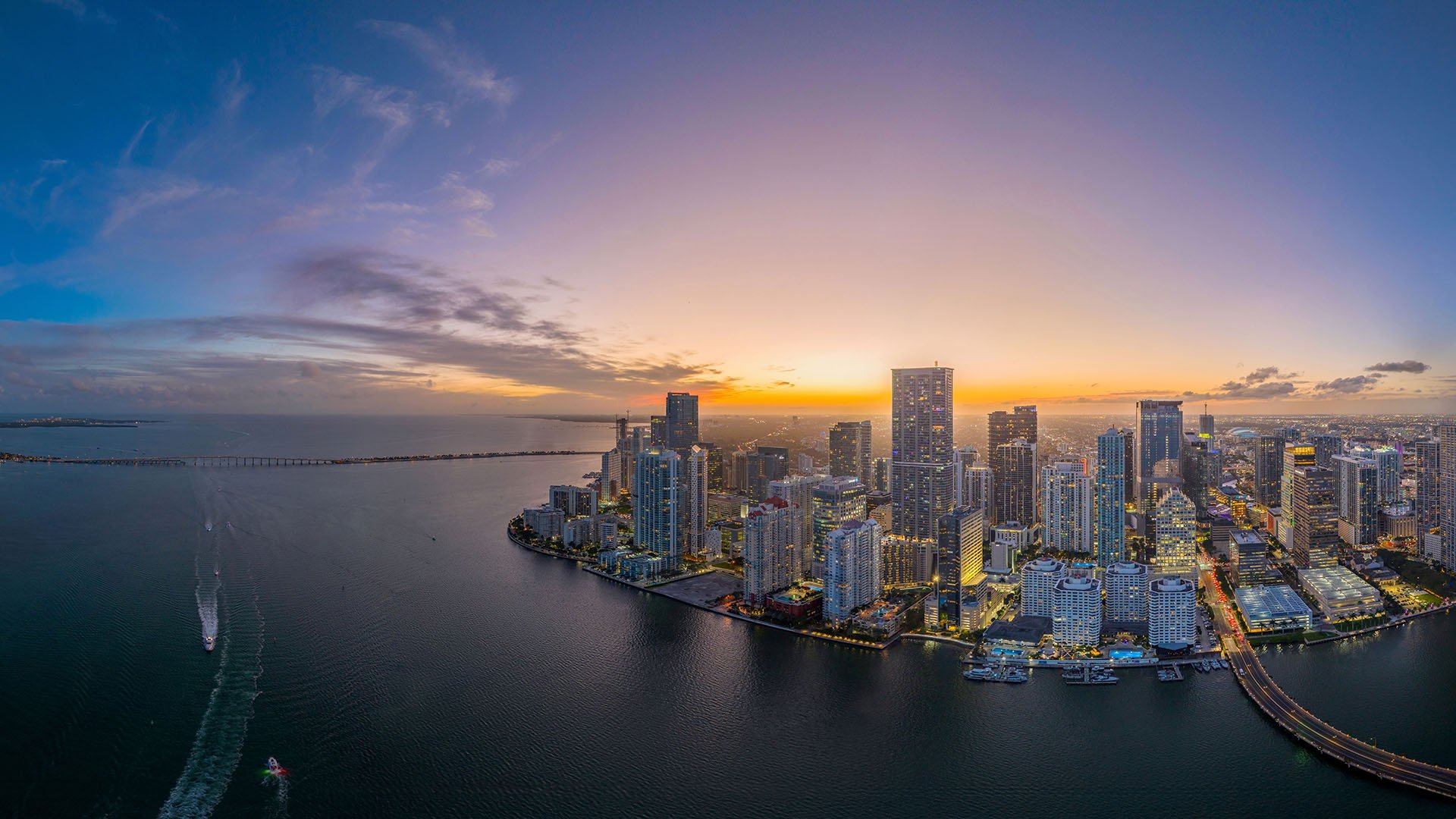
South Florida is not one luxury market. Brickell, Surfside, Aventura, Downtown Miami, Coconut Grove, Fort Lauderdale, Boca Raton, and Palm Beach each require a different lens. The delivery questions may be similar, but the relative importance of each question changes with lifestyle, building type, density, access, and the buyer’s intended use.
A buyer considering Avenia Aventura may weigh daily convenience, family logistics, and longer stays differently than a buyer focused on a skyline residence. A buyer evaluating Waldorf Astoria Residences Downtown Miami may place more emphasis on vertical living, branded operations, arrival sequence, and the experience of a high-profile urban address. Neither approach is inherently safer. Each requires a tailored delivery review.
This is where a local adviser adds value beyond access. The important work is not merely presenting inventory. It is interpreting how a specific project’s structure, location, stage, and buyer obligations fit the client’s timing, tolerance, and desired use.
For high-net-worth buyers, the issue is rarely whether funds exist. The issue is whether funds are sequenced intelligently. Deposit schedules should be reviewed against business liquidity, tax planning, financing strategy, and expected closing windows. A remote executive may have capital tied to transactions, company events, trust structures, or international transfers. A luxury purchase should not create avoidable friction simply because calendar obligations were not mapped early.
Closing logistics deserve the same attention. Travel plans, entity formation, loan documentation, insurance, inspections, walk-through authority, and power of attorney arrangements can all become urgent if left until the closing notice arrives. A buyer who signs with a clear operational plan preserves optionality and reduces stress.
In the upper tier of the market, amenities can influence pricing, identity, and daily life. Yet amenities are also among the areas where buyers must distinguish concept from execution. The questions are practical. Who will operate the spaces? What costs flow to owners? Which amenities are condominium property, shared facilities, private club components, or separately governed offerings? What is included, what is optional, and what may change?
The answer is not to be cynical. The best residences in South Florida are increasingly sophisticated, and thoughtful amenity programming can be a defining part of ownership. But sophistication requires clarity. An executive buyer should know whether the lifestyle being purchased is embedded in the legal structure or dependent on future operating decisions.
The best moment to evaluate delivery risk is before the contract is signed, not after construction questions become personal. A strong signing standard includes independent legal review, project-specific due diligence, written clarification of material assumptions, schedule analysis, liquidity planning, and a defined closing playbook. It also includes the humility to pause when the documents do not support the story being told.
For remote executives, this is not about slowing the process unnecessarily. It is about preserving decision quality. South Florida rewards buyers who combine conviction with precision. The most elegant acquisition is not the fastest one. It is the one in which the buyer understands what is fixed, what is flexible, what is promised, and what must still be delivered.
What is developer delivery risk? It is the risk that timing, specifications, amenities, operations, or closing obligations differ from a buyer’s expectations. The goal is to identify those variables before signing.
Is developer delivery risk only relevant in pre-construction? It is most visible in pre-construction, but it can also matter in recently completed residences. Any purchase tied to construction, turnover, or building operations deserves review.
Should remote executives avoid new construction? No. New construction can be compelling when the buyer understands the documents, timing, and obligations. The issue is not avoidance, but disciplined evaluation.
What should be reviewed before signing? Counsel should review the purchase contract, disclosures, condominium documents, budgets, plans, finish schedules, deposit terms, and closing procedures. Material assumptions should be clarified in writing.
Why is Brickell different from other submarkets? Brickell often suits buyers seeking an urban, finance-oriented lifestyle. The delivery review should focus on building operations, access, services, and vertical living logistics.
Does Surfside require a different lens? Yes. Surfside buyers may emphasize privacy, coastal character, and long-term residential feel. Delivery review should test how the building’s final experience supports that use.
How should Aventura buyers think about risk? Aventura buyers often prioritize convenience and practical ownership patterns. They should review access, association obligations, parking, services, and day-to-day usability.
Are amenities always guaranteed as presented? Not necessarily. Buyers should confirm what the governing documents require, what may change, and how amenity costs are allocated after turnover.
Can an adviser handle this without the buyer’s involvement? Advisers can manage the process, but the buyer should understand the major risks and decision points. Informed delegation is stronger than blind delegation.
When is the right time to evaluate delivery risk? The right time is before signing, when the buyer still has leverage and optionality. After deposits are funded, choices may narrow.
For a tailored shortlist and next-step guidance, connect with MILLION.
If branded residences are on your mind — as a home or as an allocation — we would be glad to share what we are seeing, privately.
Begin a quiet conversation