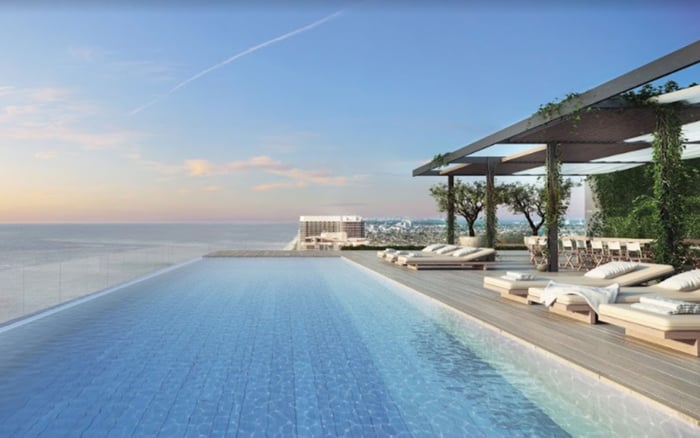
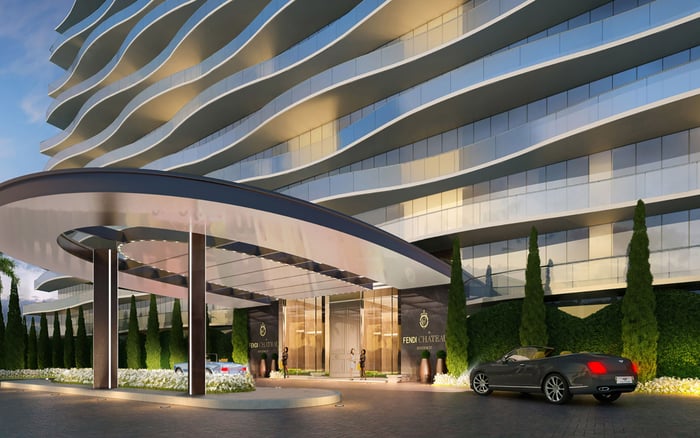
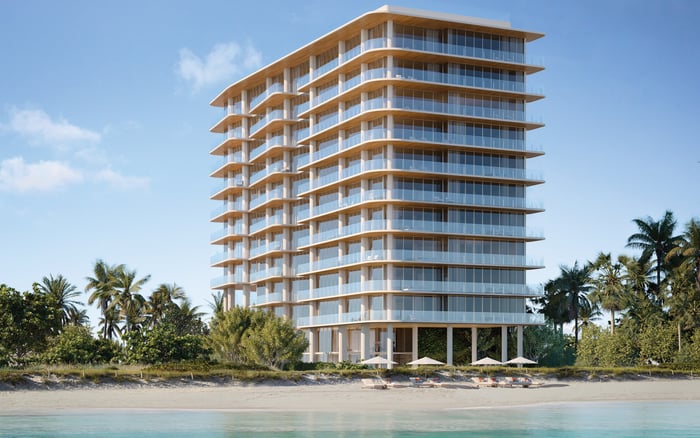
A discreet guide for international buyers weighing Surfside, Bal Harbour, Key Biscayne and other South Florida settings for a quieter oceanfront lifestyle.
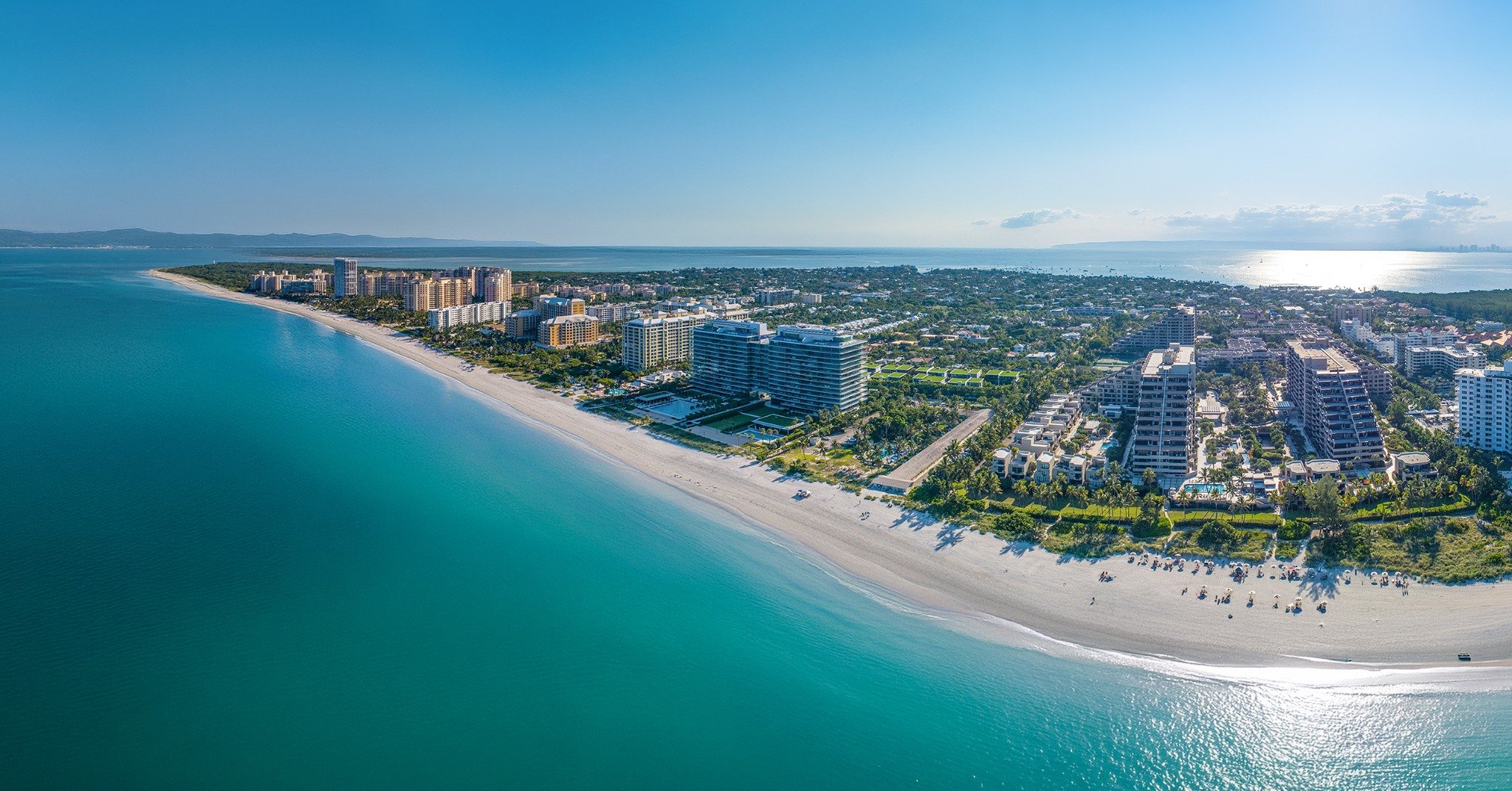
For a Singapore buyer, South Florida can seem deceptively simple at first glance: blue water, pale sand, glass towers and the familiar promise of winter sun. The more meaningful decision is quieter. It is the choice between a home that functions as a polished seasonal address and one that preserves privacy when the coast is most in demand.
The right beach home is not found by asking which shoreline is best. It is found by asking how you want to arrive, who you want to see, how much hospitality you want around you, and whether your ideal day begins with a swim, a school run, a board meeting, or a late lunch with no agenda. In South Florida, those answers quickly distinguish Surfside from Bal Harbour, Key Biscayne from the larger resort corridors, and boutique oceanfront living from a more animated waterfront scene.
Quiet is not a single condition. It can mean fewer people on the sand, a calmer lobby, less visual noise from nearby retail, or a building culture where residents value discretion over spectacle. A buyer coming from Singapore may already understand this distinction. The most prestigious address is not always the most serene, and the most convenient address is not always the most restorative.
Begin with how the home will be used. A second home occupied during select winter and holiday periods has different requirements from a residence intended for longer stays. The occasional user may prioritize hotel-level service, lock-and-leave confidence and easy entertaining. The long-stay owner may care more about storage, morning light, cross-ventilation, staff circulation, pet routines and the emotional quiet of repeated daily use.
This is where oceanfront living becomes more nuanced. A direct water view is a powerful asset, but it should be considered alongside elevator privacy, valet choreography, service entry, guest parking, residence depth and the distance between the pool deck and the beach path. The view is what guests remember. The circulation is what owners live with.
Surfside often appeals to buyers who want the beach experience to feel residential rather than theatrical. It suits the owner who wants proximity to the ocean without making nightlife the organizing principle of the purchase. For this buyer, the ideal building should feel composed from the moment the car arrives, with a lobby that does not overperform and amenities that support a quieter kind of luxury.
In this context, residences such as The Delmore Surfside and Ocean House Surfside belong in the conversation not as trophies to be collected, but as reference points for a buyer studying scale, privacy and how a building presents itself within a coastal neighborhood. The question is not only whether a residence is beautiful. It is whether the building makes absence easy and return effortless.
For international owners, Surfside can also offer a useful psychological balance. It feels connected to the broader Miami Beach world without requiring constant participation in it. That restraint is part of its appeal.
Bal Harbour speaks to a different version of quiet. It is less about retreat and more about curation. Buyers drawn to Bal Harbour often want a polished environment where dining, fashion, service and shoreline access can coexist within a highly controlled personal routine. The key is to avoid assuming that prestige alone guarantees calm. Each building should be evaluated by its arrival experience, amenity scale, staff culture and the degree to which residents and visitors overlap.
A project such as Rivage Bal Harbour can be discussed naturally with buyers who want the name recognition of Bal Harbour while still asking sophisticated questions about privacy, residence planning and the quality of daily transitions. The best purchase here is not necessarily the most visible one. It is the one that lets the owner move between beach, residence and social life with minimal friction.
Bal Harbour also rewards buyers who think carefully about the distinction between being near activity and being inside it. That distinction can determine whether a home feels restorative or merely impressive.
Key Biscayne is for buyers who are not only choosing a beach, but a cadence. It can appeal to families and long-stay owners who want a more self-contained feeling, where the day has a softer edge and the waterfront belongs to a broader residential rhythm. The tradeoff is personal. Some buyers prefer immediate adjacency to the mainland energy of Miami Beach or the mainland urban core. Others prefer the feeling of crossing into a more settled environment.
For those weighing this island sensibility, the larger issue is whether the buyer wants the home to operate as a private base for South Florida living, or as a more immersive daily environment where the area itself does much of the calming work.
Key Biscayne should be visited at the times you expect to use it. A morning impression, a weekend impression and an evening impression can feel meaningfully different, and the best buyers do not rely on a single perfect showing.
Not every quiet beach decision belongs within the Miami orbit. Some buyers will find that the most persuasive version of privacy appears farther north, where the residential conversation can feel more deliberately paced. That does not make one coastline superior to another. It simply changes the balance between access, recognition and retreat.
For a buyer considering a more private coastal posture, Rosewood Residences Hillsboro Beach can sit in the same strategic conversation as Surfside, Bal Harbour and Key Biscayne, especially when the priority is a quieter arrival and a more residential mood. The practical question is whether you want to be close to Miami’s social circuit, or whether the home should function as a more insulated coastal refuge.
Beach access should be evaluated in person. Walk the route from residence to sand. Notice whether it feels graceful, exposed, crowded, or effortless. Study how guests arrive, how deliveries are handled, where staff circulate, and whether amenity spaces are scaled for calm use during peak ownership periods.
Building rules matter as much as finishes. Rental policies, guest procedures, pet guidelines, renovation protocols and service expectations can all influence whether a property remains quiet over time. Buyers should also compare the experience of a low-floor residence with immediate landscape connection against a high-floor residence with stronger separation from ground-level activity.
The final test is emotional. A quiet beach home should lower the pulse before the front door opens. If the approach feels strained, the view will not solve it.
Is Surfside a good fit for buyers seeking a quieter South Florida beach home? Surfside can suit buyers who want an oceanfront setting with a more residential feeling. The building itself still matters, especially its scale, service style and arrival sequence.
How should a Singapore buyer compare Surfside and Bal Harbour? Compare the daily rhythm rather than only the address. Surfside may feel more understated, while Bal Harbour may appeal to buyers who want a more edited luxury environment.
Where does Key Biscayne fit in the decision? Key Biscayne may appeal to buyers who want an island cadence and a more self-contained lifestyle. It should be tested at different times of day before purchase.
Is oceanfront always the best choice for a quieter residence? Not automatically. Oceanfront views are compelling, but lobby traffic, pool placement, beach paths and service circulation can affect daily quiet.
What does beach access really mean for a luxury buyer? It means more than proximity to sand. The route should feel private, intuitive and comfortable during the periods when the owner expects to use the home.
Should I prioritize a boutique building or a larger amenity building? A boutique building may feel more discreet, while a larger building may offer broader services. The better choice depends on how much hospitality and privacy you want.
Can a second home still feel personal if used only seasonally? Yes, if the residence is planned for effortless return. Storage, staff coordination, building policies and maintenance culture are central to that feeling.
How important are building rules in preserving quiet? They are essential. Guest procedures, rental restrictions, pet policies and renovation rules can shape the atmosphere as much as design.
Should I visit during a busy period before buying? Yes. A busy-period visit can reveal how the building, beach route and surrounding area feel when demand is highest.
What is the simplest way to narrow the search? Define whether you want discretion, curation, island cadence, or deeper retreat. That answer will quickly guide the choice between Surfside, Bal Harbour, Key Biscayne and quieter northern options.
If you'd like a private walkthrough and a curated shortlist, connect with MILLION.
If branded residences are on your mind — as a home or as an allocation — we would be glad to share what we are seeing, privately.
Begin a quiet conversation